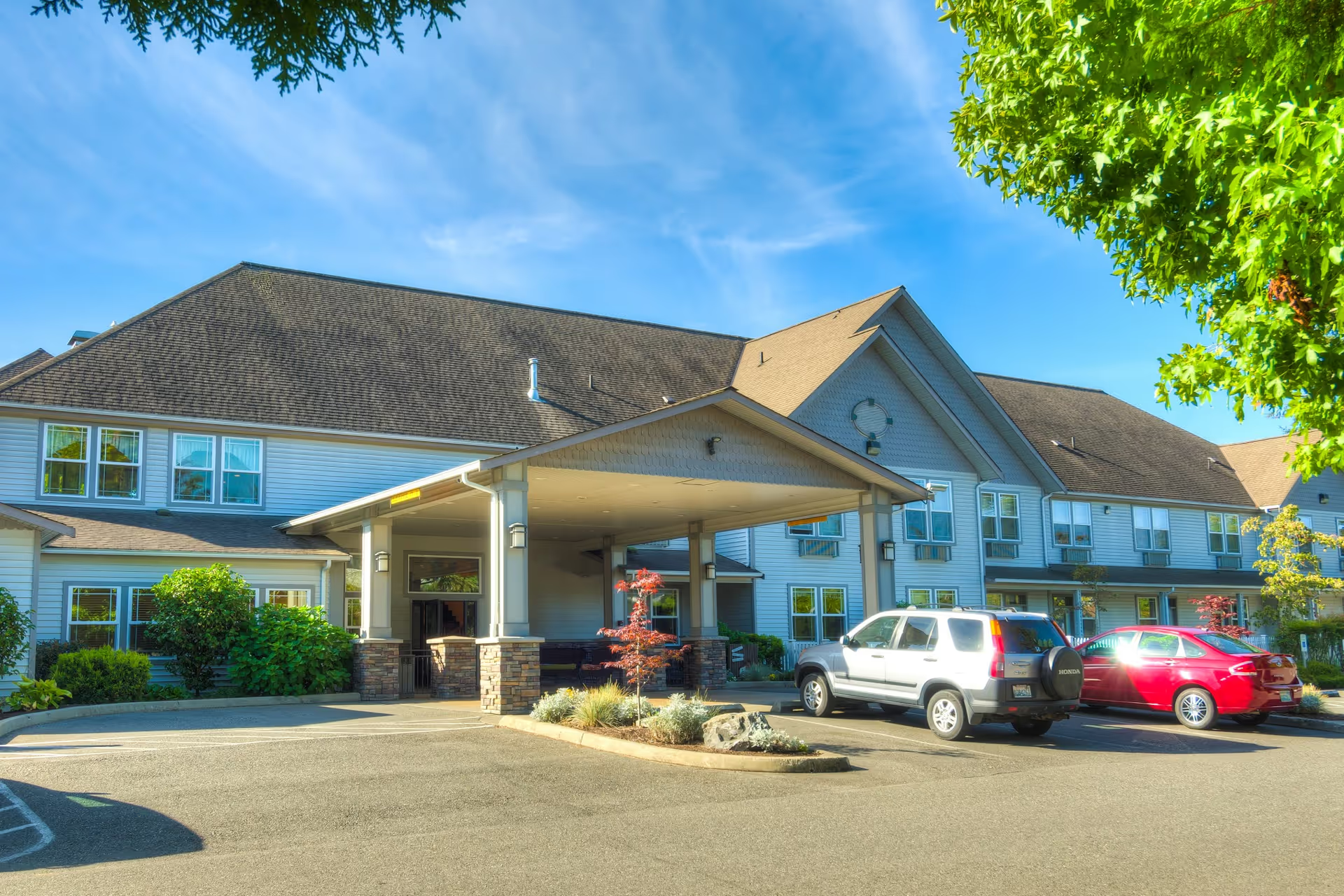
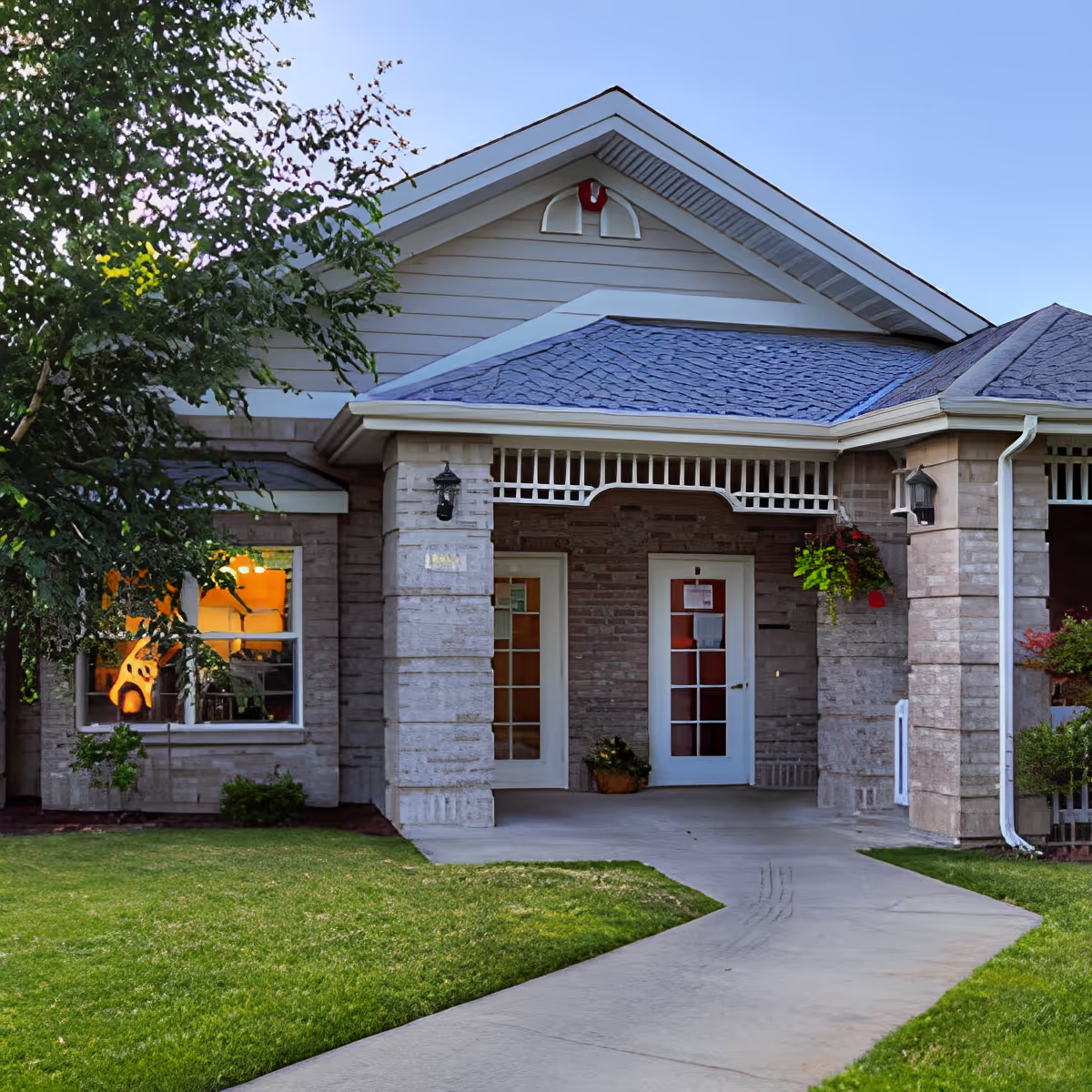
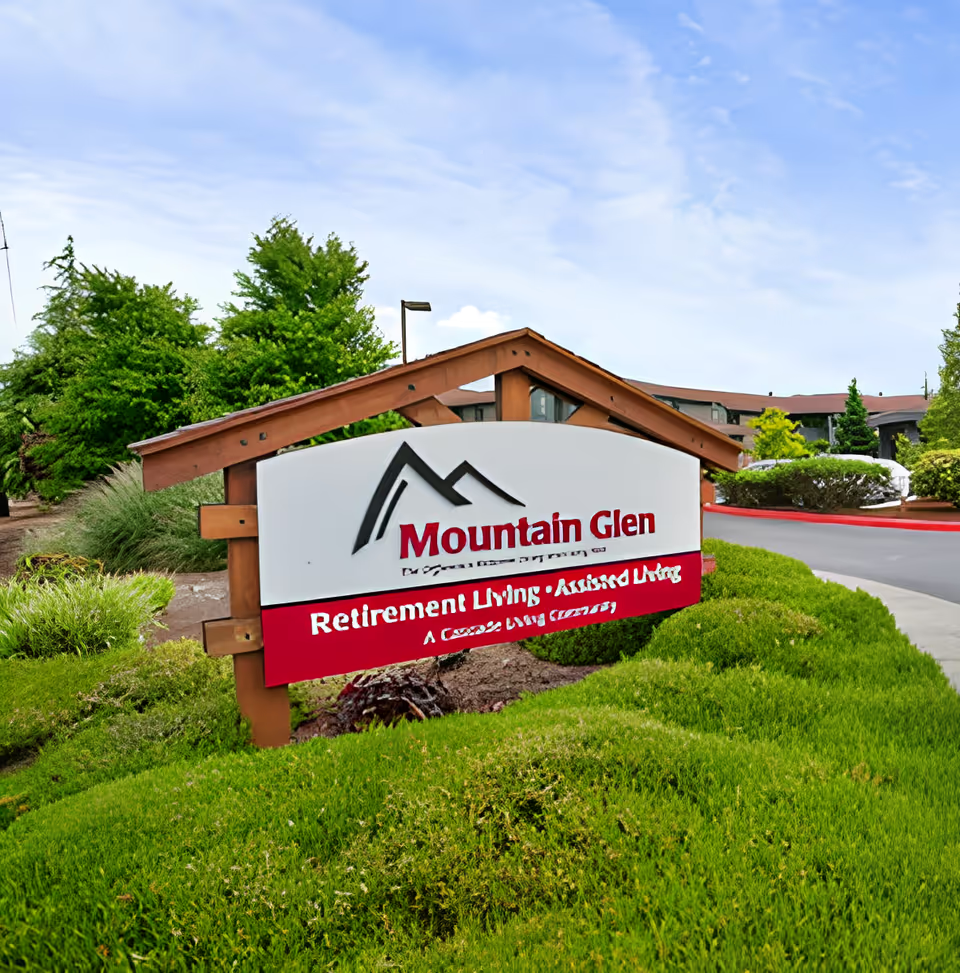
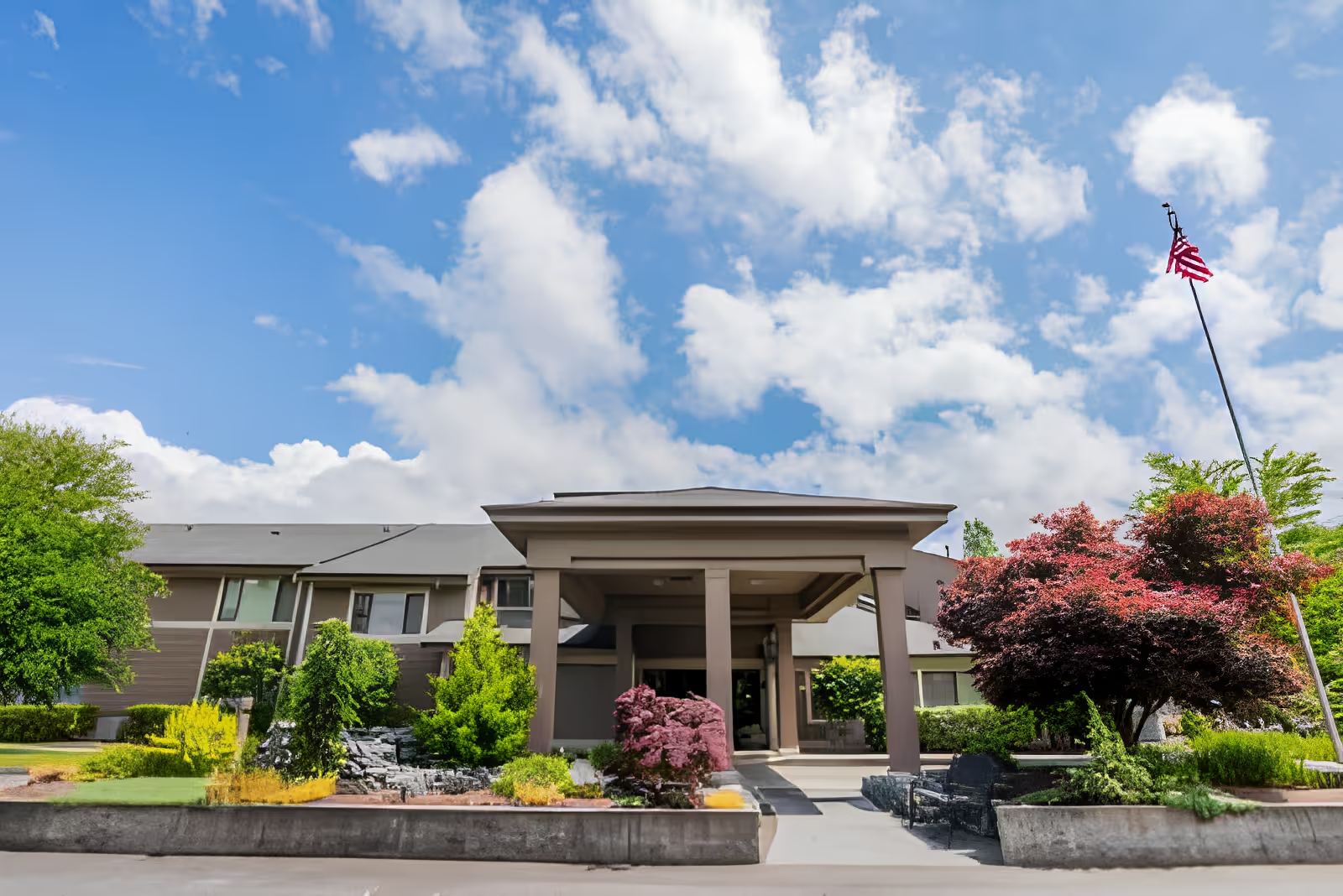
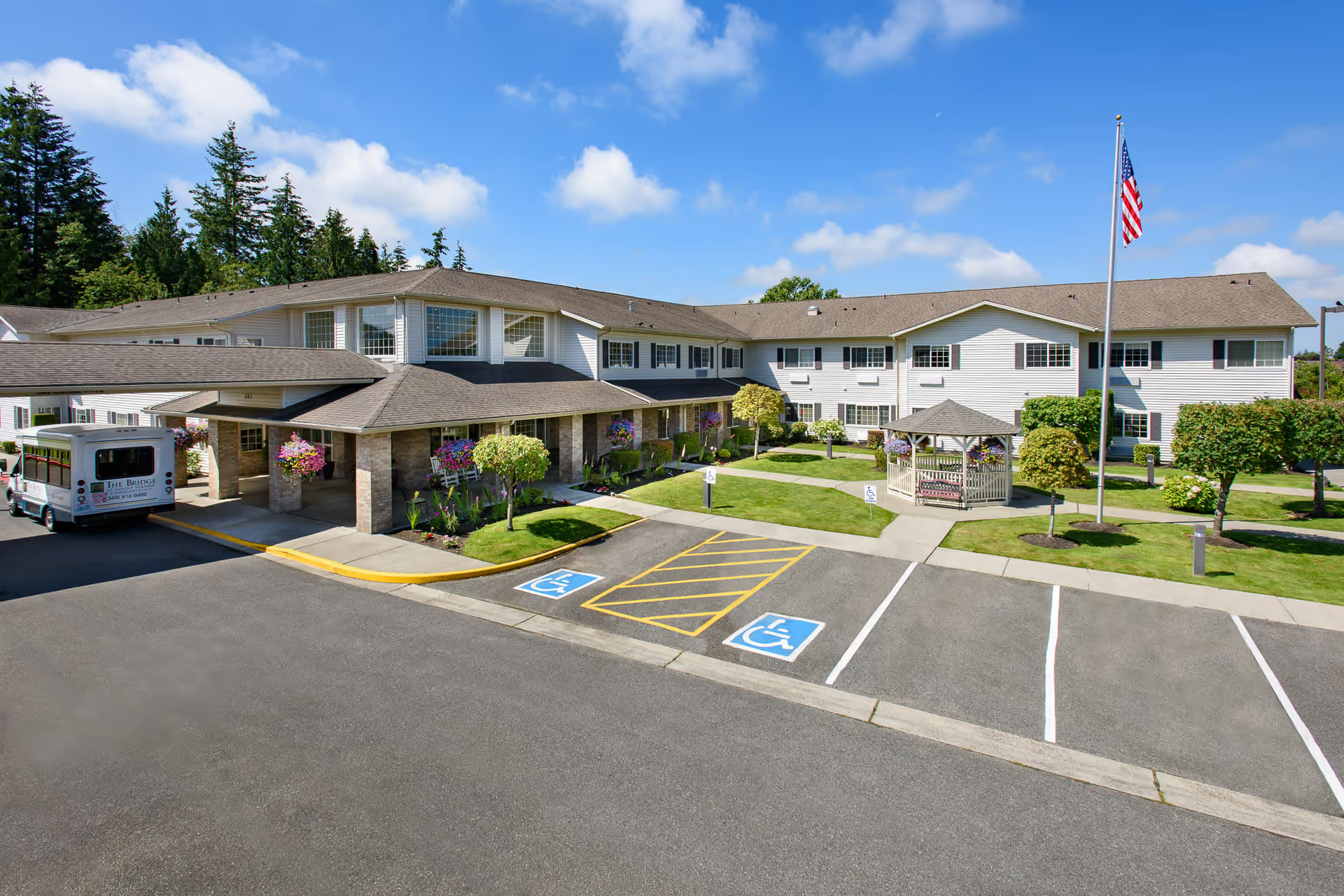
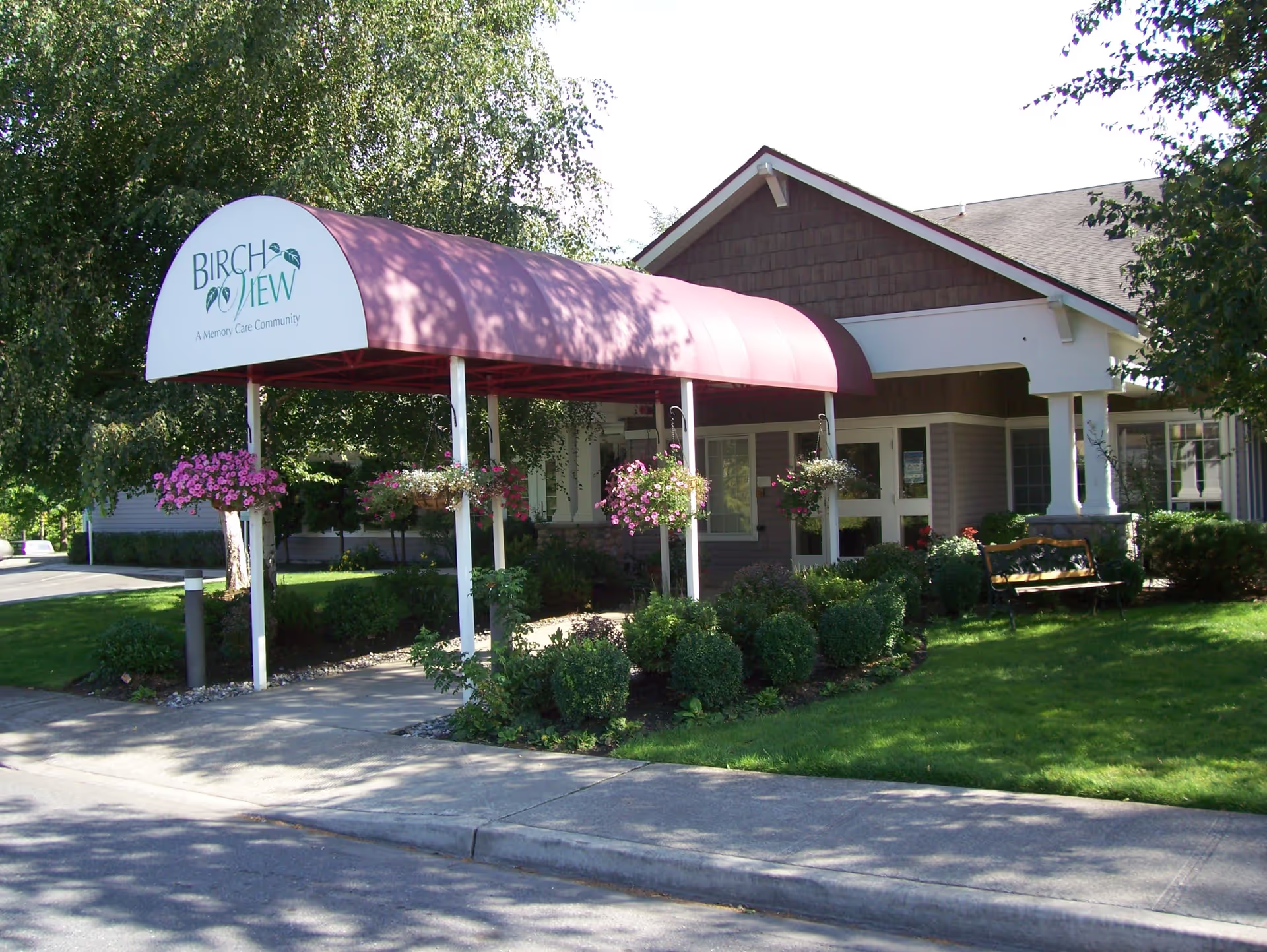
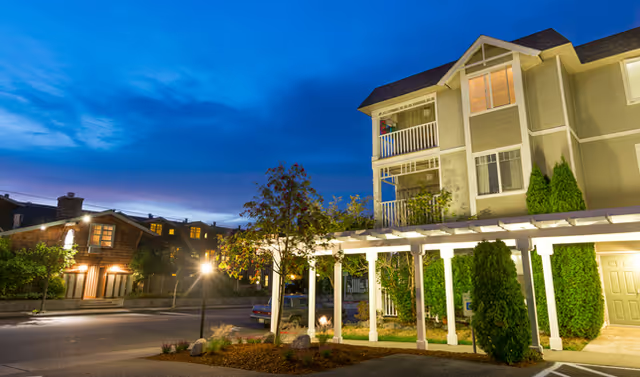
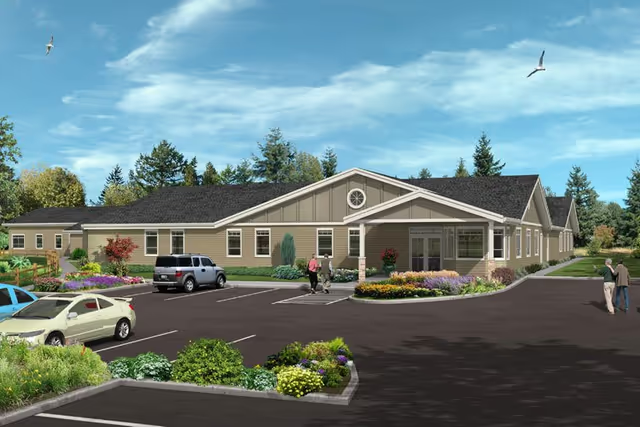
Creekside Continuing Care Community presents as a well-appointed, campus-style provider with a broad continuum of care — independent living, assisted living, and memory care — and a range of on-site amenities. Positive commentary centers on compassionate, person-focused caregiving; a warm admissions experience; clean, bright interior spaces; and abundant resident programming. The campus and cottages are frequently described as attractive, with multiple courtyards, garden areas, and a variety of apartment sizes, some with kitchenettes and attached garages. Families and residents commonly praise the dining venues (main dining room plus smaller restaurant-style options), the generous portions and fresh produce, and attentive dining staff who offer customization and allergy accommodations.
Care and staffing show a mixed picture. Many reviewers highlight individual caregivers and CNAs as warm, attentive, and knowledgeable; others raise concerns about inconsistent staffing levels, high turnover, and limited clinical oversight at certain times. Several comments point to the absence or limited availability of an on-site RN and slower-than-expected responses to call lights or urgent needs. There are also recurring concerns about medication administration and handoffs, which families identified as an operational weakness rather than isolated incidents.
Dining and activities are strengths for many residents. The facility offers organized calendars, frequent exercise classes, bus outings, social events (bingo, movie nights, themed parties), and amenities such as a library, puzzle room, and theater. These programs contribute to a lively, communal atmosphere. At the same time, some reviewers described variable meal quality on occasion and instances where particular menu items ran out; a few also wished for more outdoor programming that better leverages the campus courtyards.
Facility upkeep and operations are generally viewed positively inside the buildings, with praise for housekeeping and clean common areas. However, maintenance responsiveness appears uneven — interior repairs are often handled promptly while exterior maintenance and deferred projects (painting, some cottage repairs) were noted as delayed. Laundry and linen handling have been cited as inconsistent in a subset of accounts, and families reported occasional missing items or delayed returns.
Management, billing, and communication emerge as notable patterns of concern. Several families described unclear or opaque billing practices, complex a la carte charges, and slow resolution of billing inquiries, including matters raised after a resident’s death. Communication gaps extend to management responsiveness and escalation pathways; front-desk coverage and weekend leadership availability were raised as operational limitations in some cases. In memory-care areas, there are operational concerns about door-alarm reliability and supervision that families regarded as safety-related system gaps rather than single events.
Overall, Creekside offers many attributes attractive to prospective residents: a welcoming culture, diverse programming, solid dining options, and a well-kept campus with continuum-of-care services. Prospective residents and family members should weigh those strengths against recurring operational themes — staffing consistency, clinical oversight, billing transparency, and management responsiveness — and discuss these topics explicitly during tours and contract review. Asking about RN coverage, emergency-response metrics, maintenance schedules, billing practices, and memory-care safety protocols will help families align expectations with the facility’s current operating patterns.