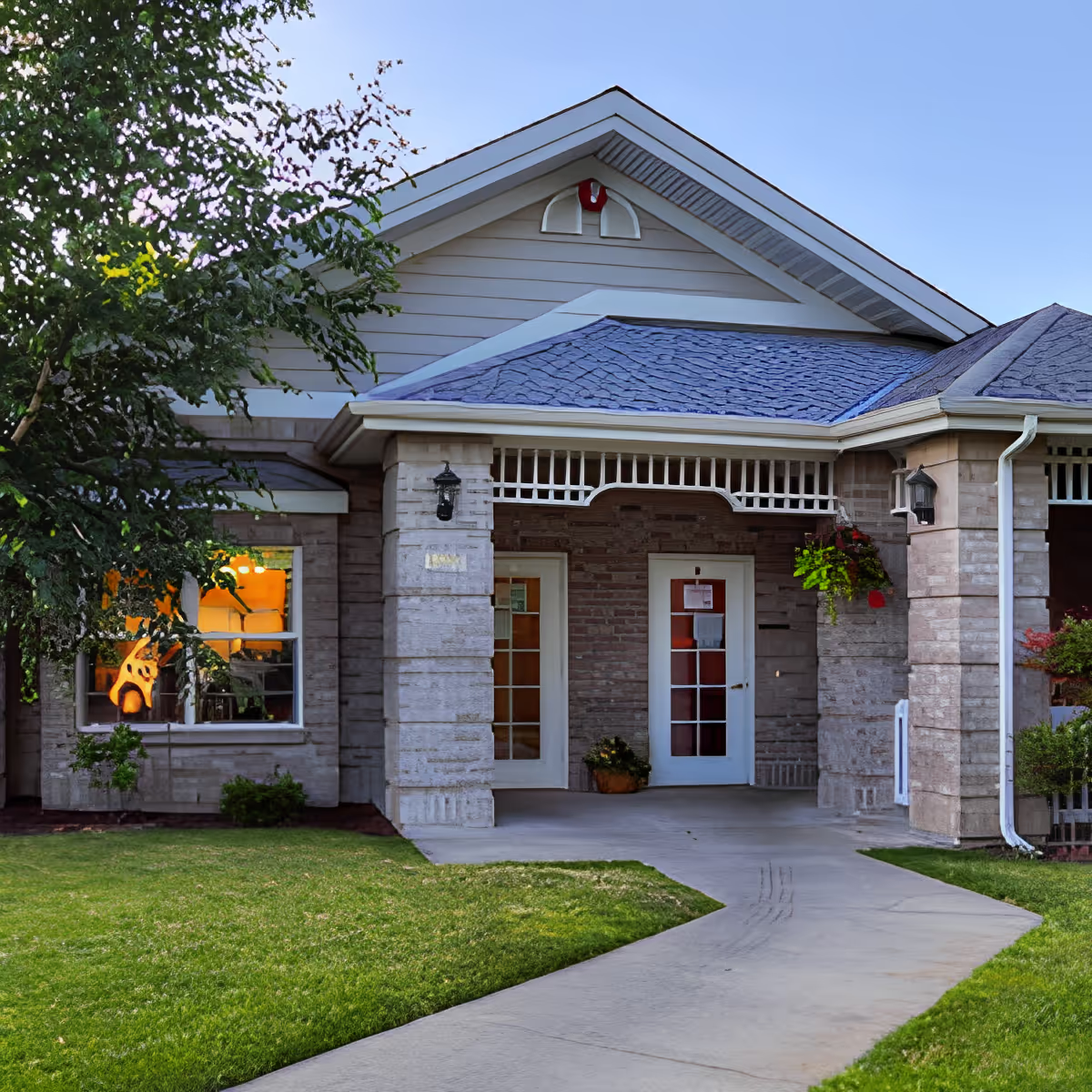
The reviews for Ovenell Home Assisted Living are polarized, with distinct positive impressions of the social environment and frontline staff contrasted by substantive operational concerns. Several reviewers describe a warm, homelike setting where residents appear friendly and staff interactions are characterized as kind and welcoming. Those positive comments emphasize the facility’s communal atmosphere and the personable nature of many employees and residents.
Care quality observations are mixed. Positive remarks about individual staff members’ demeanor coexist with clear concerns about clinical oversight: reviewers indicate there is no on-site licensed nurse and raise questions about caregiver training. These points suggest gaps in clinical supervision and caregiver competency that could affect medication management, care planning, or responses to changing health needs. At the same time, citations of caring staff behavior indicate that interpersonal bedside interactions may be a relative strength despite those clinical oversight gaps.
Dining and activities were common areas of complaint. Meal quality is described as inconsistent or unsatisfactory in a number of accounts, indicating weaknesses in menu planning, preparation, or consistency of service. Activity programming is also portrayed as limited or absent, implying a need for more structured, regular social and recreational offerings to support residents’ engagement and well-being.
Facility- and environment-related issues include specific concerns about room cleanliness and persistent odor in resident rooms. A permissive pet policy—dogs allowed in rooms around the clock—was identified as affecting room environments and may intersect with sanitation and comfort for some residents. Conversely, the homelike characterization by other reviewers suggests that communal spaces or overall décor can be perceived positively despite these issues.
Management and oversight emerge as a recurring theme. Reviewers express concerns about management communication and staff supervision, which, combined with the clinical and training gaps noted above, point to systemic operational weaknesses rather than isolated incidents. Those patterns suggest the facility would benefit from clearer clinical staffing policies (including on-site licensed nursing or stronger nurse oversight), formalized caregiver training, standardized cleaning protocols, a reviewed pet policy, improved meal planning, and more consistent activity schedules.
For prospective residents and families, the main takeaways are the facility’s strengths in social atmosphere and interpersonal warmth, set against operational and clinical concerns that warrant direct questions during a tour—particularly about nursing coverage, staff training and supervision, cleaning routines, dining menus, activity schedules, and pet-management policies. These targeted inquiries can help determine whether the facility’s strengths align with an individual resident’s care and lifestyle needs.