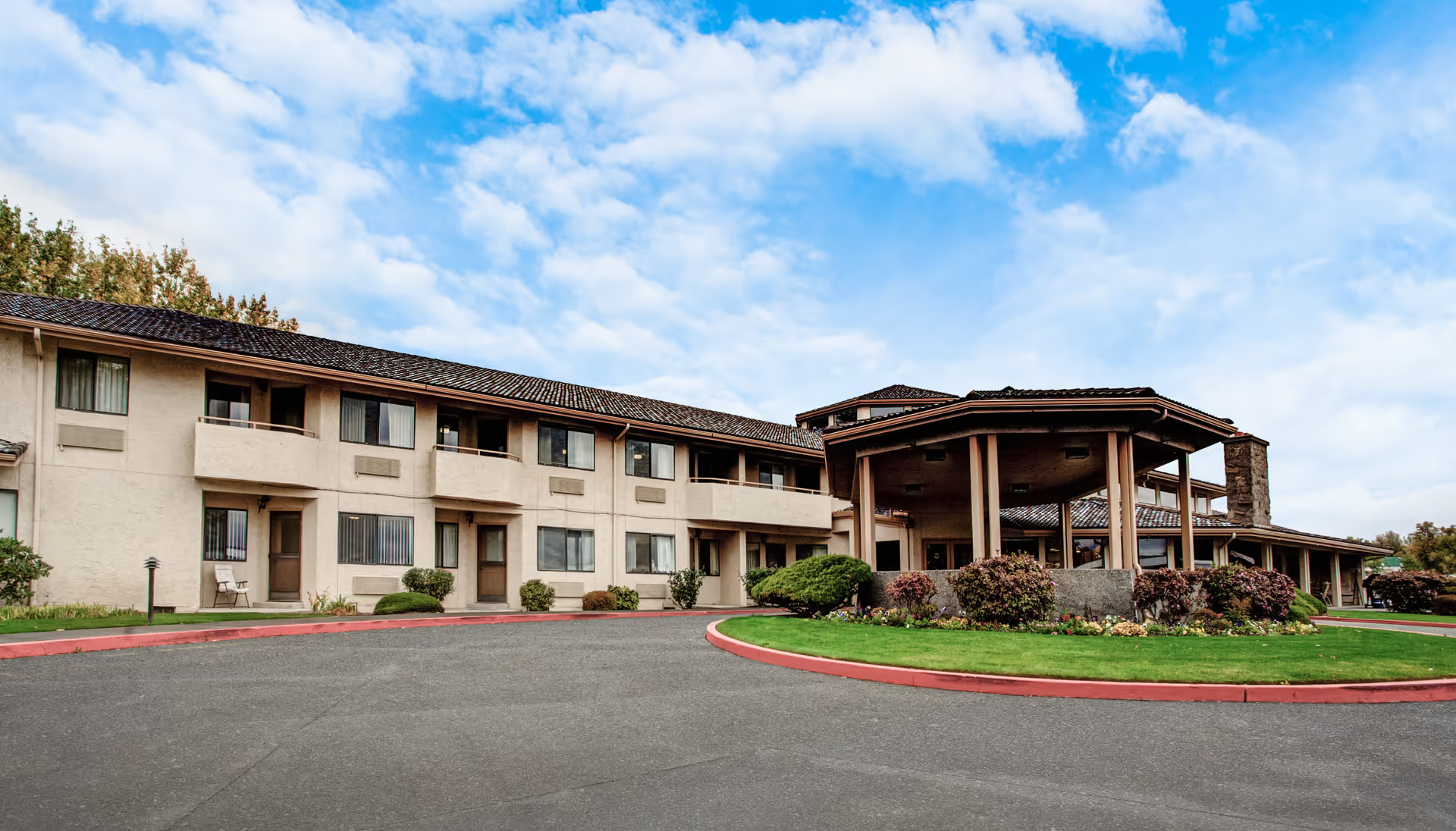
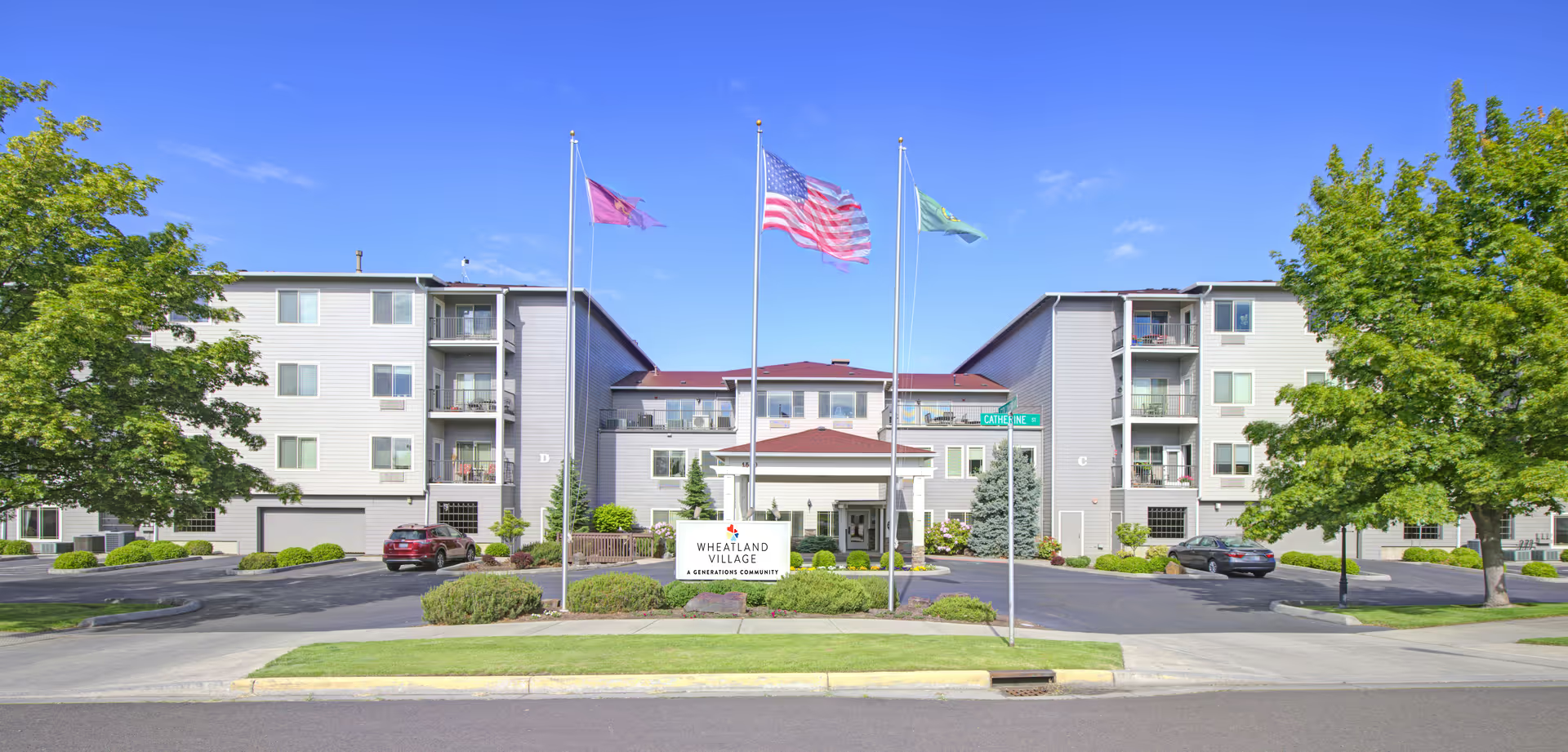
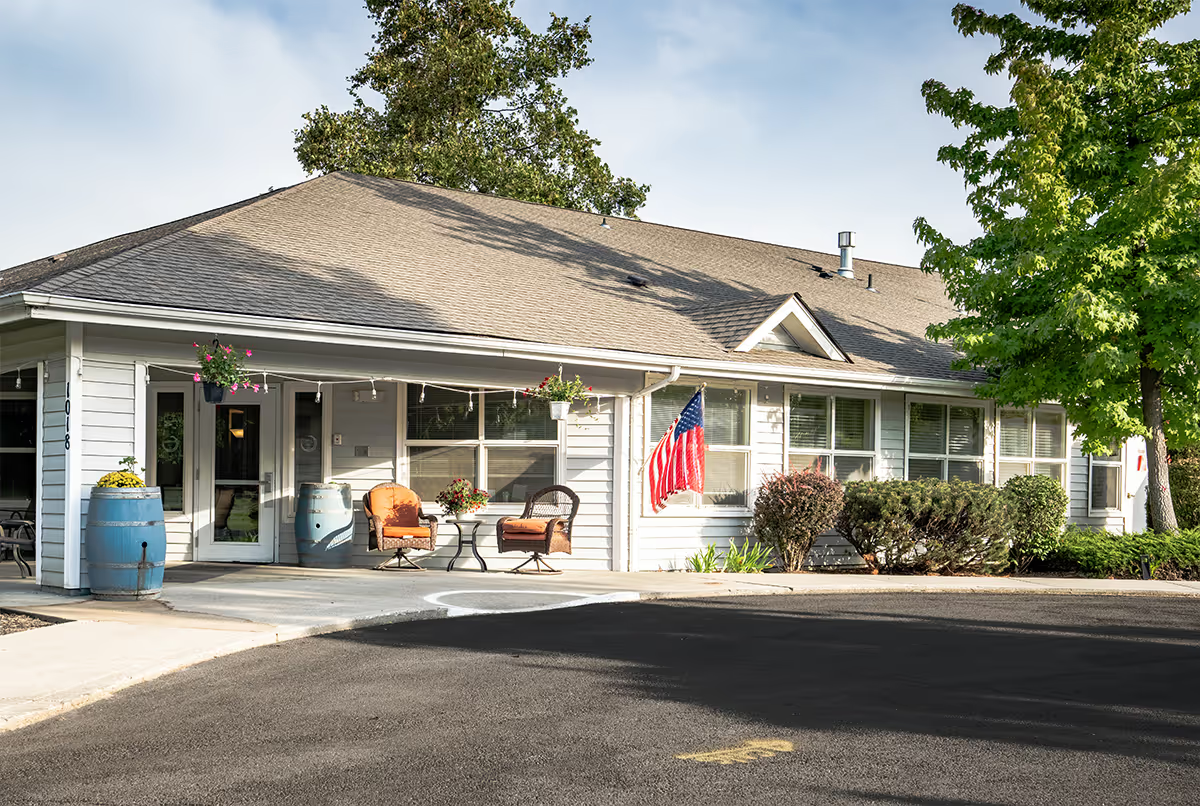
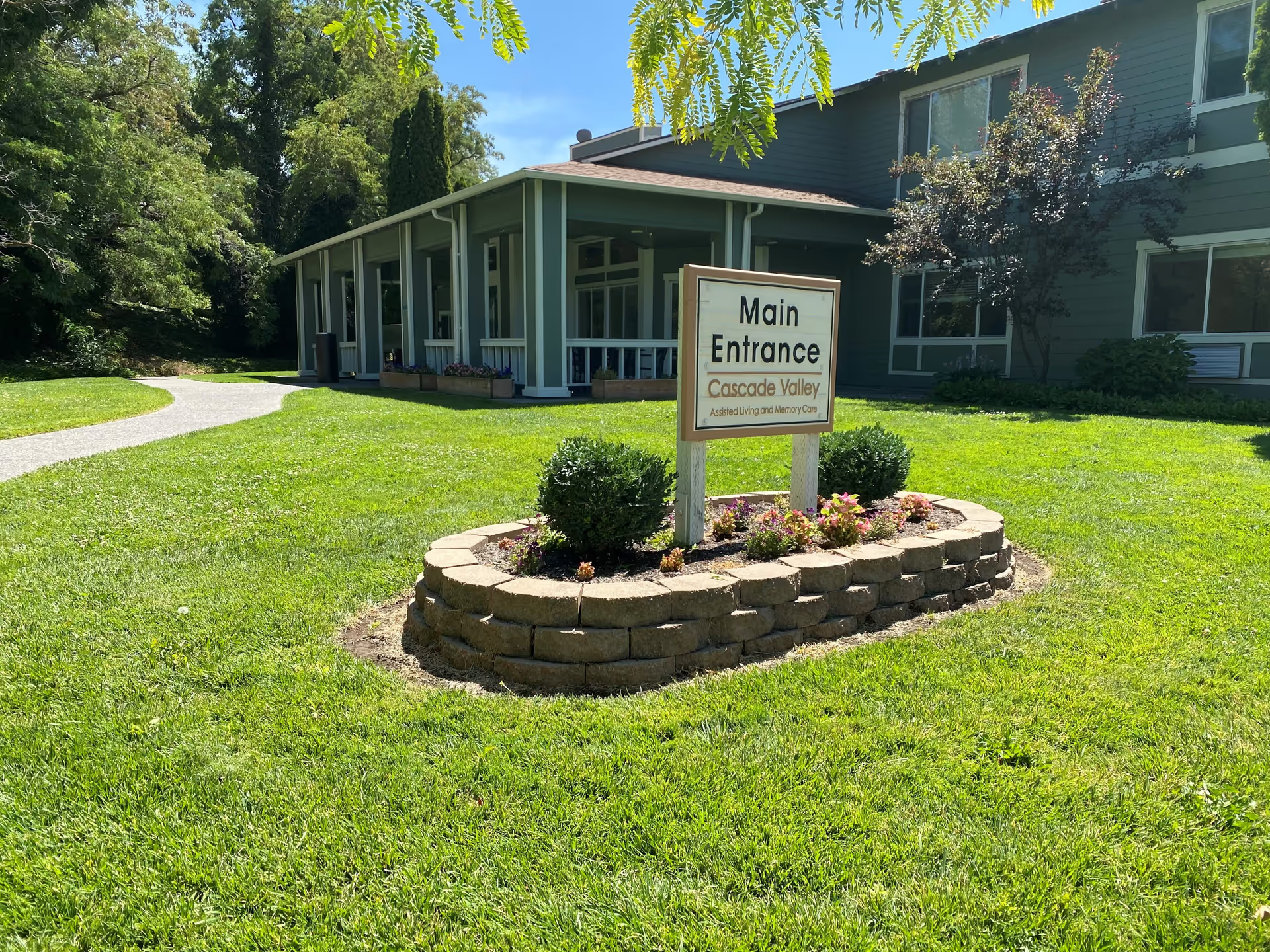
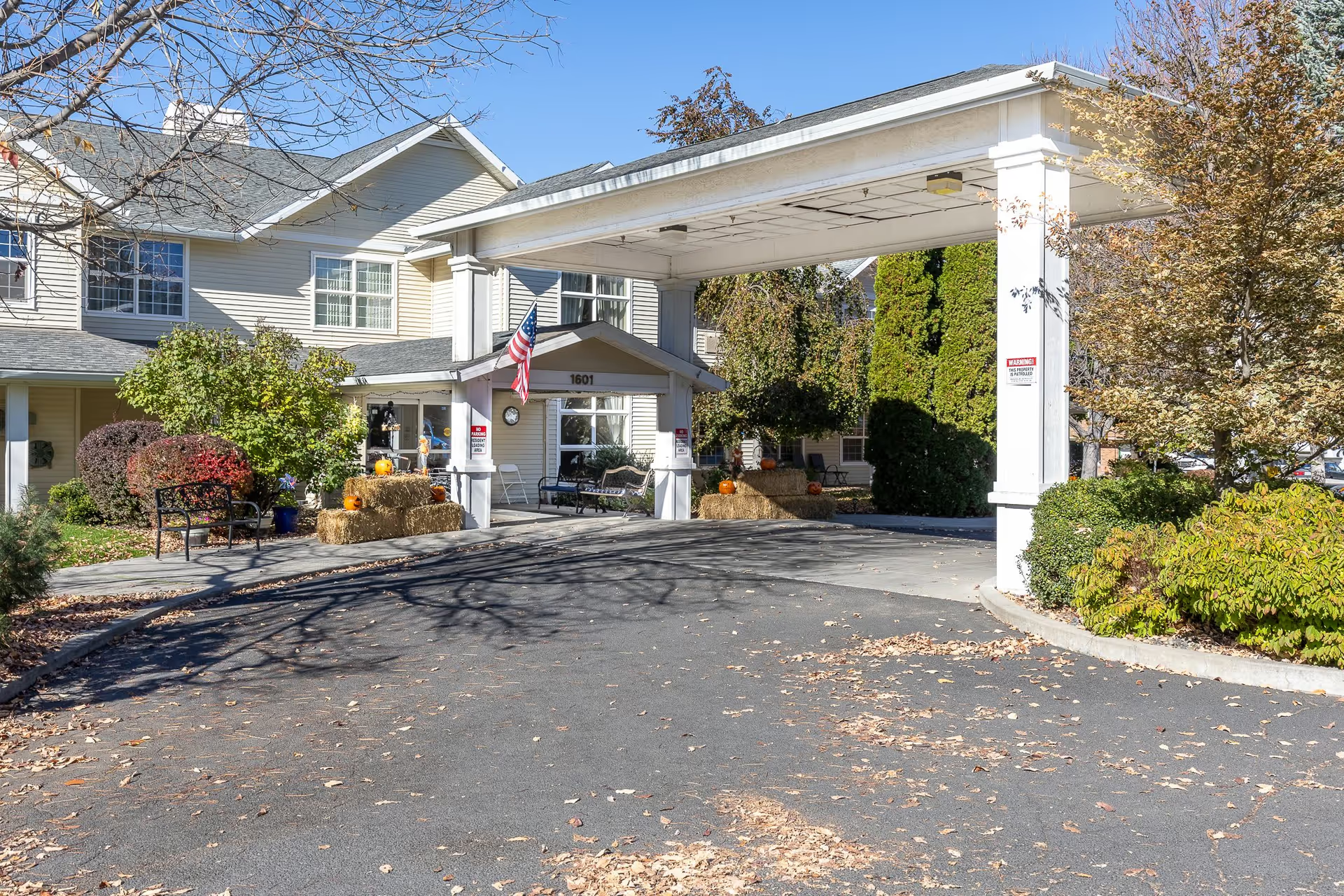
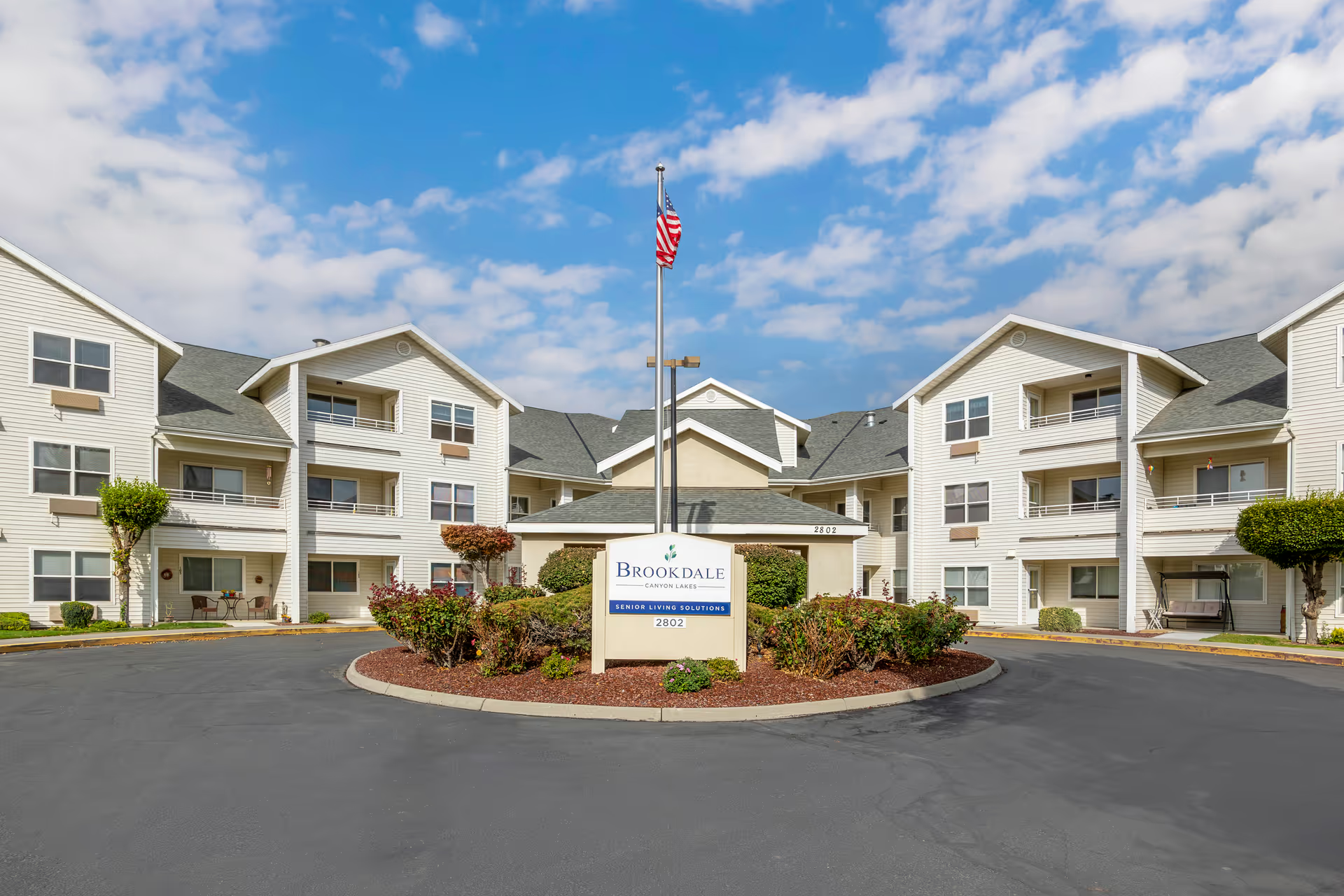
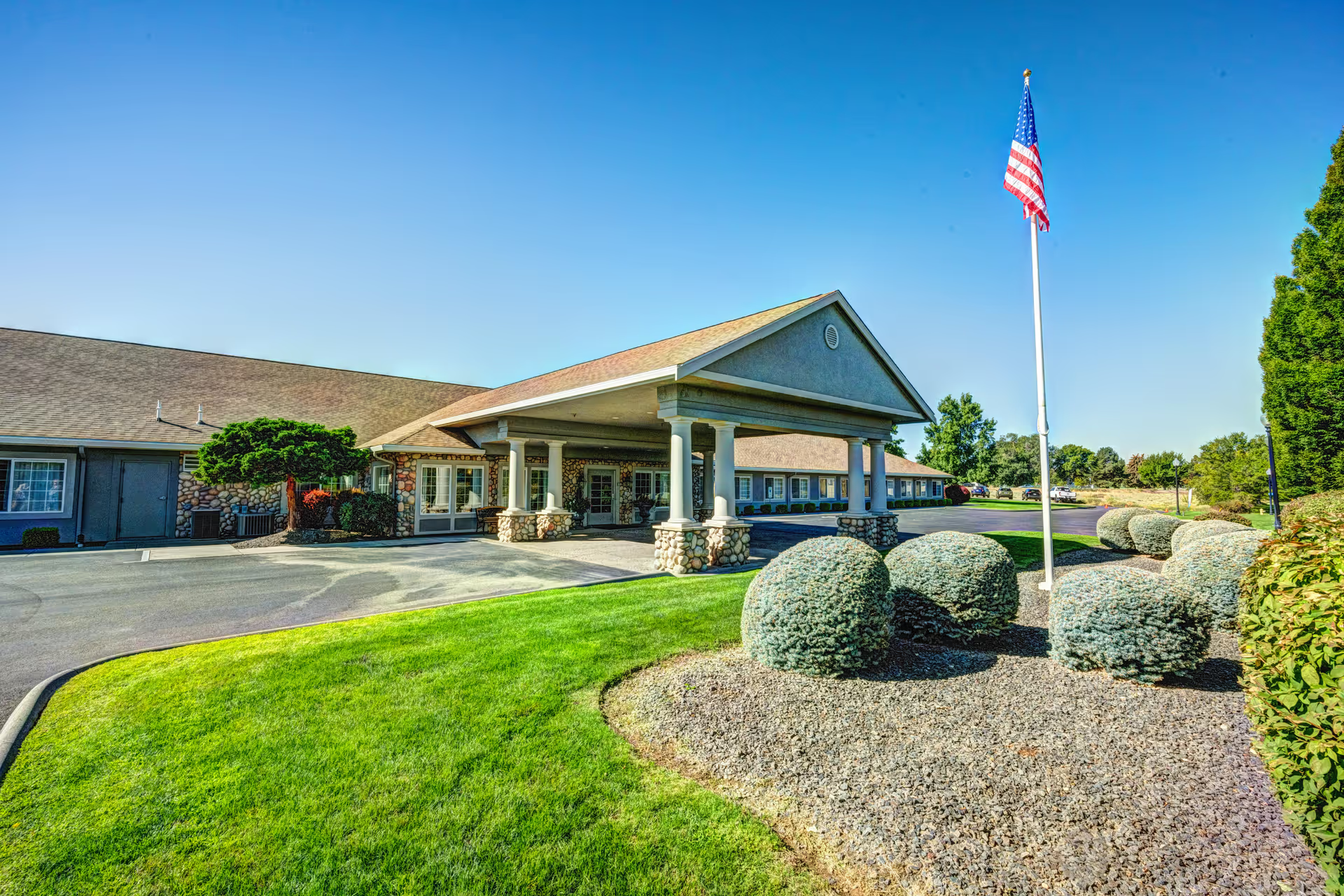
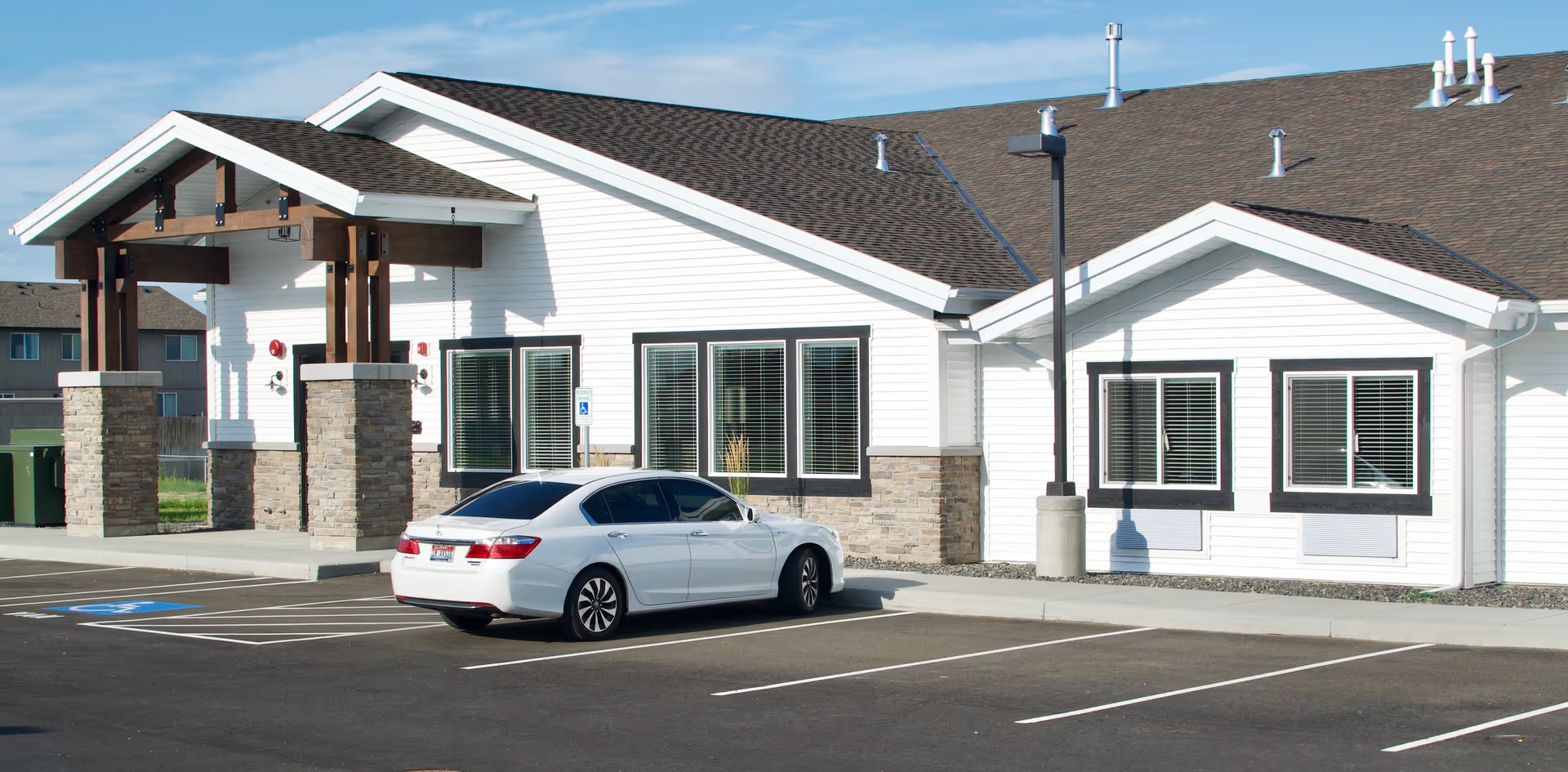
Eagle Springs Memory Care elicits strongly mixed impressions. Many families highlight compassionate, attentive caregiving, with staff described as kind, responsive, and engaged in routine personal care tasks such as bathing, hair care, and medication/insulin administration. Multiple accounts emphasize effective transition support and ongoing wellness checks and resident monitoring, which families found reassuring after prior negative placement experiences. The community offers structured activities (dominoes, bingo, arts, storytelling) coordinated by an active activities director, along with communal spaces, outdoor areas, and homestyle meals prepared on-site. The facility’s all-inclusive fee structure covering housing, utilities, meals, housekeeping, laundry, linens, care, and maintenance is frequently noted as convenient, and some reviewers call out specific staff members and an admissions team who facilitated smooth moves and continuity of care.
At the same time, a subset of reviewers describe operational shortcomings that affect care consistency. The most recurrent operational themes are inconsistent staffing levels and coverage and gaps in clinical-incident response and family communication. These patterns are linked in accounts to delayed attention after falls, incomplete information provided to families about injuries, and what families perceive as insufficient follow-up after serious events. Related concerns include medication-communication issues (medications instituted or changed without adequate family notification) and nutrition-related decline, including unexplained weight loss in some residents.
There are also concerns about staff conduct and communication tone noted alongside positive assessments of other employees; this variability suggests uneven performance across shifts or roles. A small number of reviews raise serious privacy- and consent-related allegations, and some families referenced involvement of external authorities in specific incidents. While these appear to be individual high-severity reports rather than a uniformly described pattern, they are significant enough that prospective families may want to inquire about policies, documentation, and any regulatory follow-up during touring conversations.
On the amenity side, reviewers generally appreciate the communal areas and the availability of activities, but note that resident participation can be uneven and that conversational one-on-one engagement may be limited for some residents. Facility maintenance is usually characterized as adequate and the environment as safe and comfortable, though intermittent odor concerns in common areas and relatively small, dimly lit private rooms were noted. Cost is described as higher than some competitors, so families balancing budget and level-of-care priorities may want to request a detailed fee breakdown and compare services.
Practical recommendations for prospective families: ask for staffing ratios by shift and the frequency of nurse coverage, request a copy of the medication-consent and incident-notification policies, tour multiple resident rooms to assess light and size, observe or inquire about typical activity participation, and ask how the community documents and communicates clinical incidents and family outreach. These targeted questions will help clarify whether the facility’s strengths in personalized care and activities align with an individual resident’s safety and monitoring needs.