Overall impression: Callaway Gardens Alzheimer’s Special Care is frequently characterized by families as a dementia-focused, home-like community with a strong emphasis on compassionate, trained caregiving. The facility’s long-tenured staff and low turnover are repeatedly cited as a stabilizing factor that supports continuity of care and familiarity between residents and caregivers. Reviewers consistently highlight the staff’s dementia expertise, proactive nursing support, and an environment that aims to preserve dignity and individualized care plans.
Care and staff: The dominant pattern across summaries is praise for caregiving staff and nursing leadership. Staff are described as knowledgeable, kind, and dedicated; many reports note strong nurse involvement, access to RNs, and coordination with medical practitioners. Management and clinical leadership are often described as responsive — assisting with hospital transfers, coordinating hospice support, and maintaining communication with families. However, there are intermittent concerns about inconsistent responsiveness or conduct from some direct-care staff and a few mentions of medication-management issues; these suggest variability in day-to-day staff performance rather than a uniform operational failure.
Dining and activities: Dining receives favorable remarks for variety, quality, and value. Meals are often described as enjoyable and well-prepared, with snack options and an appealing menu. Activities programming is another consistent strength: residents participate in engaging daily activities, gardening and landscaping projects, and family-inclusive events. The activities director and resident-led outdoor work are singled out as contributors to a purposeful, social atmosphere.
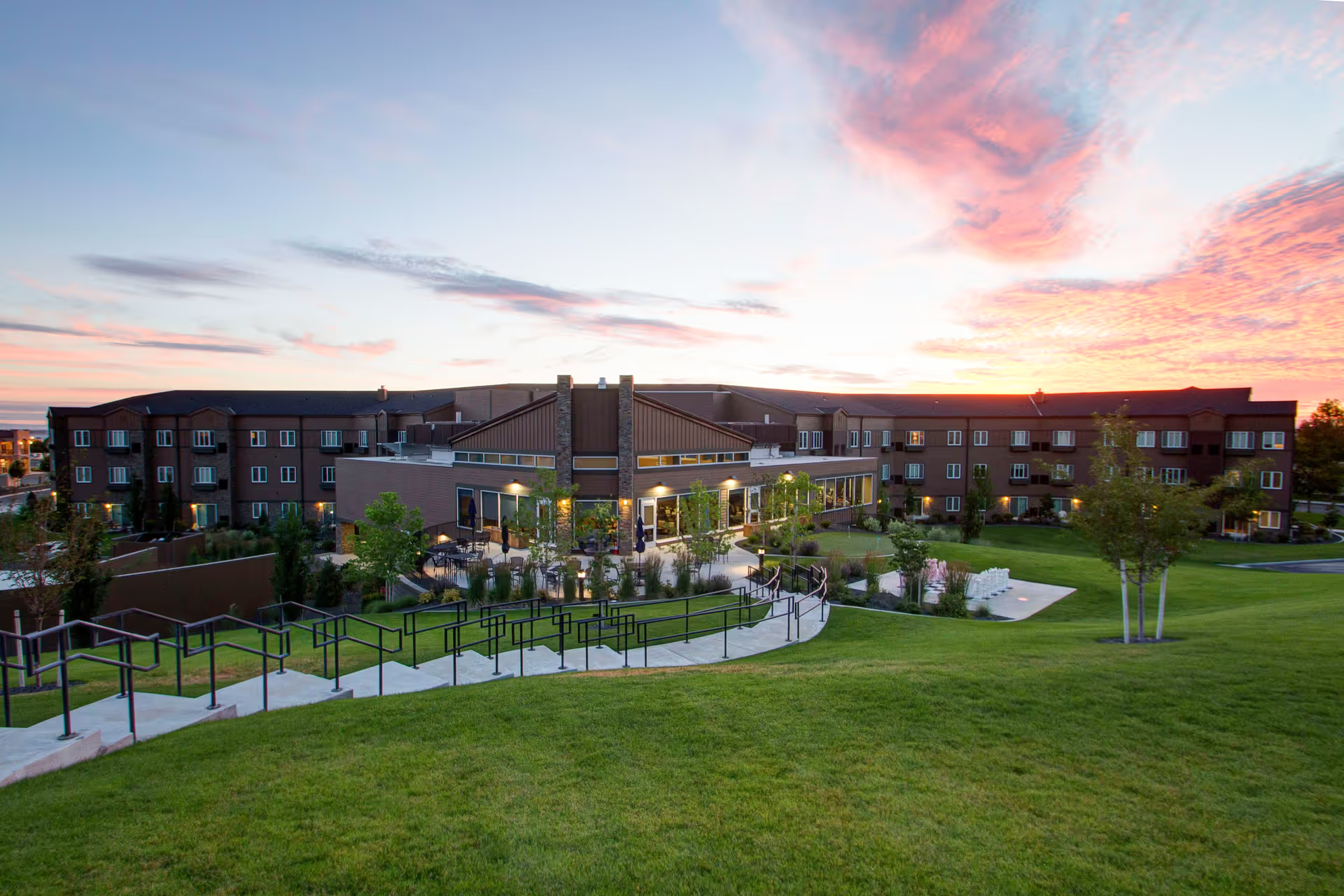
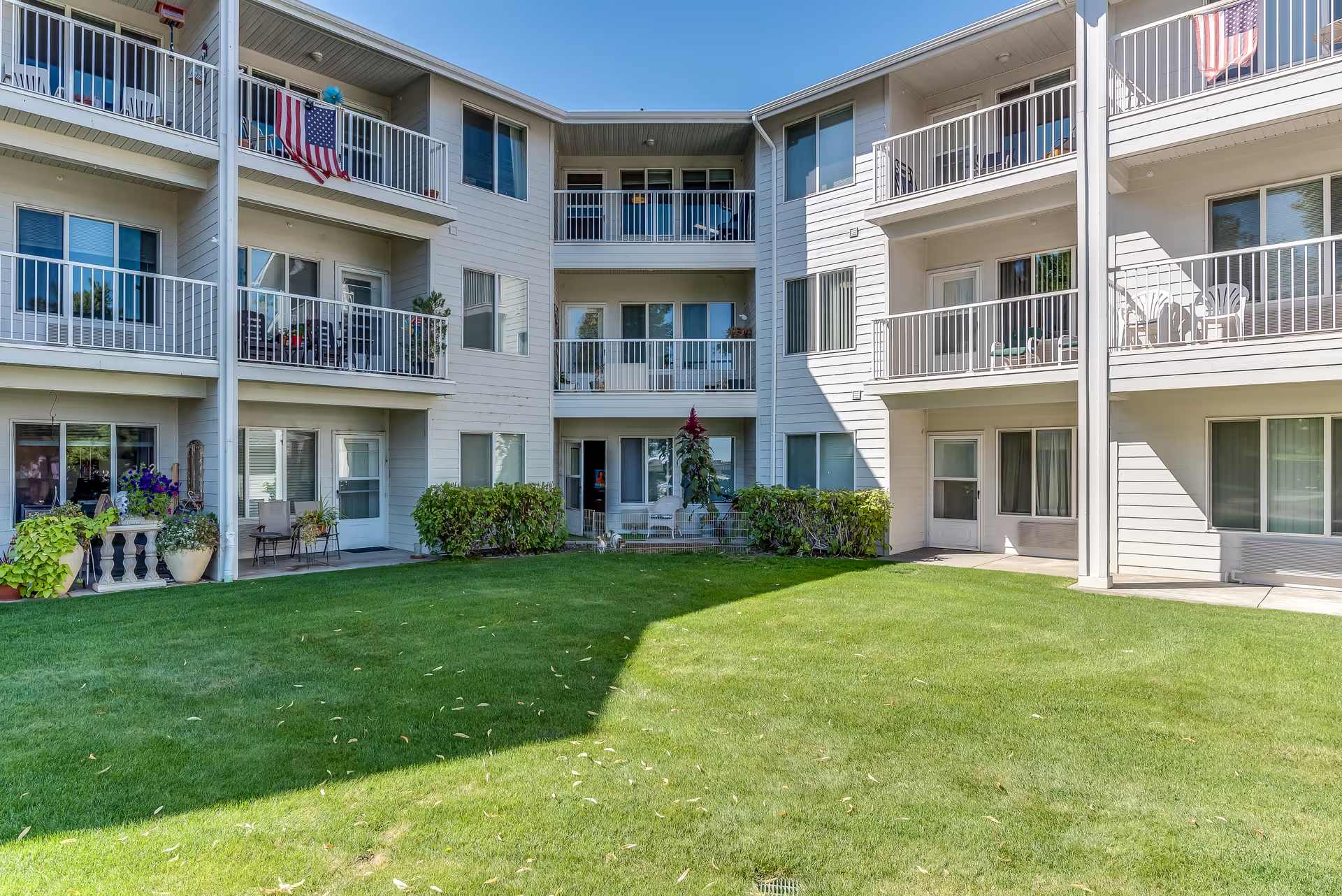
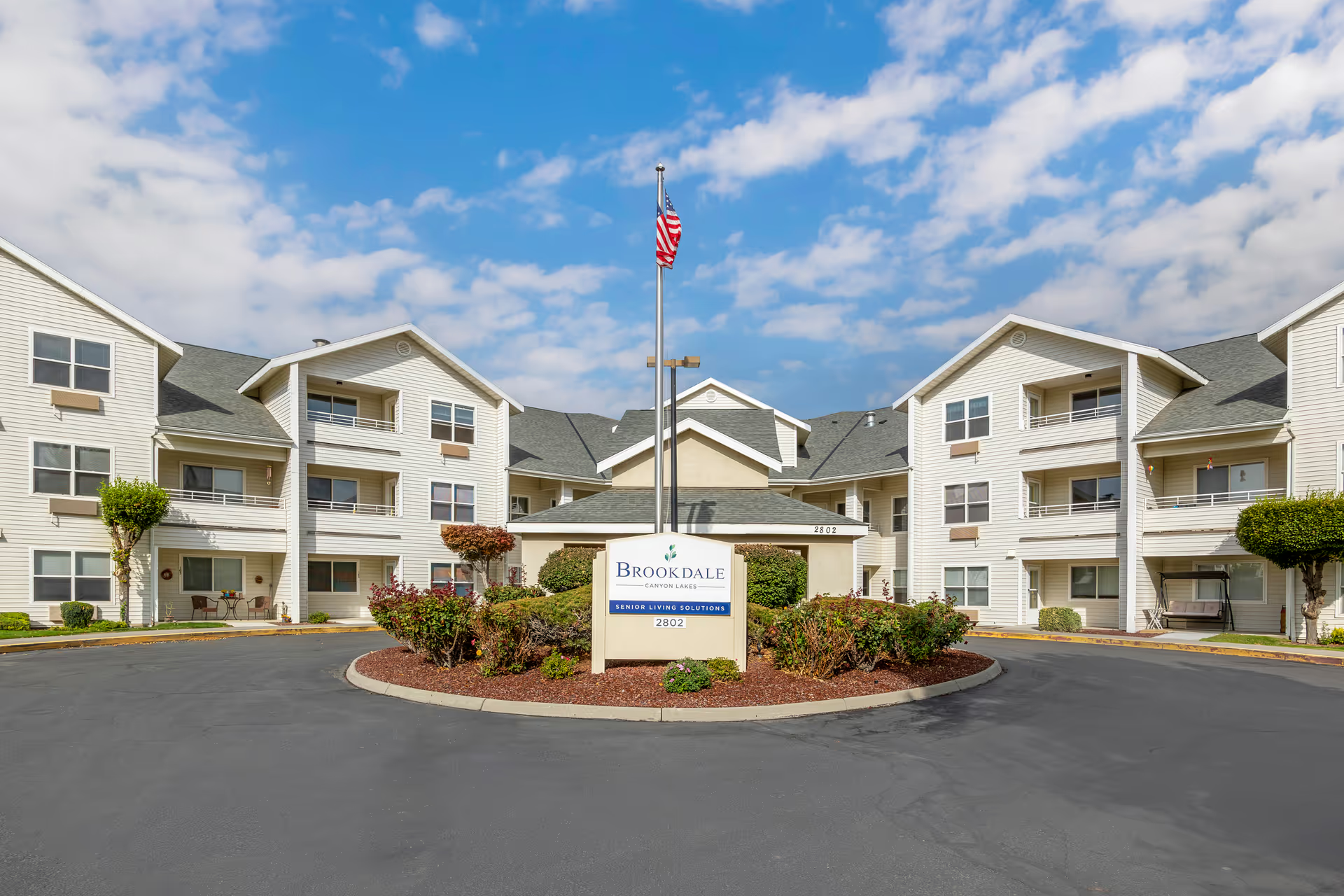
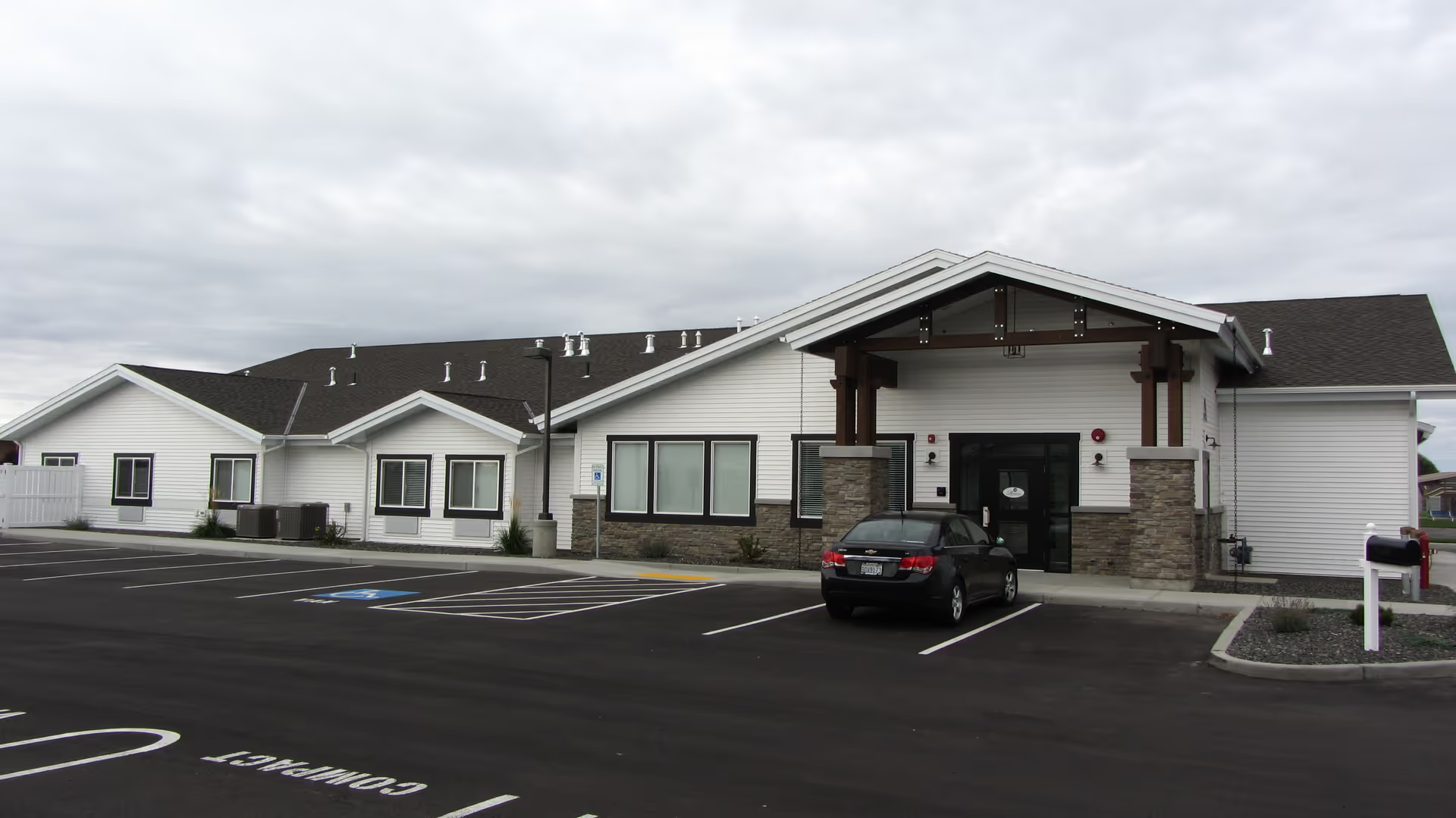
Facilities and environment: The community is portrayed as clean, well-kept, and home-like, with easy navigation for residents and safe outdoor areas that support therapeutic engagement. Landscaping and outdoor access are particular assets. A minority of accounts describe odor concerns in certain common areas and note that shared-room configurations can limit privacy; these point to localized environmental or configuration issues rather than wholesale facility deterioration.
Management and operational patterns: Administrative responsiveness, low turnover, and continuity of caregivers are recurring positives. The facility’s infection-control approach is described as proactive, although pandemic-era restrictions led to constrained visitation and reduced activity programming at times. Operationally, reviews indicate occasional staffing fluctuations and references to hiring freezes that could affect service consistency. A few comments raise concerns about personal-item handling and missing belongings, which indicate a need for clearer property-management processes.
Notable patterns and trade-offs: The reviews present a largely positive picture centered on dementia expertise, compassionate staff, and a pleasant physical environment. Trade-offs to weigh include occasional inconsistencies in frontline responsiveness, questions around medication practices raised by individual families, privacy limitations when shared rooms are used, and operational effects from staffing variability or infection-control restrictions. Prospective families should consider visiting to assess room configuration and discuss medication, property-handling, and staffing contingency plans with leadership to ensure the community’s strengths align with specific resident needs.