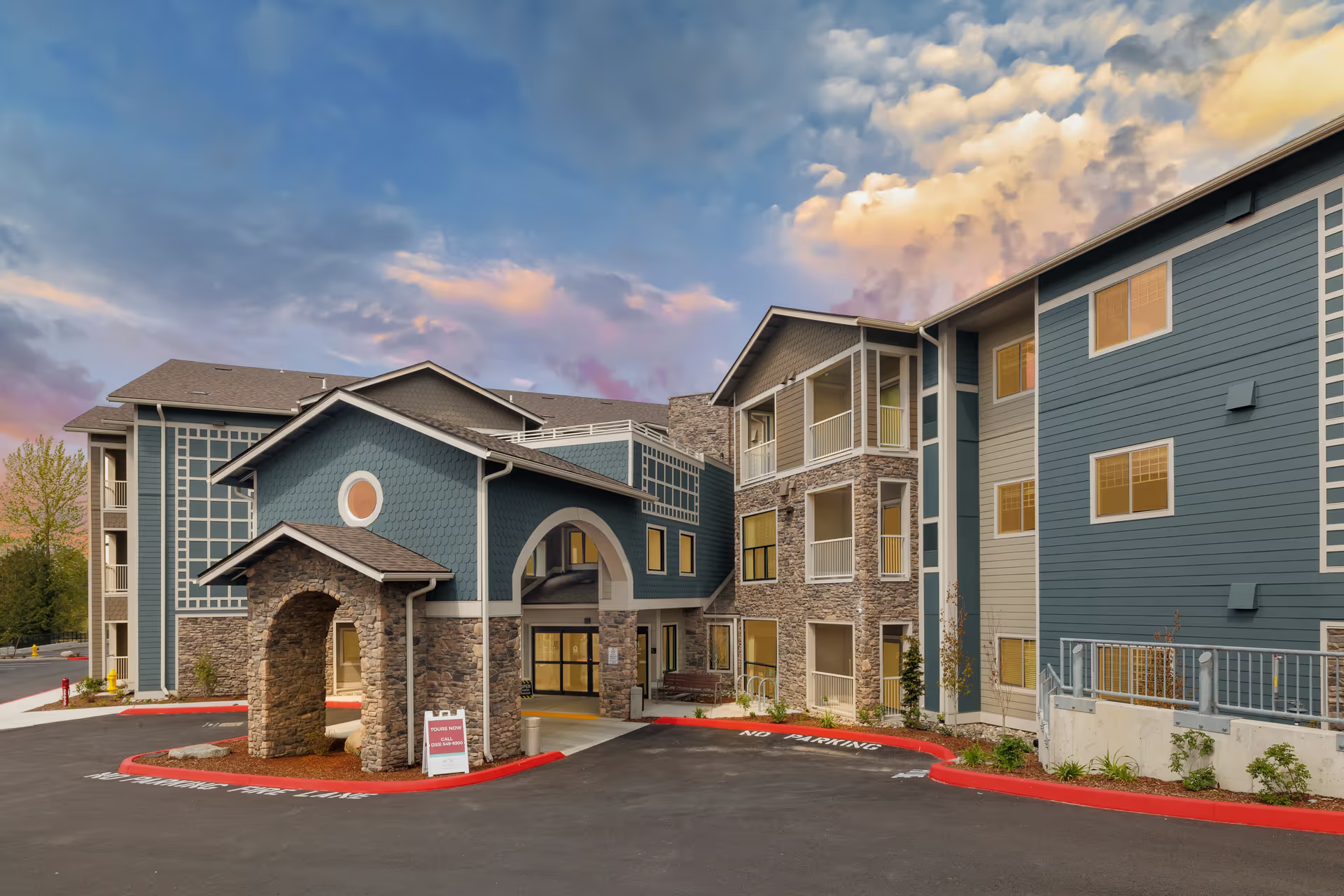
The reviews of Puget Sound Transitional Care describe a facility with a mix of notable clinical strengths and operational inconsistencies. Many families and patients praised the care teams for compassion, respect, and dignity-preserving interactions; several comments emphasize effective nursing, attentive physical therapy, and strong social-work support that facilitate smooth transitions. Rehabilitation outcomes (including post-stroke progress) and therapy effectiveness are consistently highlighted, as are practical strengths such as proficiency with mechanical lifts, thoughtful room preparation at admission, and proximity to dialysis services. Where the facility performs well, reviewers describe a team-oriented culture, a homelike environment, and dining that many find nutritious and satisfying.
At the same time, a number of operational weaknesses recur across the summaries. Staff responsiveness is uneven — delayed responses to call systems and slow attention to needs were mentioned — and there are cleanliness and sanitation concerns in parts of the building, including delayed linen and bathing services and odor concerns in some common areas. Safety-related process gaps were also described: supervision and transfer-safety practices appear inconsistent in certain shifts, and at least some families reported incidents that they felt reflected inadequate monitoring after falls. Medication-management variability and questions about clinical-incident response and family communication are additional themes that prospective families should evaluate.
Management and workforce dynamics present a mixed picture. Several reviewers credit recent leadership changes with improved staffing ratios, a shift toward higher standards, expanded therapies, and a more open, homelike culture. Conversely, other comments point to high turnover, employee-relations problems, and front-desk/administrative unavailability that undermine continuity of care. There are also serious individual allegations in the feedback — including claims of threatening communication and attempted financial exploitation — which suggest the need for careful review of policies, staff conduct standards, and any regulatory history.
For prospective residents and families: the facility demonstrates clear strengths in rehabilitation, compassionate bedside care, and some operational improvements under new management, but there is variability in day-to-day operations that can affect safety, hygiene, and responsiveness. When evaluating this provider in person, consider asking for current staffing ratios and turnover data, reviewing medication-reconciliation and incident-response procedures, inspecting housekeeping and hand-hygiene processes, observing call-button response times, and meeting the therapy and social-work teams. Checking the facility’s most recent regulatory and compliance record and confirming how allegations or incidents are investigated and communicated to families will help form a balanced decision.