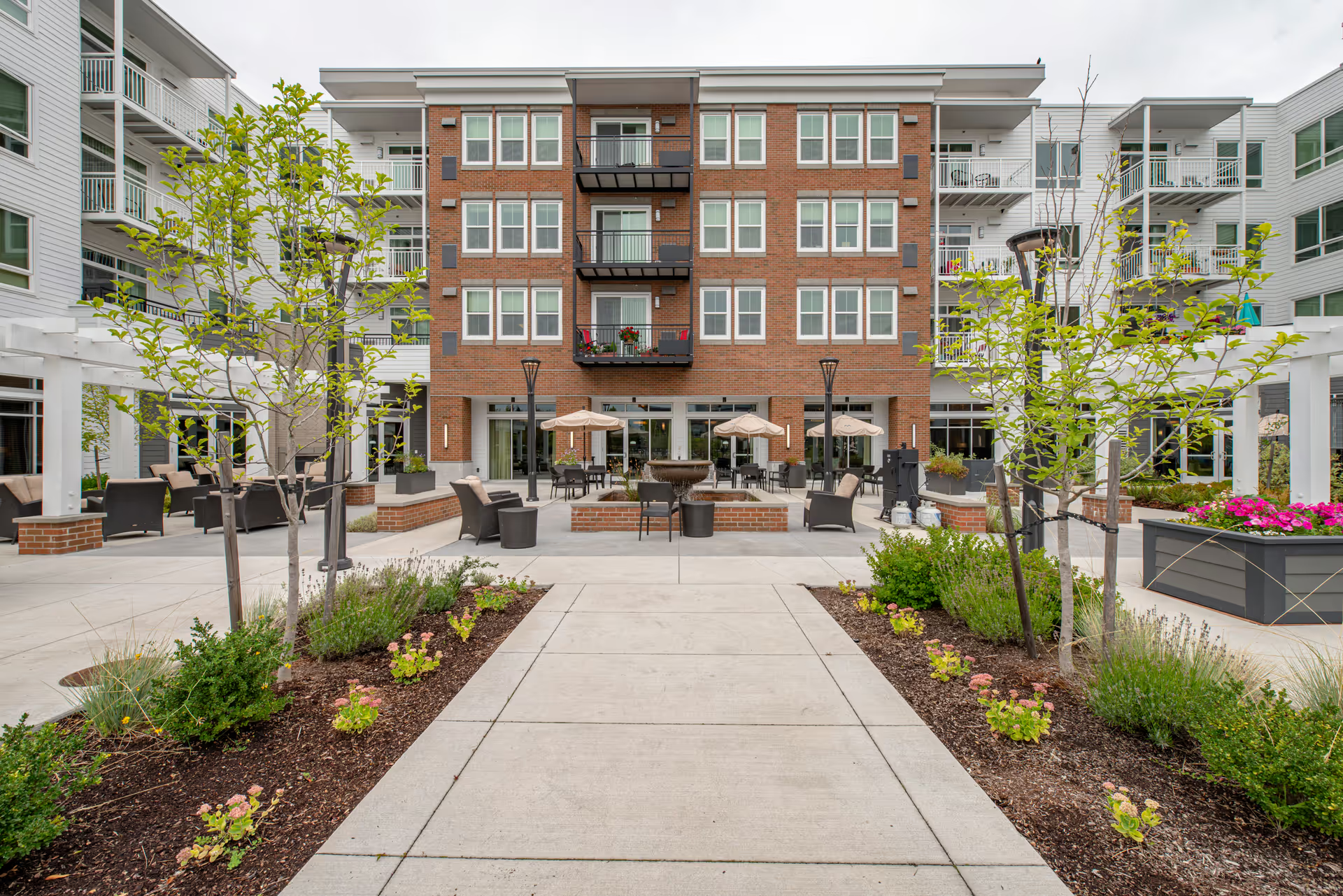
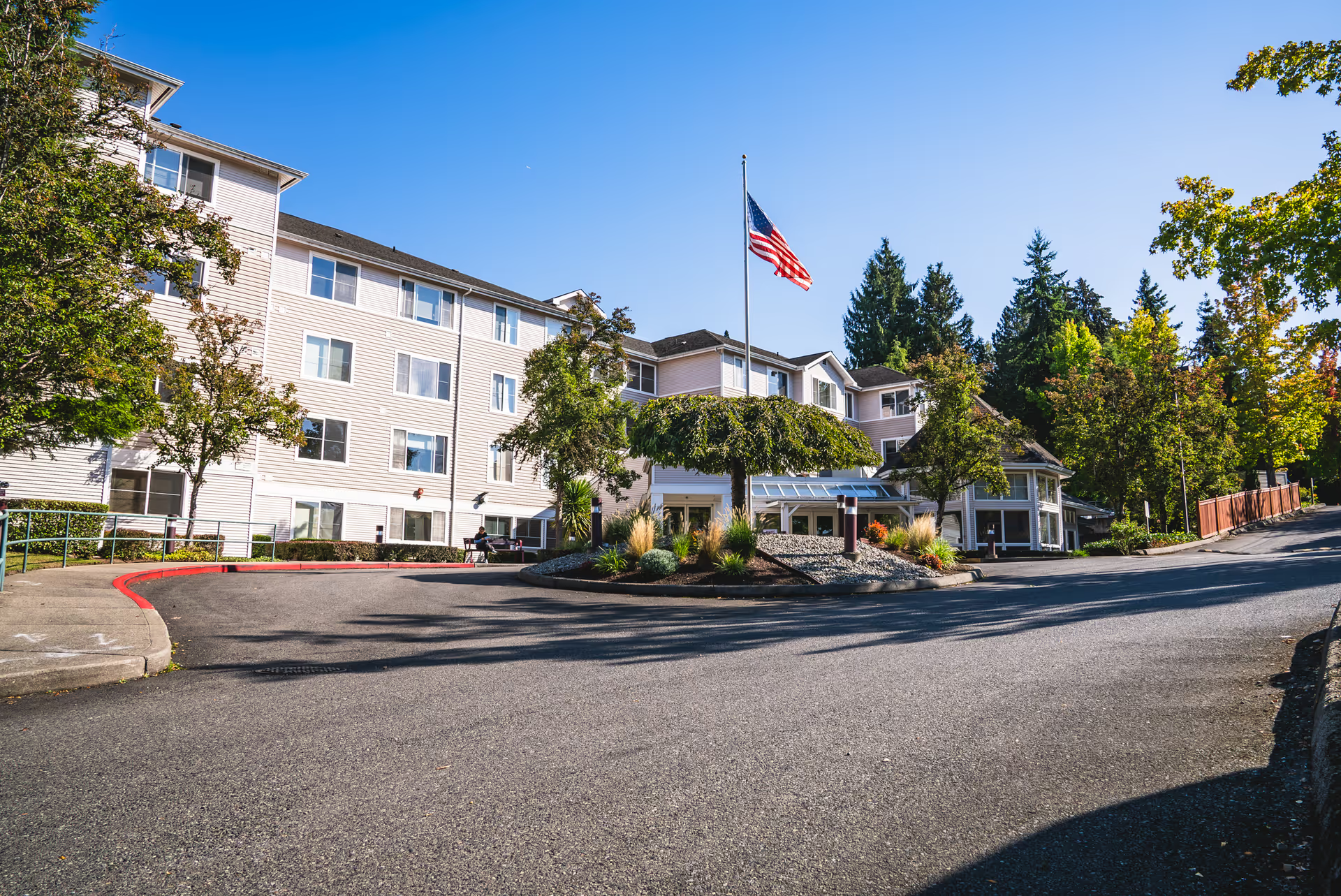
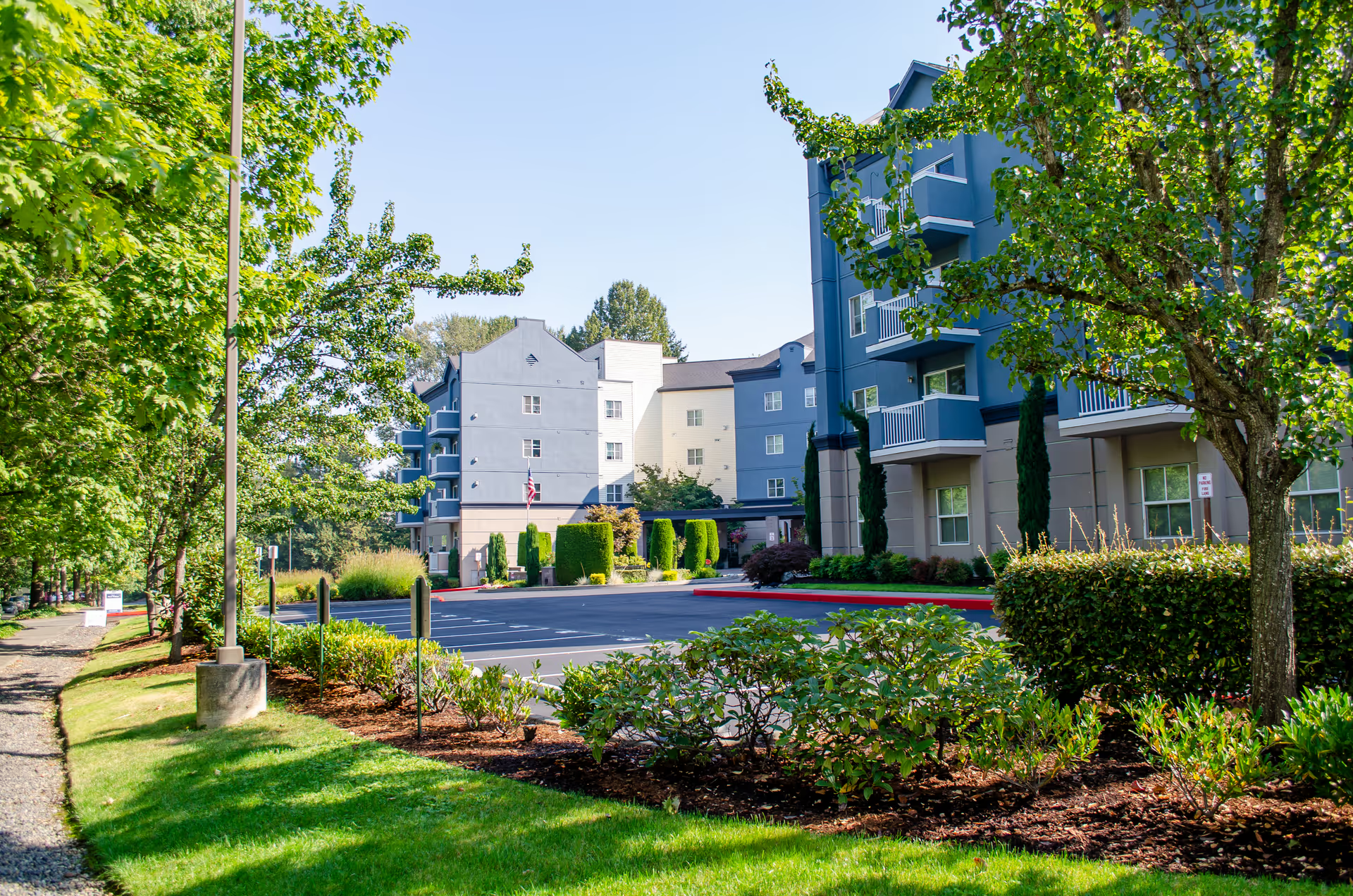
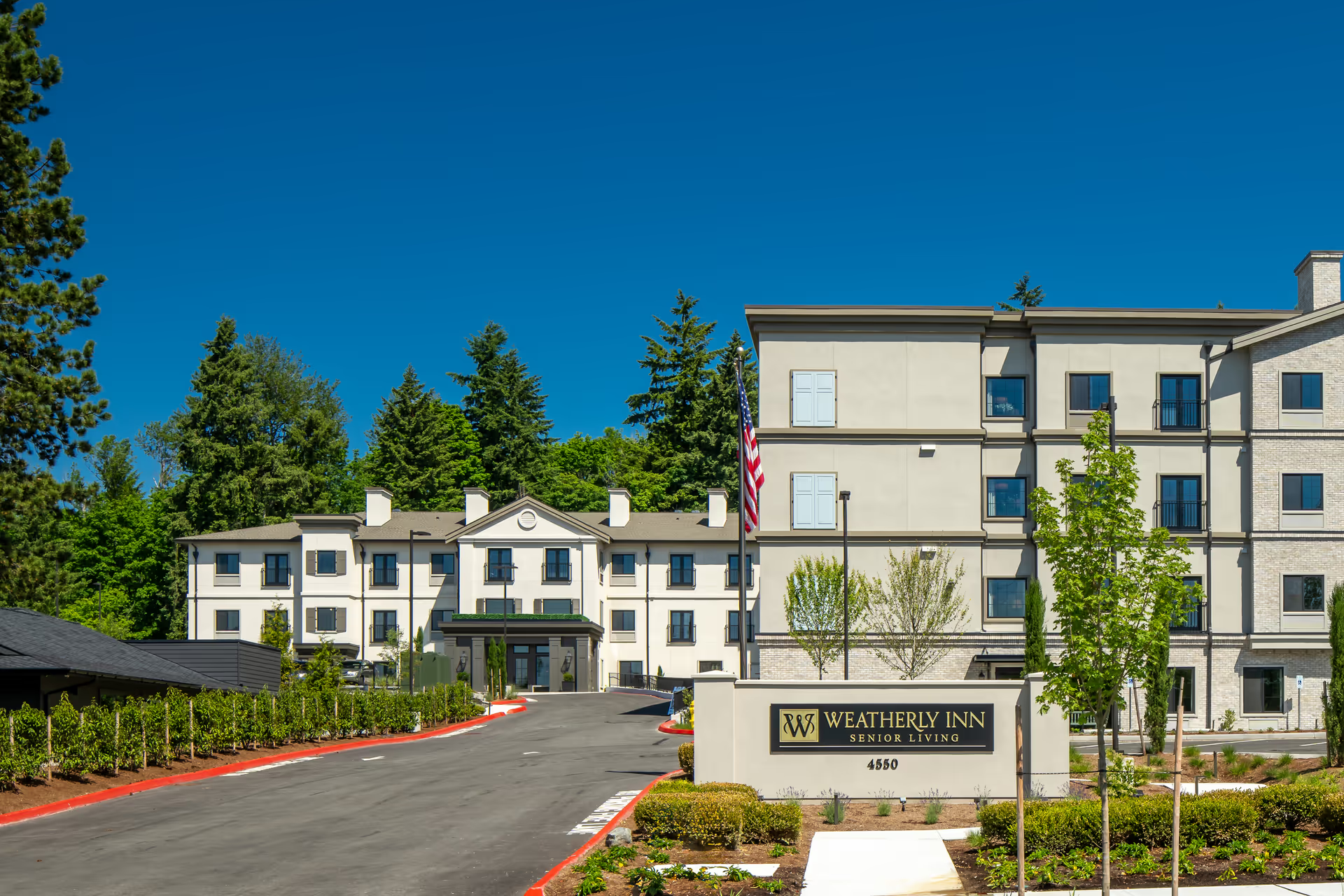
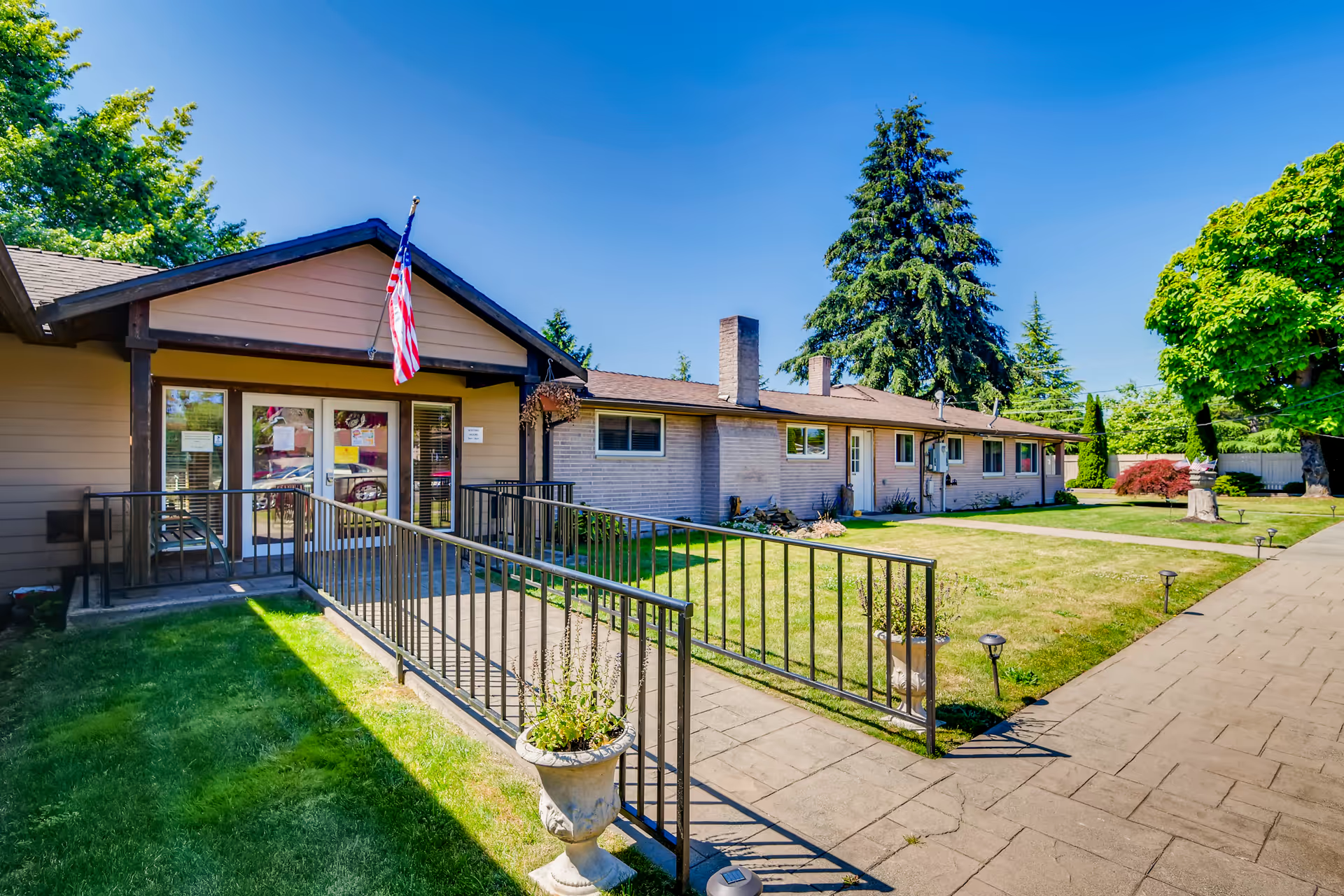
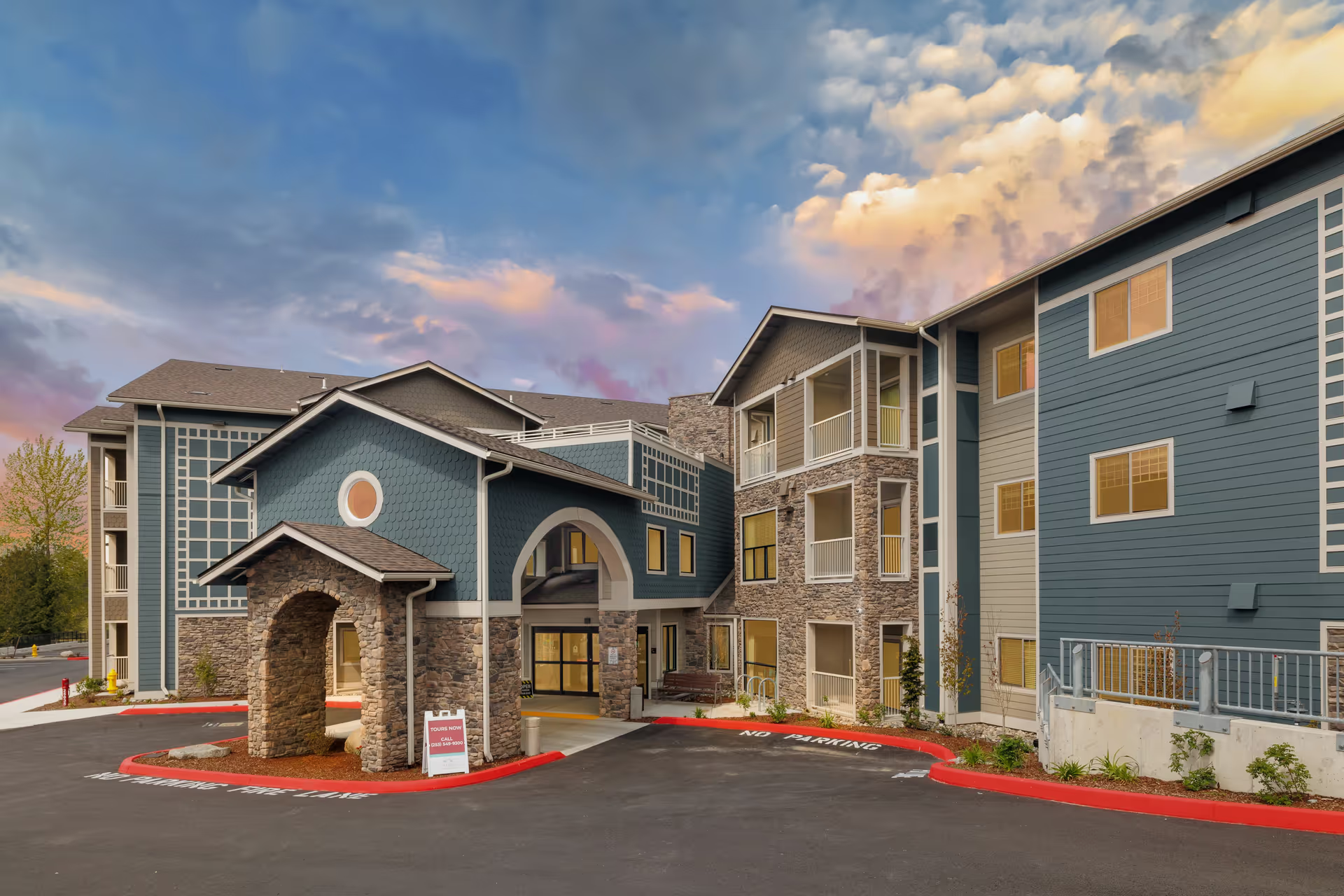
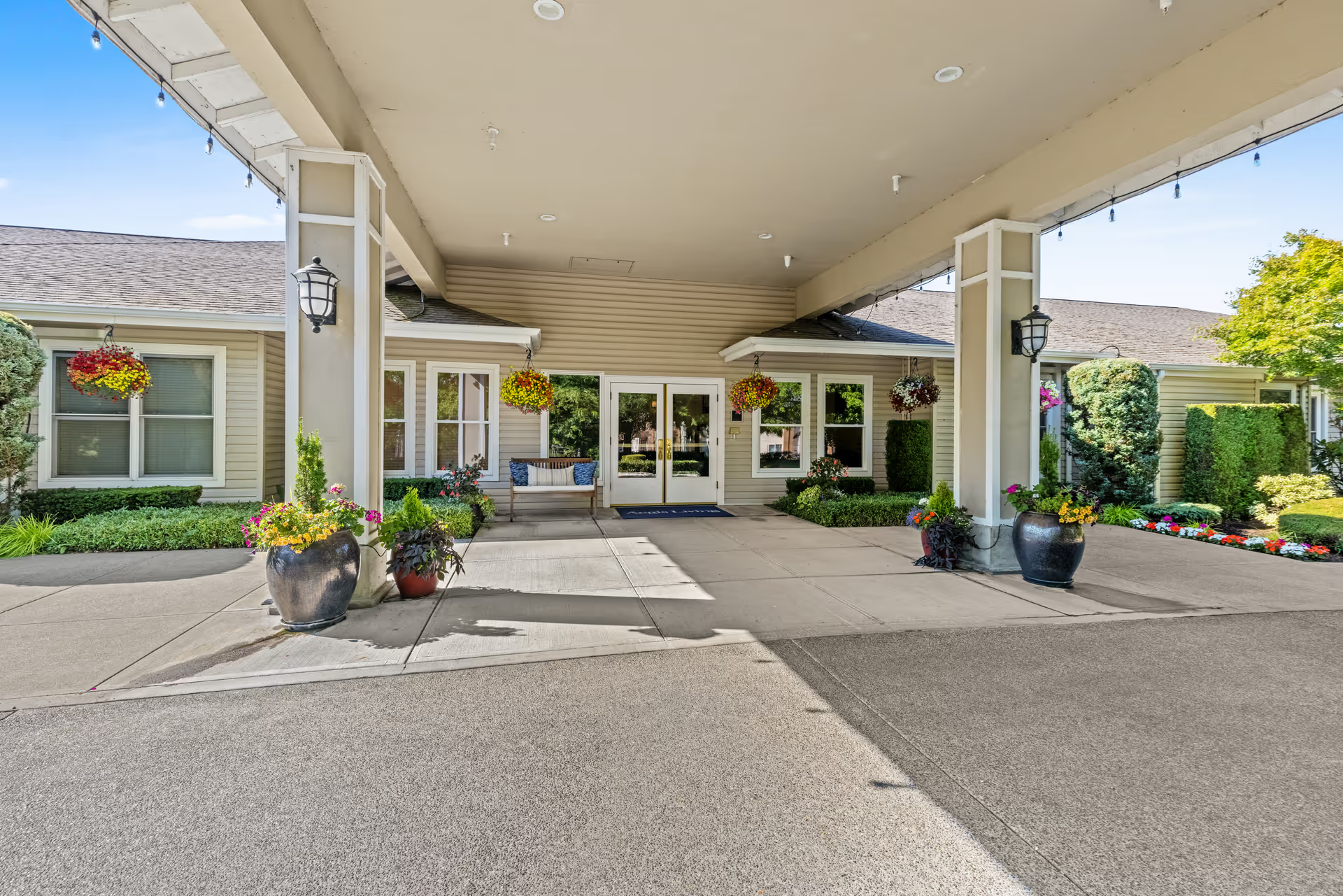
Wesley Des Moines Rehabilitation & Care Center presents as a newer, well-maintained skilled nursing and assisted-living campus with pleasant interiors, attractive views, effective HVAC and generally clean common areas and private rooms. The facility offers a full continuum of care and a range of unit layouts from private single rooms to larger apartment-style suites with good storage and sound insulation. For families who prioritize a modern physical plant and private accommodations, those attributes are consistently evident.
Clinical care shows a mixed but definable pattern. Many reviewers praised direct-care aides and certain clinical staff for compassionate, attentive bedside care, thorough wound management, and encouraging therapy staff. At the same time, operational gaps were reported: routine therapy sessions were described as brief and sometimes low-intensity, and there were repeated concerns about inconsistent staffing levels, particularly on weekends. Communication breakdowns — slow call-light response, on-call clinician availability, and uneven management follow-through — contribute to variability in the day-to-day resident experience.
Safety and dementia care are notable areas of concern. Accounts indicate gaps in dementia surveillance and behavioral supervision, inconsistent fall-prevention practices, and delays in follow-up after incidents. These describe system-level weaknesses in monitoring and incident-response rather than isolated events. Families considering the facility for a person with cognitive impairment should probe the facility's dementia-care protocols, staffing ratios on memory-care units, and documentation of fall-prevention and post-fall communication procedures.
Dining and mealtime experience are another mixed area. Rent often includes utilities and at least one meal per day, and some meals were described positively; however, the prevailing characterization is of institutional-style food with limited variety, seasoning, and creative presentation. Several families said the dining environment and menu choices were not inviting for family meals or for residents who expect more diverse or flavorful options. Kitchen service inconsistencies (cold or overcooked items) were also mentioned.
Management and operational coordination show both strengths and weaknesses. Administrative and admission interactions were described as professional and helpful by some families, and individual case managers and aides received high praise. Conversely, there were repeated reports of weak follow-through on care plans, disorganized transportation and discharge coordination, and occasional lapses in communication that affected families' confidence. Cost is a practical consideration: several reviewers questioned the value proposition given the combination of high monthly charges and variability in service consistency.
Overall, Wesley Des Moines appears to deliver a high-quality physical environment and many dedicated front-line caregivers, but it exhibits operational inconsistencies that affect safety, dining, therapy intensity, and family communication. Prospective residents and families should tour during meal service, ask for staffing and dementia-care protocols, review therapy schedules and typical session lengths, clarify what is included in fees, and request documentation of incident-reporting and discharge coordination practices to assess fit for their specific needs.