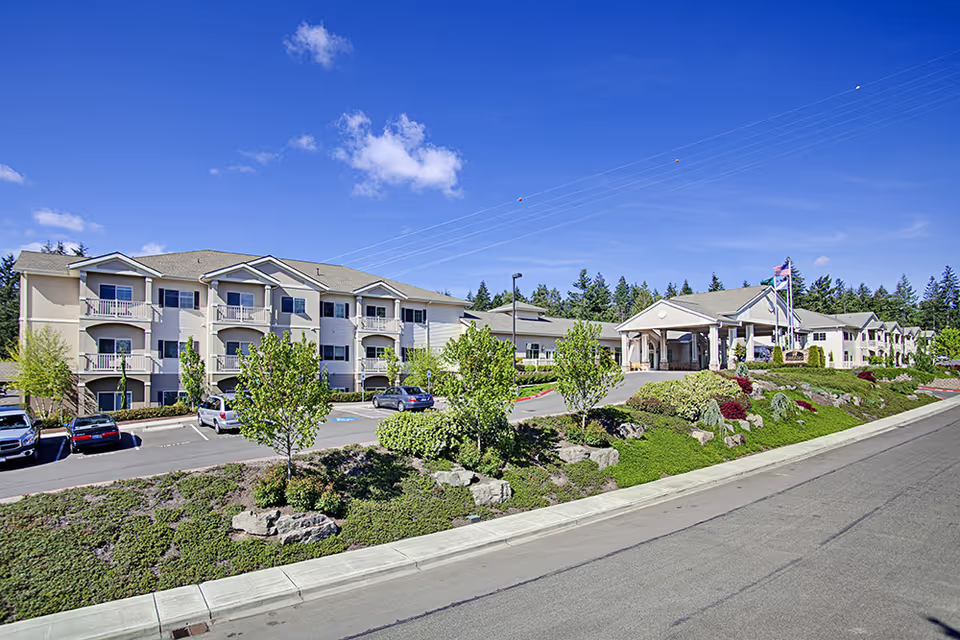
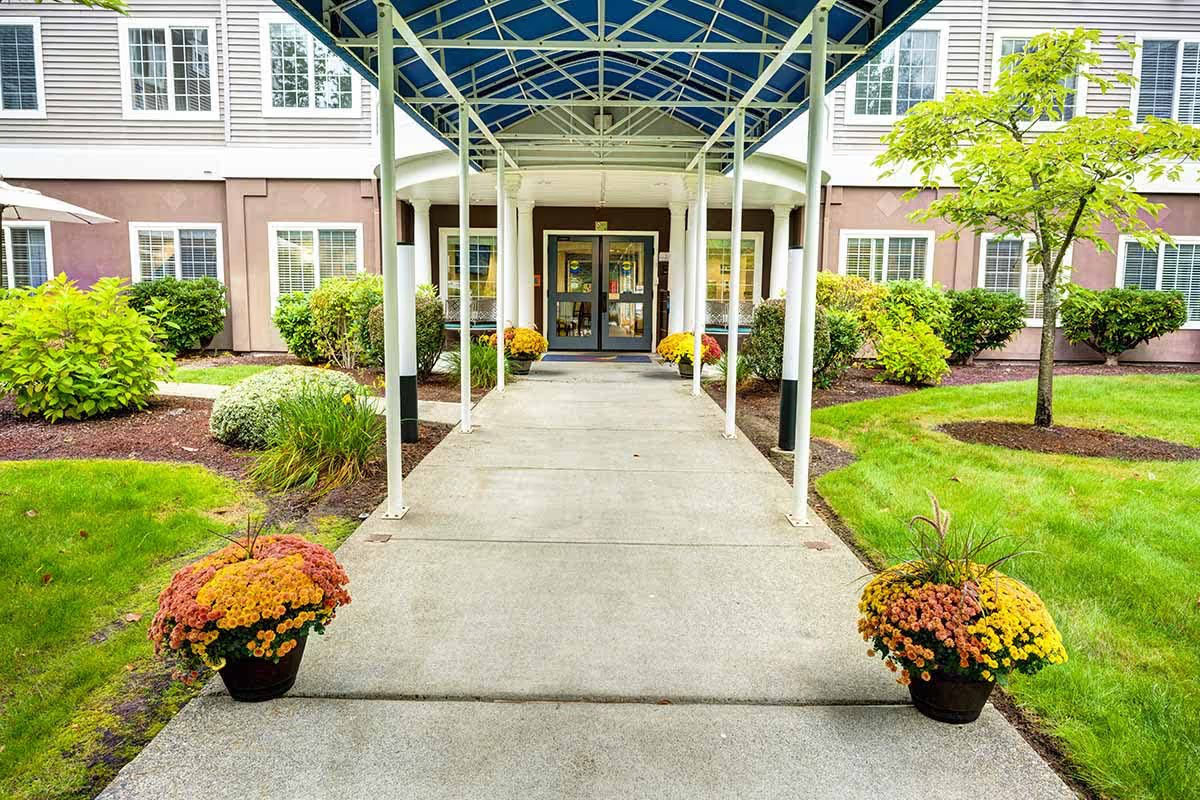
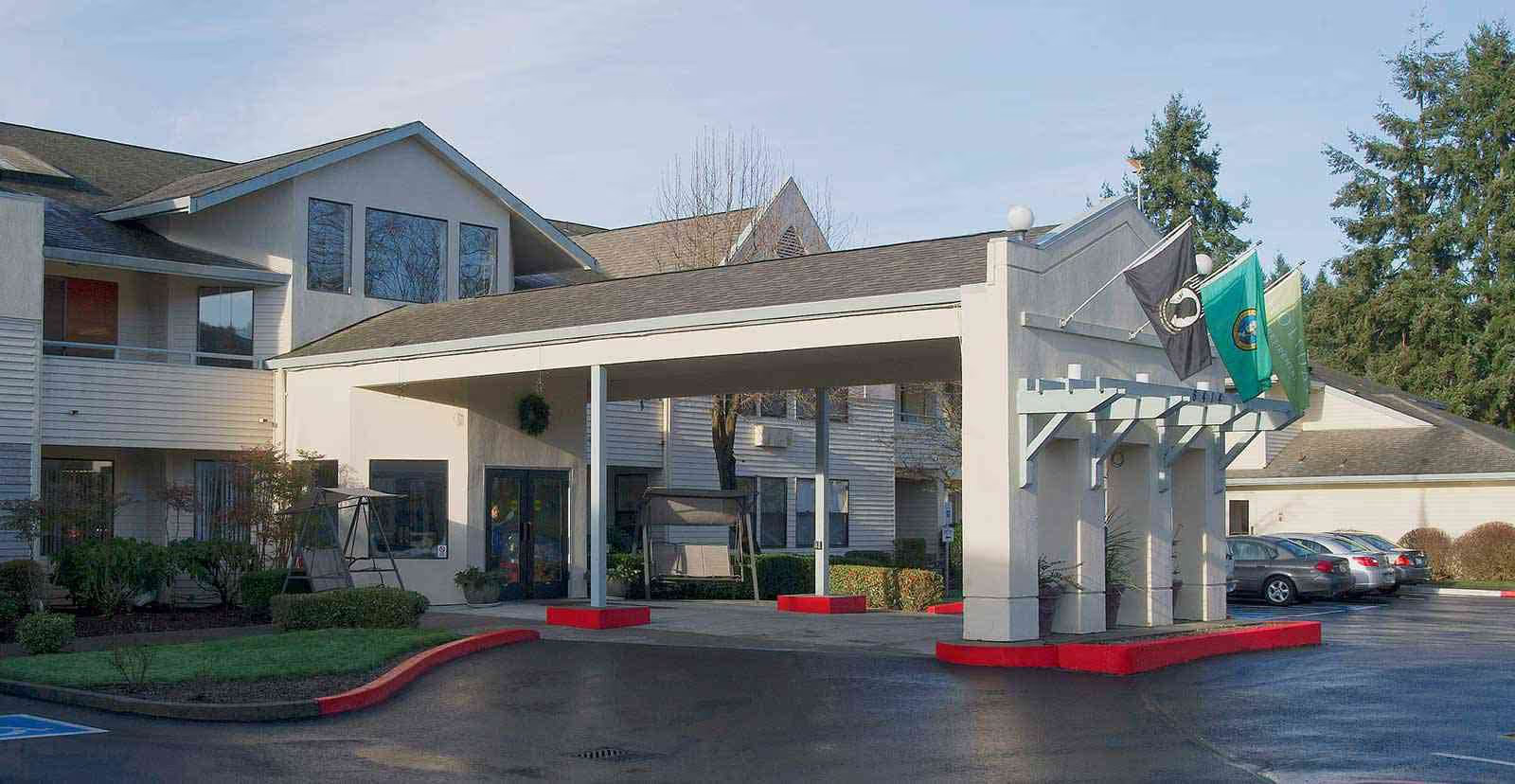
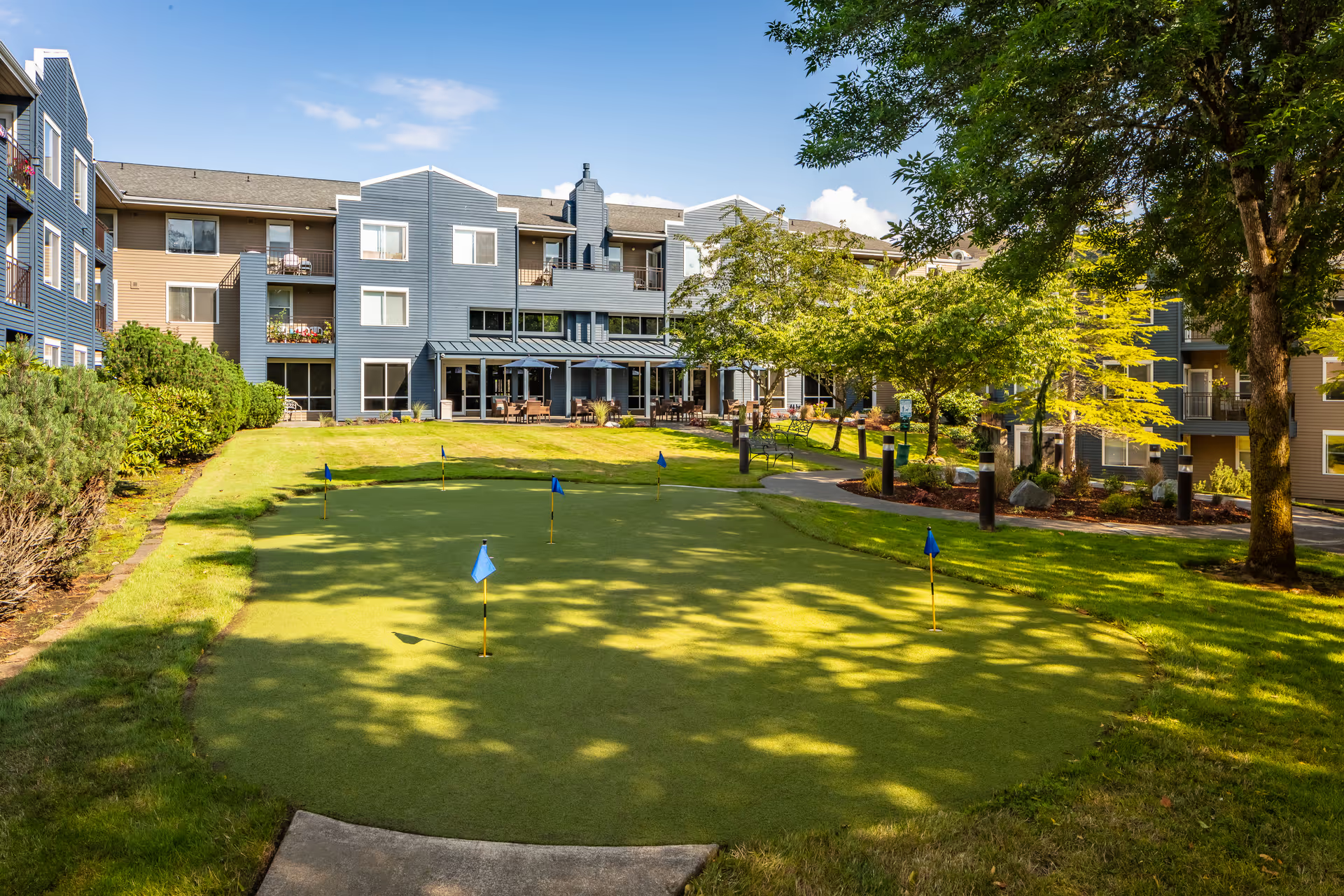
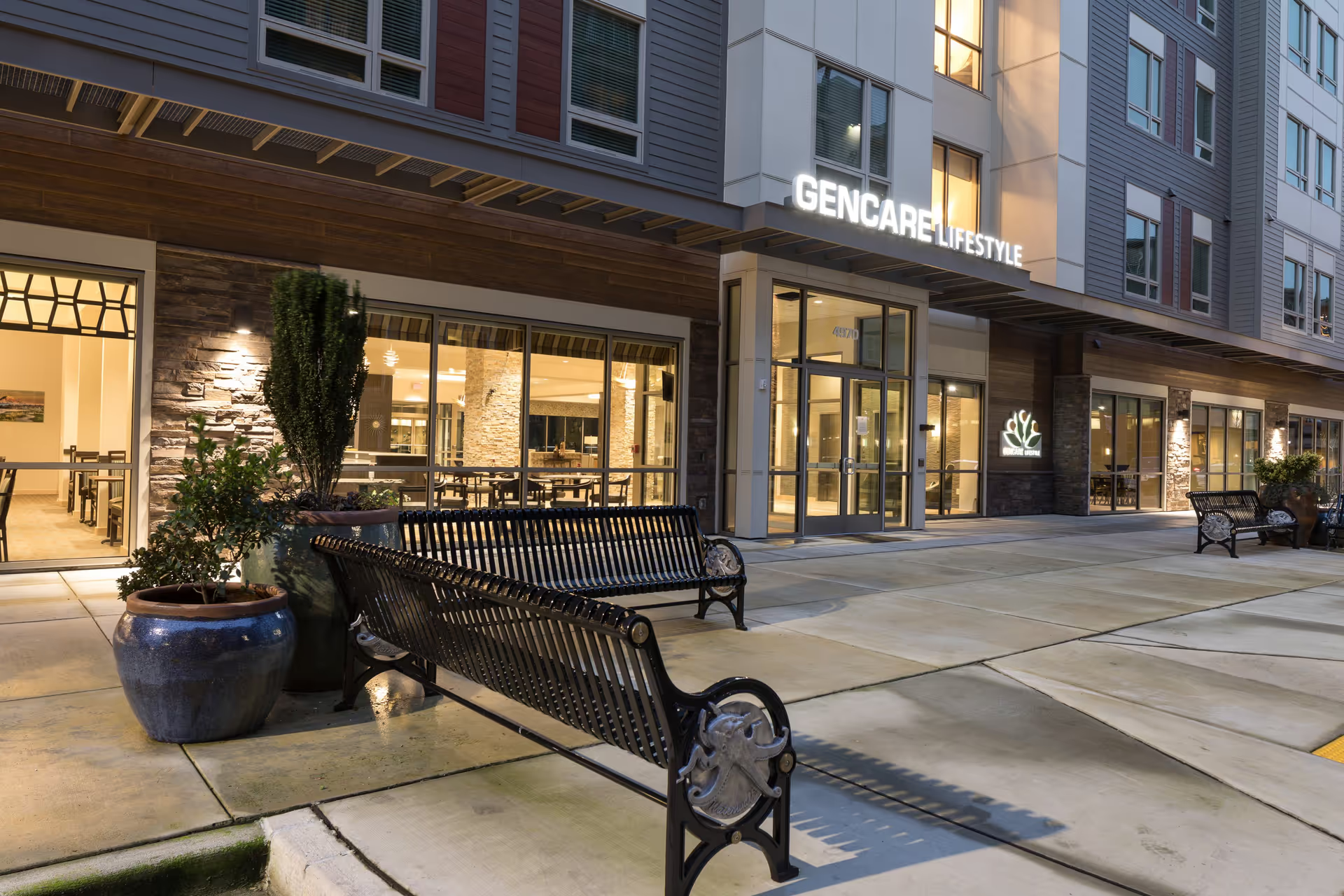
Cottesmore of Life Care receives frequent praise for its rehabilitation services, physical environment, and many members of its care team. Reviewers repeatedly highlight strong PT/OT/SLP programs, a large well-equipped therapy gym, attentive therapists, and measurable functional gains during short-term stays. The building, grounds, and communal areas are often described as clean, modern, and hotel-like; private rooms, family visitation spaces, and on-site amenities (salon services, therapy-dog visits, spiritual programming) are cited as positive contributors to resident comfort and family satisfaction. Many families also called out accessible leadership and an admissions process that is organized and welcoming.
At the same time, a pattern of operational weaknesses appears across reviews, most notably inconsistent nursing care and periodic understaffing. Families described delays in personal-care tasks and in responding to clinical needs, which reviewers linked to limited night and weekend coverage and to staff workload pressures. Several comments point to lapses in clinical incident response and medication-management processes; these accounts indicate the facility may have gaps in protocols or in execution during high-census or understaffed periods. Staffing pressures were sometimes framed as a systemic constraint rather than an individual-staff issue, with praise for individual caregivers who ‘‘go above and beyond’’ despite resource limits.
Dining and environmental items are mixed. Many reviewers compliment the dining room atmosphere, menu variety, and meal options; others noted cold or bland food and occasional meal-service inconsistencies. Cleanliness generally scores highly in many accounts, but a subset of reviews raises sanitation or incontinence-care concerns in specific units or shifts. Laundry and personal-belongings handling was another recurring theme: while the facility is described as well-maintained overall, families occasionally reported missing clothing or problems with linen management.
Communication and administrative areas show a similar split. Several families praised proactive family communication, engaged administrators, and helpful social-services staff who support transitions home. Conversely, other reviewers identified gaps in discharge planning, billing/account access friction, unclear visitor/sign-in policies, and at times an uncompromising collections approach. There are also isolated, serious clinical concerns described by some families; prospective residents and their families should follow up directly to understand current protocols and corrective measures.
For prospective residents and families: the facility's strengths lie in rehabilitation capability, therapy resources, pleasant environment, and many committed caregivers. Prioritize asking about current staffing ratios (day, evening, night, weekends), wound- and incontinence-care protocols, medication-administration and incident-response procedures, discharge-planning communication, meal-service schedules and menu accommodations, and laundry/property controls. A site visit during a weekday and a weekend/after-hours check-in can help assess how the facility operates across shifts. Overall, Cottesmore appears to deliver strong rehabilitation and many high-quality services, but families should verify operational consistency in nursing coverage, clinical response protocols, and administrative communication before committing to long-term placement.