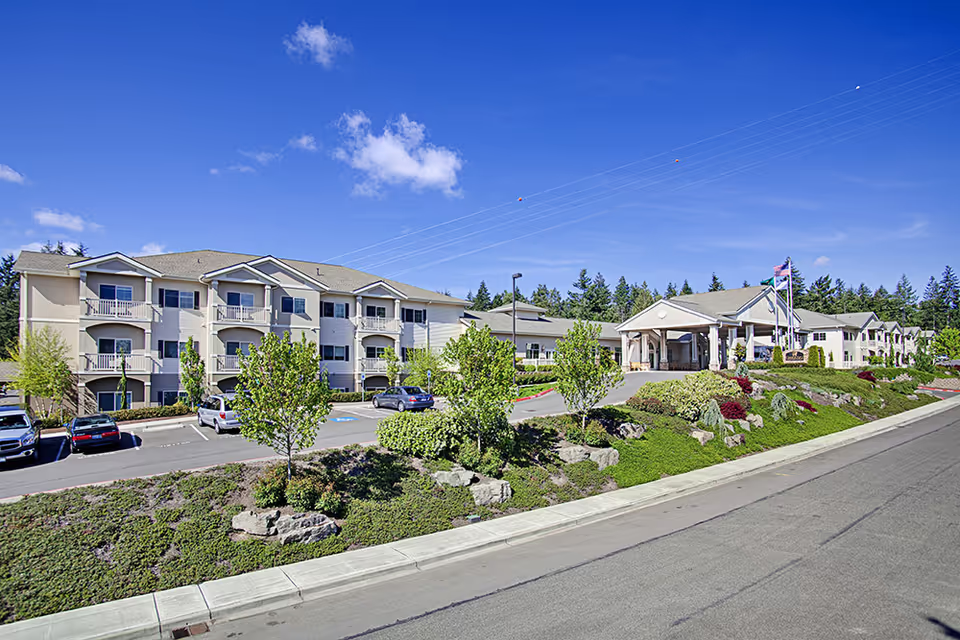
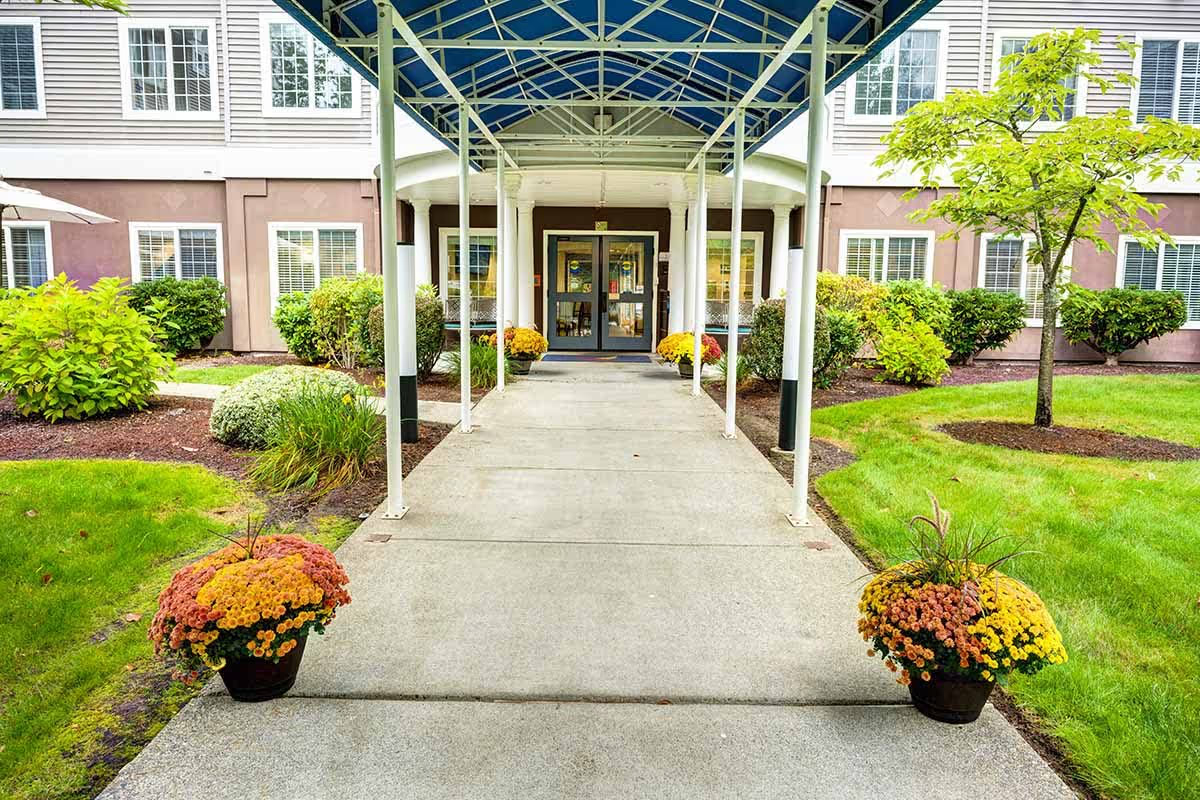
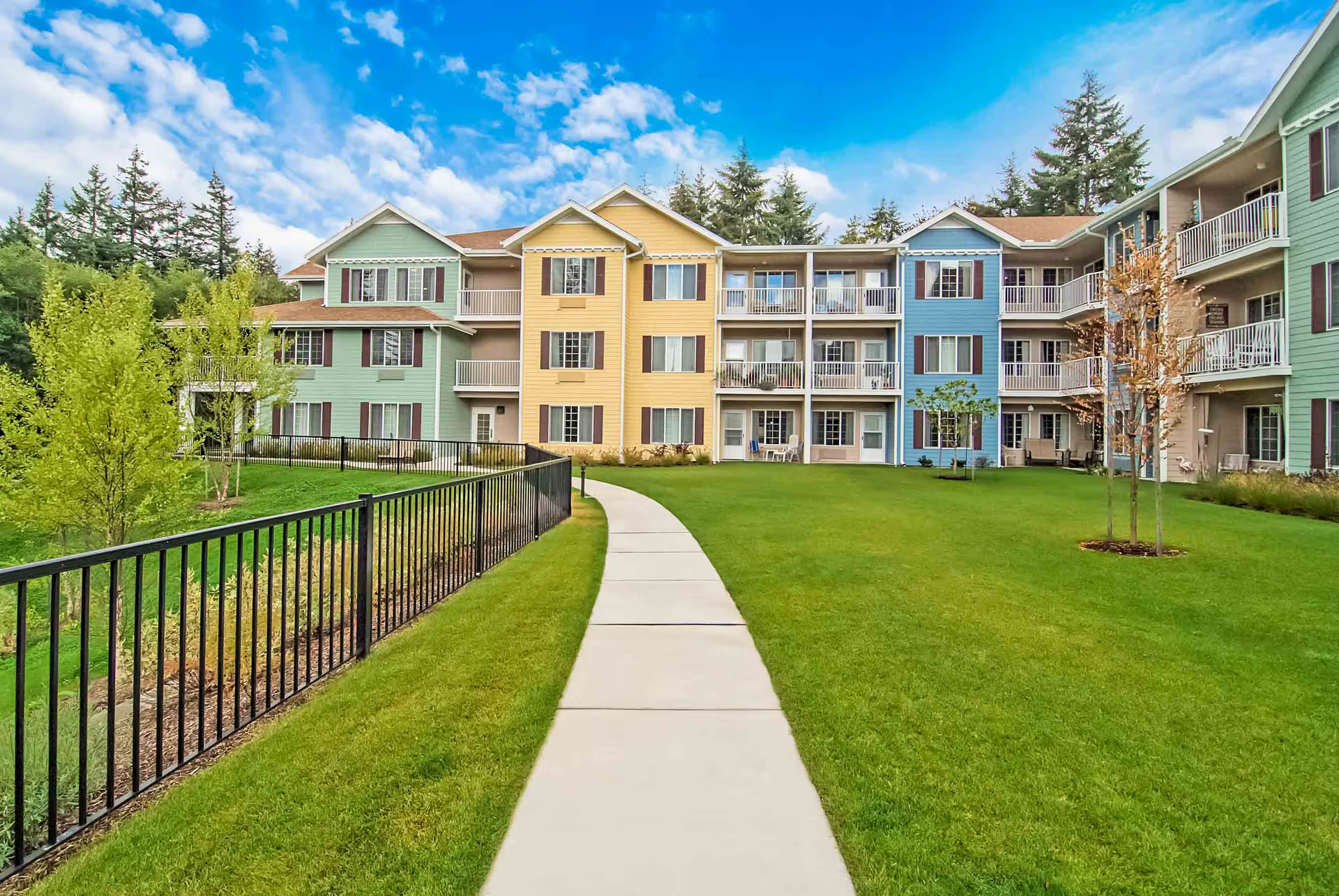
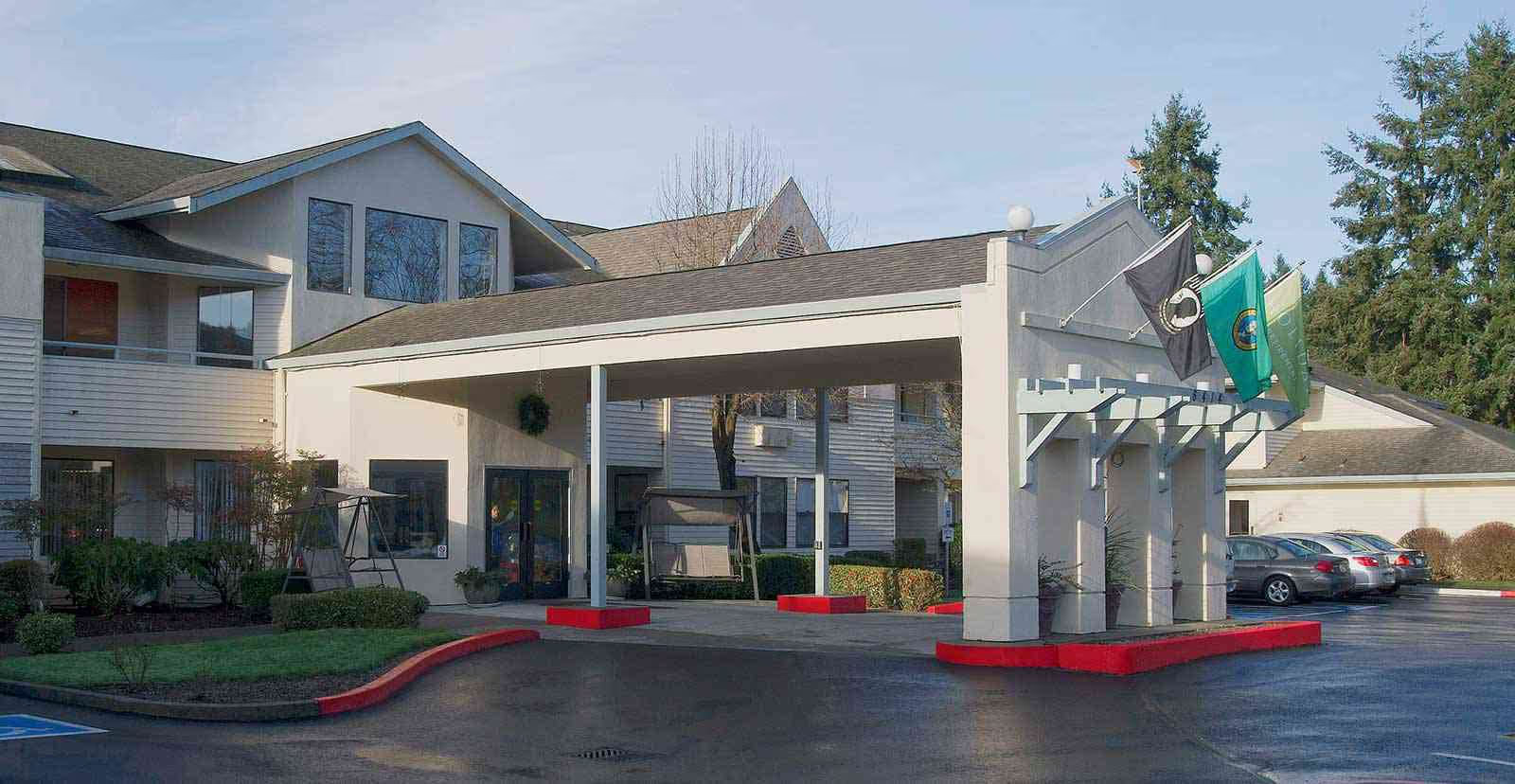
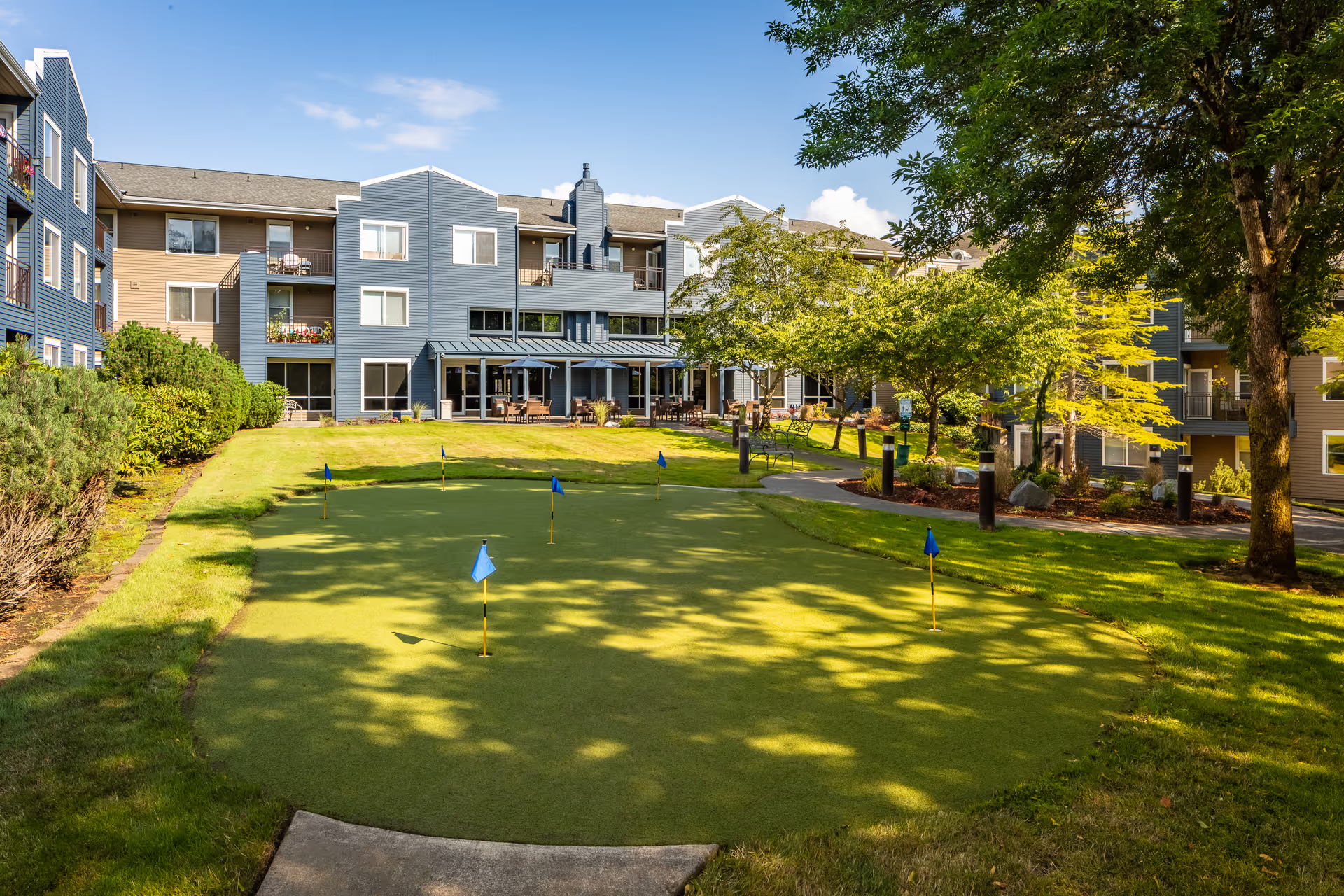
The reviews paint a mixed but specific picture of Greenlake Senior Living Gig Harbor. On the positive side, many families and residents describe a compassionate caregiving team that emphasizes individualized care plans and dementia-aware practices. Reviewers frequently highlight a robust activities program — music, crafts, puzzles, outings to local parks and harbors — and an engaged activities director; these offerings contribute to a home-like atmosphere and long-term resident satisfaction in parts of the facility. Grounds, common areas and dining spaces are often described as attractive and well-maintained, and the on-site kitchen receives positive comments for accommodating preferences and providing regular meals. The secure memory-care unit and smaller wing communities are noted as strengths for residents with cognitive impairment.
At the same time, a substantial theme across reviews is variability in operational consistency. Several families described declines in care quality and facility upkeep tied to staff turnover and changes in leadership; others noted dependable, high-quality care under stable staffing. Staffing levels are a recurrent concern: reviewers reported insufficient coverage during some shifts and weekdays, which reviewers linked to delays in personal care, inconsistent bathing schedules, and reduced participation for residents with advanced symptoms. Cleanliness and odor concerns are cited in multiple reviews, as are issues with laundry and personal property handling.
Clinical and safety patterns emerge as an area for targeted inquiry. A number of reviewers described gaps in clinical-incident response and in timely family notification following events; there are also concerns about medication management and the use of psychotropic/sedative medications for behavior management. Environmental safety issues — including unsecured egress points and fall-prevention device gaps — were raised by families who later relocated residents. A smaller but significant set of reviews included allegations of serious incidents and formal complaints; these comments cluster around communication breakdowns, adherence to advance-care directives, and management responsiveness.
Management and admissions practices are another mixed area. Some families praised strong administration, clear transition support, and proactive updates; others found the admissions process opaque, particularly around Medicaid bed availability and pricing decisions. Reviewers recommend prospective residents and families perform an in-person tour, ask detailed questions about staffing ratios and shift coverage, review incident-reporting and family-notification procedures, confirm policies for advance directives and medication administration, and inspect laundry/property handling and egress/security measures. Overall, Greenlake offers many of the attributes families seek in a memory-care setting (compassionate staff, engaging programming, attractive grounds), but operational inconsistencies and specific safety/communication concerns warrant careful due diligence before placement.