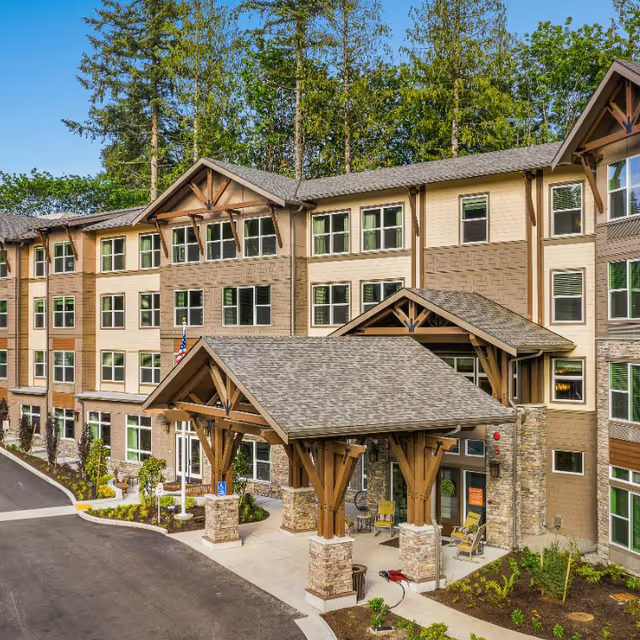
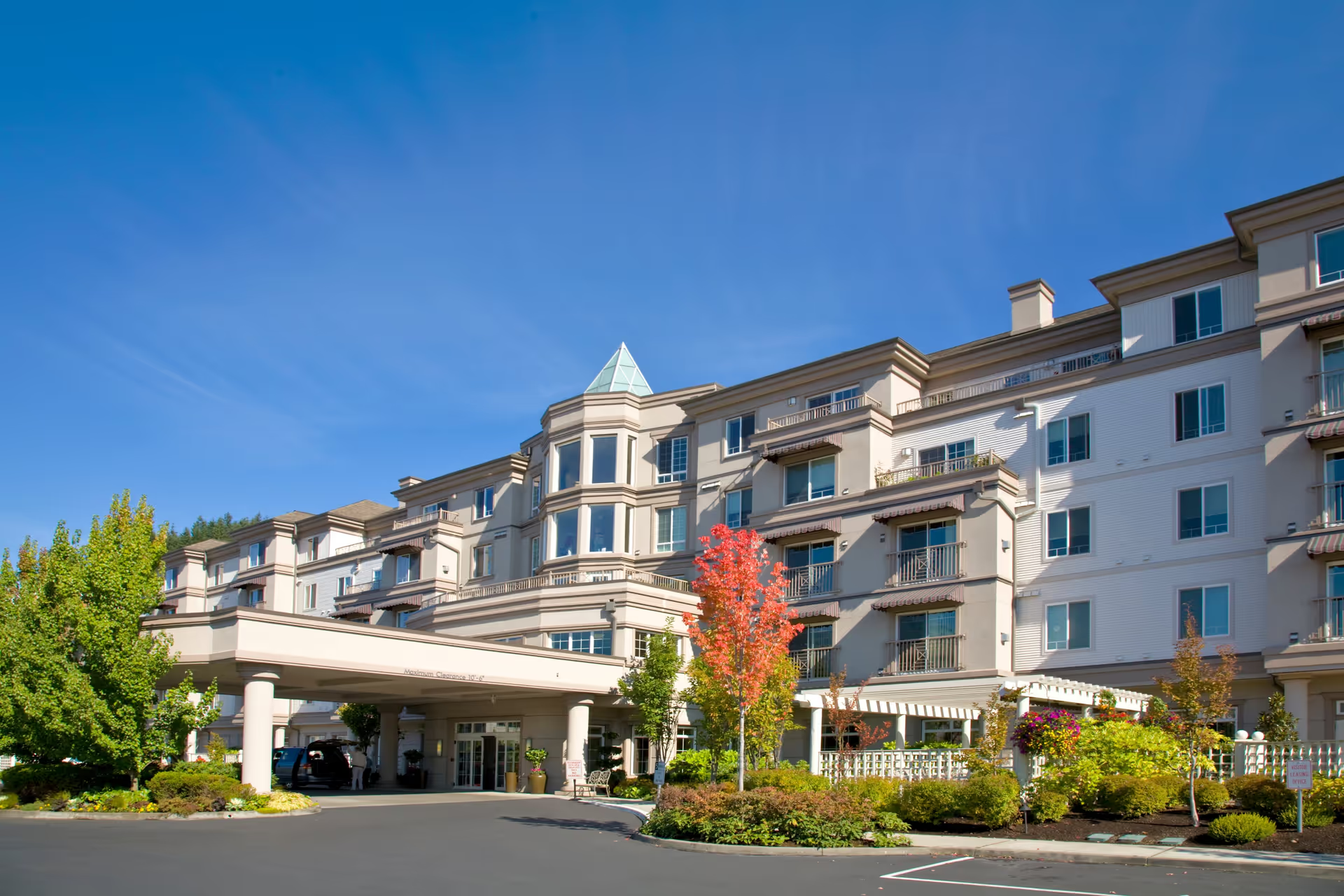
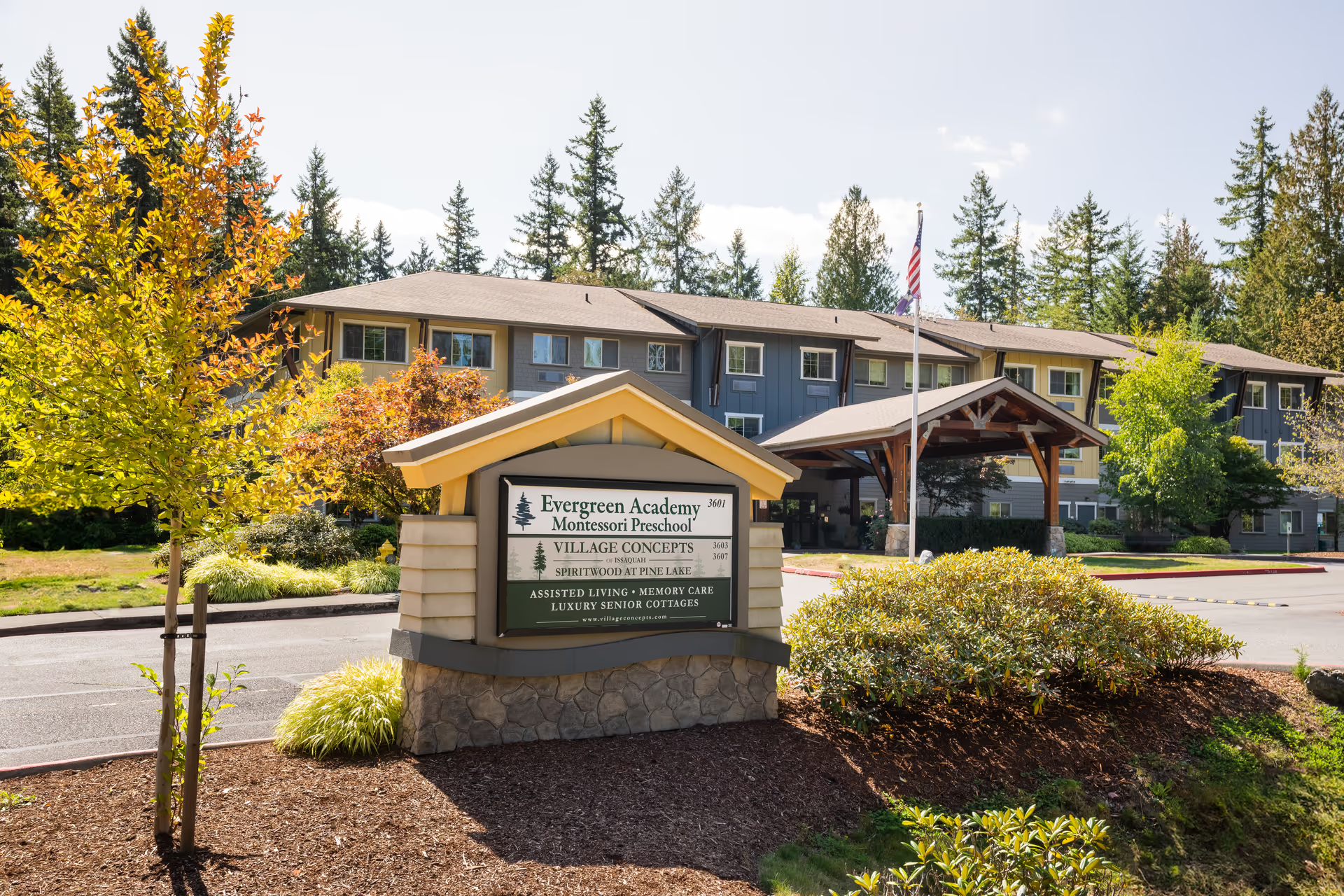
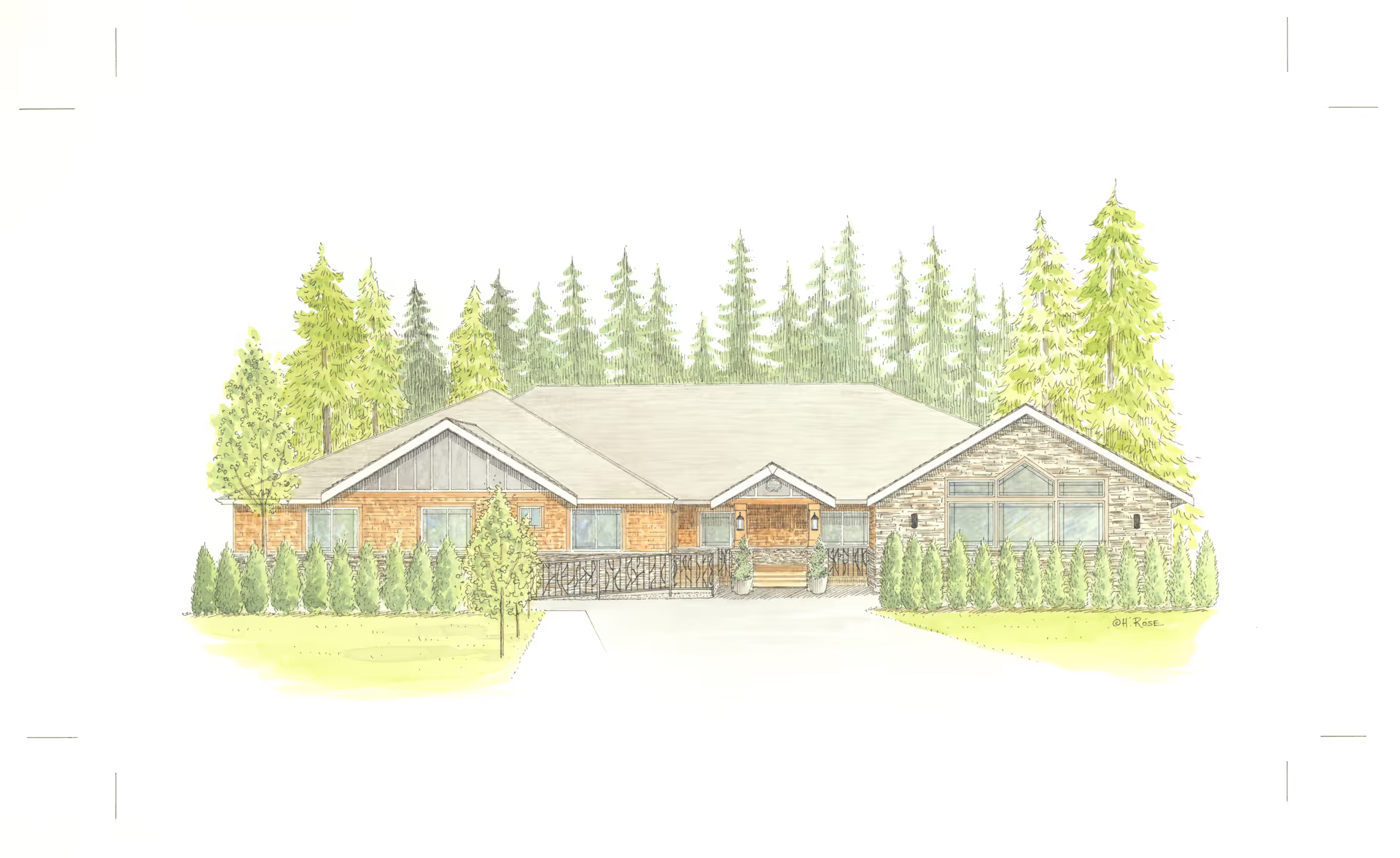
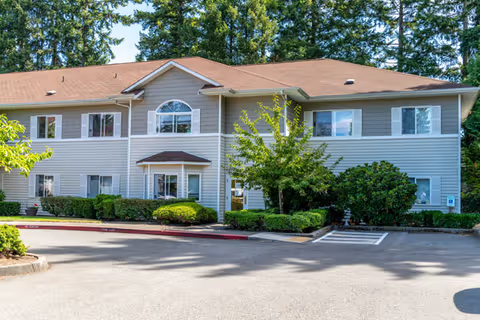
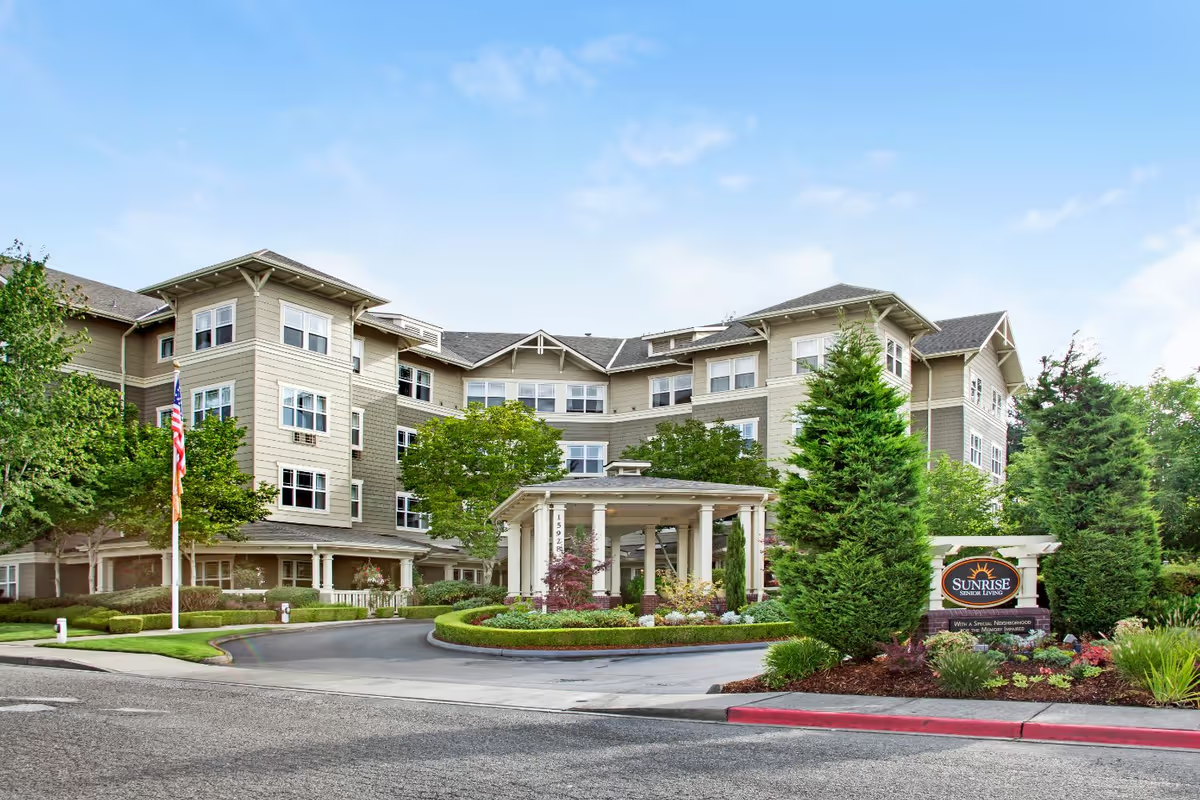
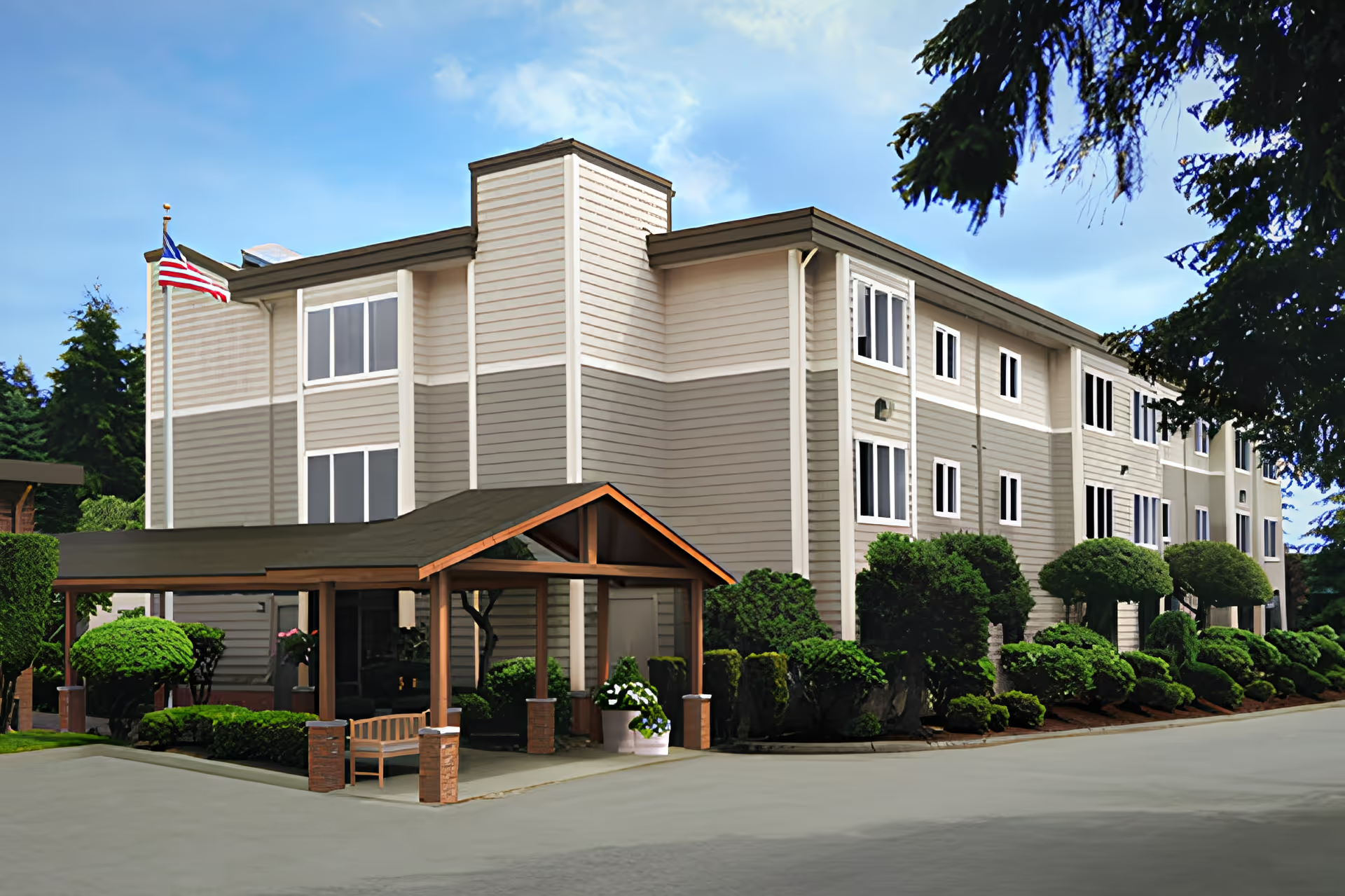
Reviewers present a mixed but consistent set of themes. Many families praise the day-to-day caregiving, social programming, and physical environment: staff members are frequently described as compassionate and attentive, activities are varied and often therapeutic, and the campus and common areas receive positive marks for cleanliness and a hotel-like presentation. The community also receives recognition for its memory-care design, single-floor layout, regular outings, and available therapy/rehabilitation services, all of which contribute to quality-of-life for engaged residents.
Care quality and clinical oversight are described unevenly. Positive accounts highlight individualized attention and strong clinical coordination in some periods, while other accounts identify gaps in clinical coverage (including limited RN availability), inconsistent adherence to care plans, and medication-management concerns. At least one account described withheld medications and an abrupt discharge notice that families linked to a decline in a resident’s condition; more broadly, reviewers express concern about fluid-management and incontinence-care practices in specific cases. Mobility monitoring and safe transfer practices were also raised as an operational weakness in several narratives.
Staffing, culture, and communication emerge as a major axis of variability. When staffing is stable, families describe responsive, family-like caregivers and engaged leadership; when staffing is inconsistent there are reports of high turnover, temporary workers, poor shift-to-shift communication, and staff distraction by personal devices. Family communication is sometimes described as responsive and helpful, but other accounts describe difficulty reaching staff, defensive interactions, or intimidating tones from management. Several reviews note that weekend and night shifts are thinner and that call-button response can be slow at those times.
Dining, activities, and amenities are frequently cited as strengths. Meals are described as appealing and appropriately portioned, and the activities program is consistently praised for being creative, inclusive, and energetic (examples include dexterity exercises, theater, music, and regular restaurant or ice cream outings). However, a recurring operational theme is that some advertised amenities and common areas are underutilized or access-restricted, which reduces the value of those spaces for some residents.
Facility operations and leadership stability show a clear pattern: multiple reviewers contrast more positive experiences under prior management with declines following ownership or leadership transitions. Families cite operational disruptions after those transitions, including changes to staffing ratios, laundry and personal-belongings controls, and perceived trade-offs between rising fees and service levels. Cleanliness and housekeeping are generally rated positively, though a subset of families described sanitation and odor concerns in some hallways or rooms.
Overall, the facility offers many features that can support a good quality of life—engaging activities, pleasant dining, memory-care design, and dedicated staff in favorable circumstances. At the same time, families should evaluate current clinical coverage, medication protocols, staffing stability (including weekend/night staffing), laundry and personal-belongings procedures, and how ownership or leadership changes are being managed. A focused tour that asks about RN coverage, care-plan adherence, amenity access, and examples of staff retention can help prospective families assess whether the current operational patterns align with their expectations.