Overall impression: Reviews present a mixed but coherent picture. Many comments emphasize strong day-to-day caregiving, effective rehabilitation services, and a generally positive resident atmosphere. At the same time, there are sharp criticisms aimed at broader management and corporate practices that create concern about continuity and organizational responsiveness.
Care quality and clinical services: Multiple remarks highlight an emphasis on quality of care and effective rehabilitation and long‑term care programming. Caregivers are commonly described as caring and hardworking; families frequently note positive interactions and good hands‑on assistance. However, there are also operational concerns that could affect care continuity — principally staffing instability linked to compensation — which prospective residents should evaluate when considering longer stays.
Staff and workplace culture: Staff are widely characterized as compassionate, supportive, and appreciated by onsite leadership. Positive elements include an employee appreciation culture and an empowered administrator with local autonomy. Countervailing themes include low pay, high turnover, and strained relationships between staff and higher‑level management. Those factors suggest that while frontline staff performance is often strong, workforce sustainability may be vulnerable over time.
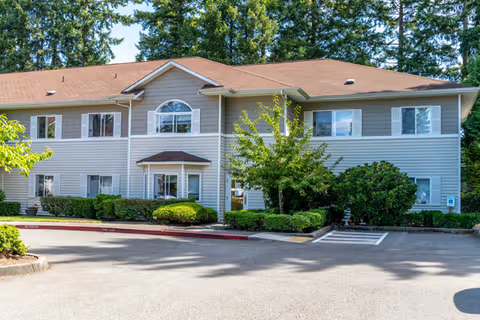
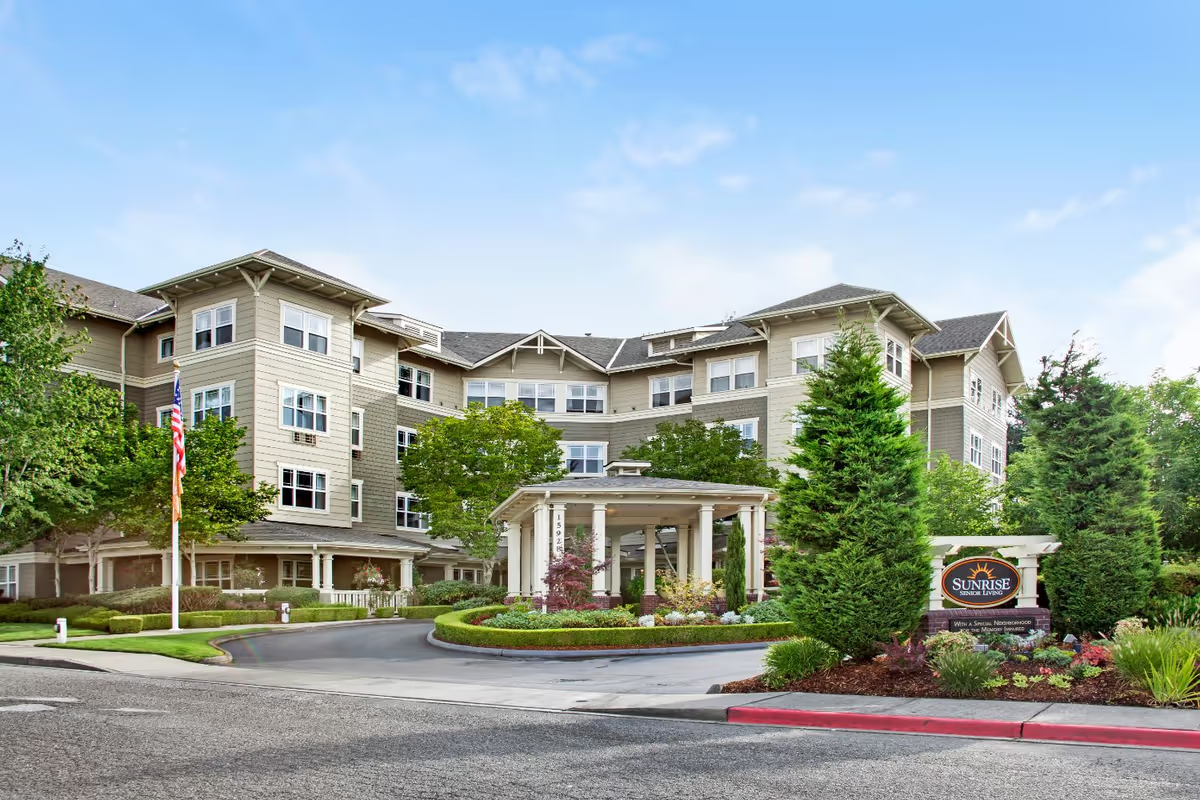
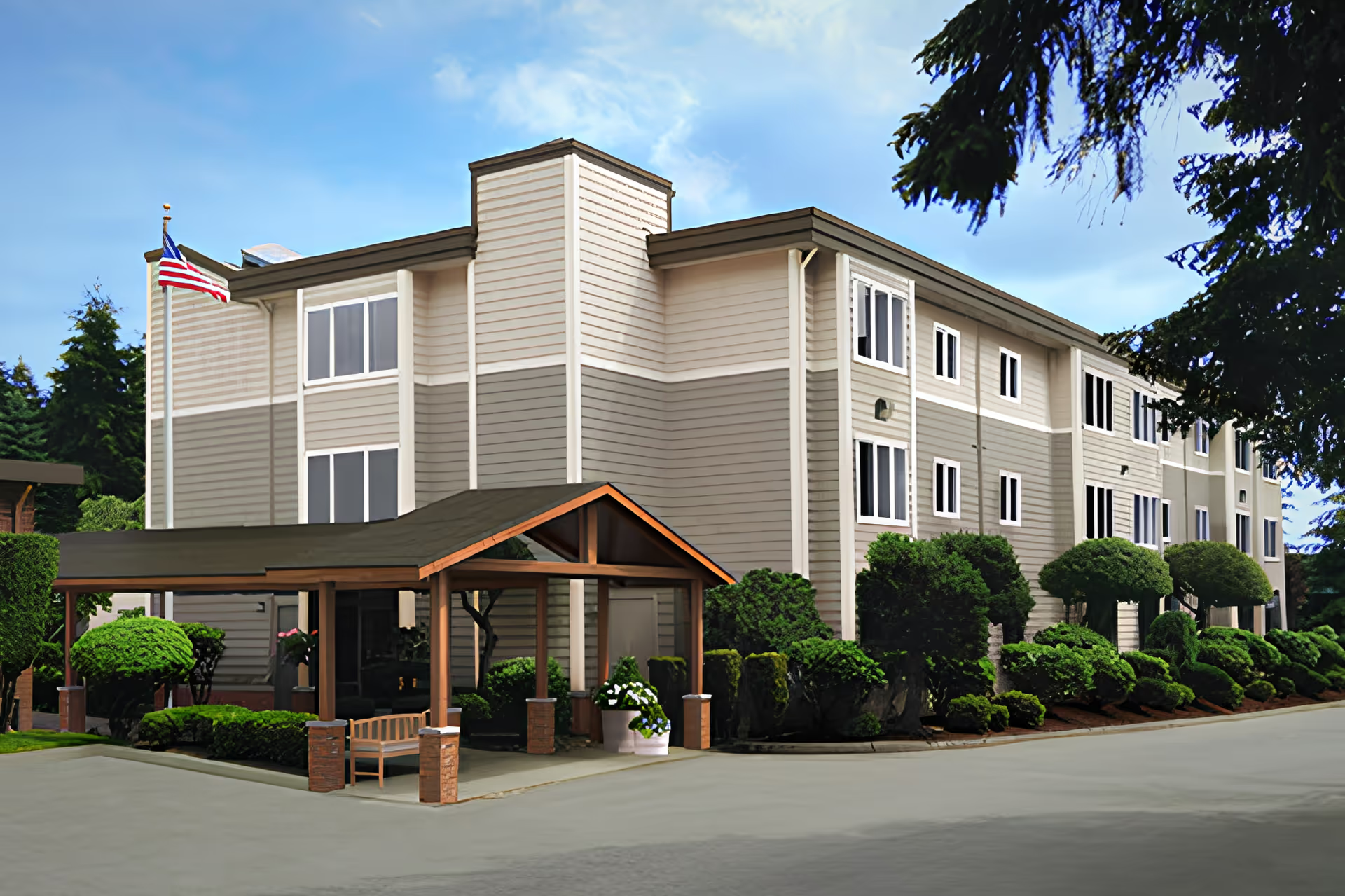
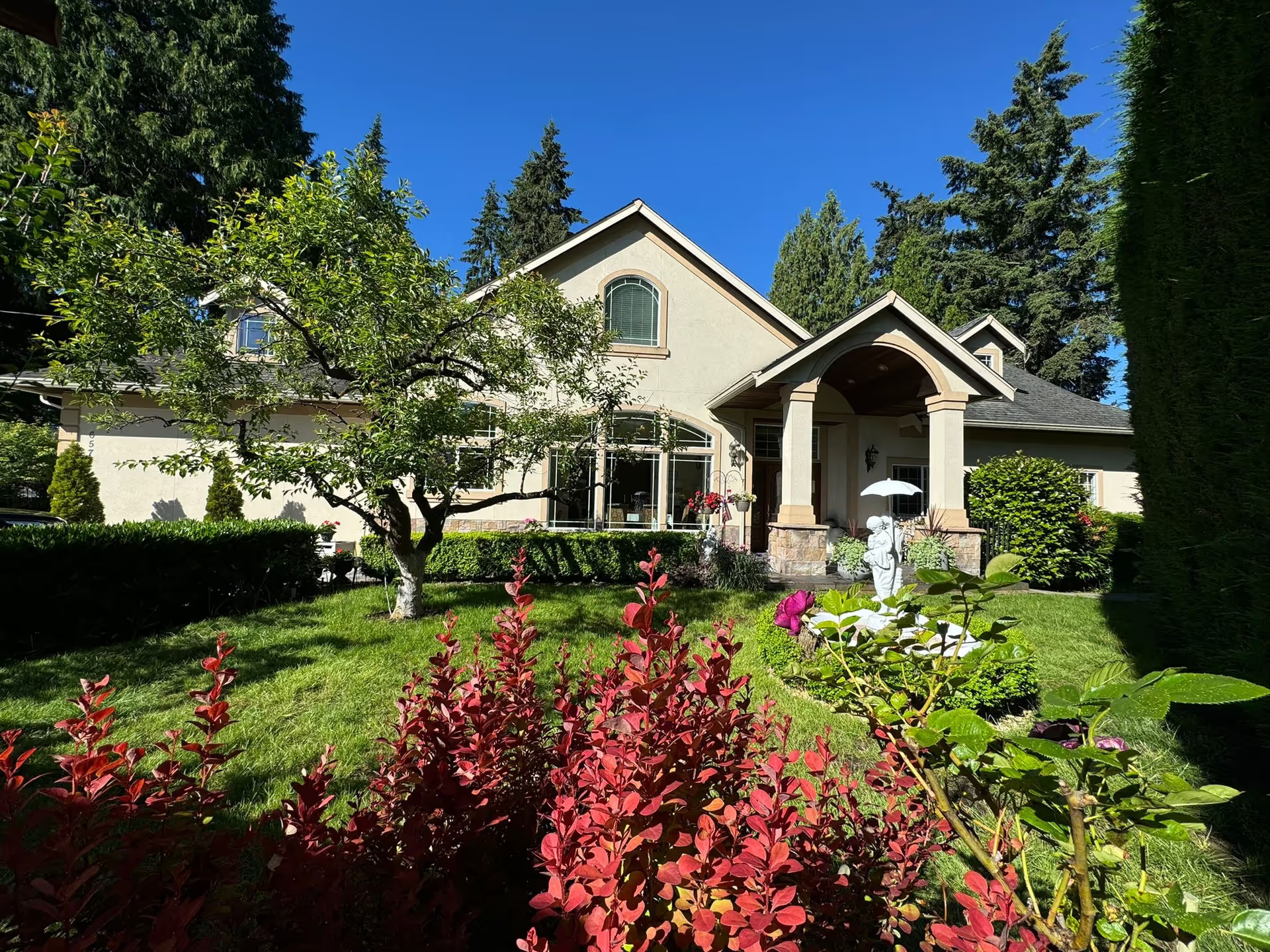
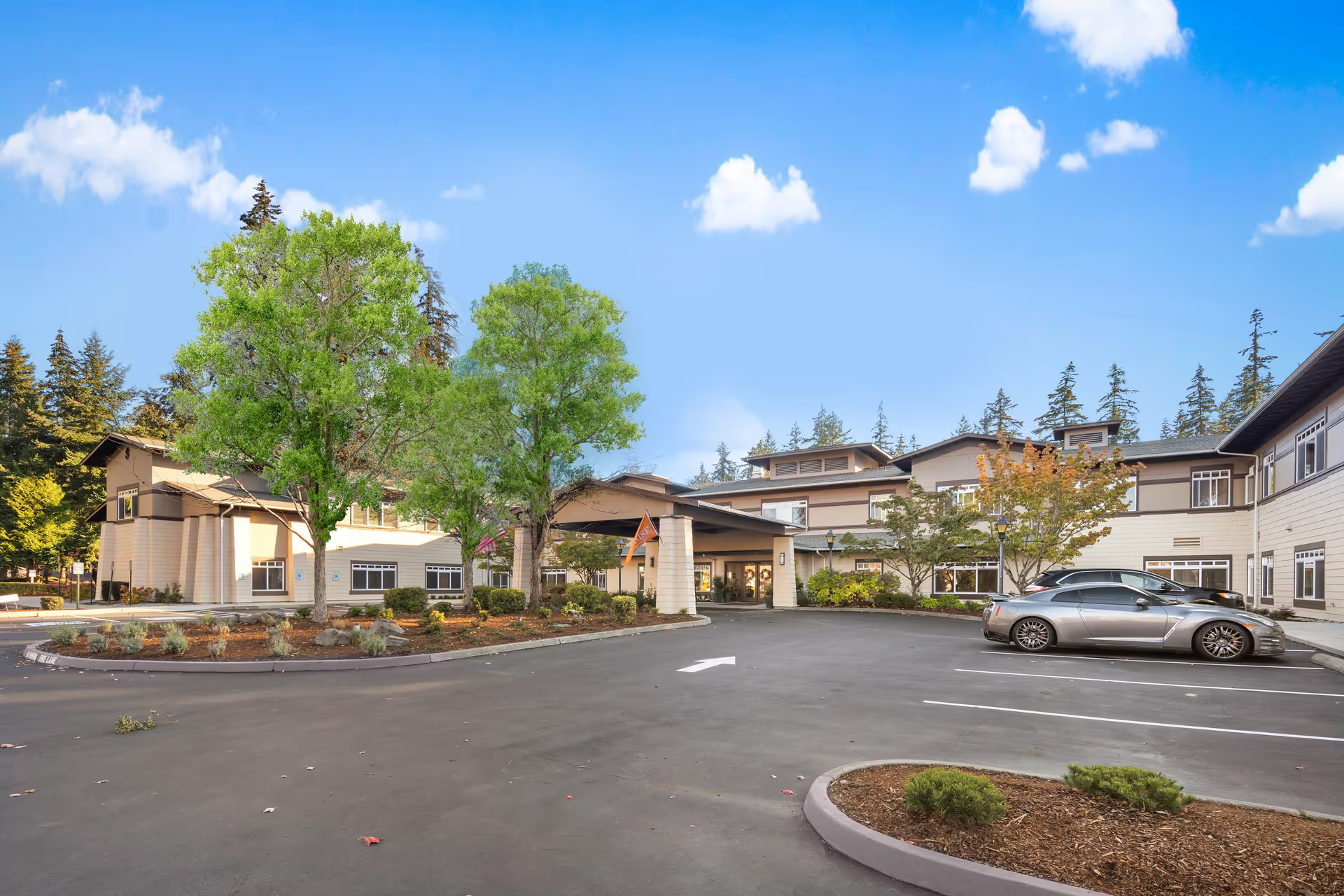
Dining, activities, and facilities: Review content focuses more on caregiving and staff than on dining and activities. The facility is described as clean and well maintained, supporting a positive atmosphere for residents. Information on dining quality and activity programming is limited in the comments provided; visitors should ask for sample menus and activity schedules during a tour to get a fuller picture.
Management and corporate practices: There is a split in perceptions of leadership. Onsite management and administrator autonomy are viewed positively, with direct employee appreciation in some cases. Conversely, reviewers express significant dissatisfaction with corporate‑level practices, including concerns about leasing and broader management responsiveness. These corporate concerns are framed as systemic and may influence resident and staff experiences beyond the building level.
Notable patterns and considerations: The dominant pattern is a contrast between strong, committed frontline care and organizational stressors tied to compensation, turnover, and corporate-level decisions. Many families praise the caregiving and rehabilitation outcomes, while a smaller but vocal set of reviewers expresses serious dissatisfaction with administrative and corporate practices. Prospective residents and families should prioritize questions about current staffing ratios, staff tenure, administrator authority, corporate policies on leases or contracts, complaint resolution, and observable care during a visit to assess how the positive caregiving culture is being sustained.