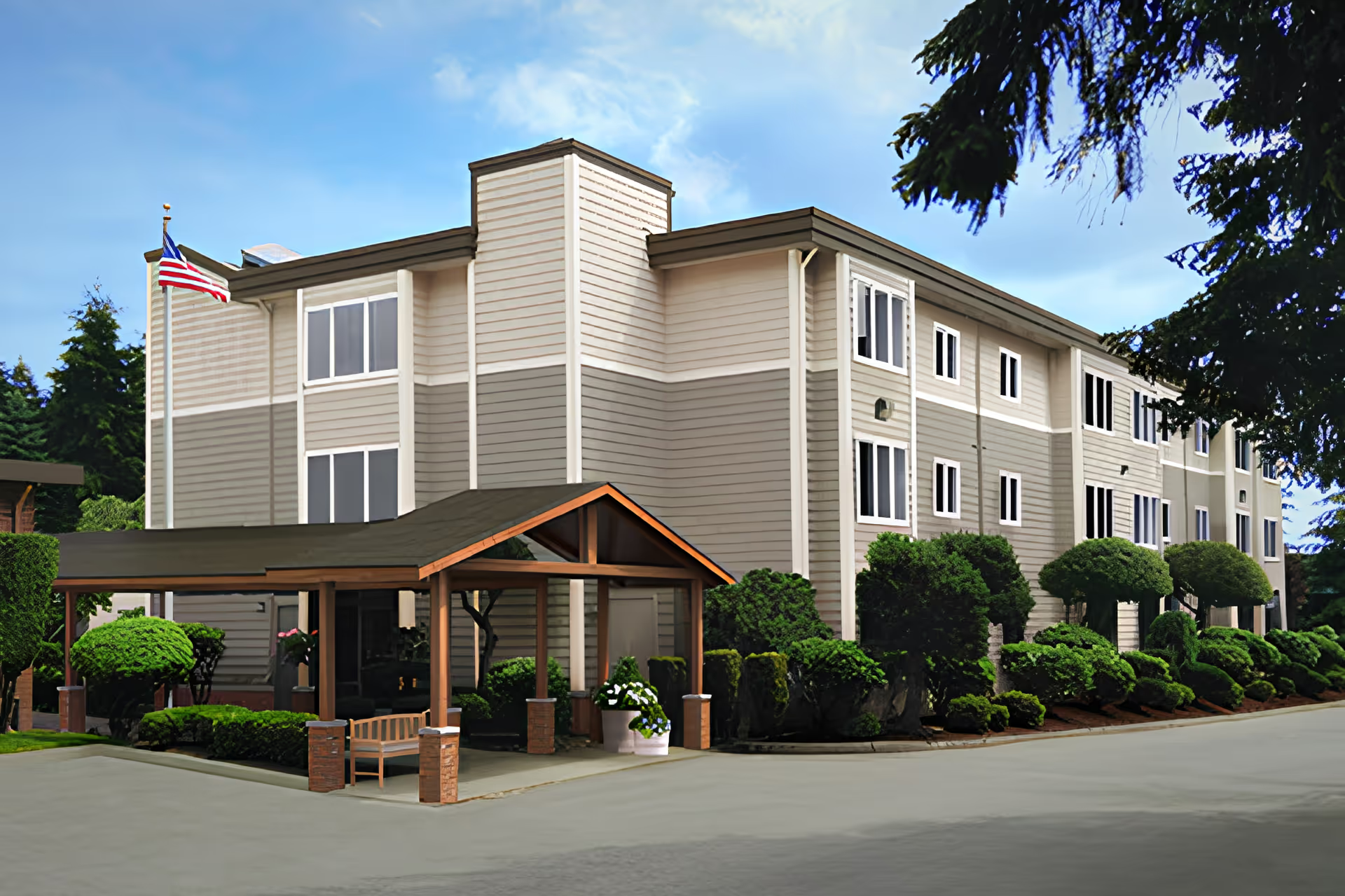
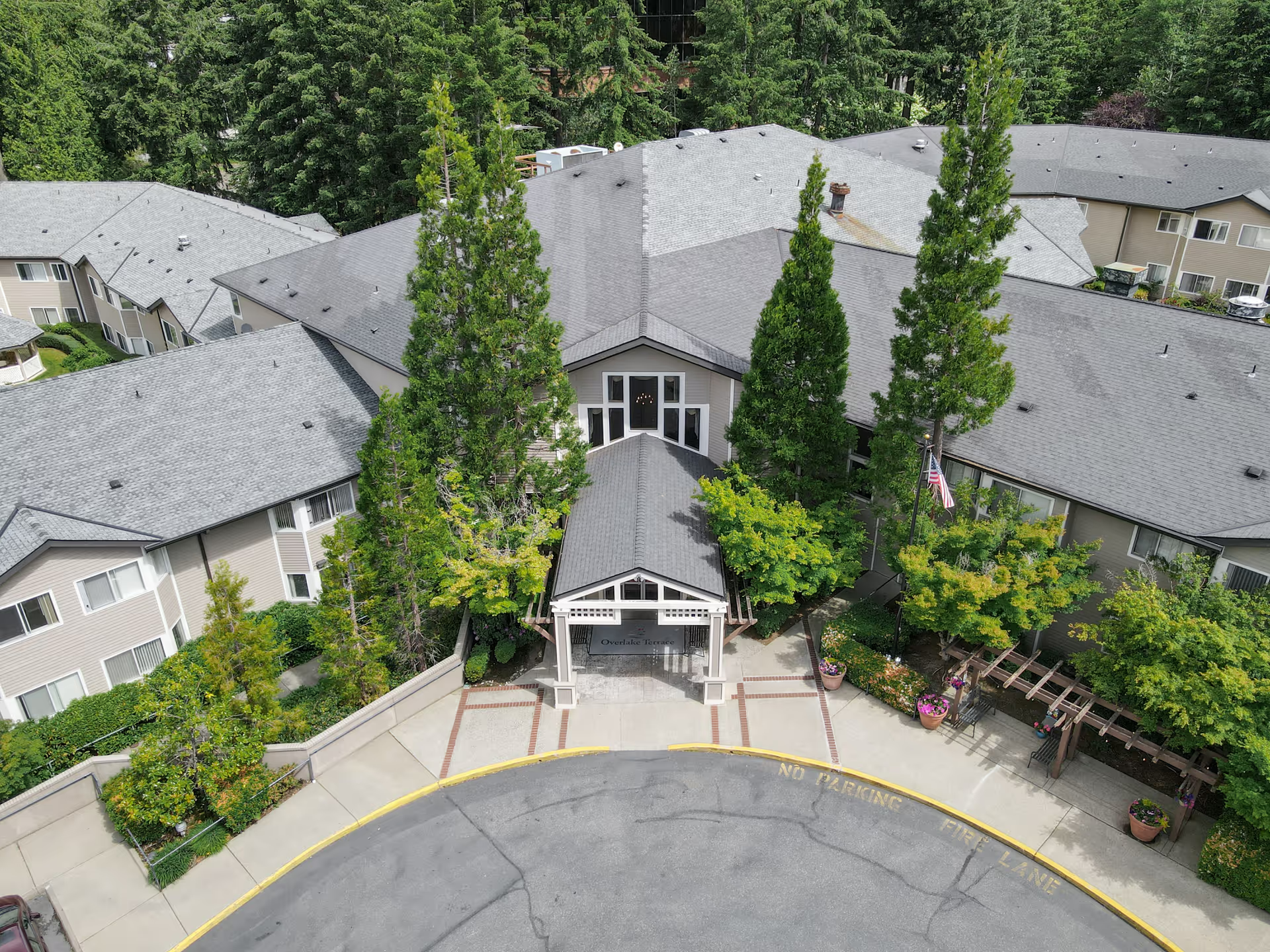
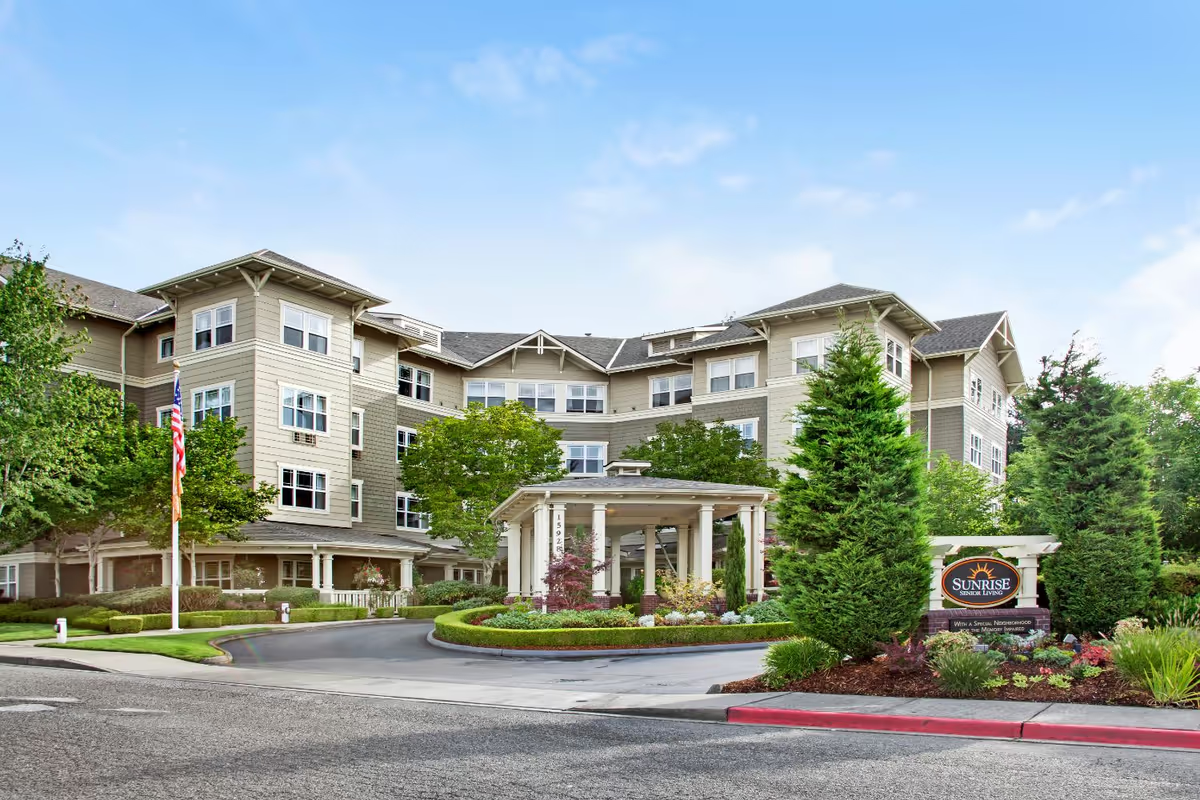
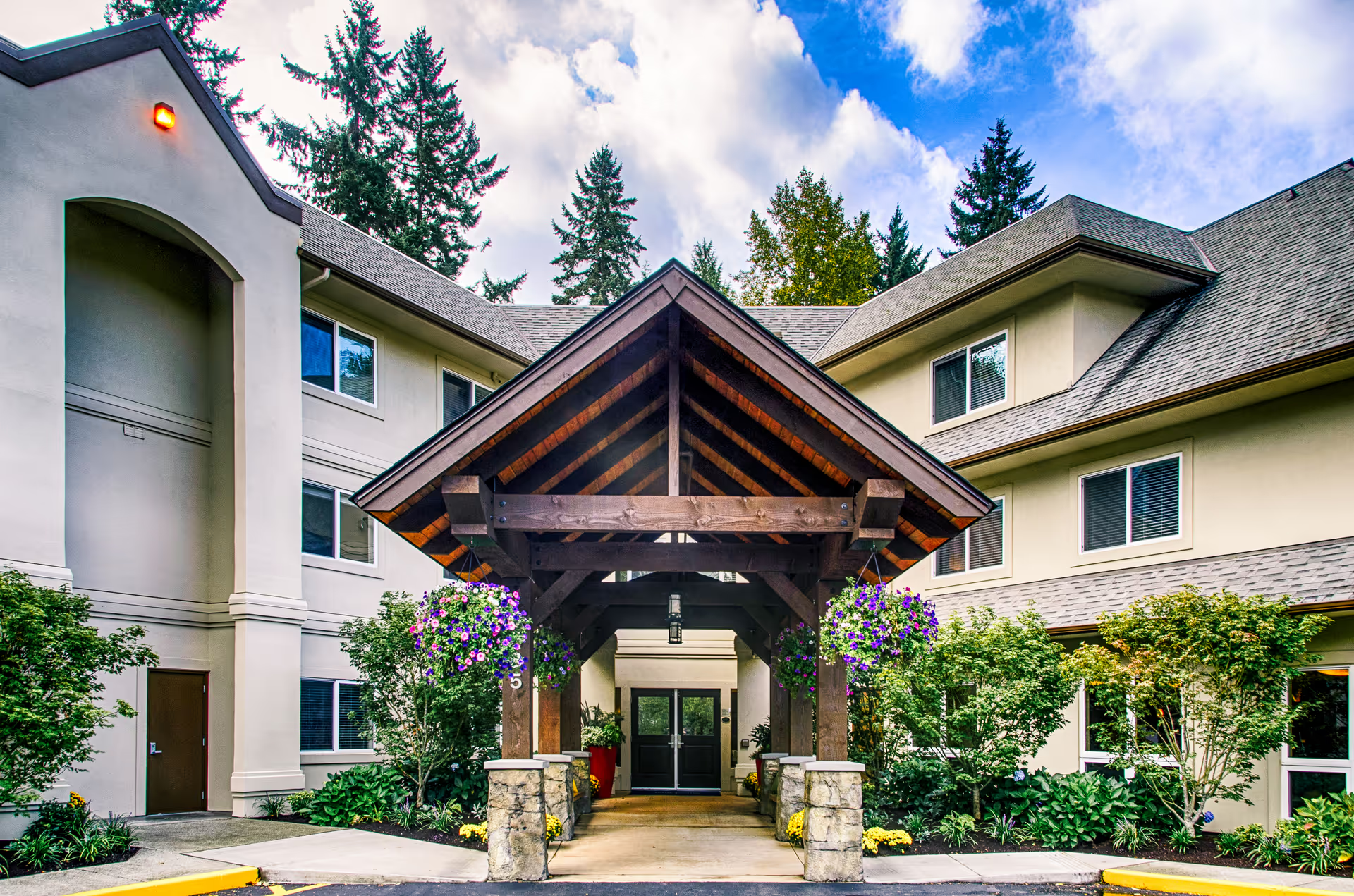
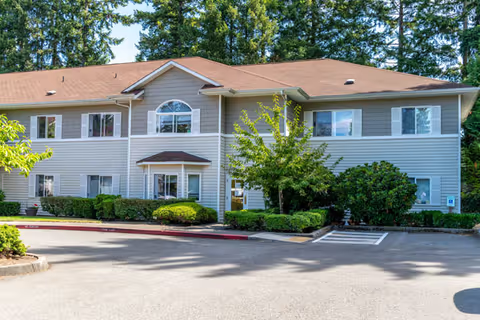
Sunrise of Redmond elicits a broadly positive response around day-to-day caregiving, amenities, and the physical environment, paired with recurring operational and administrative concerns. Many families and residents emphasize compassionate, attentive caregivers, a warm admissions team, strong nursing support, and a wide range of activities that create an active, social community. The community has undergone recent remodeling; reviewers praise clean, hotel-like interiors, attractive courtyards and walking paths, multiple studio options, pet-friendly programming, and generally good housekeeping. Dining quality is frequently described favorably, with generous portions and appealing menus. Move-in, respite stays, and onboarding are often characterized as smooth and supportive.
At the same time, a consistent pattern across reviews points to organizational weaknesses that affect family confidence. Administrative communication and follow-up are frequently described as inconsistent: examples include unclear fee practices, post-stay billing adjustments, promises or waivers that were not uniformly honored, and difficulties reaching staff by phone. These process issues extend to checkouts and billing reconciliation. Several reviewers also flagged gaps in coordination with outside therapy providers and challenges obtaining therapy scheduling or follow-up when external vendors are involved.
Operational delivery shows variability. While many reviewers praised the caregiving team for personalized attention and nursing competency, others described periods of understaffing, long waits for assistance with activities of daily living, and occasional delays in clinical or emergency response. Medication-management practices are generally viewed as a strength by some families but were called inconsistent in other accounts, indicating variability in clinical processes or oversight. Staff turnover, particularly in dining and direct-care roles, was noted as a factor that can disrupt service continuity and resident experience.
Activity programming and social fit are generally strengths but are not universally appropriate. The community offers a busy, group-oriented calendar that suits highly social and active residents; however, several families described the environment as potentially intimidating for less-active or more private individuals, and a few reviewers felt some activities were simplistic or not well matched to certain cognitive or mobility needs. Facility limitations tied to renovation work and the building’s footprint were also mentioned: narrow hallways affecting maneuverability, intermittent elevator outages, and ongoing maintenance projects that can temporarily affect accessibility.
In sum, Sunrise of Redmond presents a well-maintained, engaging community with many operational strengths in caregiving, dining, and environment. Prospective residents and families should weigh those strengths against recurring administrative and operational issues: confirm fee and waiver details in writing, clarify how clinical needs (including medication oversight and external therapy) are coordinated, and assess whether the community’s activity level and physical layout fit the prospective resident’s preferences and mobility needs. These targeted inquiries can help set realistic expectations and reduce the risk of later administrative or service mismatches.