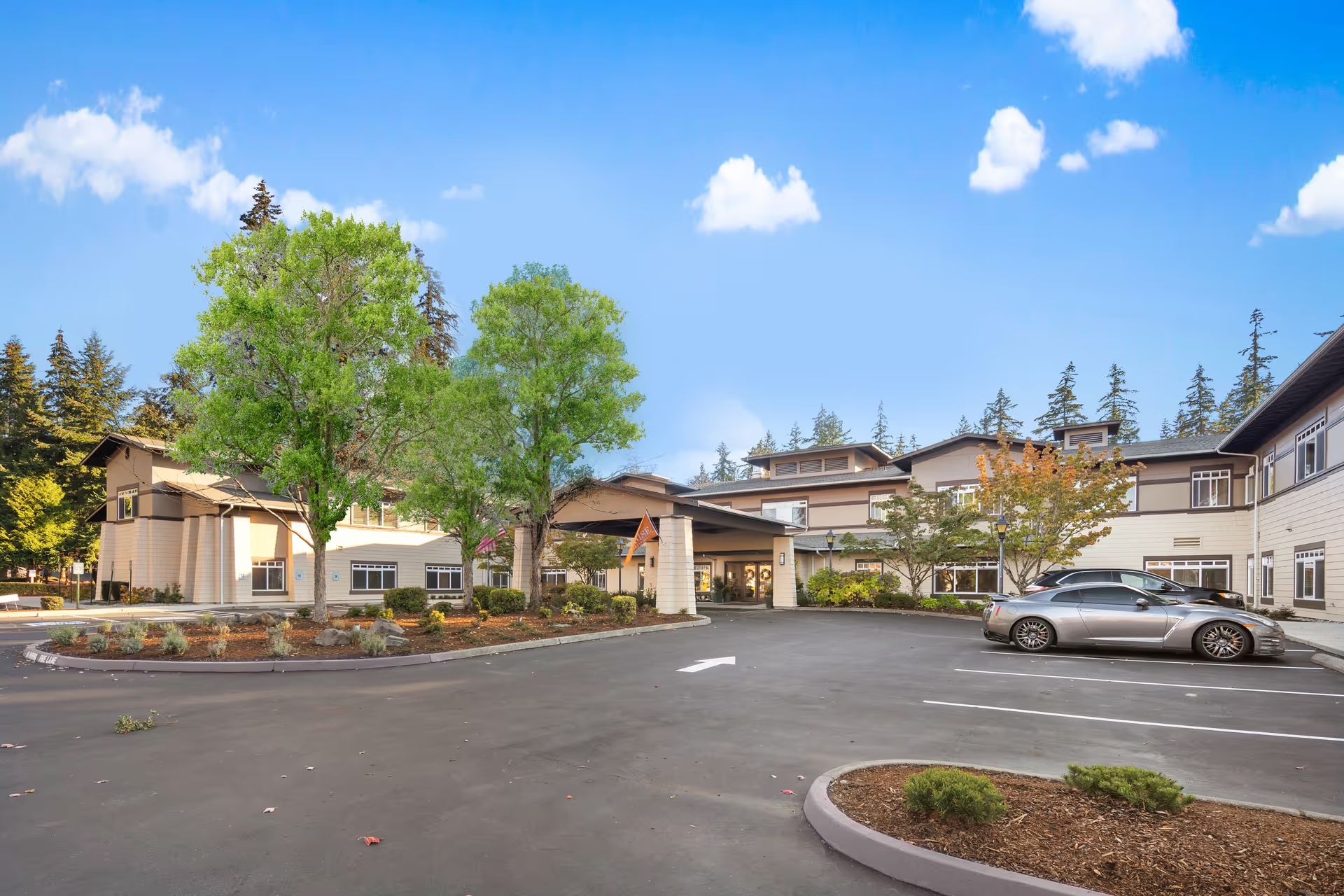
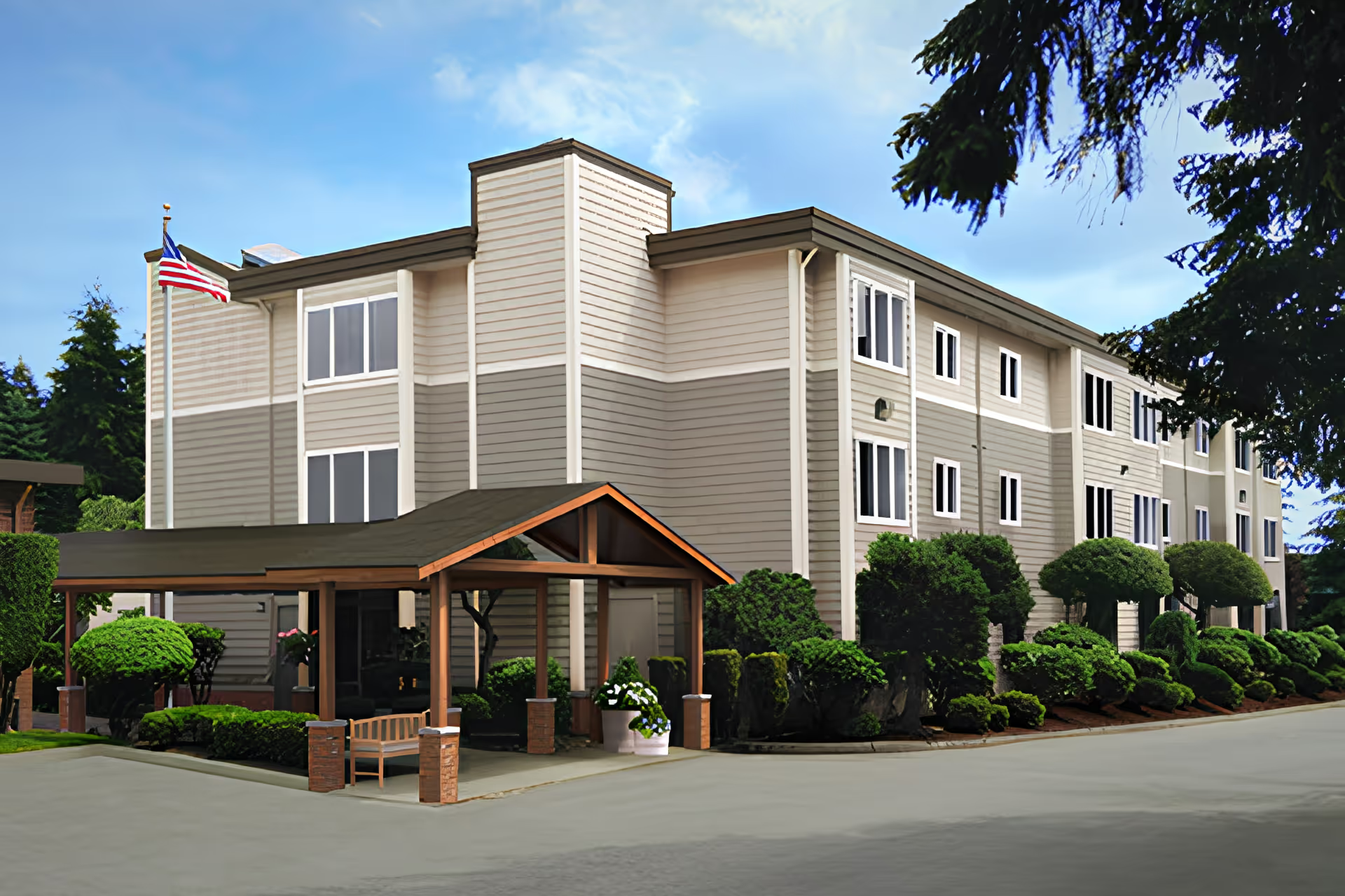
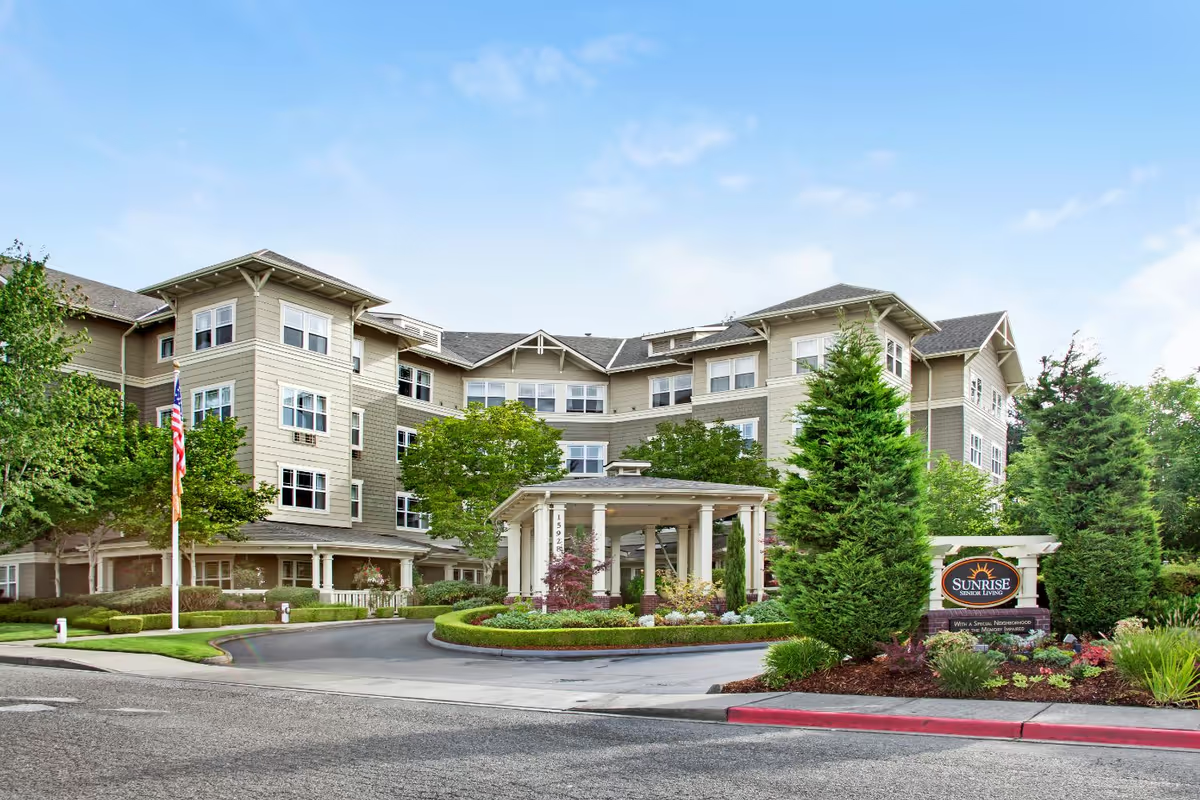
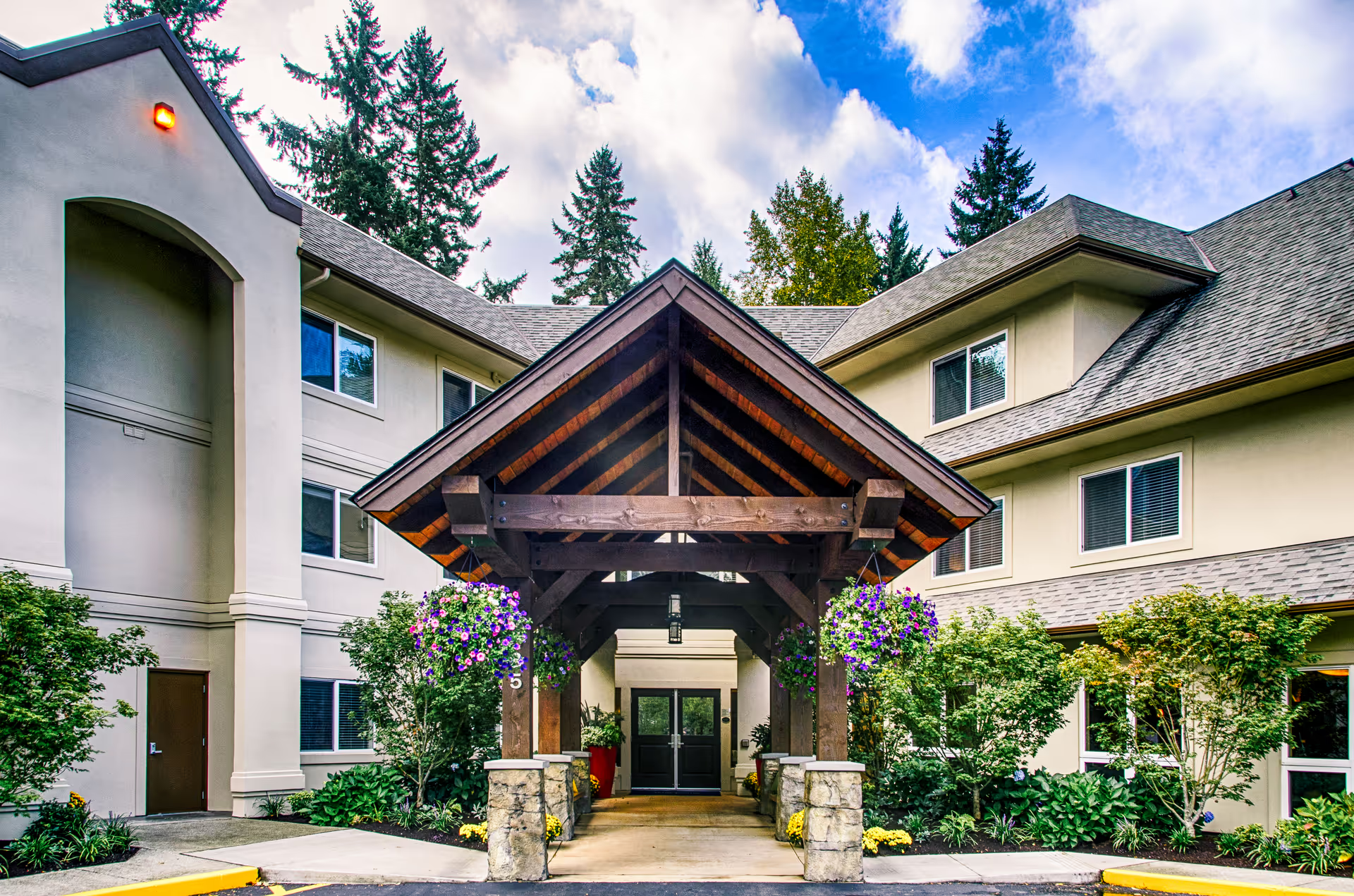
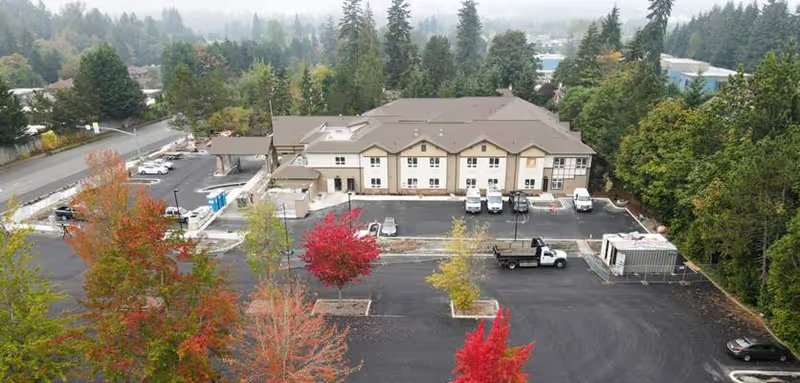
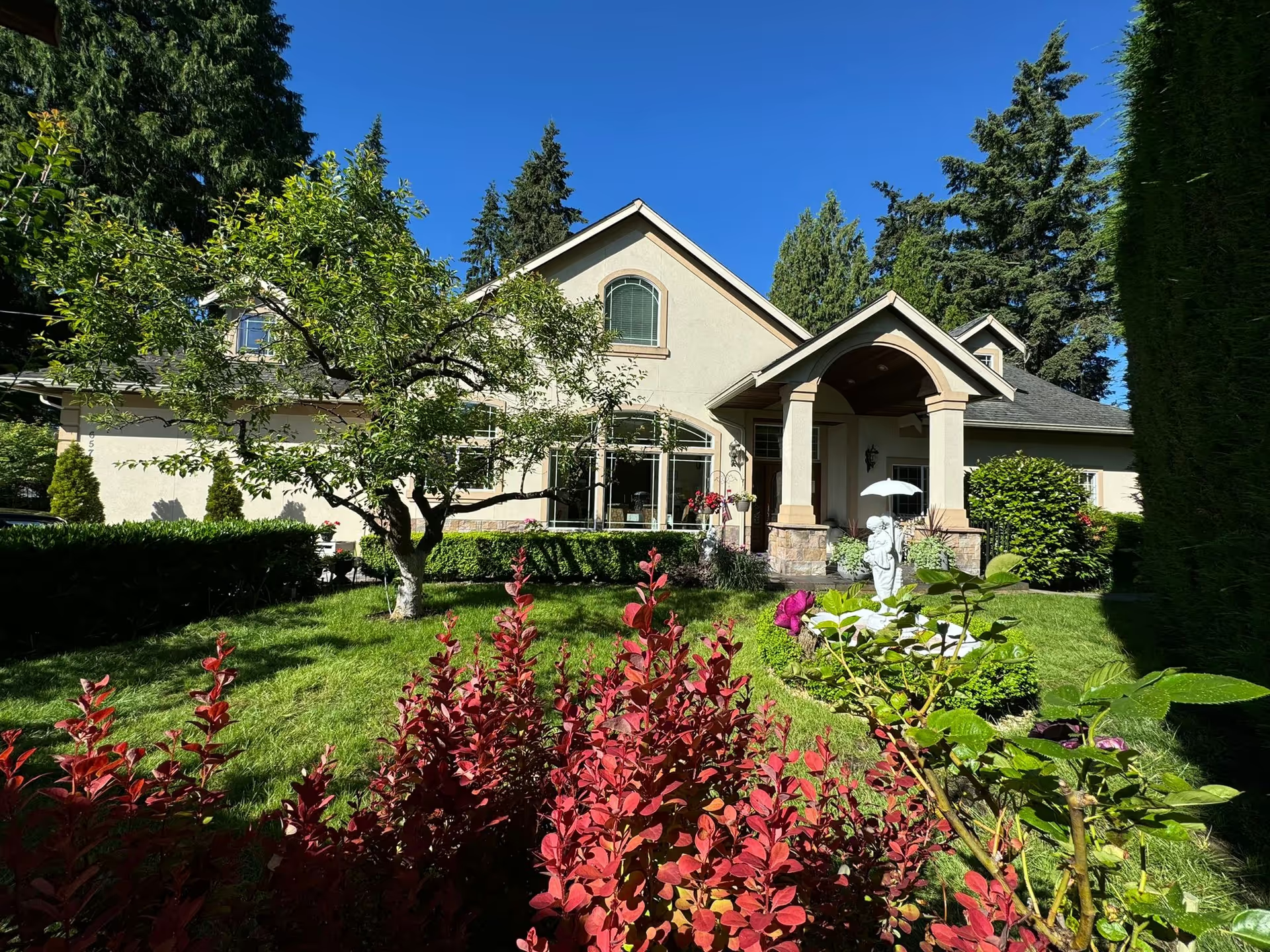
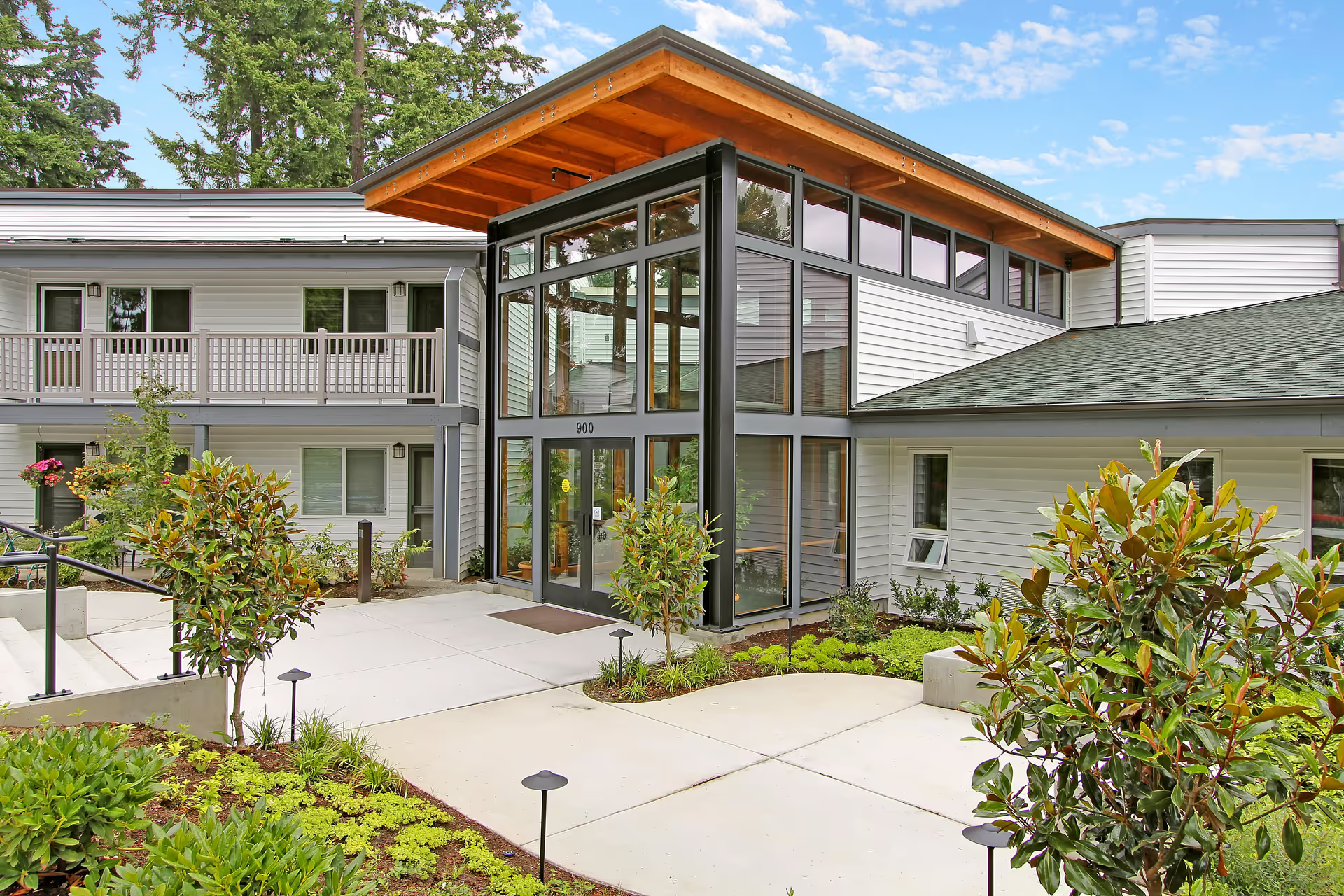
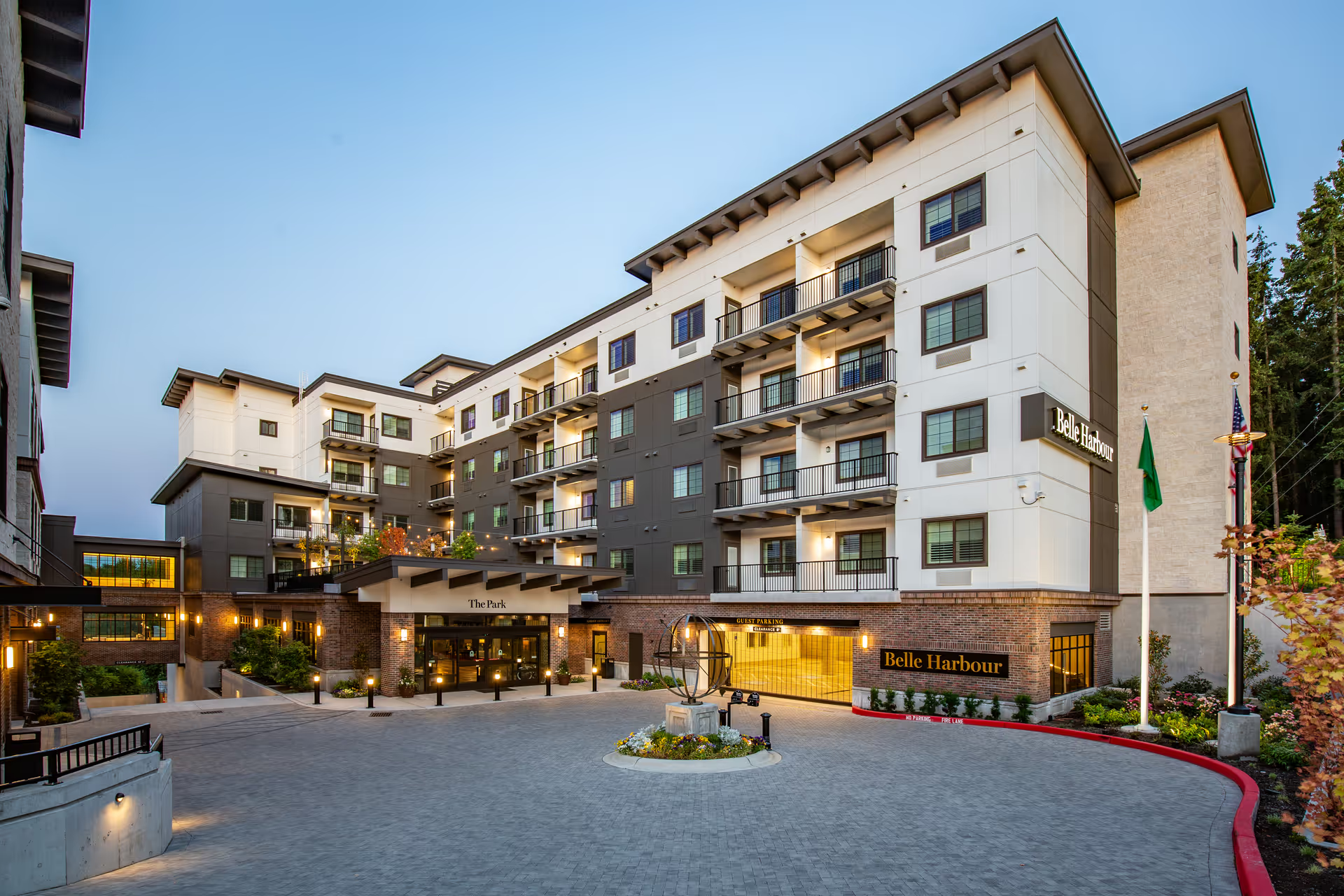
Overlake Terrace presents a mixed but clear profile: the physical campus and programmatic offerings are strong, while operational consistency fluctuates. The community is frequently praised for its clean, renovated spaces, plentiful amenities (theater, gym, library, bistro), outdoor courtyard and garden areas, and on-site rehabilitation/wellness services. Activities programming is a prominent strength — residents and families commonly cite frequent events, live music, outings and varied social opportunities that support an engaged lifestyle. Families also highlight individualized touches such as staff knowing residents by name and the availability of a family-adaptable dining room.
Care and staffing show a split pattern. Many reviewers describe compassionate, attentive caregivers, capable med-techs, and an executive leadership style that can be very hands-on and supportive. At the same time, there is a recurrent pattern of staffing instability: high turnover, staff cuts, and weekend or agency staff unfamiliar with unit needs. Those operational issues are associated with longer response times to call buttons, delayed assistance with activities of daily living, and uneven coverage in memory care. Several families emphasized that care quality is noticeably better when leadership and direct-care staff are stable.
Dining and domestic services receive mixed feedback. The dining program offers flexible options, private family dining, and frequent praise for specific meals and desserts. However, reviewers also note inconsistent food quality, small or variable portions, and occasional menu items that do not meet dietary expectations. Housekeeping and laundry are generally cited as adequate, but there are repeated comments about missed laundry pickups, delayed room service, and inconsistent follow-through during staffing shortages. Maintenance responsiveness is regularly mentioned as a positive counterpoint to these domestic inconsistencies.
Management and communication reveal both strengths and weaknesses. Several reviews commend proactive family advisors and directors who are transparent about fees and supportive during moves. Conversely, other families report management turnover, slow or insufficient responses to grievances, and unfulfilled operational promises (transportation, activity schedules, heating or water outages). There are also references to serious concerns raised to regulators, including allegations of theft and citations — these are less common but important to verify directly with the provider and state records.
Facilities and memory-care environment are generally described as attractive and modern, though impressions vary by unit. Assisted and independent living areas are often bright and renovated; memory-care feedback ranges from well-designed, Montessori-style programming to descriptions of smaller, darker rooms and a more institutional feel. Apartment size and accessibility are a recurring practical concern for prospective residents, with some units described as smaller than expected and not fully ADA-compliant.
Notable patterns for prospective residents and families: when staffing and leadership are consistent, the community scores highly on care, activities and amenities; when turnover or budget-driven staff cuts occur, families report declines in responsiveness, activity frequency and domestic services. Before deciding, visitors should ask explicitly about current staffing ratios (including memory care), weekend coverage, recent regulatory actions and how the community handles missed services (laundry, meals, transportation). An in-person tour during a regular weekday and a conversation with current family contacts can help validate the operational stability behind the facility’s strong amenities and programming.