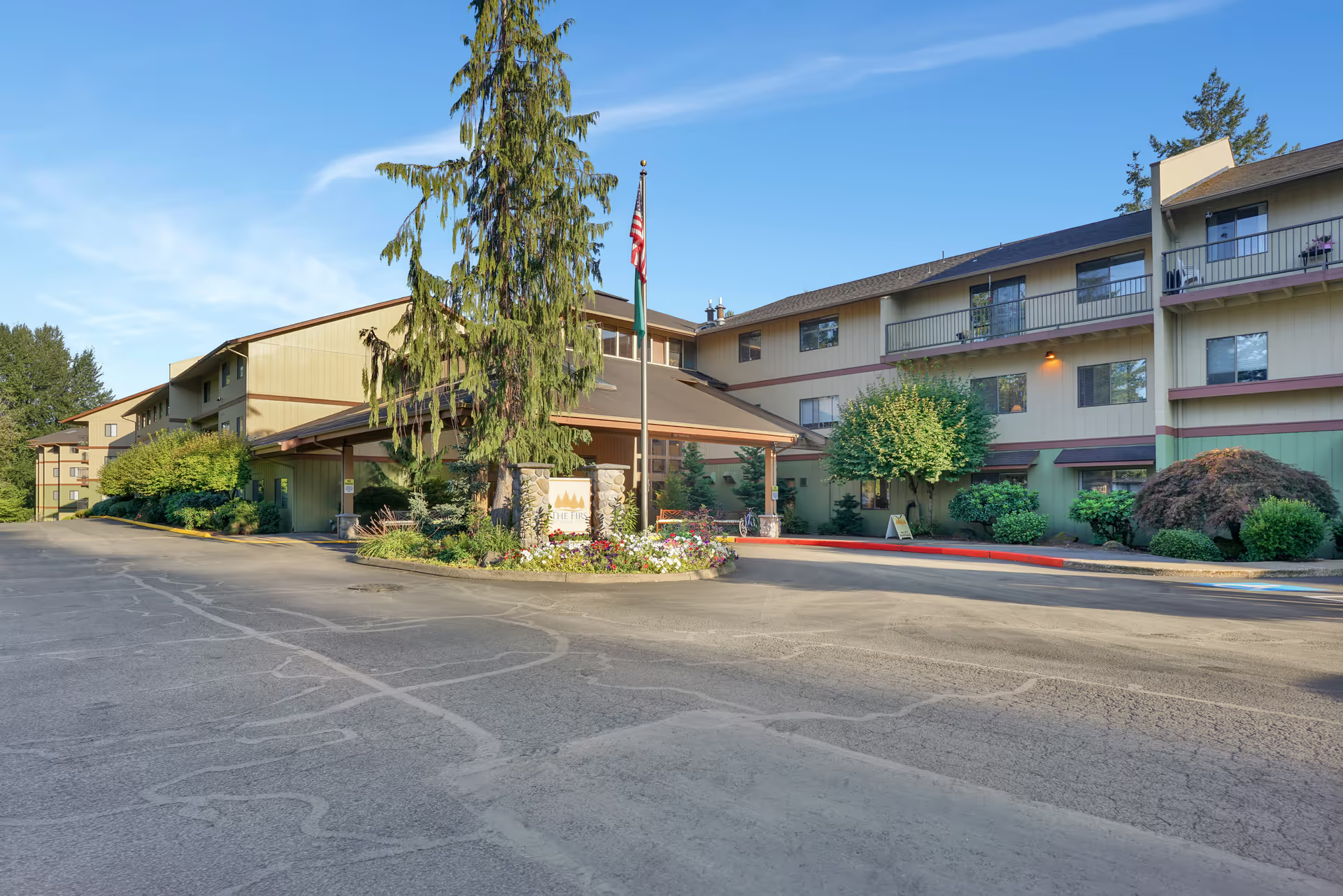
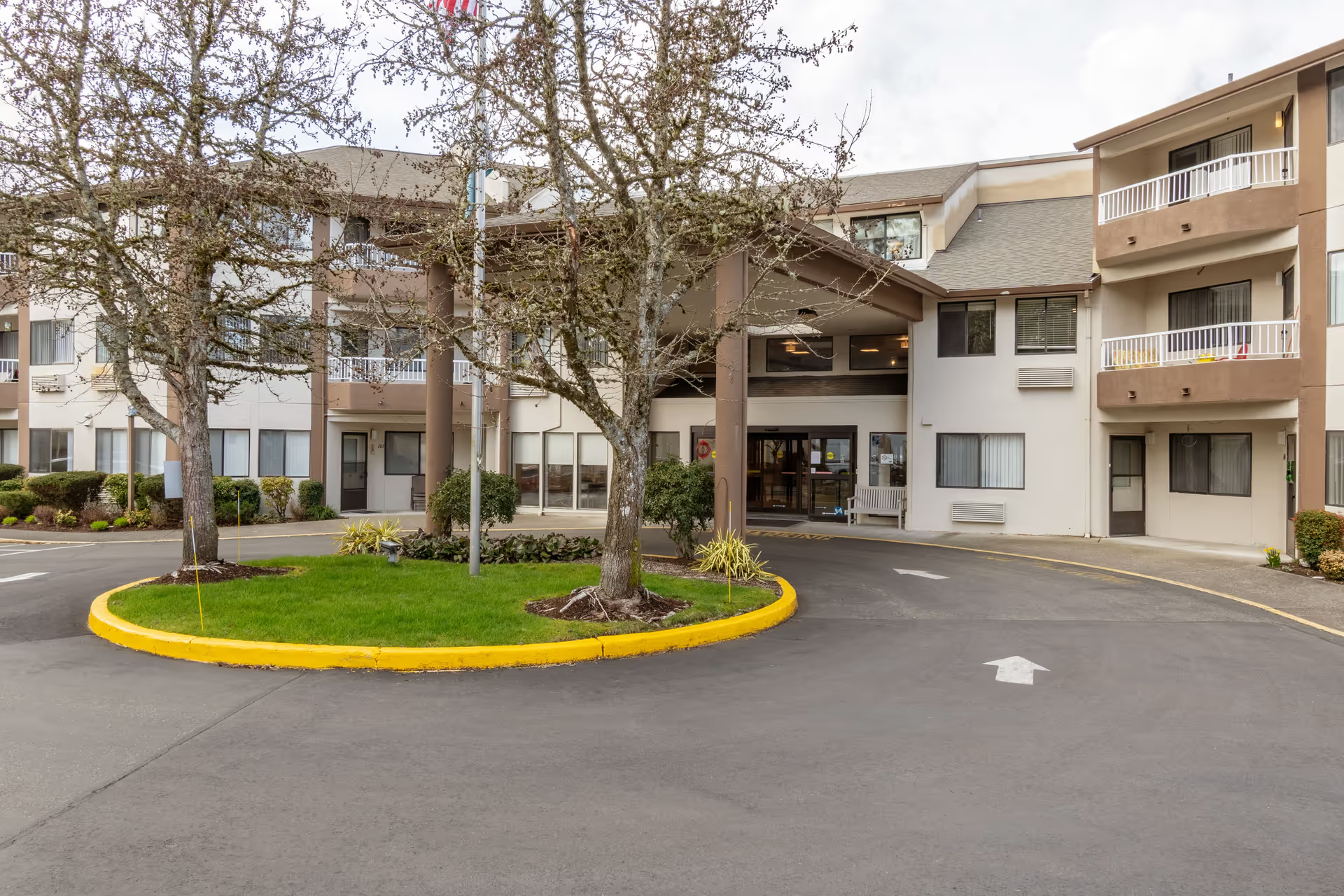
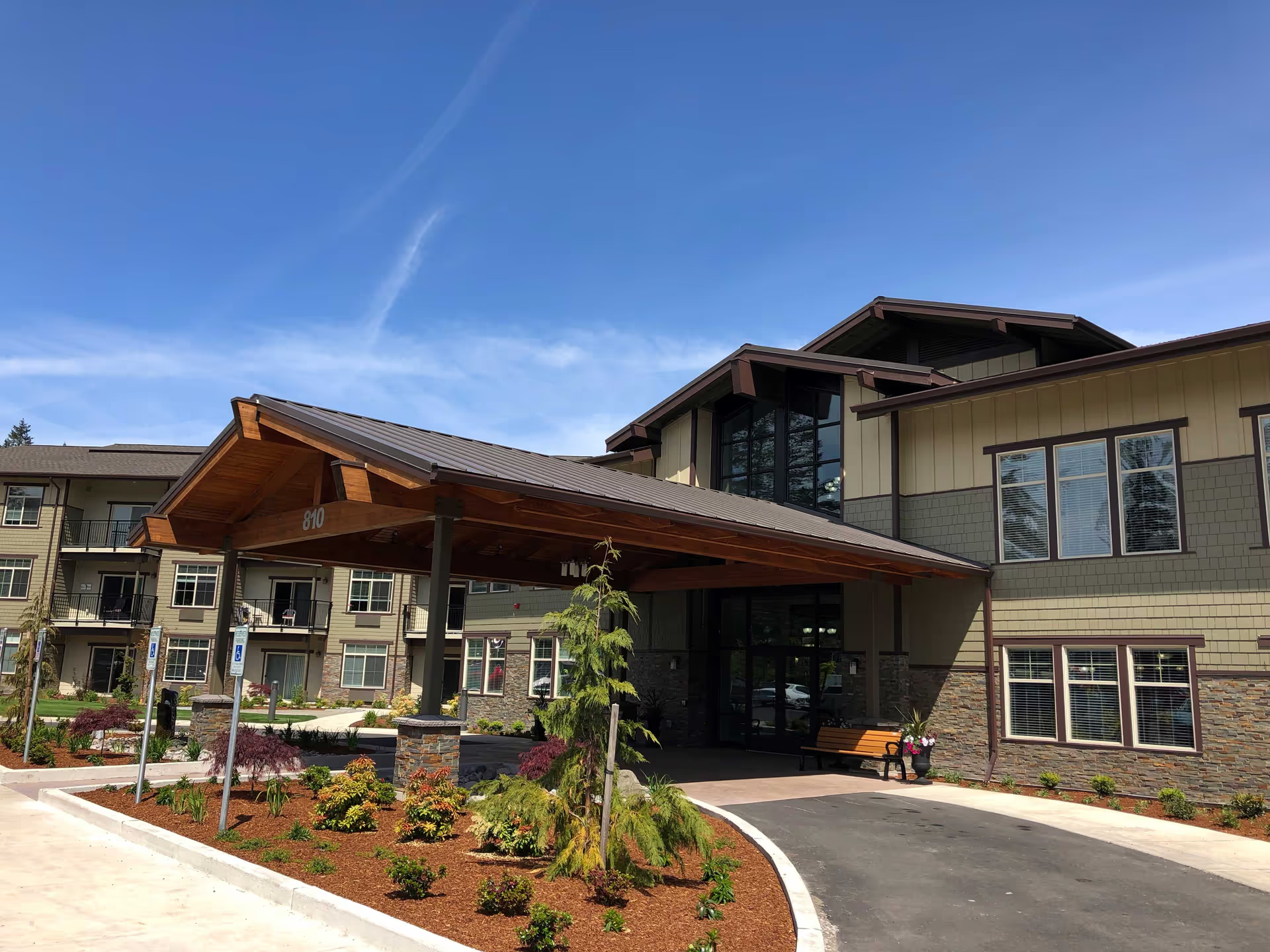
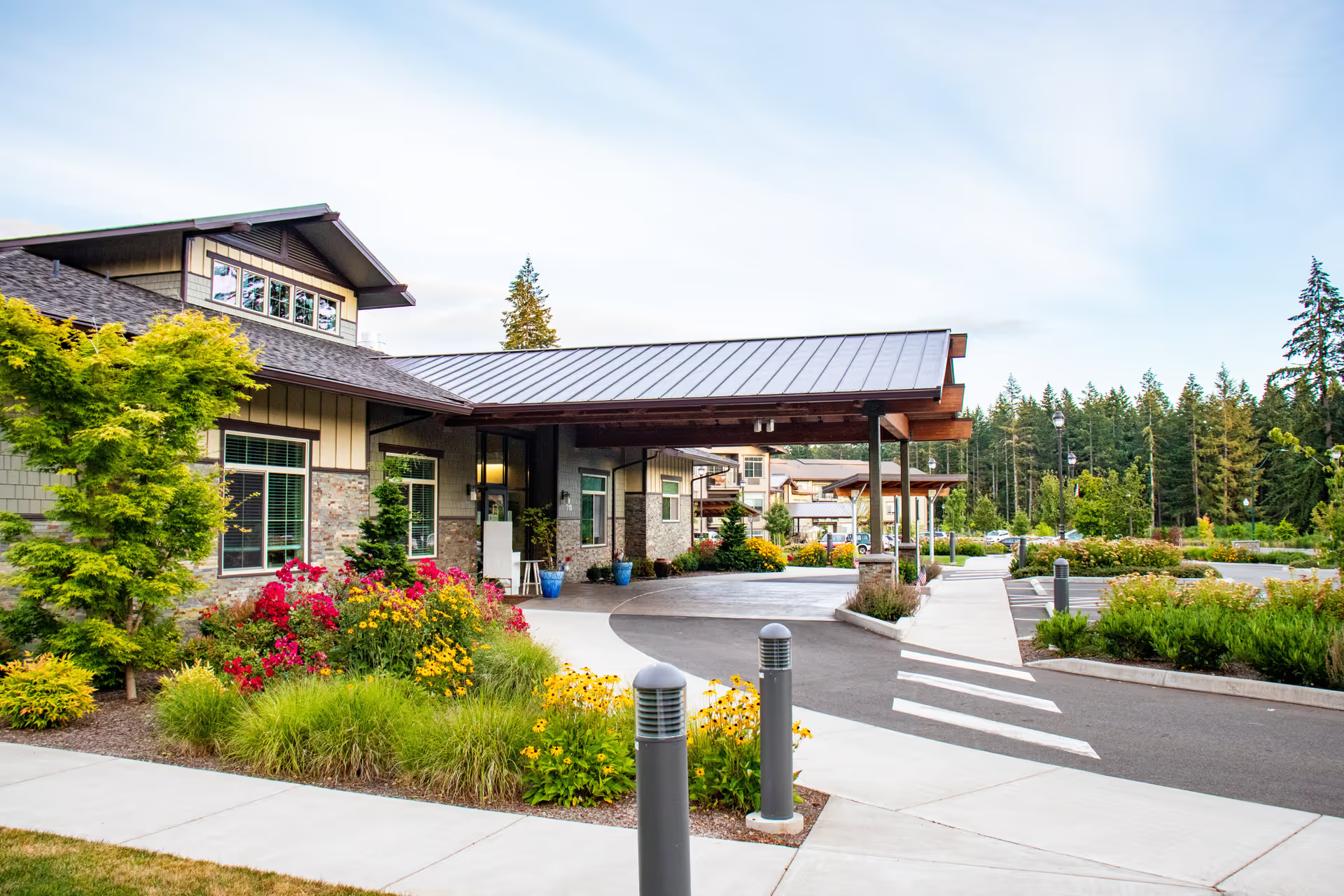
Overall impression Lacey Post Acute & Rehabilitation elicits strongly mixed but clear patterns. Many families and residents praise the facility for compassionate bedside care, a robust therapy program, and a clean, modern environment that supports rehabilitation progress. At the same time, recurring operational weaknesses — especially around staffing, medication and documentation controls, and family communication — appear frequently enough to warrant focused questions during a placement decision.
Care quality and staff The facility's clinical rehabilitation teams receive consistent positive comments. Physical, occupational and speech therapists are frequently described as knowledgeable, motivating, and effective in producing measurable gains (improved balance, increased mobility, successful discharges home). Nurses and CNAs are often characterized as kind and attentive; several comments single out individual staff and describe helpful, empathic interactions. Counterbalancing those strengths are repeated concerns about front-line capacity and consistency. Reviewers describe extended call-light response times, variable competency among some staff, medication timing and dosing errors, delayed corrections to critical prescriptions, and occasional refusal or inconsistency in performing ordered clinical tasks. There are also recurring notes about transfer and supervision gaps for residents with cognitive impairment, which point to systemic care-safety risks rather than isolated events.
Dining and amenities Dining impressions are mixed. Many reviewers compliment meal customization, accommodating kitchen staff, and specific well-executed meals; others report inconsistent portioning, variable taste and presentation, and occasional scheduling problems that affect continuity of service. The facility's amenities — private rooms, therapy gym, housekeeping, outdoor grounds, and an active events calendar (bingo, entertainment, animal visits, salon services) — are frequently praised and contribute to a positive resident experience for those whose primary needs are rehabilitation and social engagement.
Management, communication, and operations A pronounced area of variability is management and administrative follow-through. Some families describe proactive case management, daily communication from admissions staff, and hands-on leadership. Conversely, many accounts cite slow or inconsistent administrative responsiveness, gaps in discharge planning and transportation coordination, problems accessing records, and billing or insurance communication breakdowns. Several reviewers expressed frustration that promised interventions were not completed and that follow-up on care concerns was uneven.
Safety, sanitation, and serious concerns Sanitation and personal-care processes are a consistent operational theme: reviewers mention supply shortfalls (toiletries and hygiene items), inconsistent bathing and linen practices, and generalized sanitation concerns that affect confidence in long-stay suitability for high-dependency residents. There are also more serious allegations referenced by reviewers, including missing personal items and mentions of regulatory complaints; these deserve direct inquiry with the facility and review of any regulatory records. Infection-control practices (notably prolonged confinement during infectious outbreaks) are also mentioned as an operational factor families should clarify prior to admission.
What to consider when evaluating this facility For prospective residents and families: the facility demonstrates clear strengths for short-term, rehab-focused stays — notably effective therapy services, many compassionate direct-care staff, and a comfortable environment with engaging activities. However, evaluate the facility on staffing ratios and response-time metrics, medication-safety protocols, transfer and dementia-supervision procedures, and administrative follow-through (discharge planning, billing, record access). Ask for current staffing levels, medication-administration audits, policies on personal-item security, and examples of how past complaints were resolved. These targeted inquiries will help weigh the strong rehabilitative outcomes described by many against the operational reliability concerns highlighted by others.