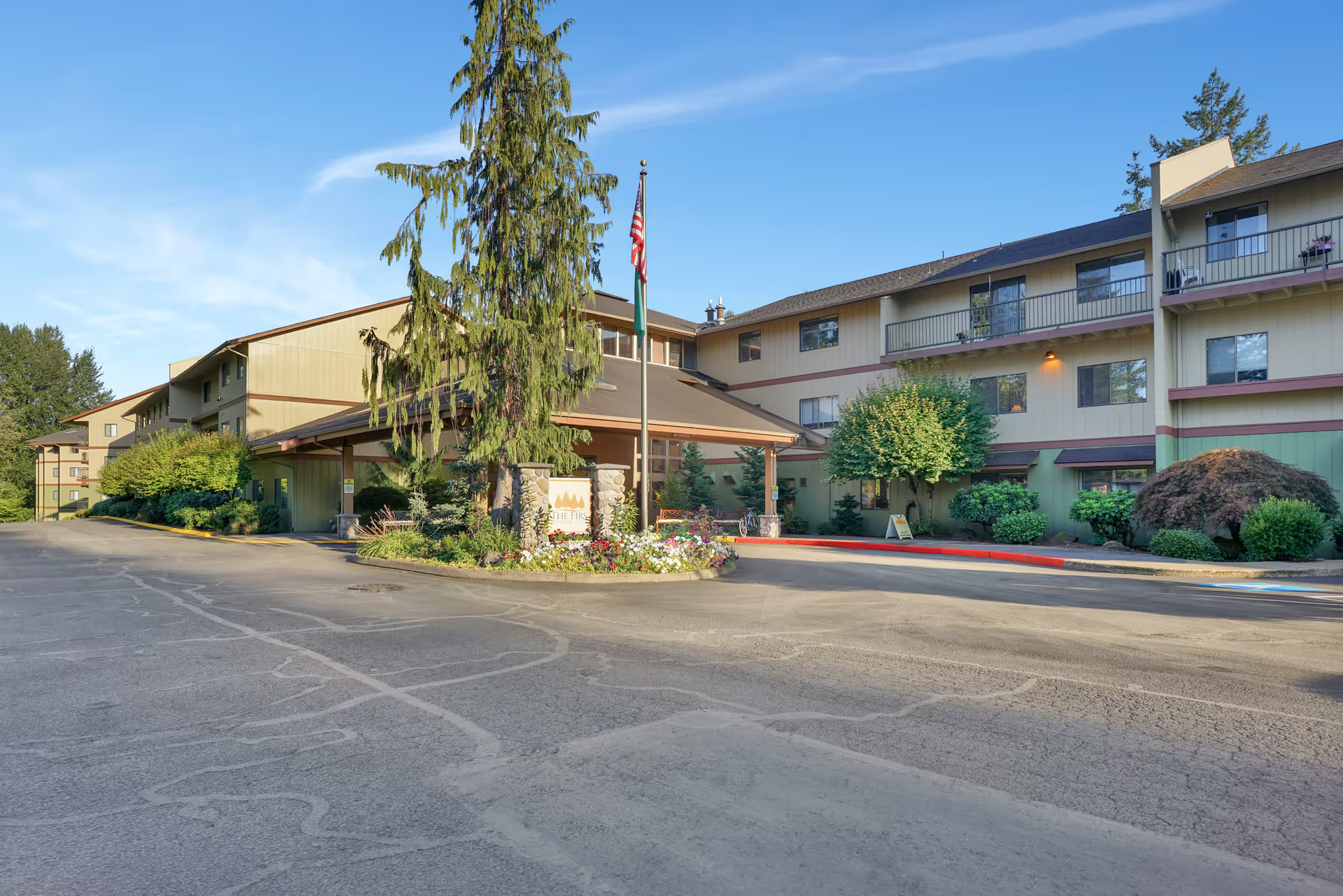
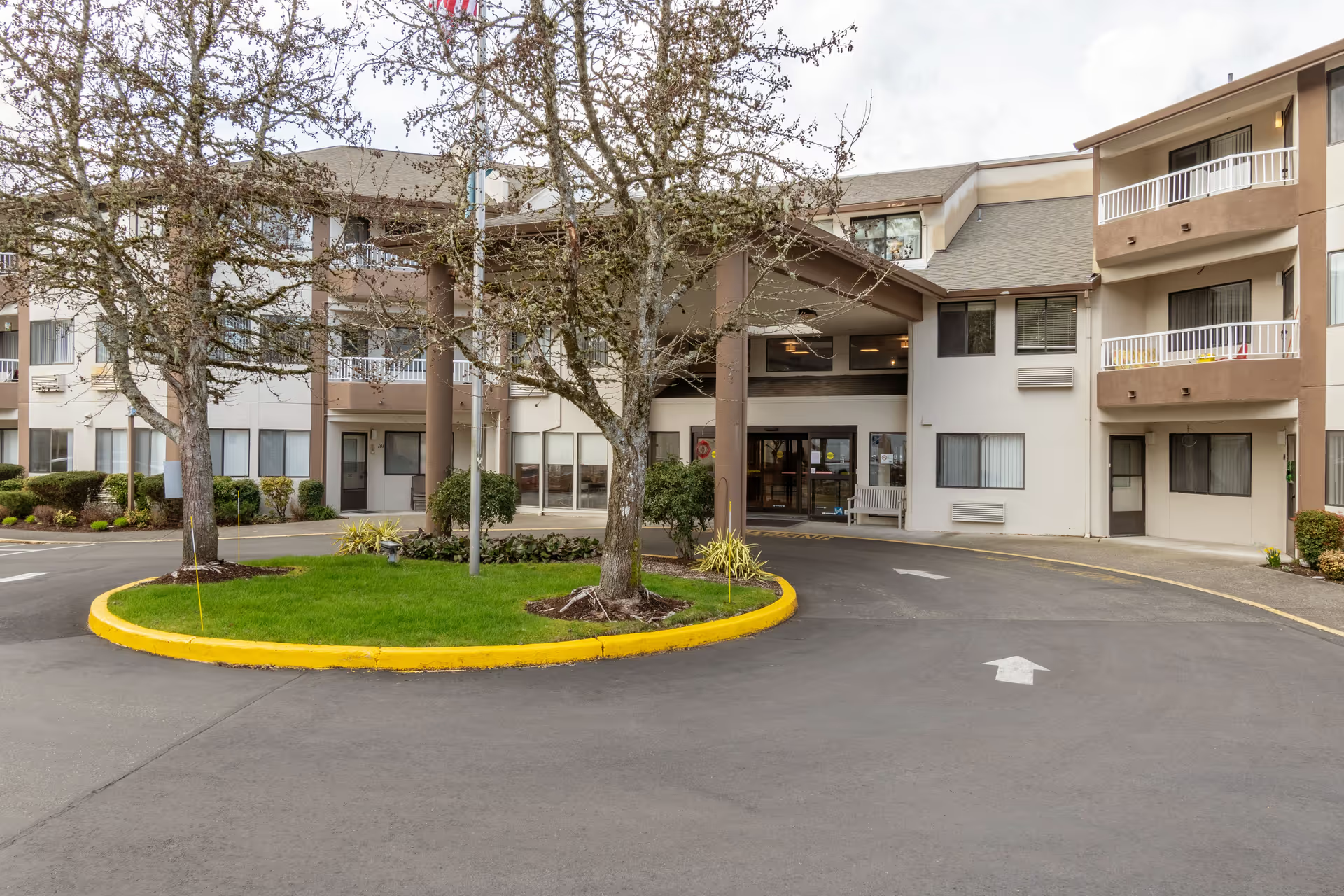
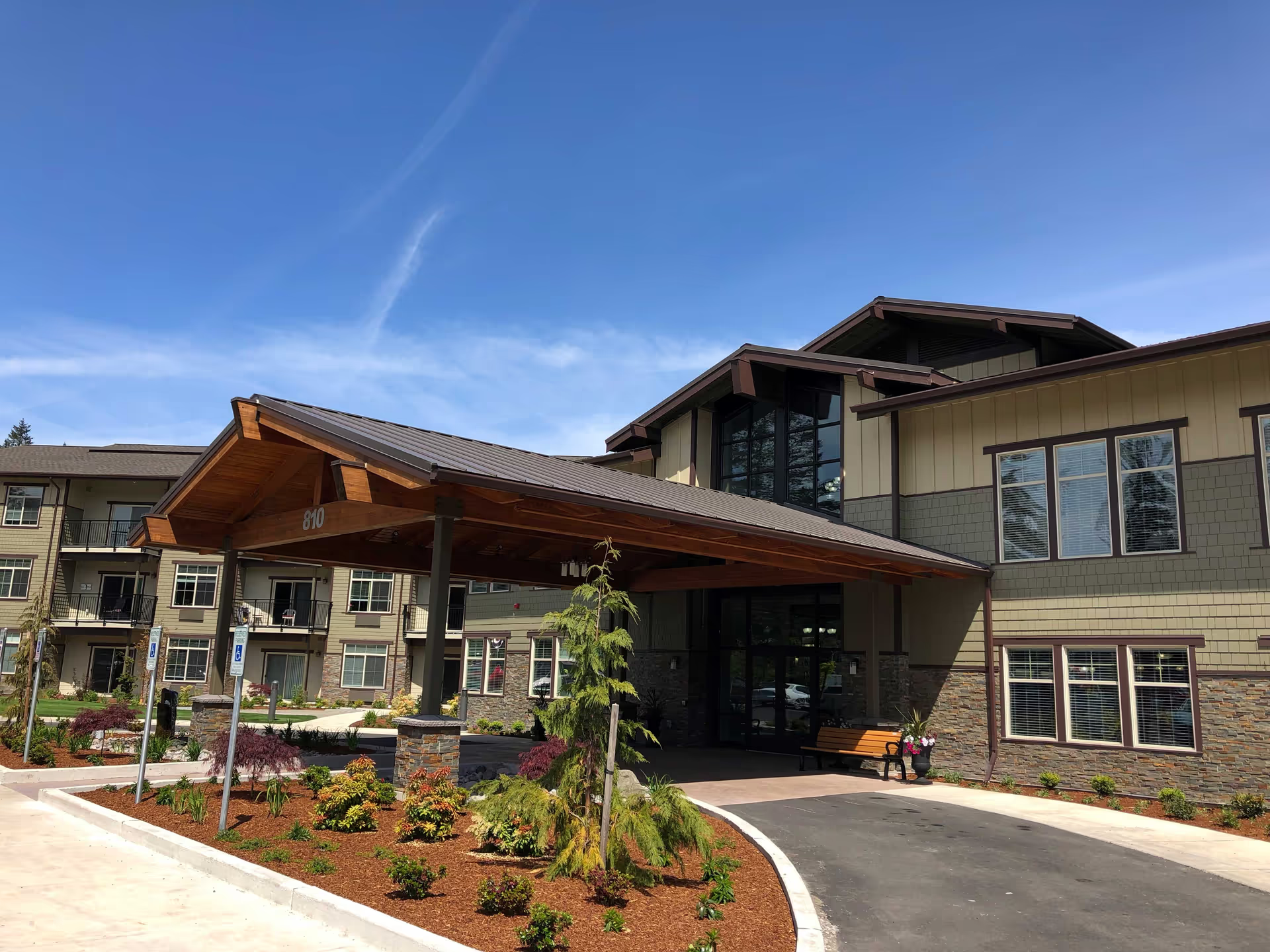
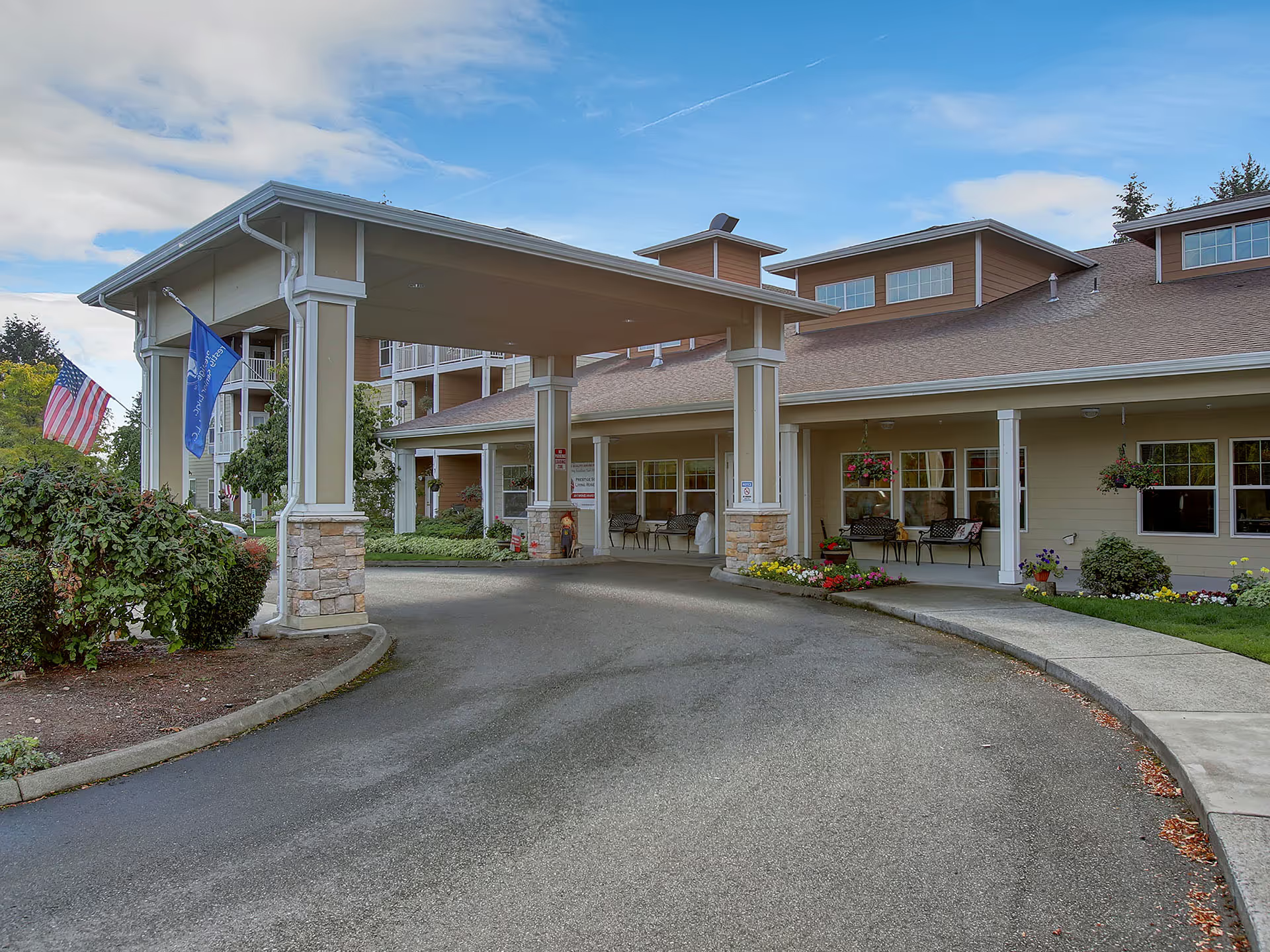
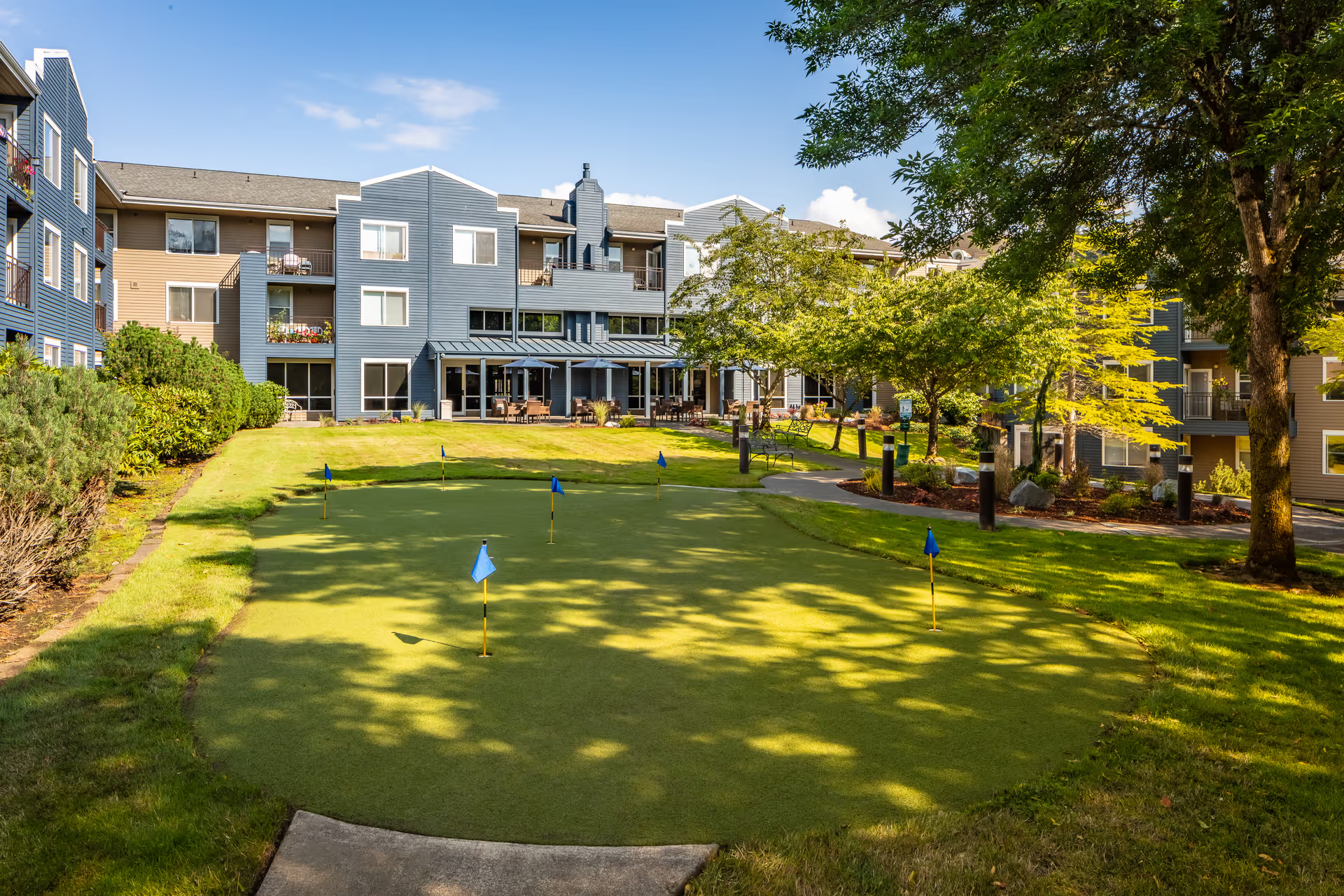
The Lodge at Roo Lan elicits largely positive feedback for its staff, rehabilitation services, and family communication. Many families praise the nursing teams, admissions staff, and social workers for warmth, frequent updates, and hands‑on assistance during transitions. Rehabilitation and therapy are a recurrent strength; reviewers describe measurable progress in mobility and functional recovery and note therapists who communicate goals and progress. The facility’s common areas, gardens, and several residential neighborhoods are frequently described as clean, home‑like, and well maintained, and transportation/shuttle services and dining accommodations (including individualized diets) are appreciated by many families.
Care quality is characterized by strong interpersonal care and attentive bedside staff, including several mentions of helpful nurse practitioners and organized medication packaging. At the same time, there is notable variability in operational consistency. Families describe uneven staffing levels, frequent use of agency or temporary personnel, and differences in service between daytime and evening shifts. These issues link to concerns about responsiveness to call buttons, delays in personal‑care tasks (for example, bathing frequency), and occasional missed housekeeping tasks. Clinical oversight is generally present, but some reviewers raised concerns about physician availability and wound/infection management in specific cases; a small number of serious individual clinical concerns and end‑of‑life coordination issues were reported and warrant direct inquiry during any evaluation.
Dining and activities receive mixed but specific feedback. Numerous reviewers compliment the food—homemade soups, accommodated substitutions, and dietitian customization are cited—while others find meal quality inconsistent, portions small, or meals served cold. Activity offerings and social engagement are praised in some parts of the campus (memory care and social areas), but other comments note limited programming or requests for a fuller activities director presence. Noise and roommate crowding, especially in shared rooms, were reported as factors that can disrupt sleep and privacy.
Facility condition is a mixed picture: many common spaces and memory‑care neighborhoods are described as bright and clean, yet the nursing‑home side and older building sections show signs of wear and in some cases need refurbishment (mattresses, carpets, baseboards). Management and admissions staff receive strong positive mentions for helpfulness and communication; however, there are recurring notes about episodic communication gaps with external clinicians and hospice, and varying follow‑through on certain care plan details.
Overall, Roo Lan is frequently recommended for families prioritizing compassionate daily care, strong therapy services, and clear communication during short‑term rehabilitation or respite stays. Prospective residents and families should verify current staffing ratios, physician and night‑shift coverage, cleaning protocols, and how the facility coordinates complex clinical needs or hospice to ensure the level of clinical oversight required for medically fragile individuals.