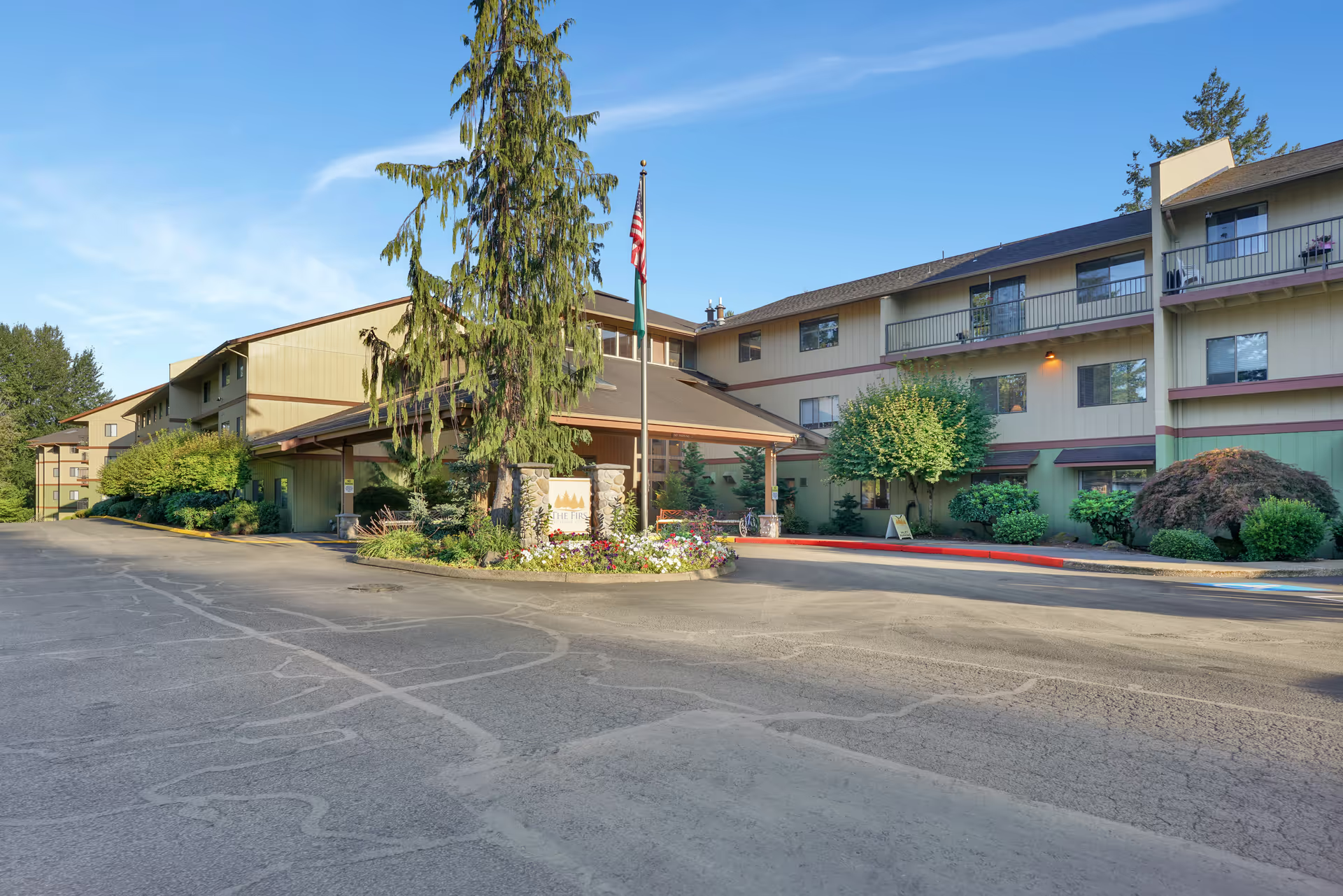
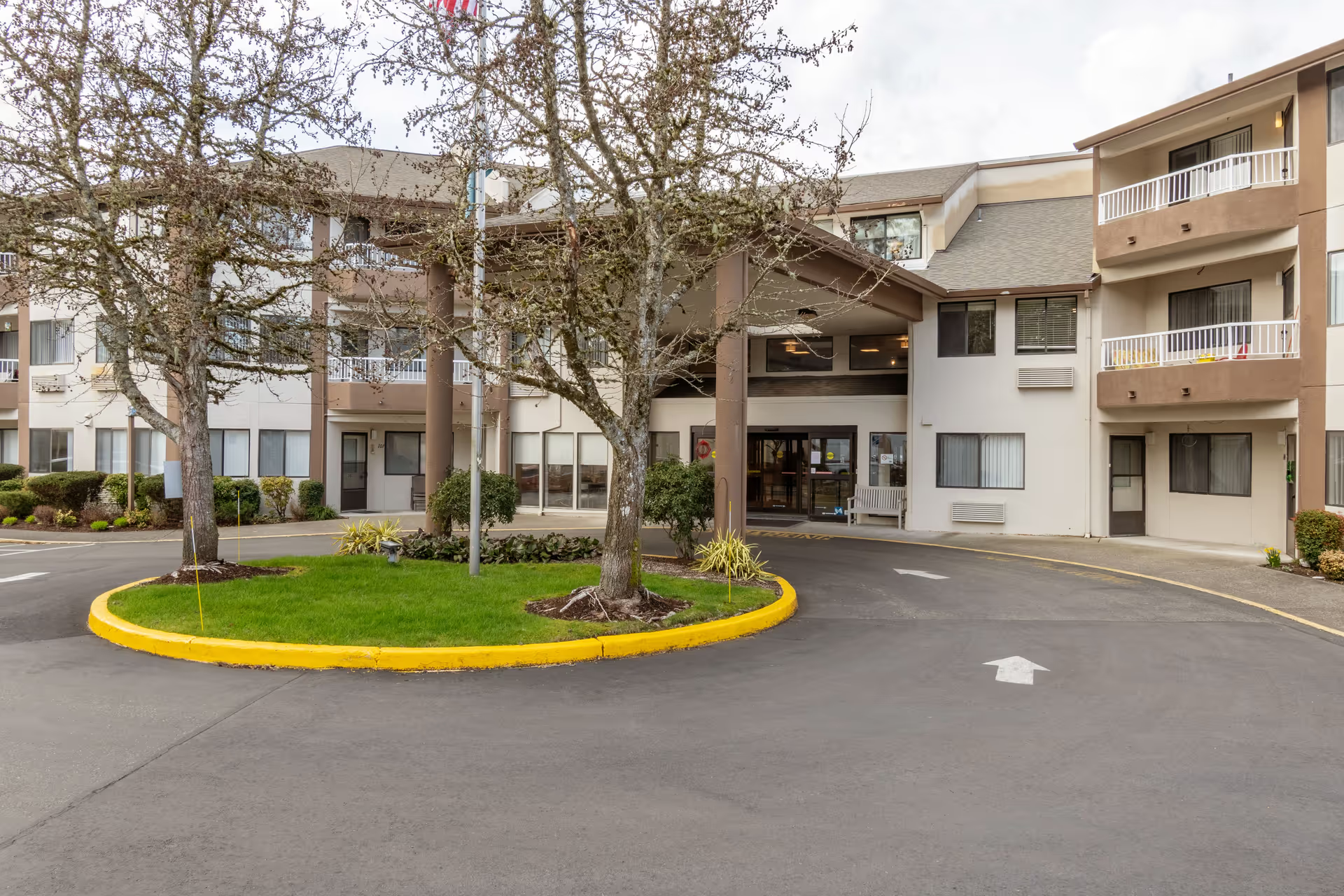
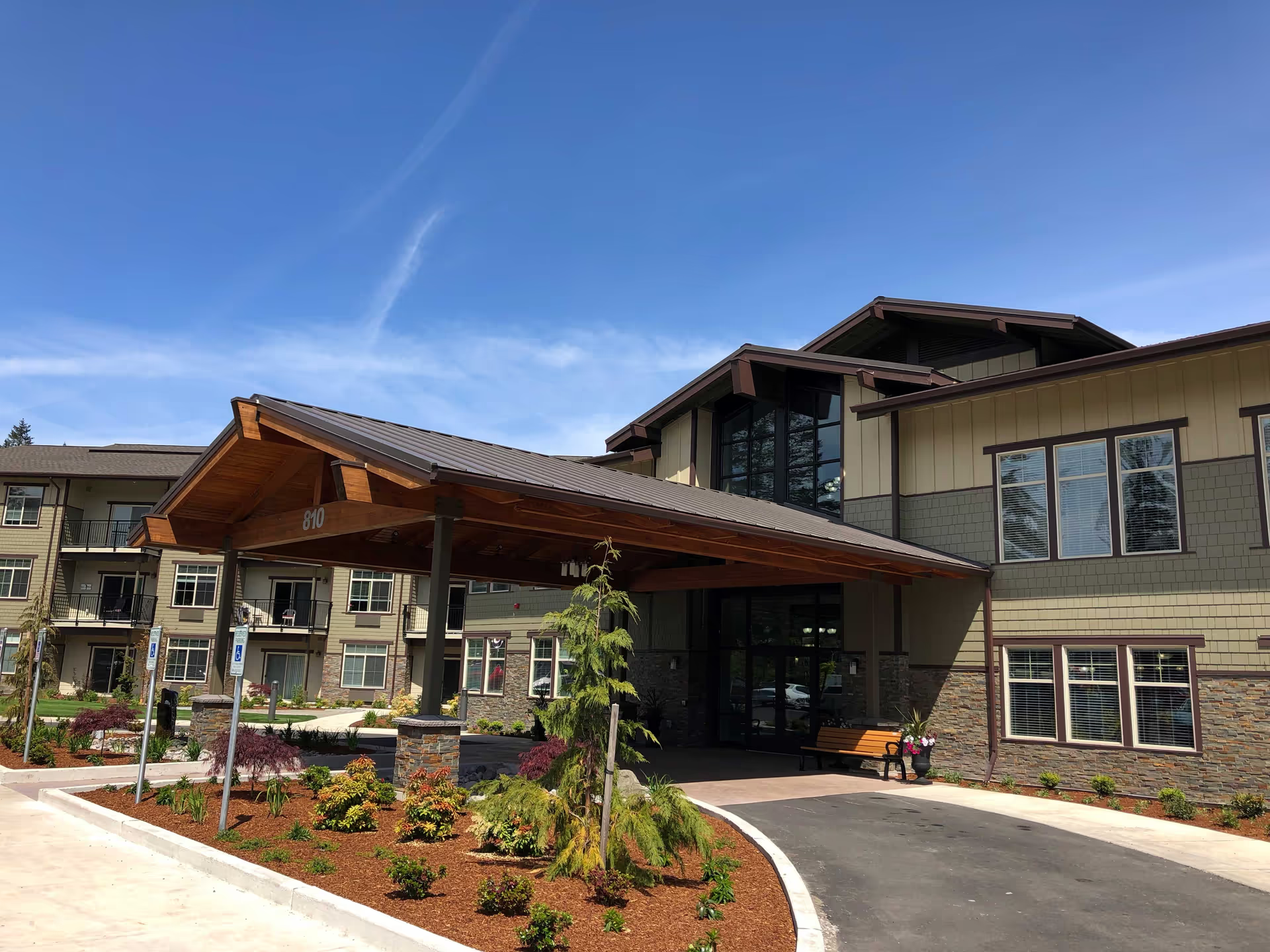
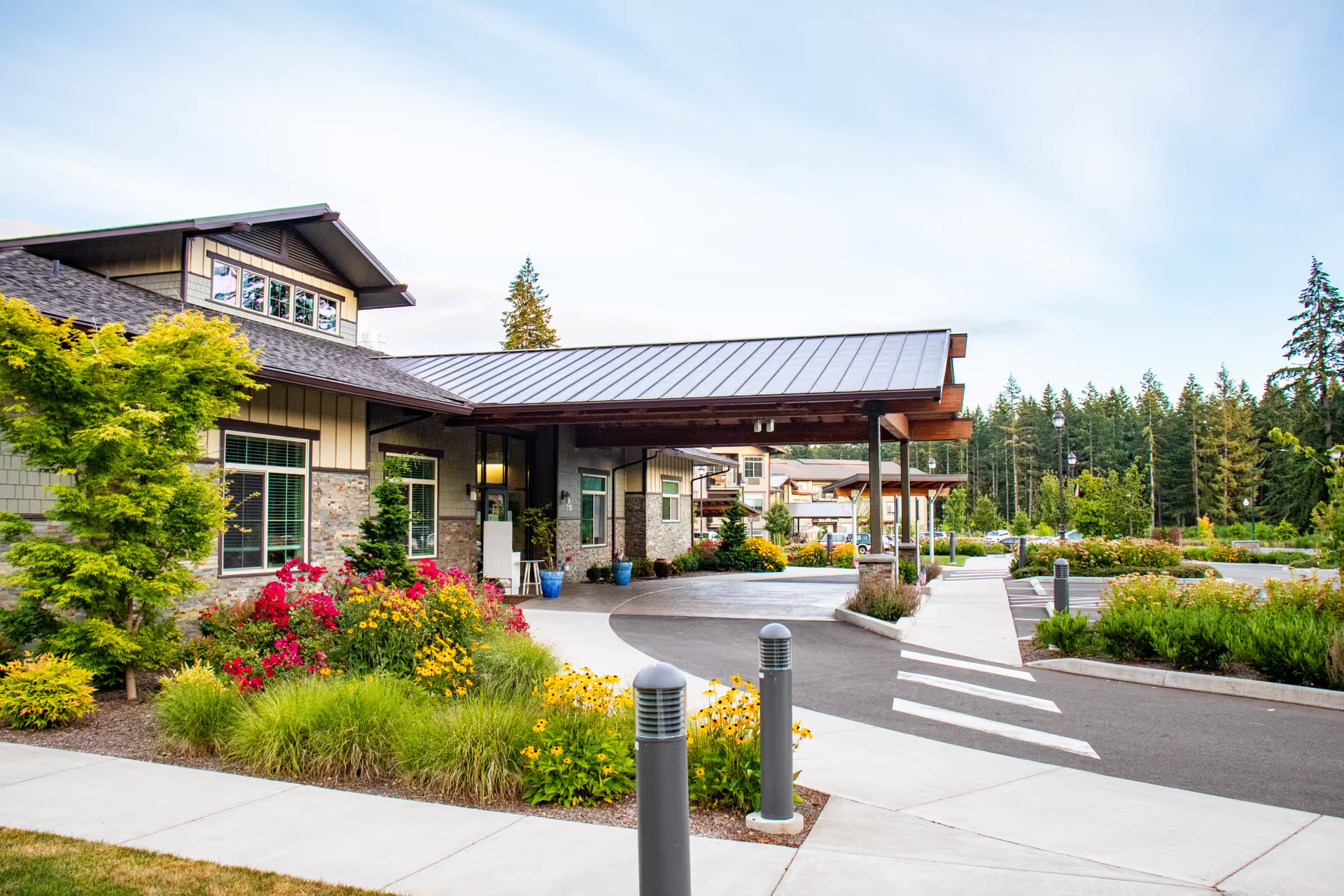
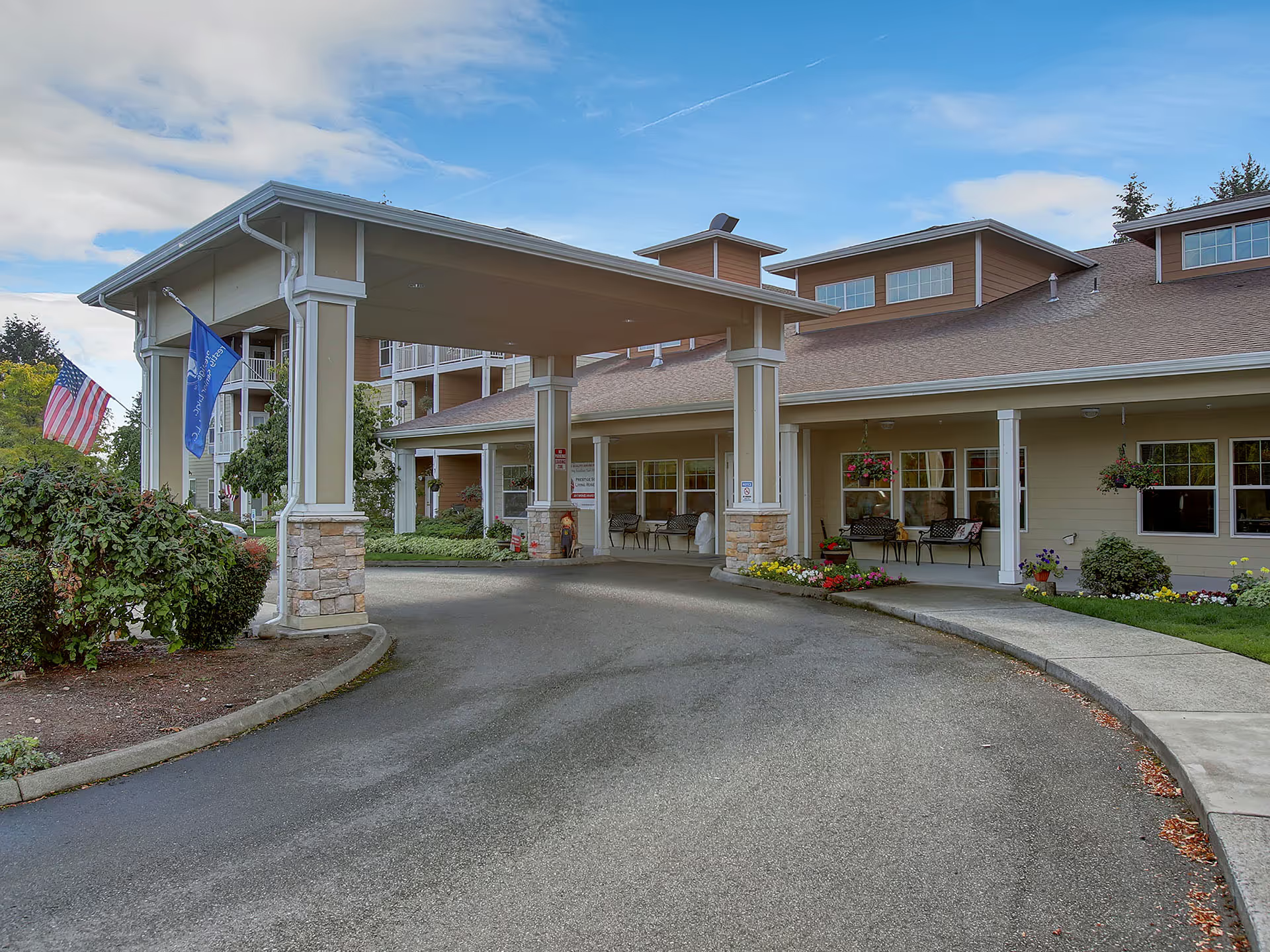
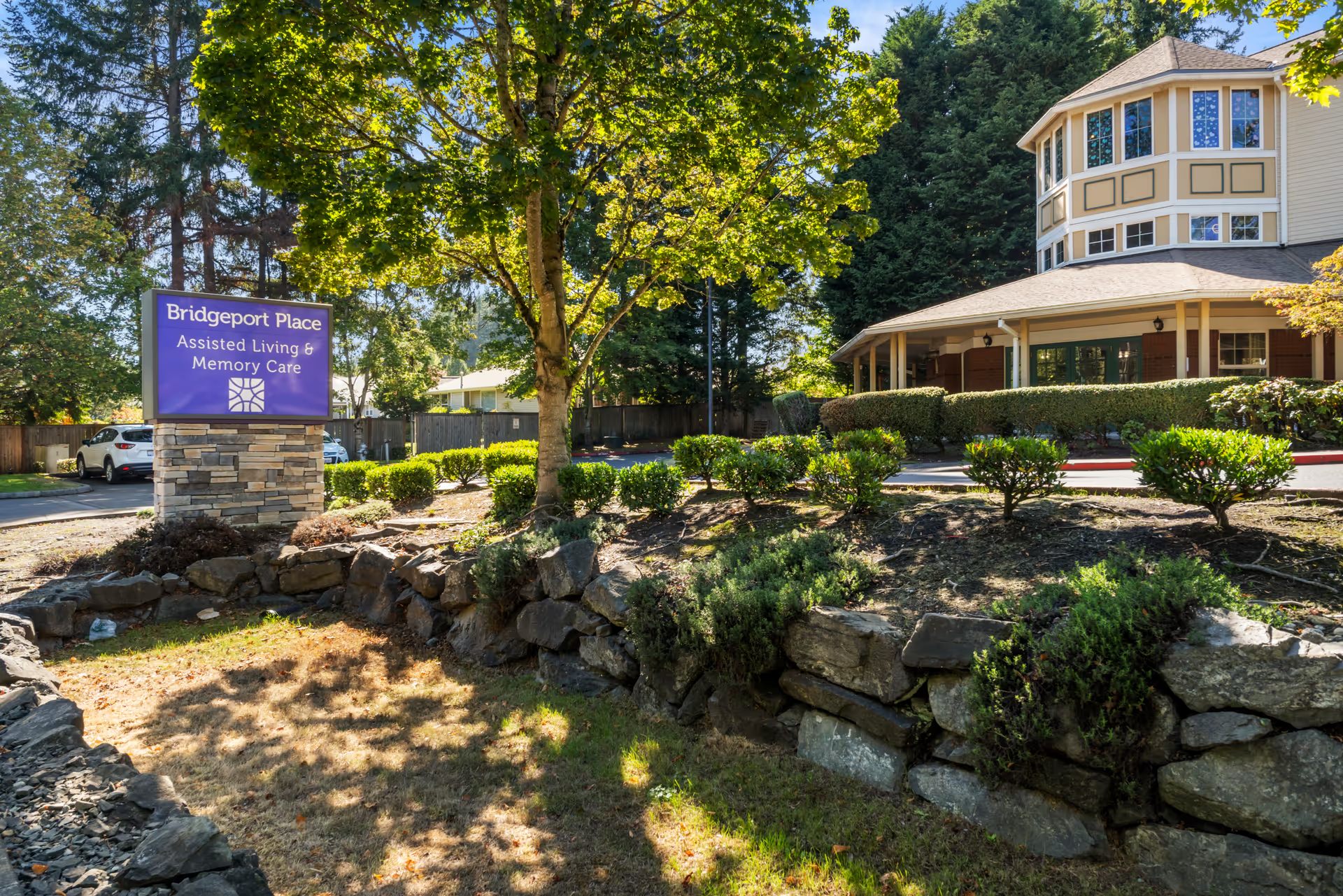
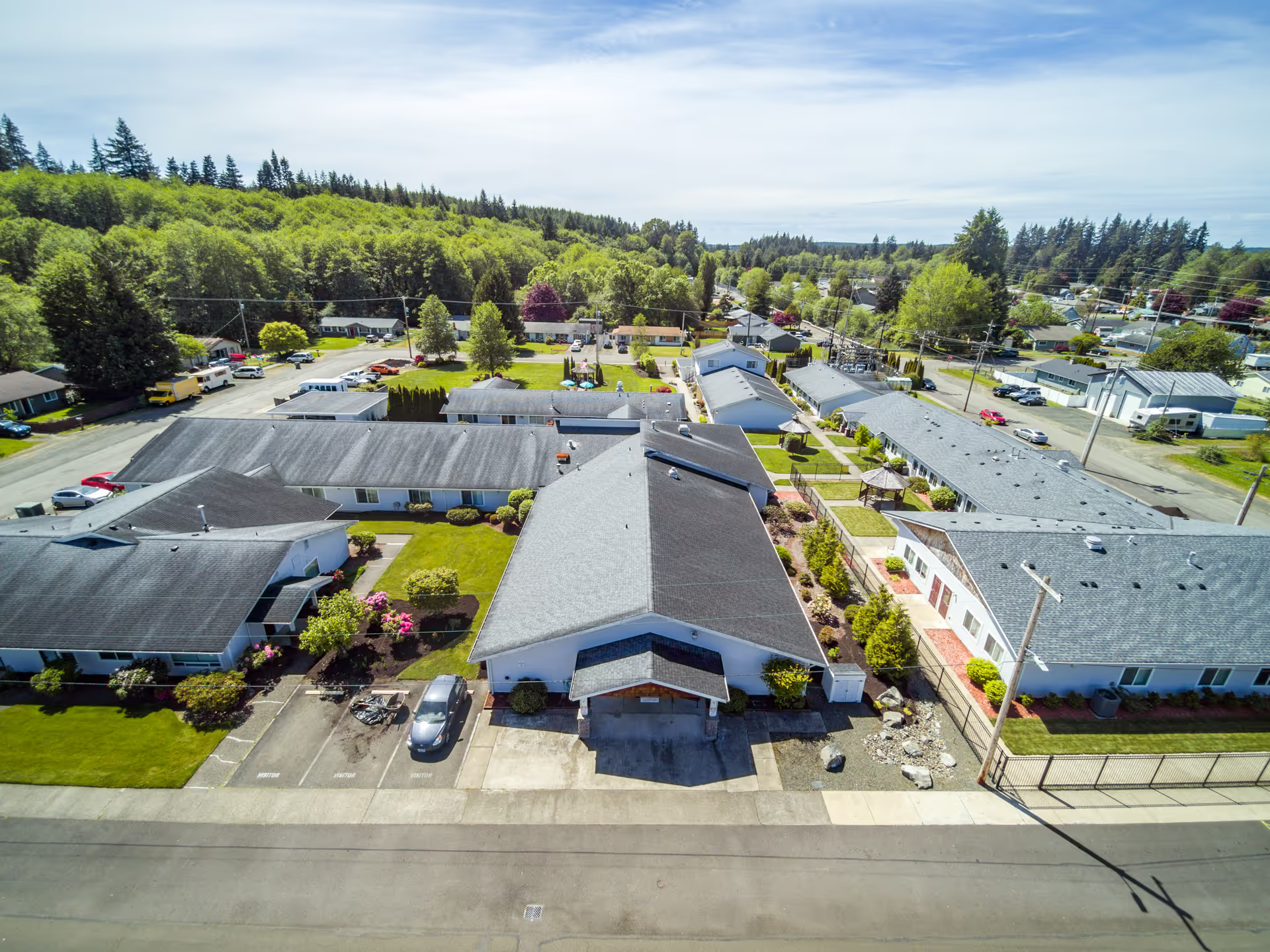
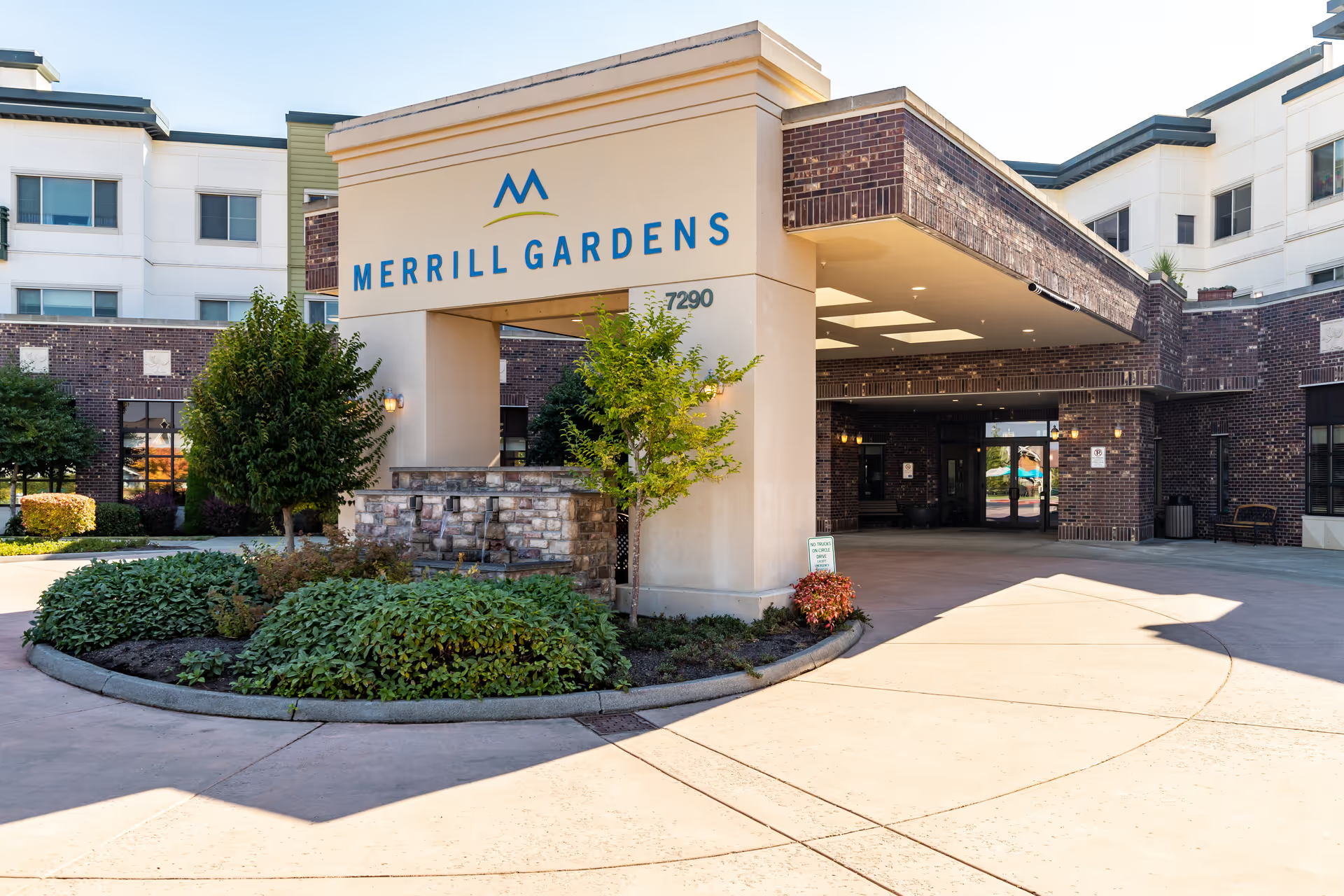
Woodland by Bonaventure presents a mixed picture: many reviewers praise the facility’s physical environment, amenities, and the daily life offered to independent residents, while recurring operational concerns suggest variability in the quality of care and management. The property is frequently described as modern, airy, and well-equipped — with spacious apartments (often including full kitchens), multiple dining rooms, fitness and activity spaces, a library, salon, theater, gardens, and shuttle service. These features support an active social program and a broad calendar of events that includes games, music, classes, field trips and family-oriented activities.
Care and staff are central to Woodland’s strengths and its challenges. Numerous accounts highlight compassionate, personable caregivers and activity staff who build relationships with residents, facilitate social engagement, and provide a warm atmosphere. At the same time, a consistent theme is workforce instability: understaffing, high turnover, and overworked employees. Those workforce pressures are associated with operational consequences cited across reviews — delays in assistance, inconsistent bathing and toileting/repositioning schedules, and variability in housekeeping frequency. For families considering higher-dependency or memory-care placement, reviewers raised concerns about staffing intensity and the facility’s ability to reliably meet higher-acuity needs.
Dining is described in both positive and negative terms. Many residents and families appreciate the variety of activities around meals, flexible dining options, and occasions where food is well prepared. However, other accounts point to inconsistent food quality, slow service, meal timing issues, and reduced menu options tied to corporate-level decisions or kitchen turnover. Meal-service continuity (timeliness and temperature) and menu consistency appear to fluctuate depending on staffing and kitchen leadership.
Clinical and safety-related themes appear repeatedly. Several reviews describe medication-management failures, including missed or inconsistent medication delivery and paperwork coordination problems. There are also mentions of gaps in fall monitoring, limited room-based alert systems in independent units, and cases that prompted concerns following a resident’s death — all of which indicate potential weaknesses in clinical oversight and in family notification or incident follow-up. Reviewers also reported inconsistent maintenance responsiveness and occasional failures to complete repairs adequately.
Management, communication, and business practices are another area of tension. Positive impressions of front-desk or floor staff are frequently contrasted with critiques of leadership: delayed or inadequate follow-through on complaints, billing or credit inconsistencies, confusing pricing and add-on care packages, and occasional conduct concerns at the administrative level. There are also a small number of serious allegations regarding theft and unethical activity; these are serious outliers in tenor and should prompt independent verification.
In short, Woodland offers strong physical amenities, an active program of social and recreational activities, and many caring frontline staff — features that suit residents seeking an independent or community-oriented setting. Prospective residents and families should weigh those strengths against operational patterns documented in reviews: staffing instability, inconsistent clinical and housekeeping practices, variable dining reliability, and management communication gaps. For residents with higher nursing or memory-care needs, or for families who require tight billing and clinical transparency, it would be prudent to seek recent staffing metrics, medication-management protocols, incident-response procedures, and written clarification of pricing and payer acceptance before making a placement decision.