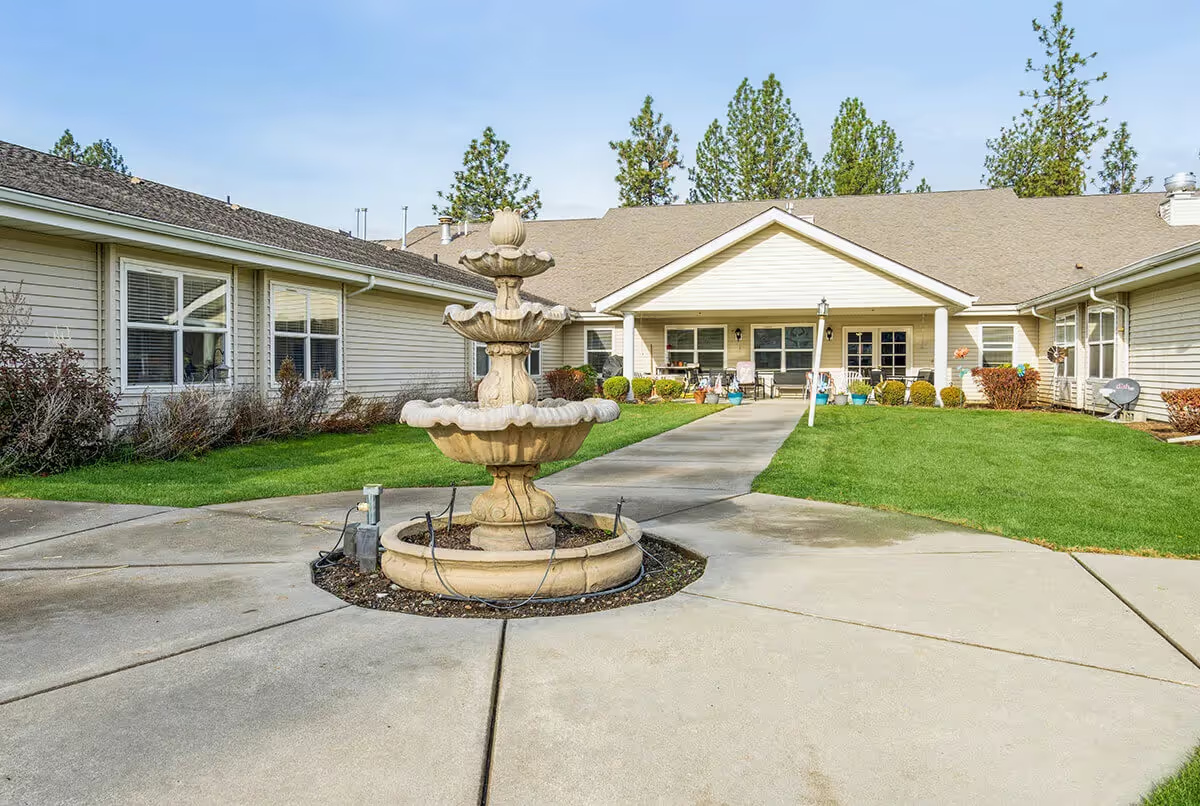
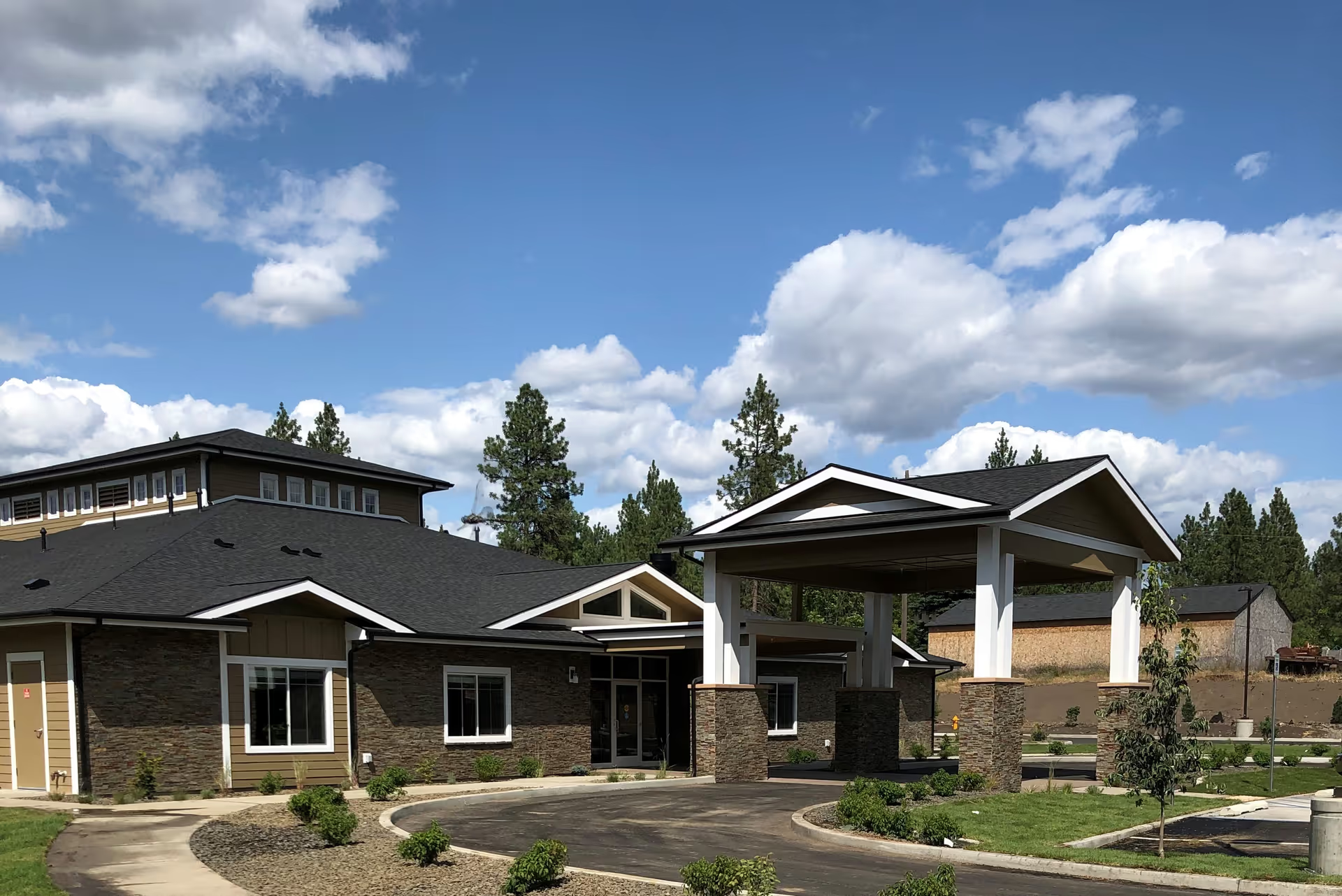
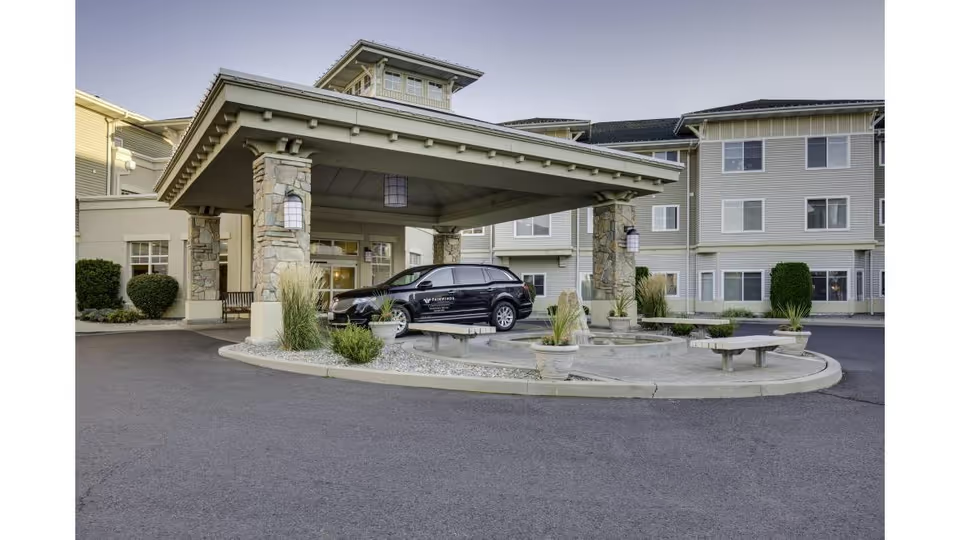
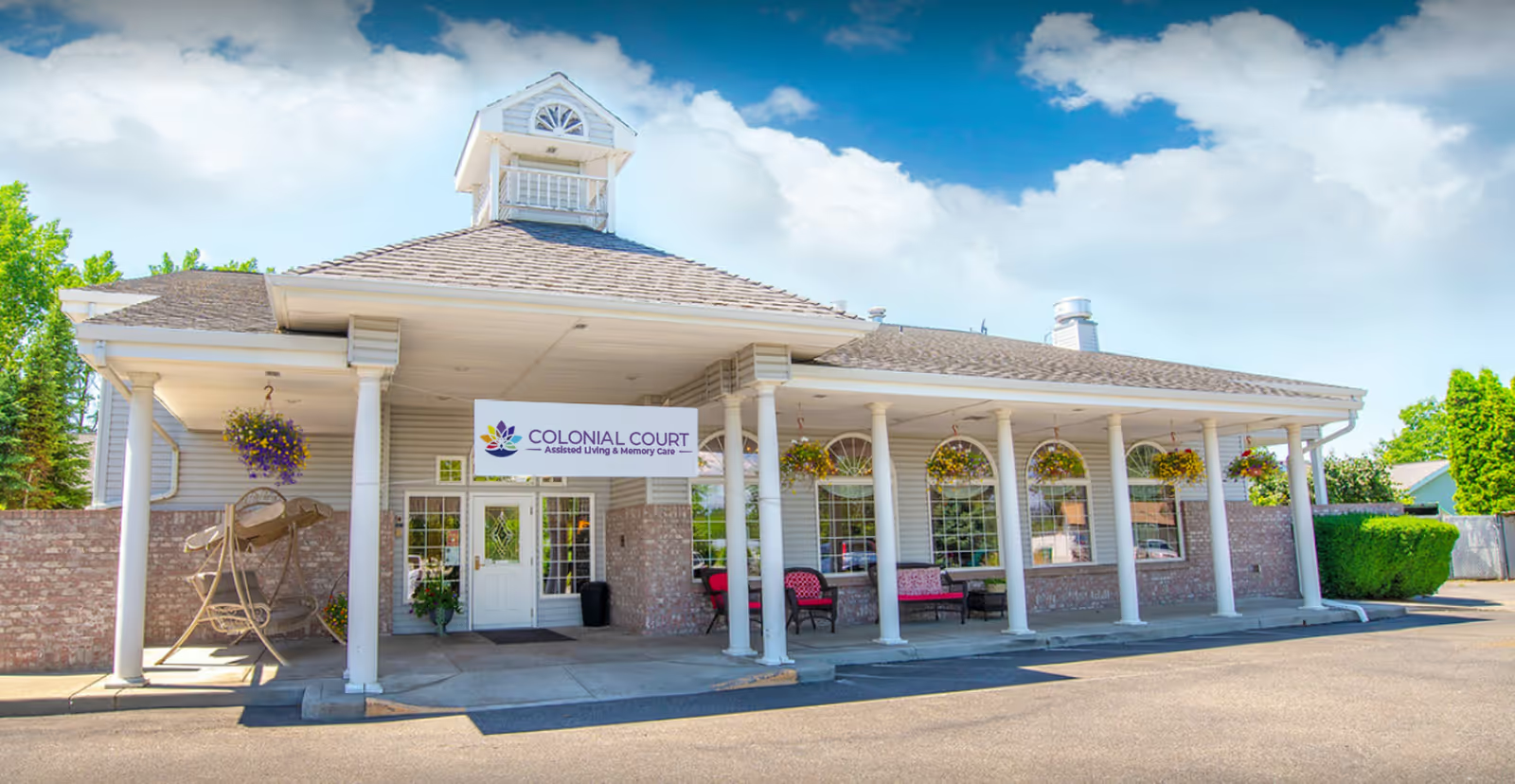
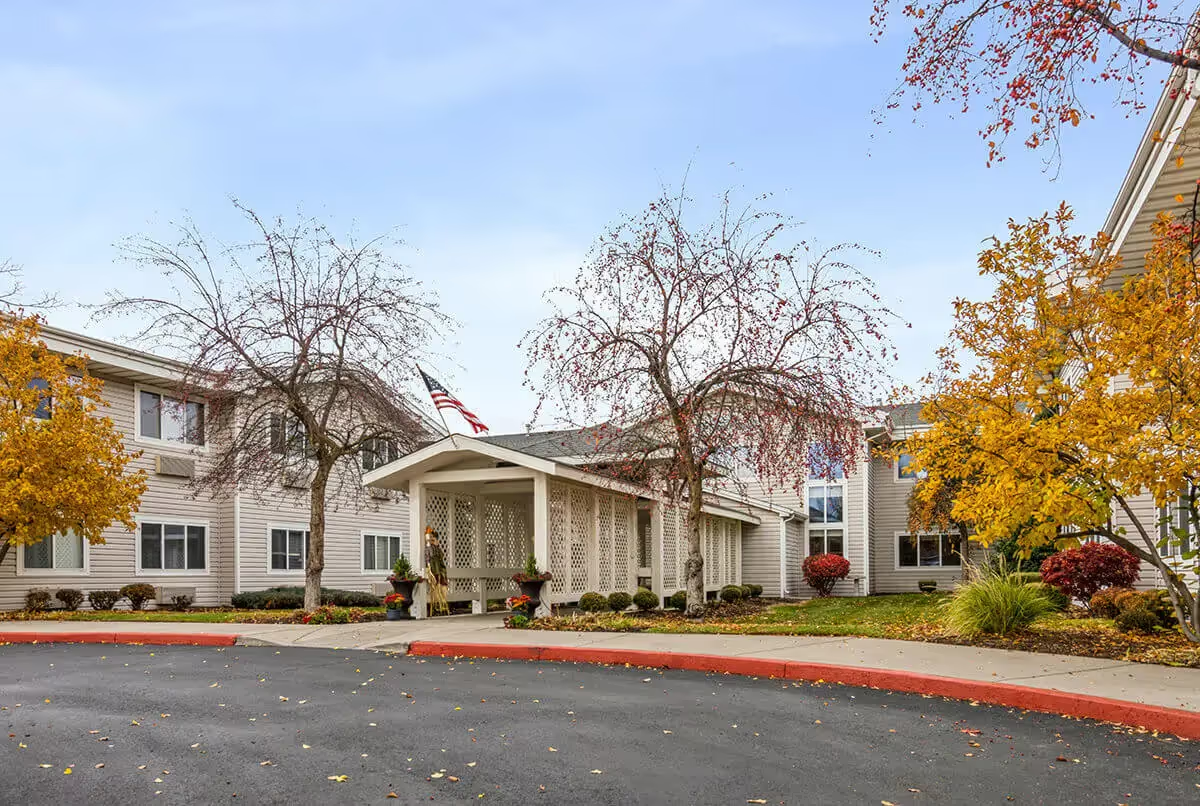
Lakeland Village elicits a mixed set of impressions. Positive comments emphasize a strong community orientation: residents and staff participate in open houses and community events, many staff–client relationships are described as meaningful, and the site is praised for a warm, caring atmosphere. The facility is repeatedly noted for its focus on special-needs care and habitation training, including links to state habilitation resources; those programmatic strengths appear to be a core part of the facility’s identity. Location and grounds are also viewed favorably, with easy access and pleasant outdoor areas noted by multiple sources.
Care quality is described unevenly. Some observers describe attentive, loving care and successful habitation training programs that support residents with special needs; others describe instances that undermine confidence in consistent care delivery. This results in a variable overall quality impression: strong performance in some caregiver–resident relationships and program areas, alongside operational gaps that affect others.
Staffing impressions are polarized. Several accounts praise individual employees and the benefits that support staff retention, while other accounts describe low morale or unprofessional conduct by some staff members. The coexistence of highly positive staff interactions and reports of poor tone or behavior suggests inconsistency in staff performance and workplace culture. There are also indications of individual resilience among staff and residents, which some narratives single out positively.
Safety, privacy, and operational management are recurring areas of concern. Review summaries imply shortcomings in how the facility manages resident aggression and protects staff safety, as well as gaps in maintenance safety practices and training. Reviewers also point to insufficient incident-response procedures and limited transparency in communication with families after adverse events. In addition, there are privacy-related concerns tied to social-media disclosures that point to weaknesses in information-controls and policies.
There is little consistent information about dining or programmatic activity variety beyond community events and open houses; reviewers did not frequently comment on meal quality or an activities schedule, so those domains are not well characterized in the available summaries. Facilities-wise, the physical environment is generally seen as pleasant and accessible, though isolated safety-related maintenance incidents raise questions about protocols and staff training.
Taken together, Lakeland Village may be a good match for families prioritizing a community-oriented, special-needs–focused program with strong habitation training and meaningful caregiver relationships. Prospective residents and families should, however, probe management practices: ask about incident-response protocols, staff training for managing challenging behaviors, privacy policies (including social-media guidelines), maintenance safety procedures, and consistency measures used to ensure uniform staff professionalism across shifts.