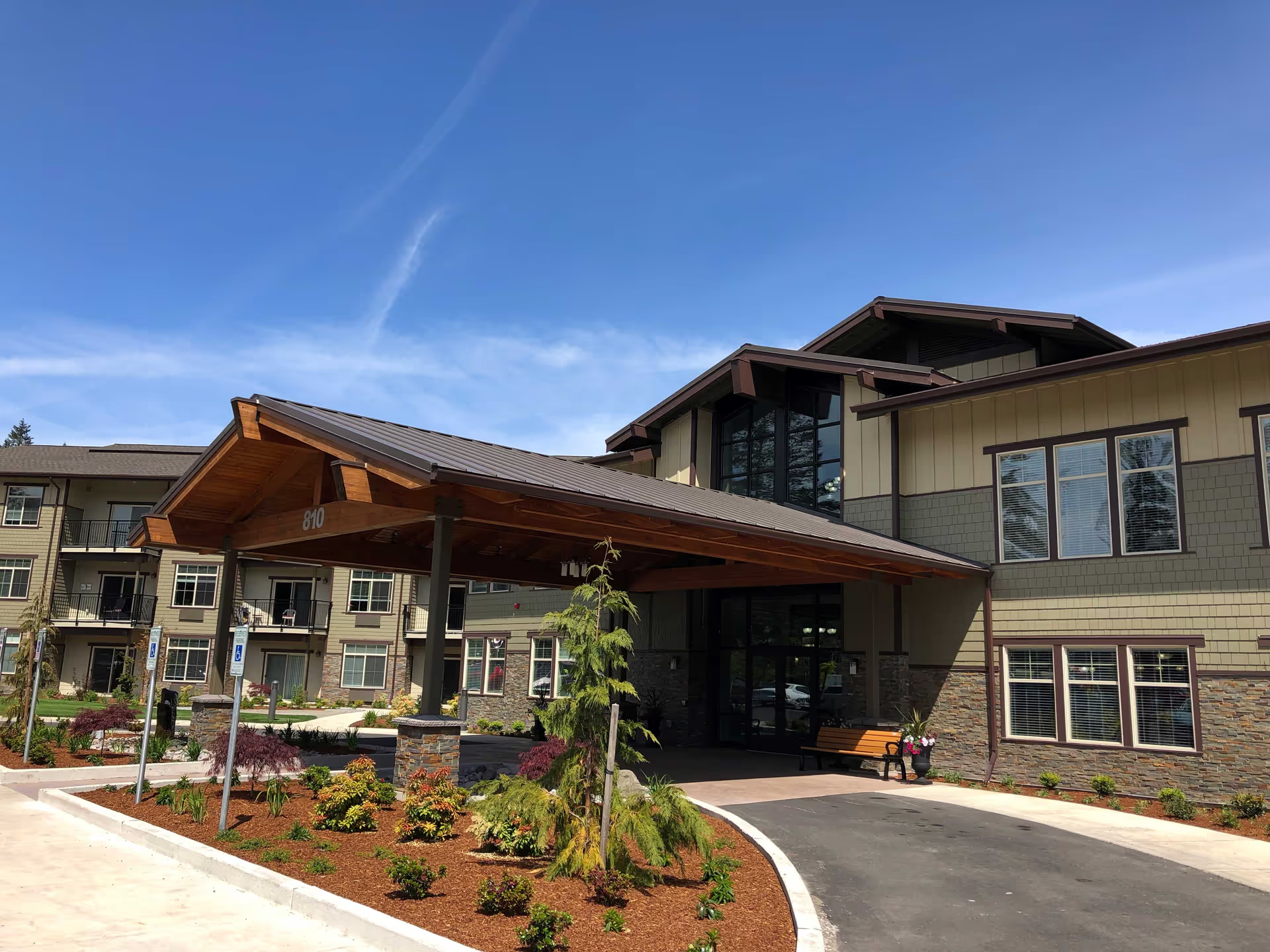
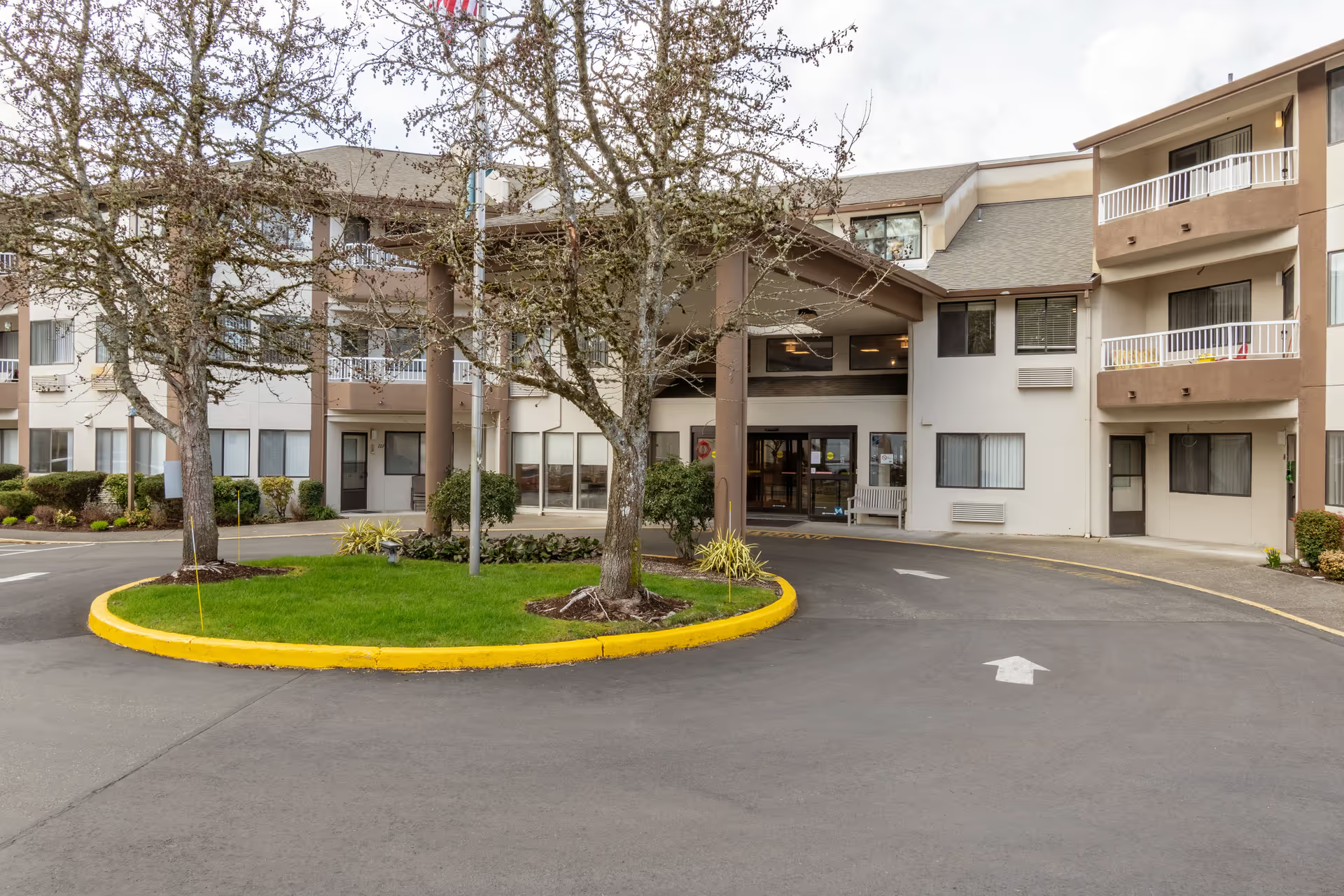
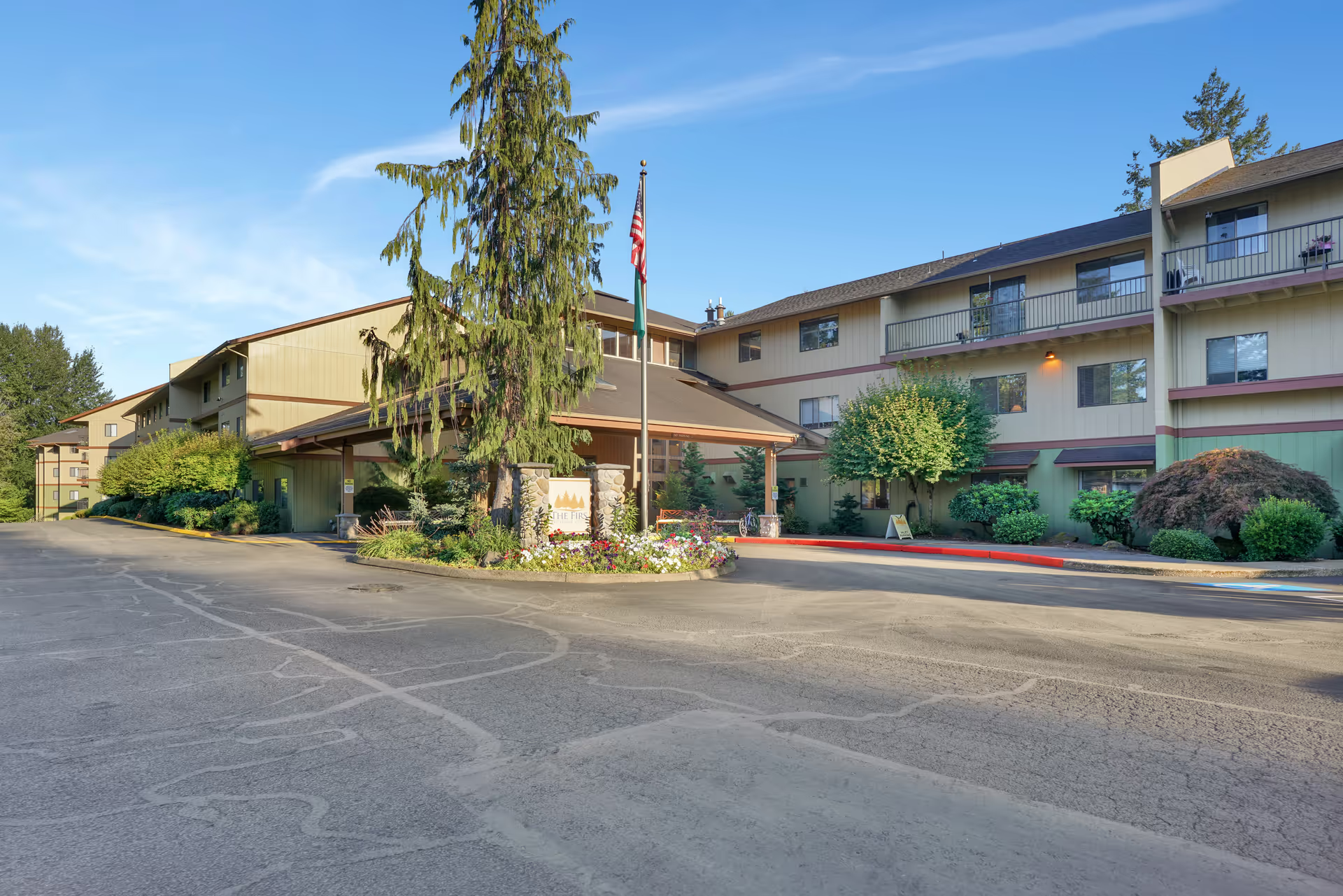
Montesano Health and Rehabilitation Center receives frequent praise for its direct-care strengths and facility environment. Reviewers consistently highlight compassionate and respectful staff, attentive nursing, and a strong rehabilitation program — physical and occupational therapists are described as effective and engaged. The facility’s dining, activities, and on-site services (including grooming) are similarly well regarded, and many accounts emphasize a clean, attractive building with a pleasant courtyard and a home-like atmosphere.
Clinical quality is a mixed picture in the reviews. Several families reported positive, high-quality nursing and therapy outcomes, with effective rehab progress and attentive daily care. However, there are also reports that indicate gaps in wound care and skin-integrity management and instances where clinical concerns required escalation to emergency care. These accounts suggest variability in clinical oversight; prospective residents and families should confirm wound-care protocols, skin checks, and communication pathways for escalating clinical issues.
Communication and administrative coordination emerge as recurrent operational concerns. Reviews note inconsistent family notifications, delays or missed discharge coordination, incomplete discharge paperwork, and delayed return calls. There is also at least one allegation of a privacy/HIPAA breach and multiple notes about limited visitation flexibility during sensitive situations. Together these point to opportunities to strengthen discharge processes, family communication protocols, and privacy safeguards.
Safety and behavioral-care practices also present mixed impressions. While some reviewers describe responsive, attentive staff and effective transfer coordination, others raised concerns about fall risk and dementia-specific safety practices, suggesting that protocols for residents with cognitive impairment and transfer/supervision procedures may be inconsistently applied. Additionally, some accounts describe variable staff conduct and tone, including interactions around end-of-life visits, which indicates a need for more consistent training and visitation policies in emotionally sensitive circumstances.
Overall, Montesano appears to offer many of the core strengths families seek — strong rehab services, attentive nursing at times, appealing facilities, and good dining and activities. At the same time, the facility shows recurring operational weaknesses in communication, some aspects of clinical oversight (notably wound and skin care), safety practices for residents with cognitive impairments, and administrative consistency. Families considering Montesano should weigh the facility’s rehabilitation and amenity strengths against these reported operational gaps, and proactively ask about discharge planning, wound-care protocols, fall-prevention measures, privacy policies, and how the facility supports families during end-of-life situations.