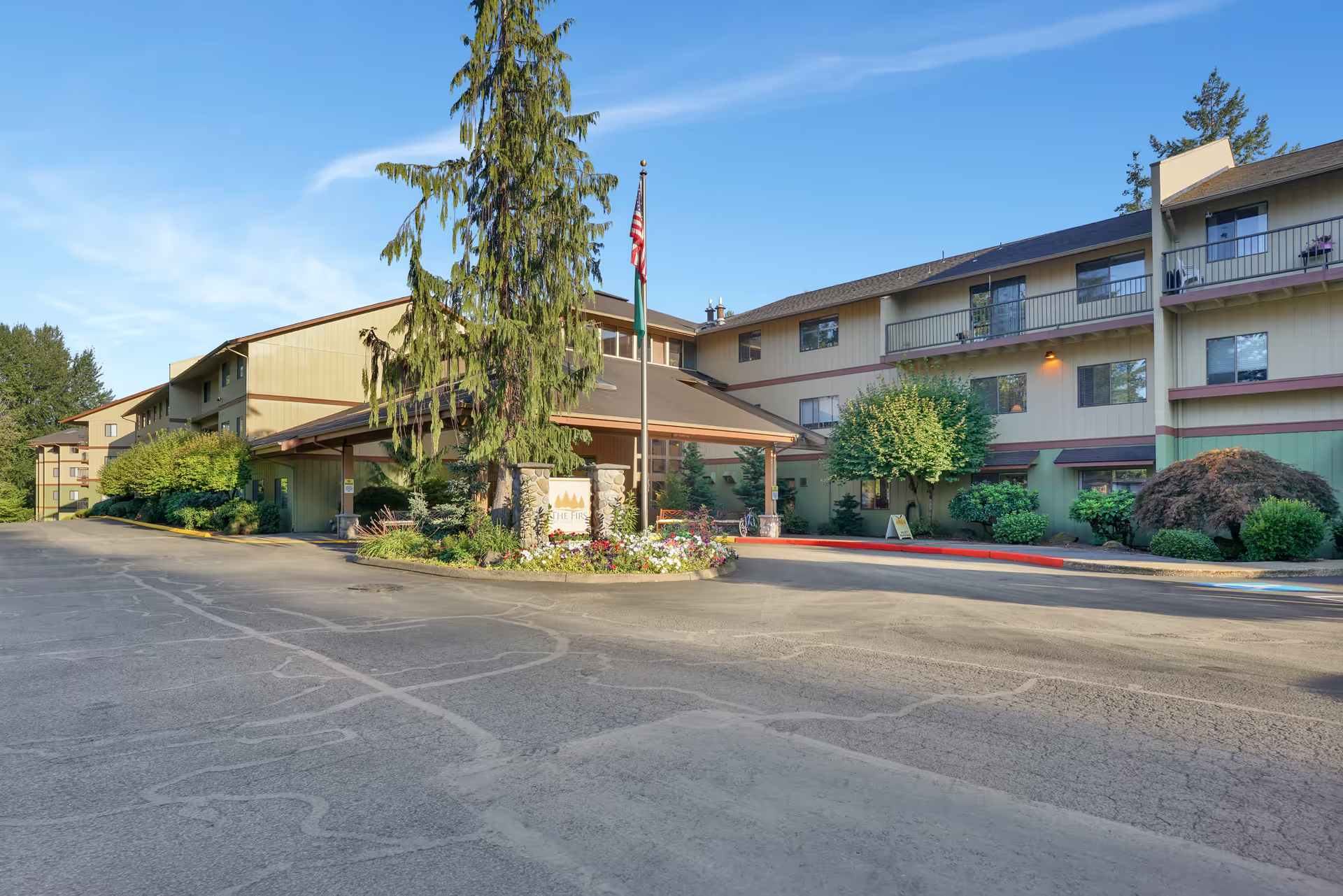
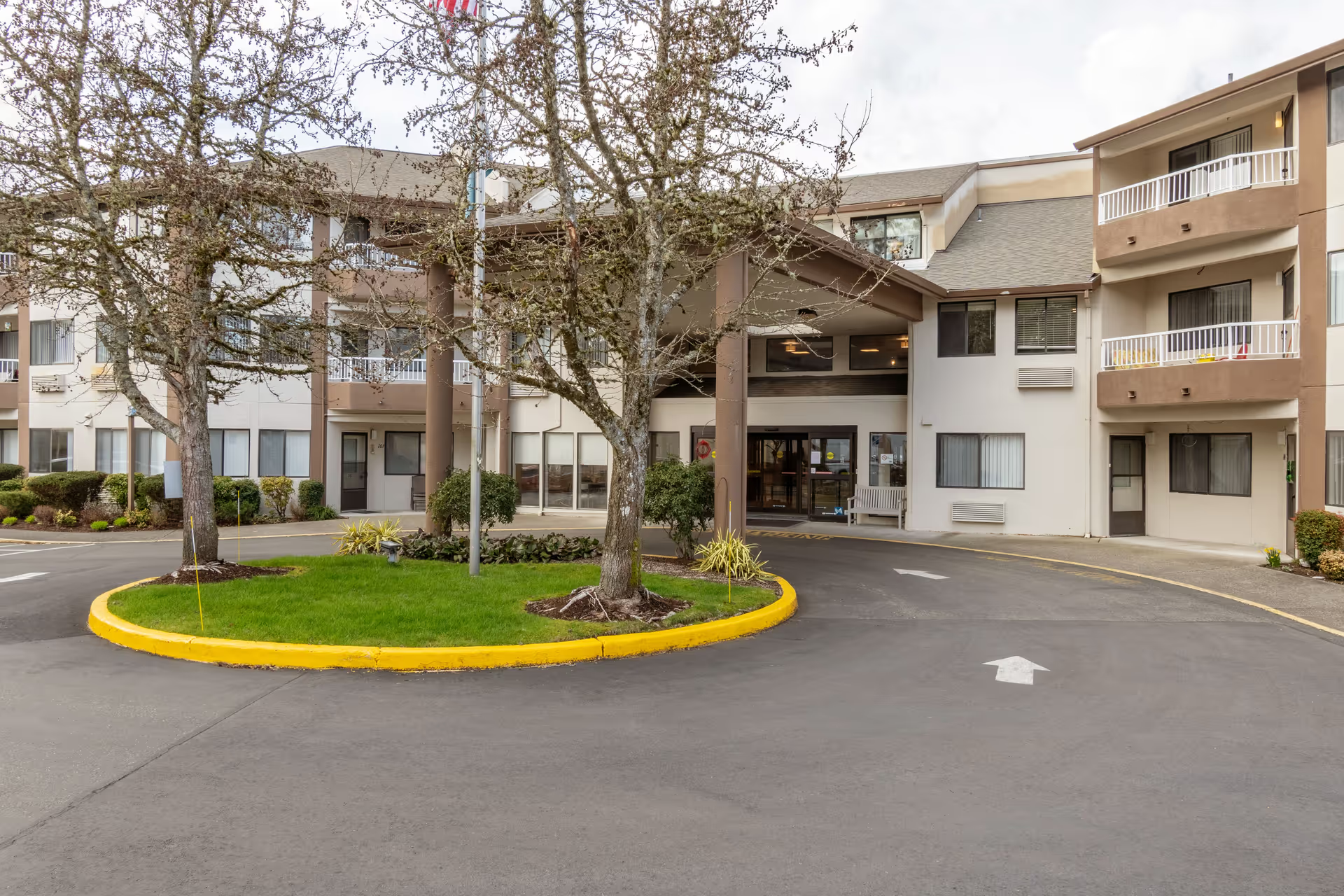
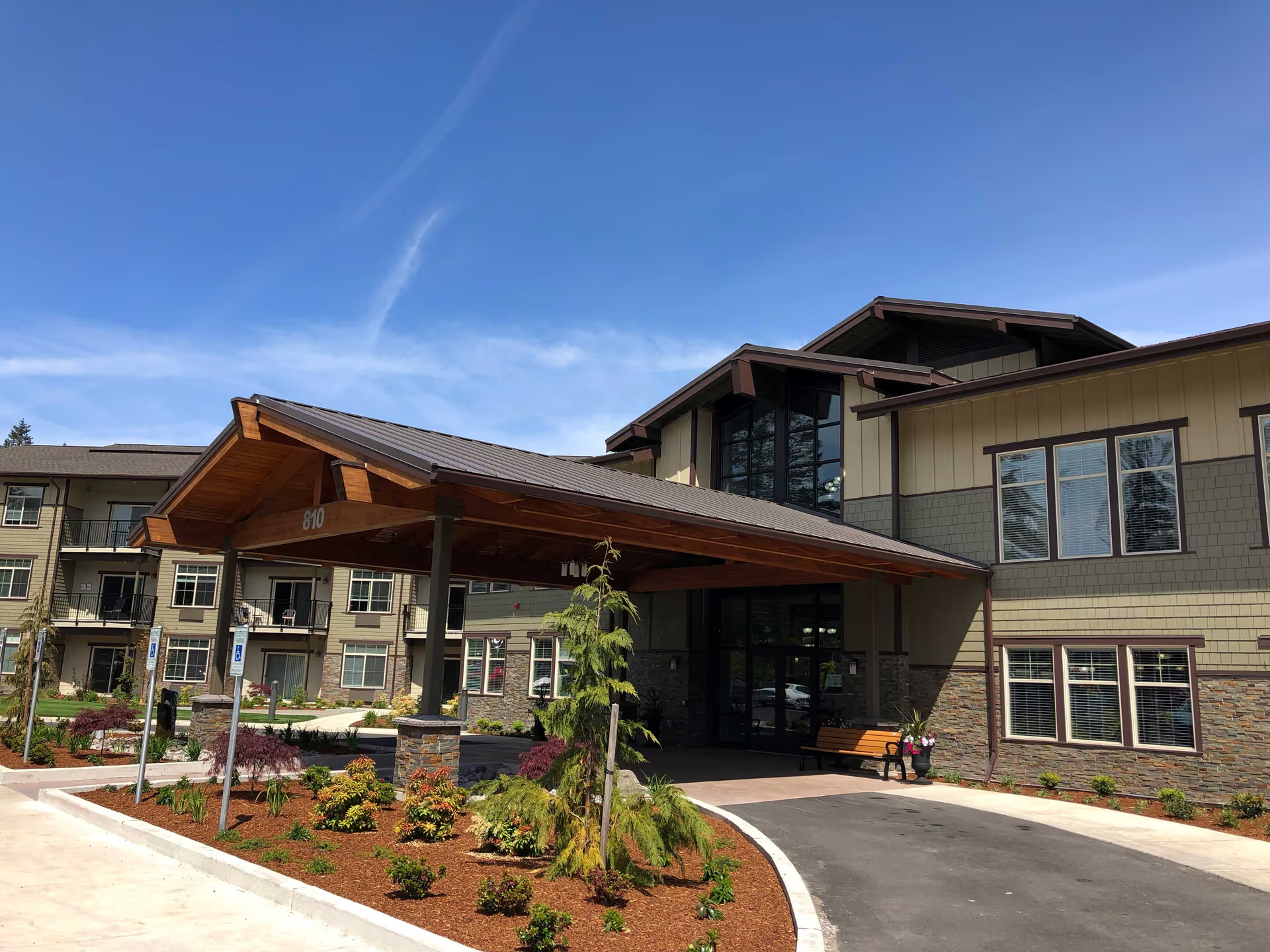
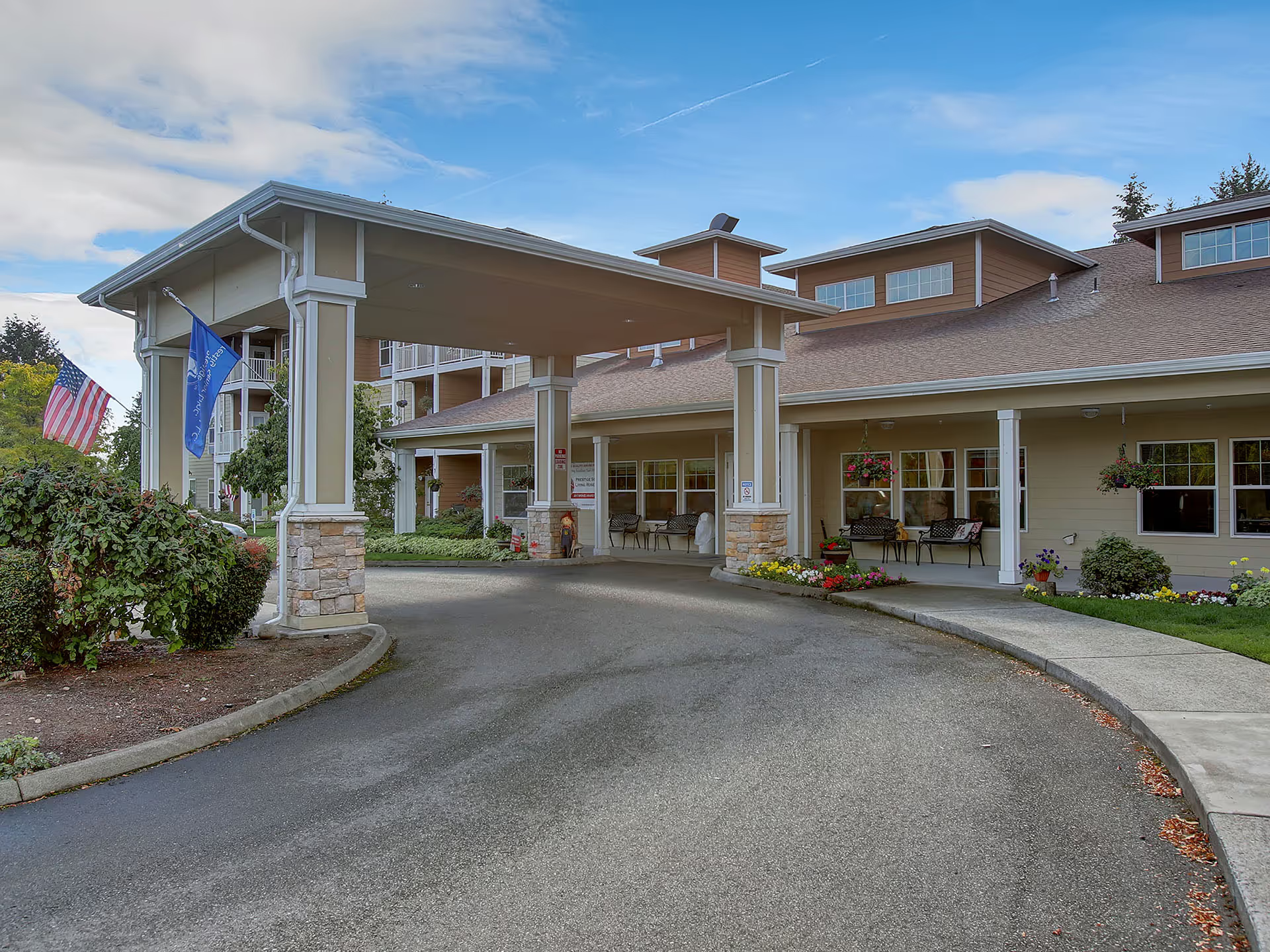
Brookdale Olympia East presents as a small, well–appointed community with many attributes appealing to prospective residents who value cleanliness, a modern appearance, and a neighborly atmosphere. Commonly cited strengths include updated interiors, spacious corner units with generous daylight, and a hotel‑like dining environment. Families frequently praised the direct-care staff for being warm, kind, and attentive; admissions and tour staff were also noted as helpful and non‑pressuring. The community offers housekeeping, weekly laundry/trash removal, on-site transportation to medical appointments, exercise classes, walking areas, and a broad activity schedule that includes crafts, games, nightly movies, regular outings and weekly social hours.
Care quality and staffing elicit mixed impressions. Many accounts describe compassionate caregivers, long-tenured clinical staff, and instances of strong nursing support. Conversely, a recurrent operational pattern is inconsistency: reviewers describe staffing shortages, turnover, and new or inexperienced staff that sometimes produce gaps in service. Specific clinical concerns raised across reviews include delayed medication delivery and uneven assistance with dining, bathing, and daily routines. These suggest the facility may provide good hands-on care at times but may not reliably sustain that level during staffing variability.
Dining and programming are notable positives with a generally appealing dining room, extended hours or all‑day menu options, and organized activity calendars. Several families reported excellent meals and chef-prepared options; others described bland dishes, overcooked vegetables, or limited menu choices for residents with specific dietary preferences or cognitive-related eating patterns. The activities program is broad and socially oriented, supporting a strong sense of community for socially engaged residents, though some families desired more targeted programming (e.g., male-focused activities or sensory‑impaired accommodations) and more staff participation in activities.
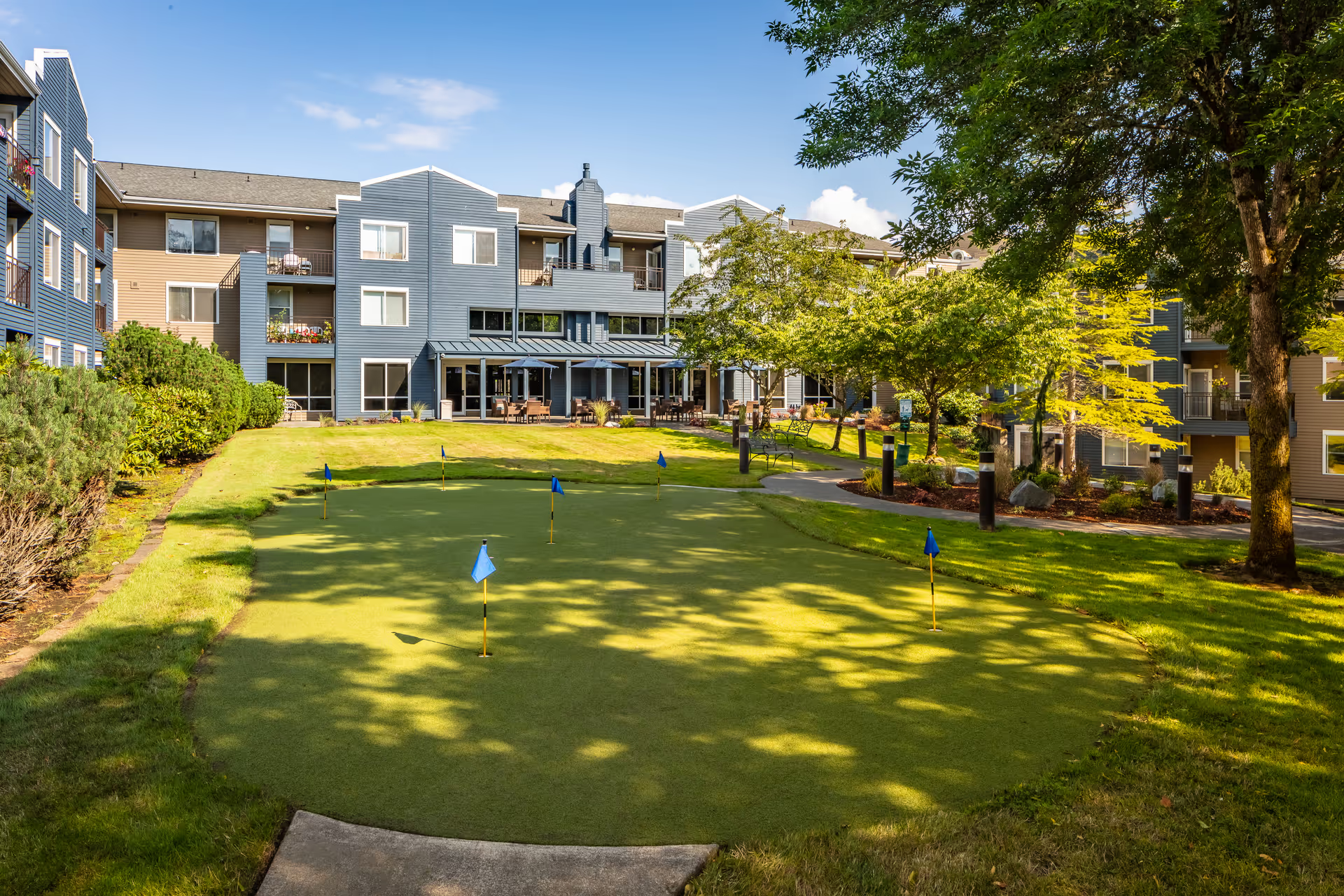
Facility and campus observations are largely favorable for cleanliness and decor, but operational limitations appear in maintenance and infrastructure. Specific constraints mentioned include small or single elevators, inadequate in‑unit appliances (small refrigerators or stoves), uneven air conditioning, narrow hallways, and occasional security/access-control issues such as a sliding door. These are practical considerations for residents with mobility or environmental comfort needs. The community’s small scale contributes to a family‑like culture, but it also means limited apartment availability and fewer on-site amenities than larger campuses.
Management and administrative functions are the most consistent area of concern. Reviewers described non‑transparent billing practices, delayed refunds or deposits, and difficulty obtaining clear answers from administration. There are mentions of regulatory complaints and at least one serious allegation involving financial or policy handling; families are advised to seek documentation and clarification on fees, discharge/eviction policies, and complaint resolution processes. Communication systems (including antiquated messaging/notification processes) and follow-through on maintenance or care requests were also noted as recurring weaknesses.
Overall, Brookdale Olympia East may be a strong fit for independent or assisted residents who prioritize a clean, social, small‑community environment with flexible dining and varied activities. Prospective families and residents should evaluate clinical reliability for higher-acuity needs by asking specific questions about staffing ratios, medication administration protocols, dining assistance and escorting procedures, recent regulatory history, and written fee disclosures. An on-site visit during a mealtime and a direct conversation with nursing leadership about contingency staffing plans will help assess whether the facility’s strengths align with an individual’s or family’s care expectations.