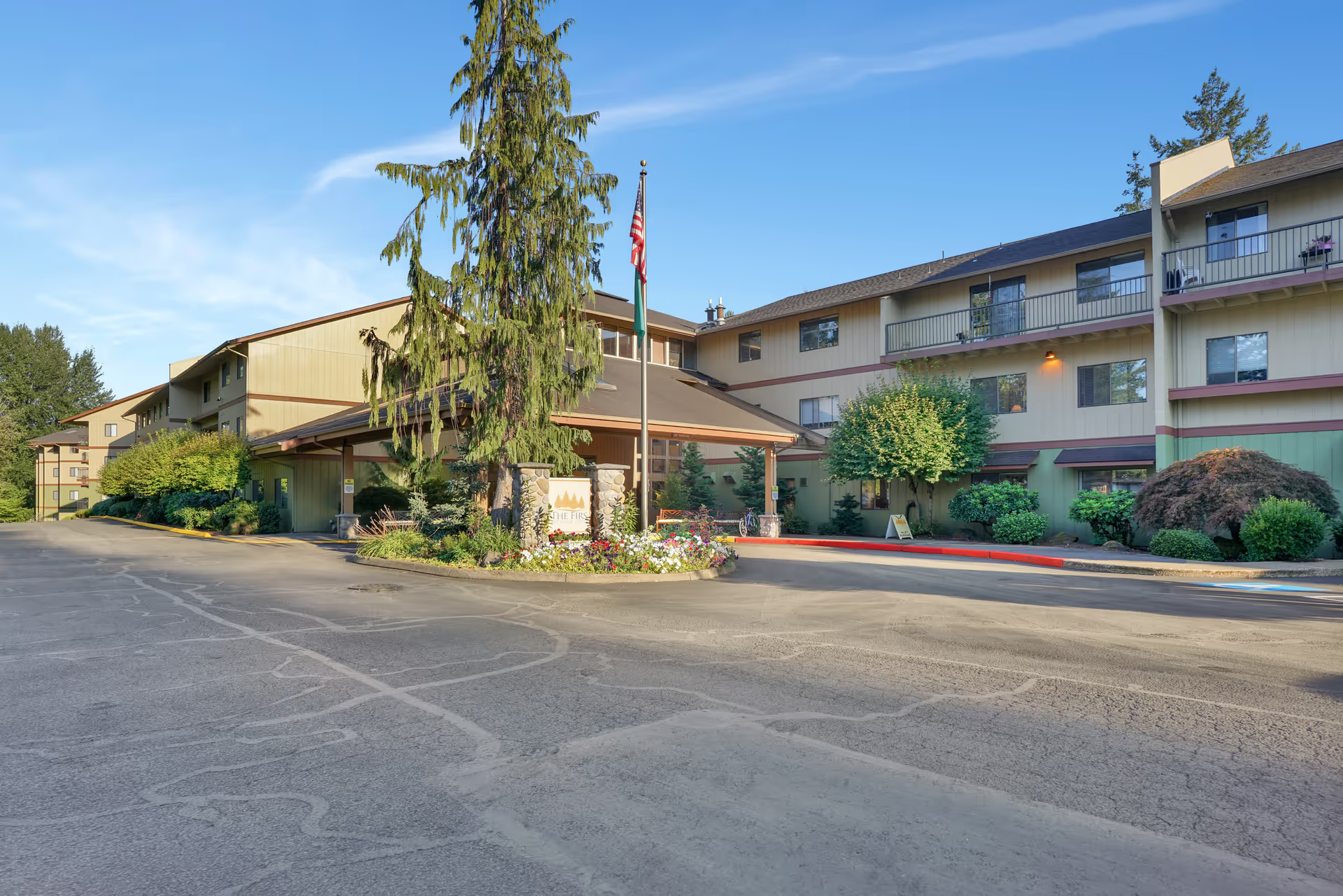
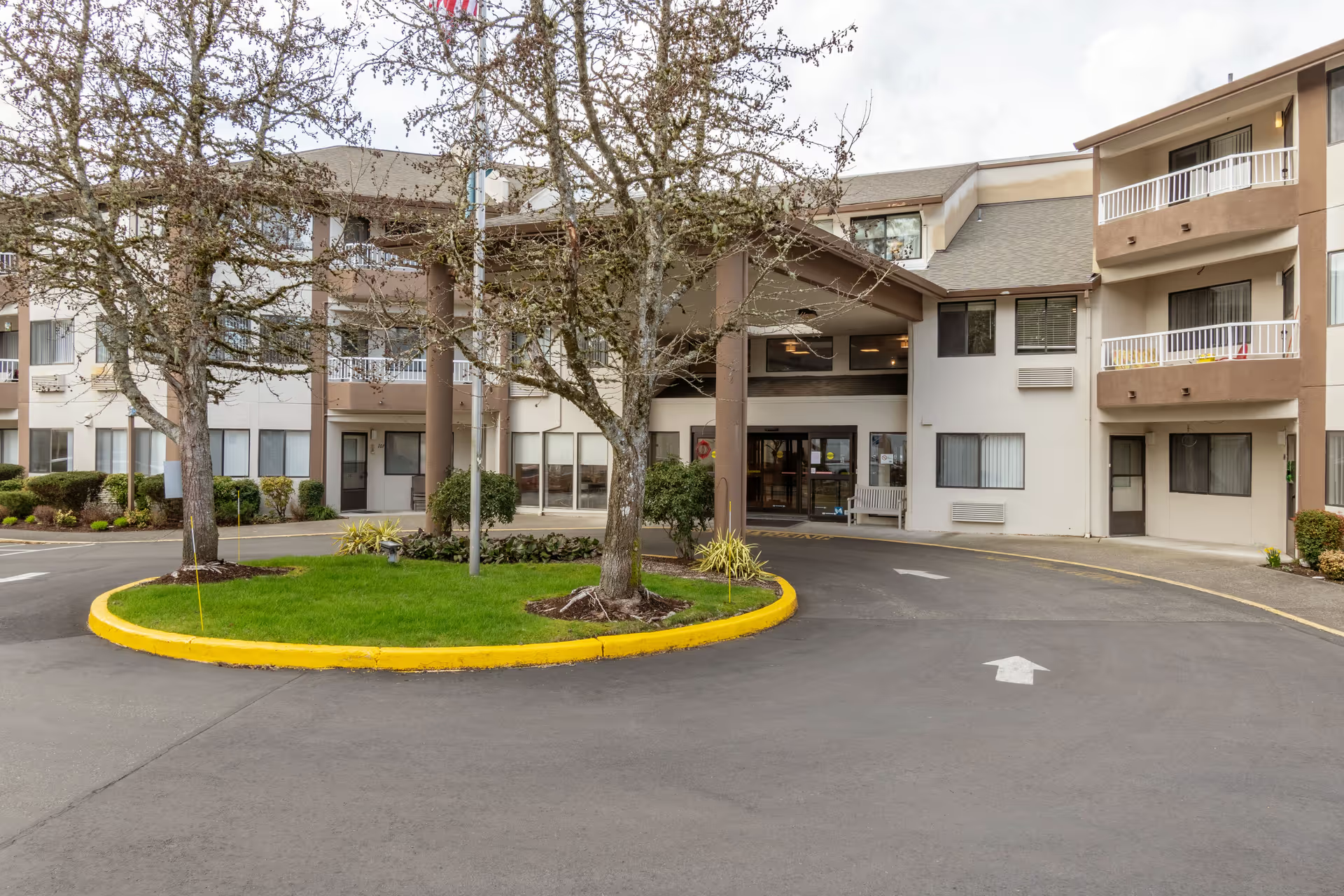
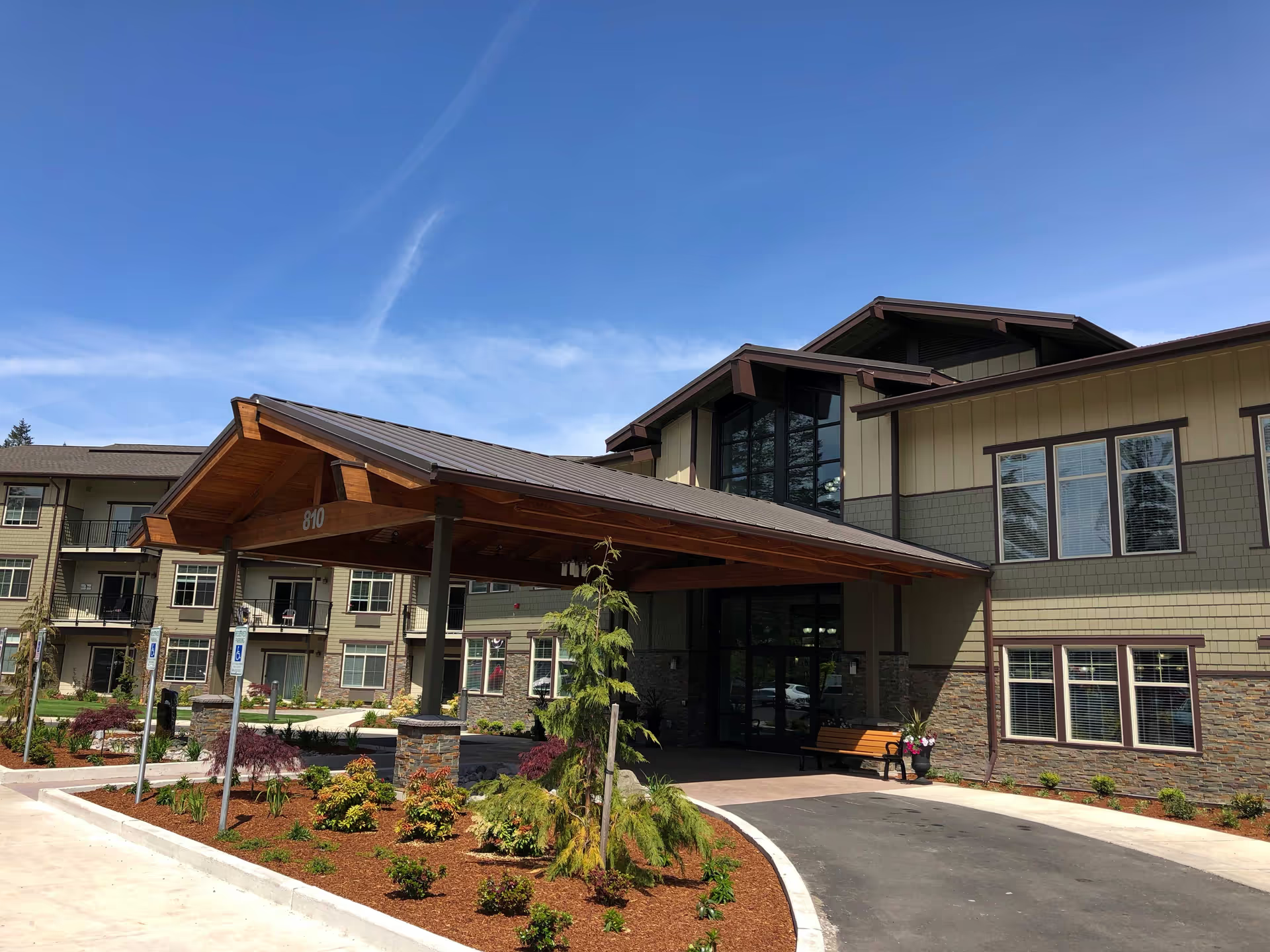
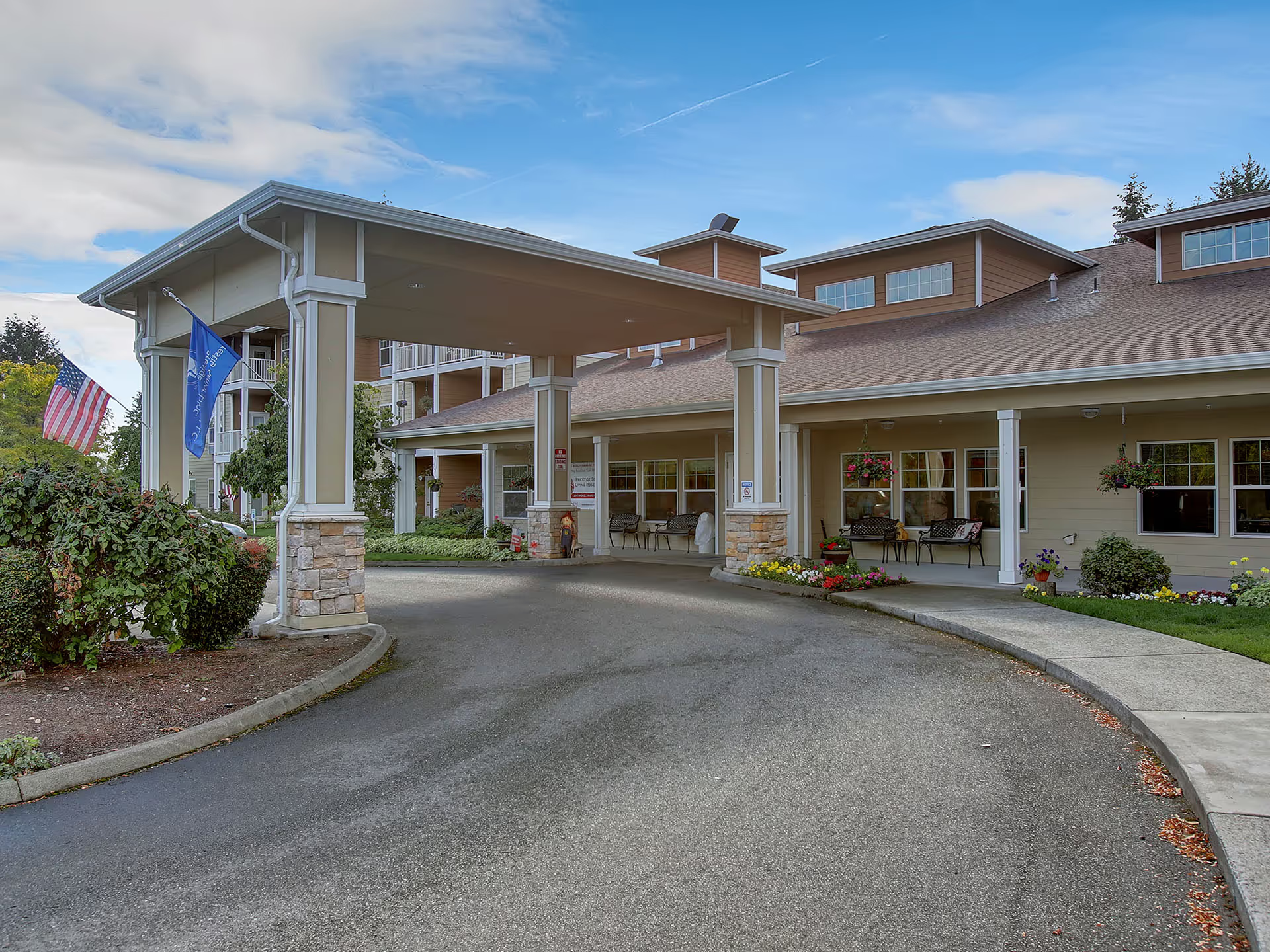
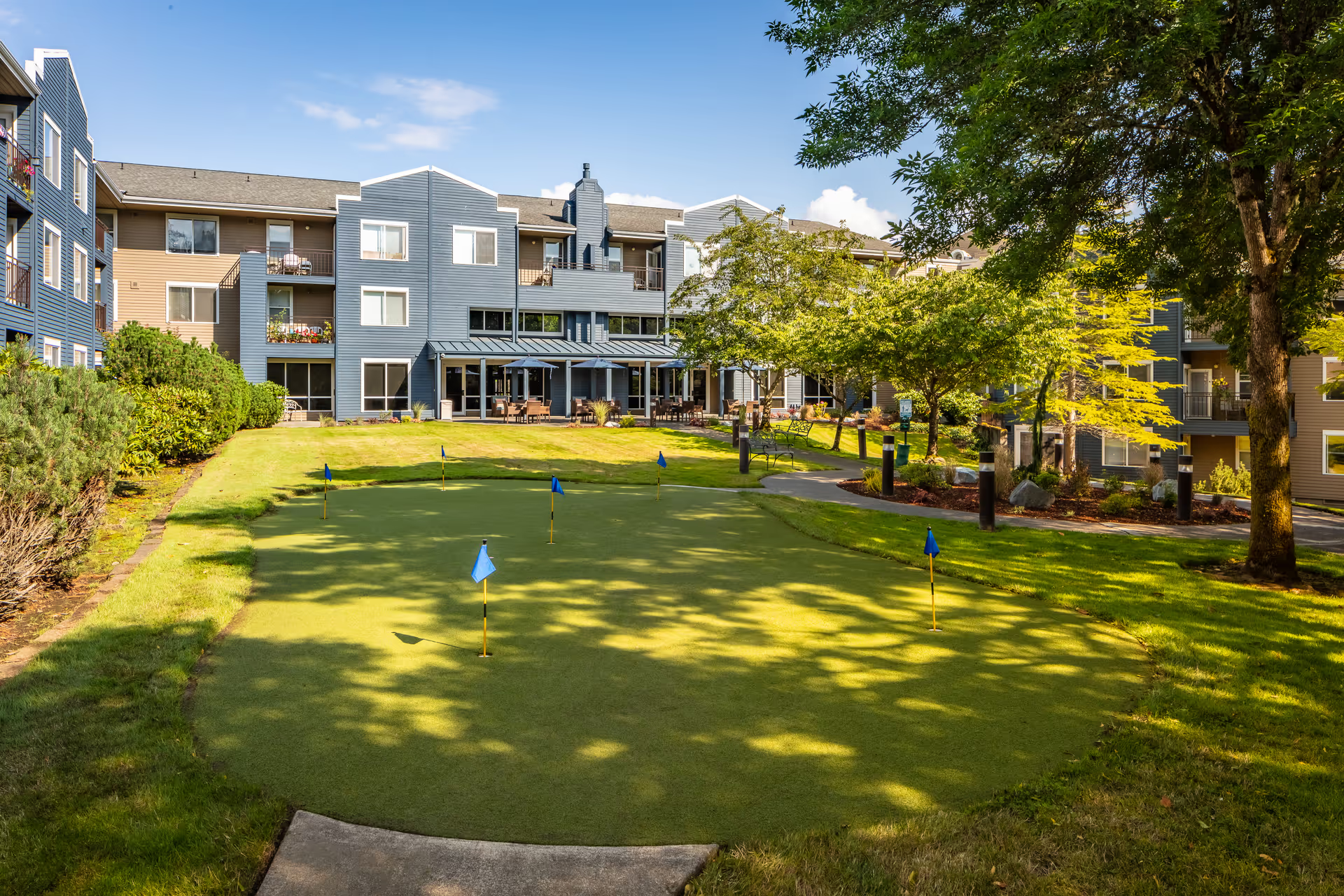
The Sequoia Assisted Living Community presents a mixed but distinct profile: many reviewers emphasize a strong culture of compassionate, resident-focused caregiving supported by responsive nursing and an active activities program, while others describe operational inconsistencies that can affect daily experience. Strengths most consistently cited include warm, attentive staff, chef-led fresh dining options, well-kept common areas, and abundant outdoor spaces (courtyards, gardening programs, and planned outdoor dining). The community’s smaller scale and home-like atmosphere support socialization and family involvement; transportation and proximity to medical services are additional practical advantages.
Care quality and staff: Numerous families praised the kindness and dedication of direct-care staff and nursing personnel, noting timely responses to clinical needs when staffing levels were adequate. The facility’s onboarding and tour process is described as thorough and informative, and some long-tenured staff and directors are singled out positively. However, there is a recurring pattern of inconsistent staffing and turnover in other accounts. These staffing fluctuations have been associated with delayed call-light responses, malfunctioning personal-alert devices, and variable bedside practices. Reviewers also raised concerns about medication-administration controls and documentation gaps that prospective families should clarify with leadership.
Dining and services: Dining receives both strong praise and criticism. Many residents and families enjoy fresh, varied menus prepared by an experienced chef, with accommodations for special diets and appealing breakfast options. At the same time, other accounts describe variability in meal quality, limited menu availability at times, and issues with meal-service continuity (room service during isolation, slow food service). Laundry and housekeeping are generally seen as adequate, but some reviewers reported delays or inconsistencies in turnaround and in unit-level sanitation and odor control.
Activities and community life: The activities program is frequently highlighted as a community asset, with daily exercise, music, outings (including seasonal bus rides), classes, and family-friendly events. The small-community scale and active social calendar are repeatedly noted as contributing to residents’ well-being and engagement.
Facilities and maintenance: Physical spaces are described as calm, spacious, and recently renovated in parts, with bright common areas and patios. Still, some units have uneven maintenance: examples include inadequate climate control on upper floors, older apartment designs with limited in-room kitchen functionality, and cosmetic wear (paint and carpeting) in places. Prospective residents may wish to inspect specific apartments and verify climate controls, lighting, and storage.
Management, administration, and policies: Leadership has been credited for hands-on involvement and advocacy for residents in many accounts, but a subset of families described leadership turnover, communication lapses during admissions, and unclear financial practices (move-in fees, deposits, and refund policies). The facility’s infection-control policies (including visitation restrictions during outbreaks) were effective from a safety perspective for some families but experienced as overly restrictive by others. There are also mentions of past regulatory citations; interested parties should request current compliance and inspection records.
Notable patterns and guidance: The dominant positive themes are staff compassion, strong social programming, attractive outdoor spaces, and quality dining when the kitchen is operating at full capacity. The dominant cautions relate to operational consistency: staffing stability, medication-management controls, timely responses to resident requests, clarity around fees and admissions, and unit-level maintenance. Prospective residents and families should ask for specifics on current staffing ratios and turnover, medication-administration protocols, emergency-alert testing, recent regulatory findings, a sample meal plan and kitchen hours, laundry turnaround times, and written fee/refund policies. Those checks will help determine whether the facility’s strong relational culture is matched by reliable day-to-day operations at the time of move-in.