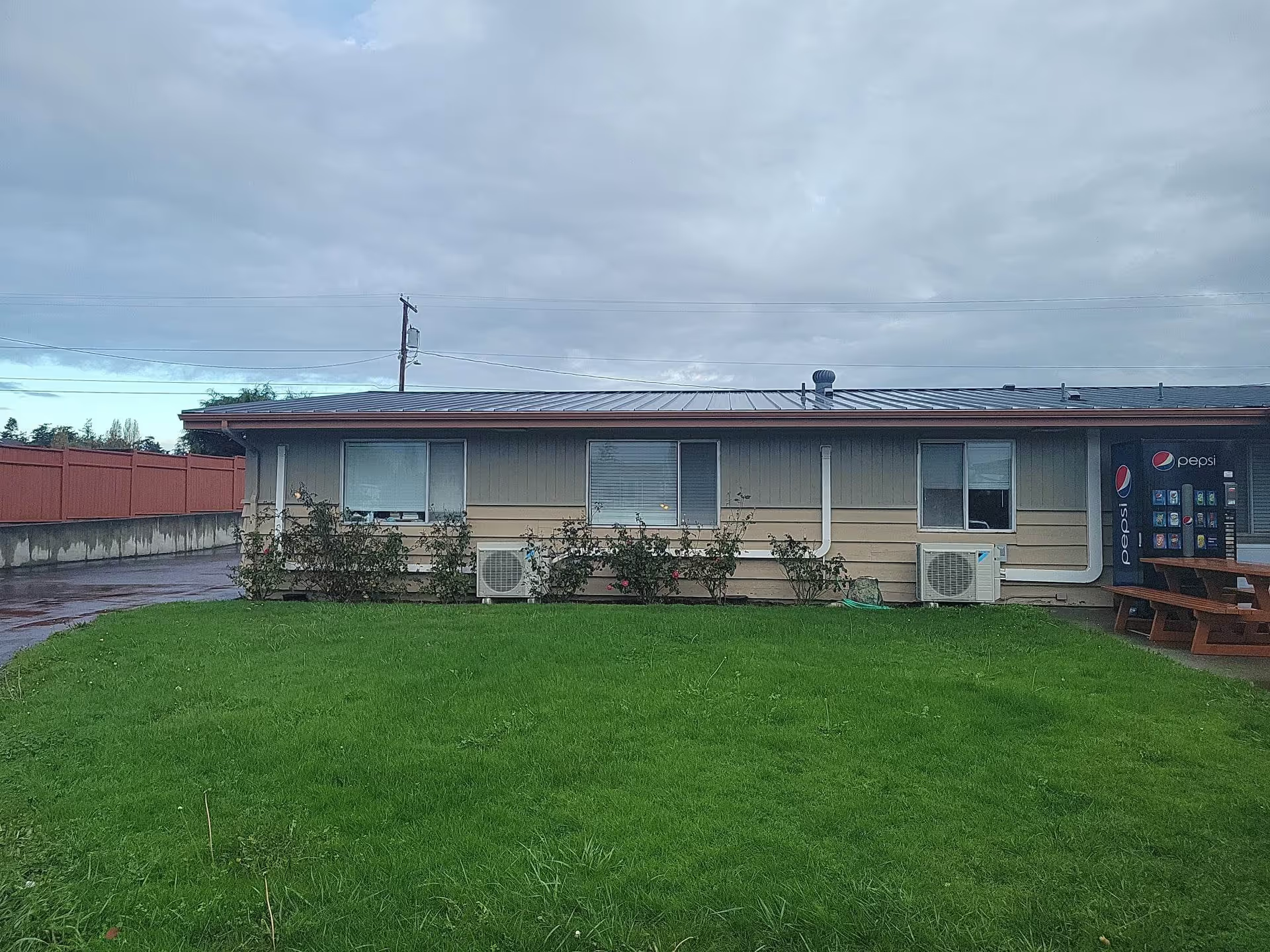
Victoria Place presents a mix of clear strengths and operational risks that prospective residents and families should weigh. The physical environment and amenities are frequently praised: the building is described as clean and well-kept with an elegant dining room, attractive suites, safety-designed bathrooms, handrails and an easy-to-navigate layout. Outdoor spaces, parking and the community’s smaller, home-like scale are commonly highlighted as positive attributes.
Care and staffing impressions are mixed. Many reviewers emphasize warm, attentive direct-care staff and an active medical presence, including a BSN-prepared RN noted as available for emergencies. Reviewers also describe an improvement in clinical and culinary services after recent hires (a new nurse and a new chef). At the same time, there are recurring operational concerns: intermittent nursing coverage, understaffing at times, and descriptions of gaps in clinical oversight and incident reporting. These issues have affected perceptions of responsiveness and reliability for residents with more complex needs.
Dining and activities form a strong positive for much of the feedback. Several comments describe high-quality, abundant meals, an in-room meal option, and an upgraded menu under the new chef. Social programming includes live musicians, visiting pets, guest artists, and routine recreation — though multiple reviewers noted limited funding for some recreational elements and only periodic bus service for outings.
Facility operations and management present the most significant area of contrast. While some reviewers reported notable improvements after management and staff changes, other accounts point to leadership instability, inconsistent communication with families, and concerns about staff professionalism and tone. A subset of reviewers referenced regulatory attention and alleged leadership misconduct; those accounts, whether resolved or not, appear to have prompted organizational changes. Prospective families should ask directly about recent management turnover, regulatory history, and corrective actions taken.
Practical considerations: the community may be a good fit for people seeking a smaller, well-appointed assisted living environment with active programming and strong day-to-day caregiving. Families of residents with significant memory-care needs should verify whether a dedicated memory-care program is available, since reviewers described mixed-level cognitive needs on site without a clear, separate memory-care unit. Before deciding, visitors should review current staffing schedules, nursing coverage policies, incident-reporting and infection-control procedures, recent regulatory findings and corrective plans, and sample menus and activity calendars during a tour.
Overall, Victoria Place offers many tangible strengths—clean facilities, engaged caregiving staff, quality dining and a pleasant atmosphere—paired with operational issues that warrant direct inquiry and monitoring. Confirming current staffing stability, clinical oversight, and management practices will help determine whether the facility’s improvements have been sustained and whether it matches a prospective resident’s care needs.