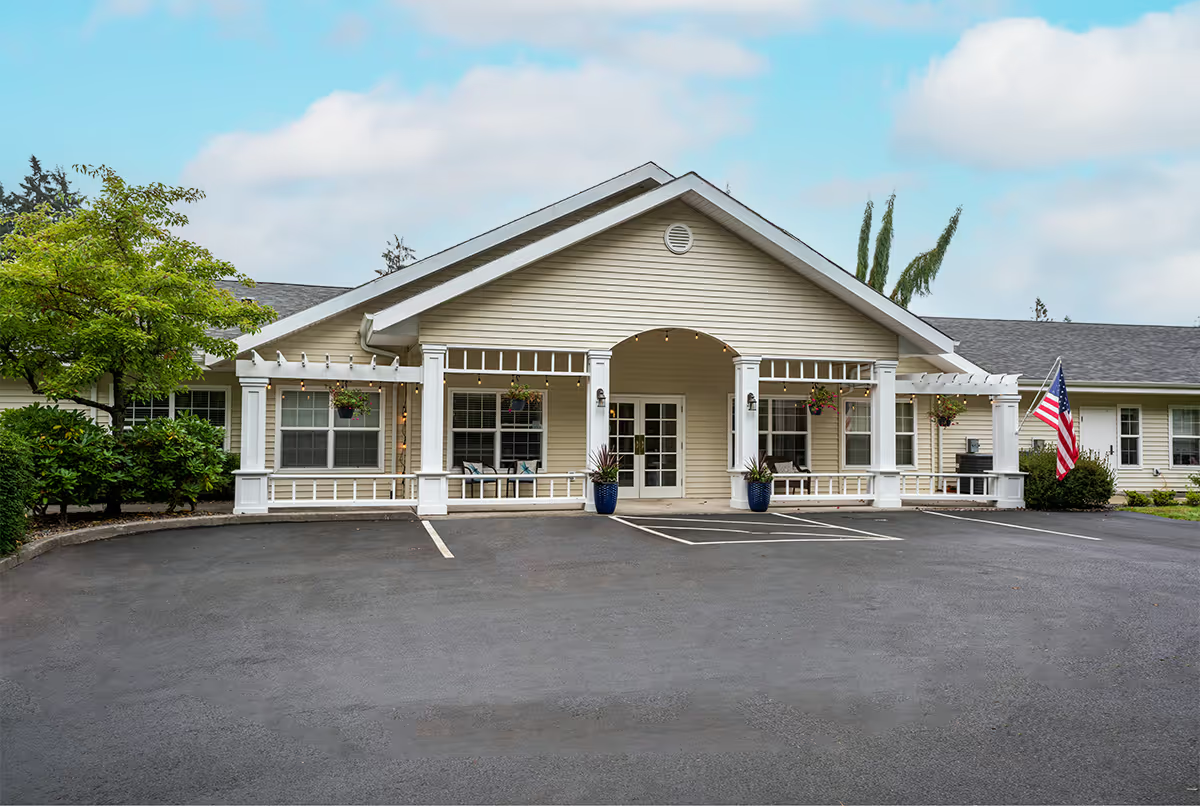
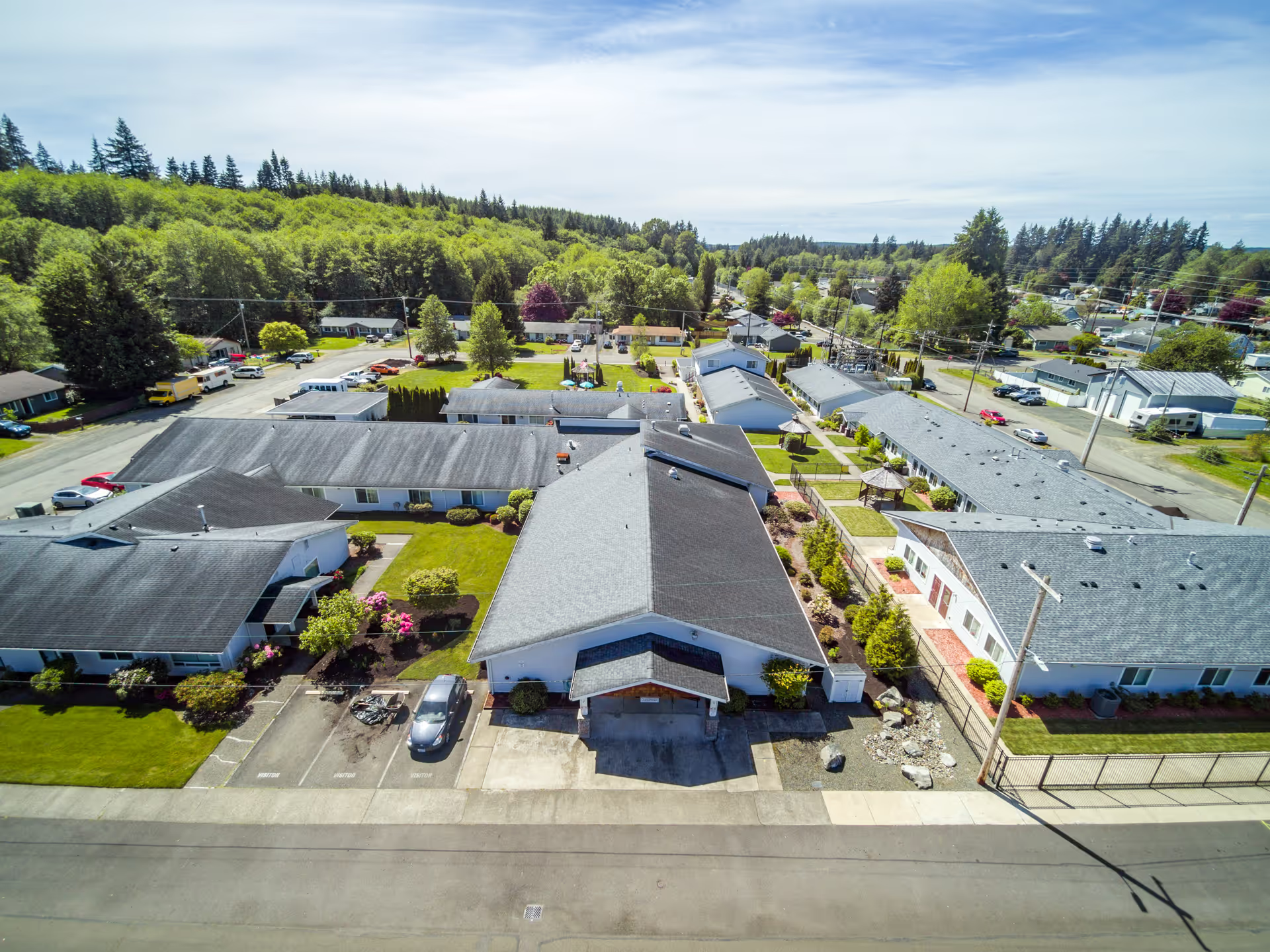
Willapa Harbor Care is frequently described as a small, community-oriented facility with a notably strong rehabilitation focus. Many families and former residents emphasize the effectiveness of the physical, occupational, and speech therapy programs and attribute measurable post-acute recovery to those services. Nursing and caregiving staff are repeatedly characterized as compassionate, attentive, and professional; long staff tenure and continuity of caregivers contribute to a family-like atmosphere and consistent bedside manner.
Clinical quality perceptions are mixed. Numerous accounts praise prompt, thorough medical attention and life-saving interventions in some cases. However, a serious allegation was raised concerning wound-care protocol adherence and medication handling that suggests gaps in clinical processes and safeguards for controlled substances. There is also evidence of variability in physician-level decision making, which has affected some residents' experiences. Prospective families should inquire about the facility's wound-care procedures, medication-administration checks, and physician oversight to understand current practices and any improvements made in response to past concerns.
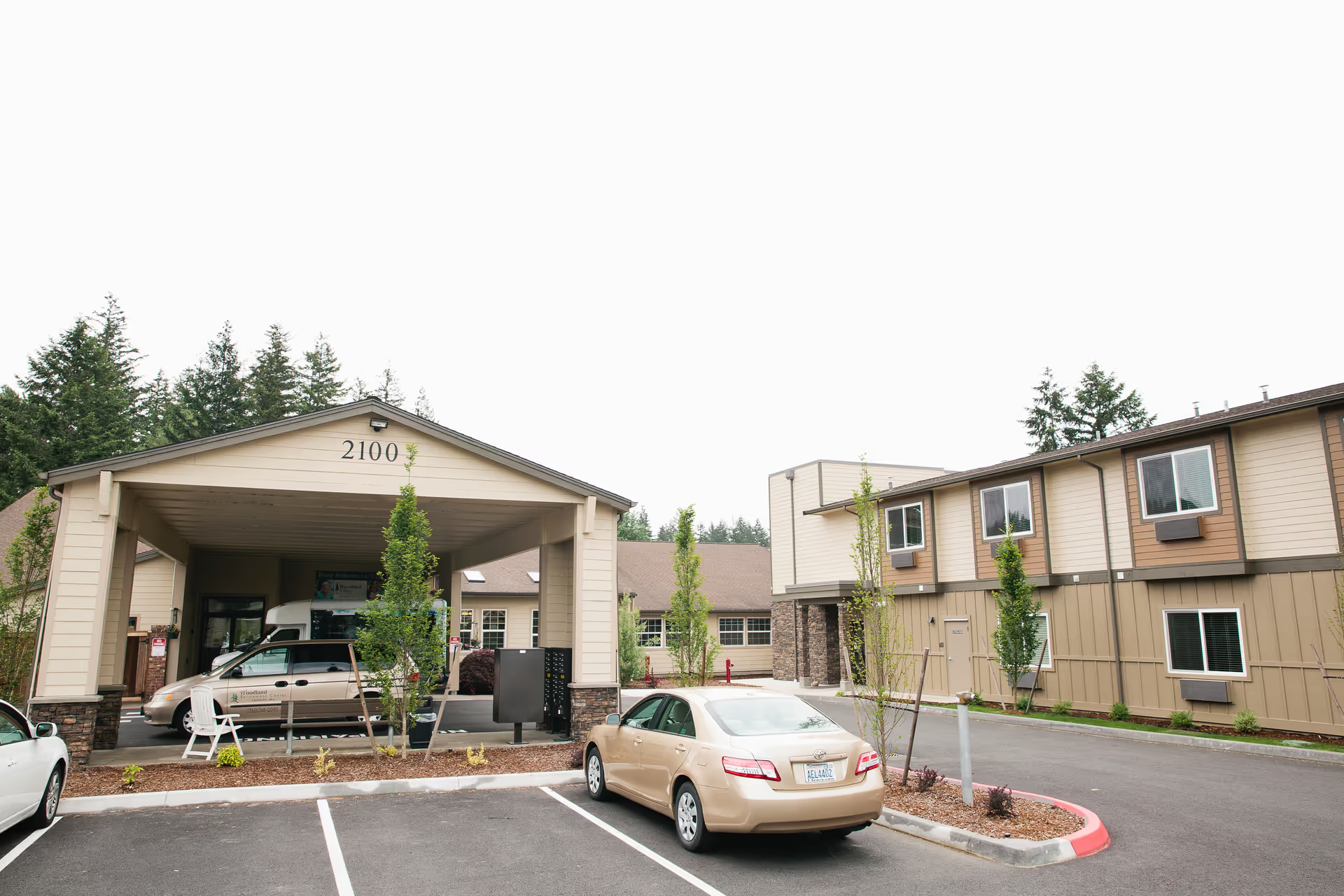
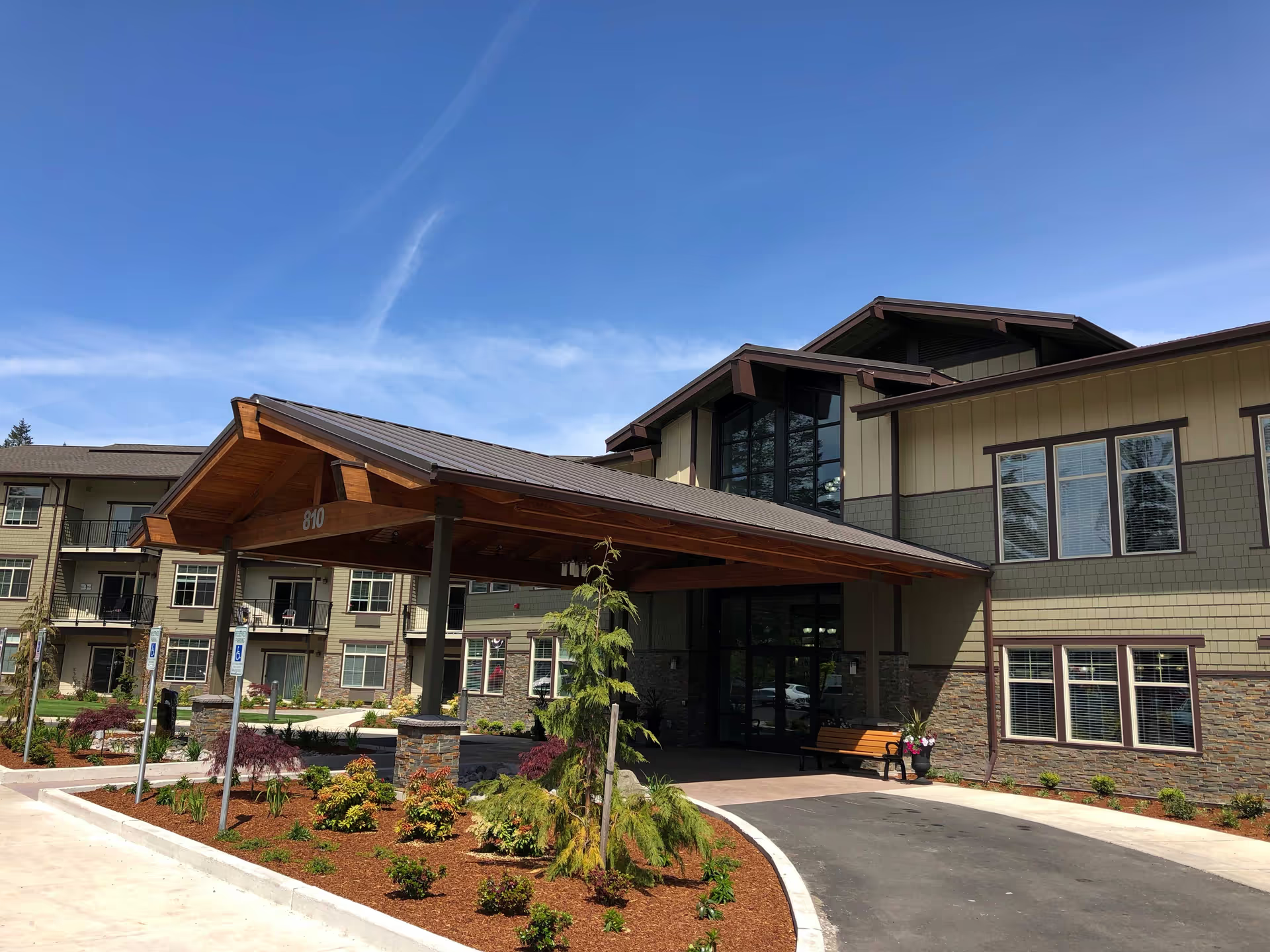
Dining and facilities receive generally positive comments: many residents enjoyed meals and found common areas and rooms well maintained. At the same time, sanitation and odor concerns were specifically noted in a subset of accounts, indicating an inconsistent standard of environmental maintenance in some areas. Recreational and social programming is less frequently described; the primary focus of available activities appears to be rehabilitative therapy rather than an extensive leisure schedule.
Management and administration show both strengths and weaknesses. Leadership and admissions are often described as responsive and communicative, with examples of customer-service apologies and corrective action when issues arose. Conversely, social-work and case-management responsiveness is described as inconsistent, and families noted out-of-pocket charges for durable medical equipment and supplies that may not be expected. Visitation policies implemented during infection-control periods (phone/window-only interactions) were experienced as restrictive and potentially detrimental to resident well-being by some families.
Overall, Willapa Harbor Care may be an appropriate choice for individuals prioritizing strong, hands-on rehabilitation and compassionate bedside care in a small-community setting. Families should balance these strengths against reported operational weaknesses by asking targeted questions about infection-control visitation flexibility, environmental-cleanliness protocols, wound-care and medication safeguards, social-work availability, and billing practices for medical equipment before admission.