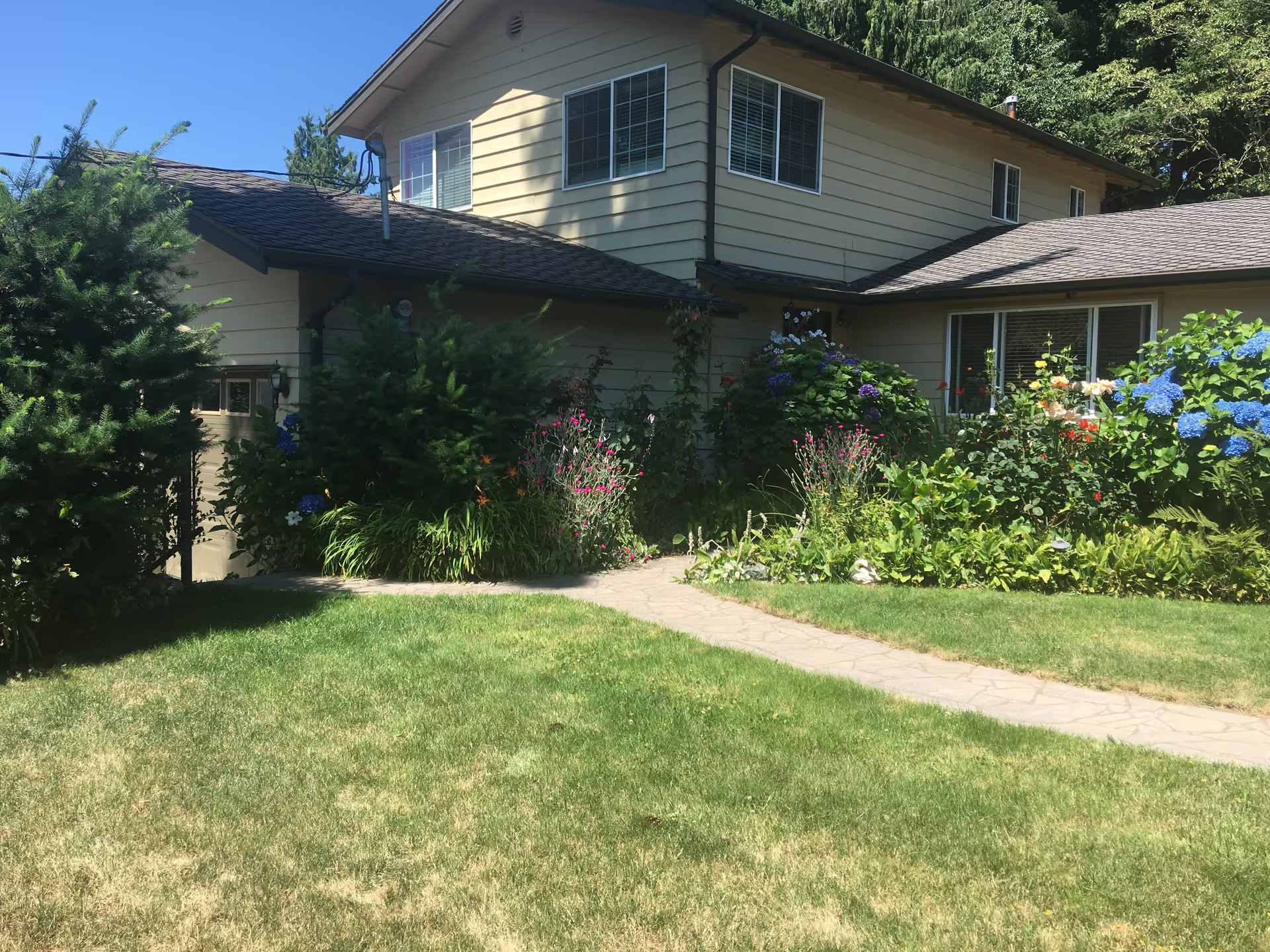
Care and clinical suitability: Review summaries indicate consistent praise for direct caregiving—staff are described as compassionate, professional, and attentive to residents' emotional and social needs. At the same time, several comments make clear that the facility operates as a home-style setting rather than a higher-acuity assisted-living environment. This translates into a limited capacity for residents who require more intensive assistance; families should expect that residents with advancing care needs may require relocation to a more clinically equipped setting.
Staff and management: Reviewers emphasize a trusted, experienced team that is willing to go above and beyond. Staff behavior is characterized as friendly, conscientious, and helpful, and management appears to permit flexible visitation. These elements suggest strong interpersonal care and an administrative approach that supports family access and personalization of care.
Dining and daily living: There is little specific information about meal quality or dining operations in the summaries provided. Daily living strengths noted include the ability to bring and display personal items, which supports resident dignity and familiarity. Prospective families should request details about meal service, dietary accommodations, and schedules during a tour to fill this information gap.
Activities and social programing: A notable gap in the summaries is activity programming. The absence or scarcity of organized activities was mentioned explicitly, indicating limited scheduled engagement opportunities. Families seeking an active program of social, recreational, or therapeutic activities should verify the facility’s current programming before placement.
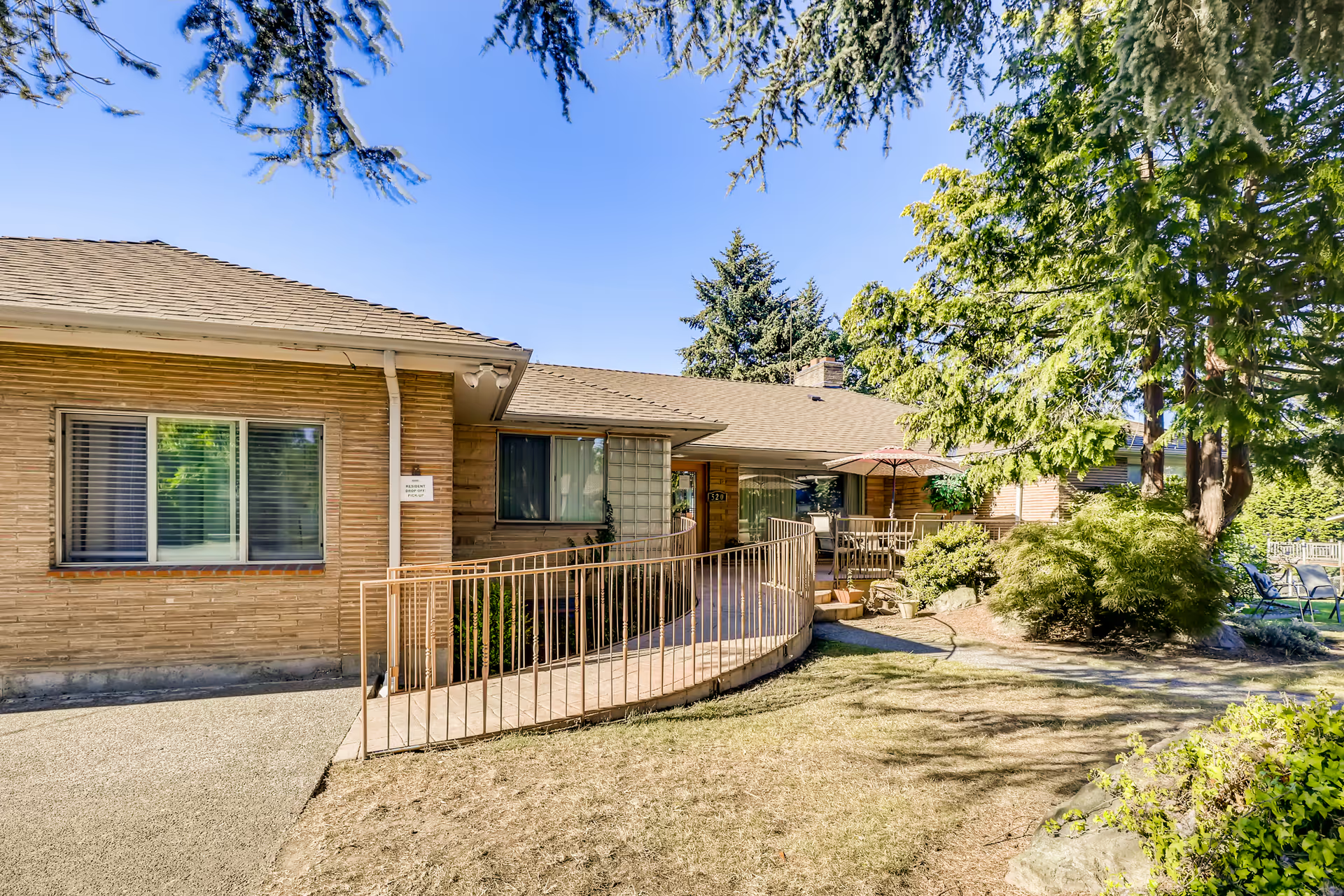
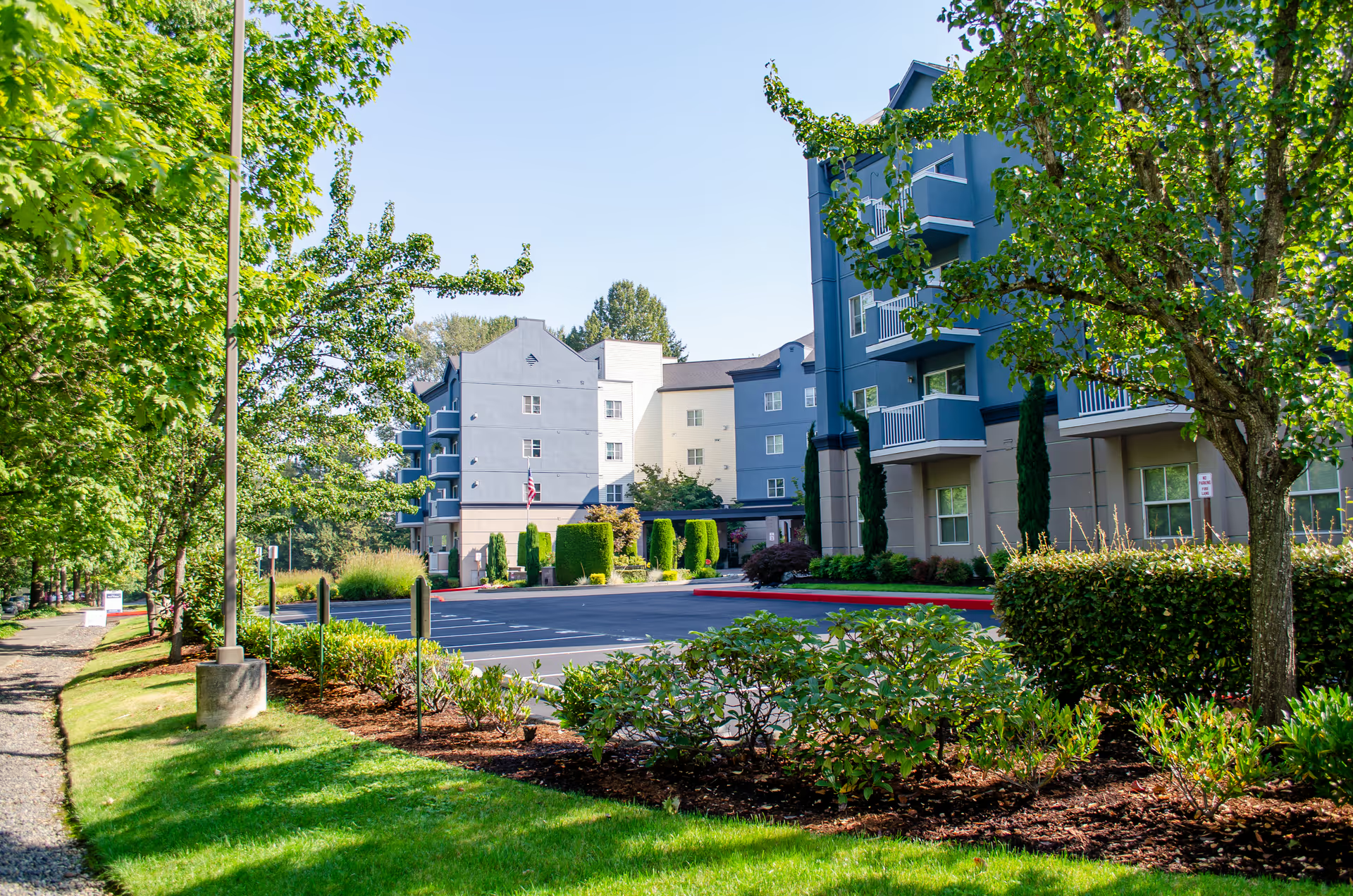
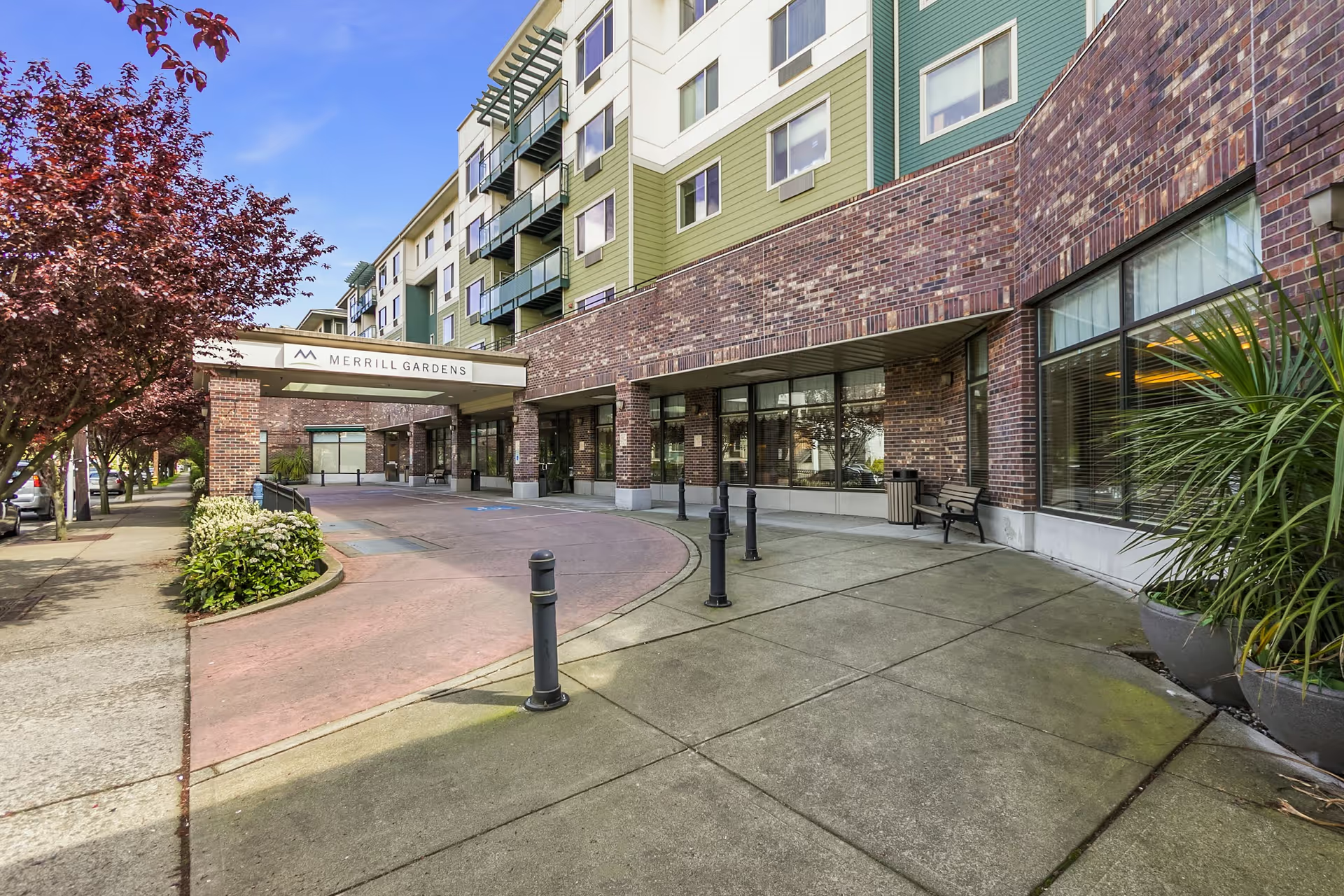
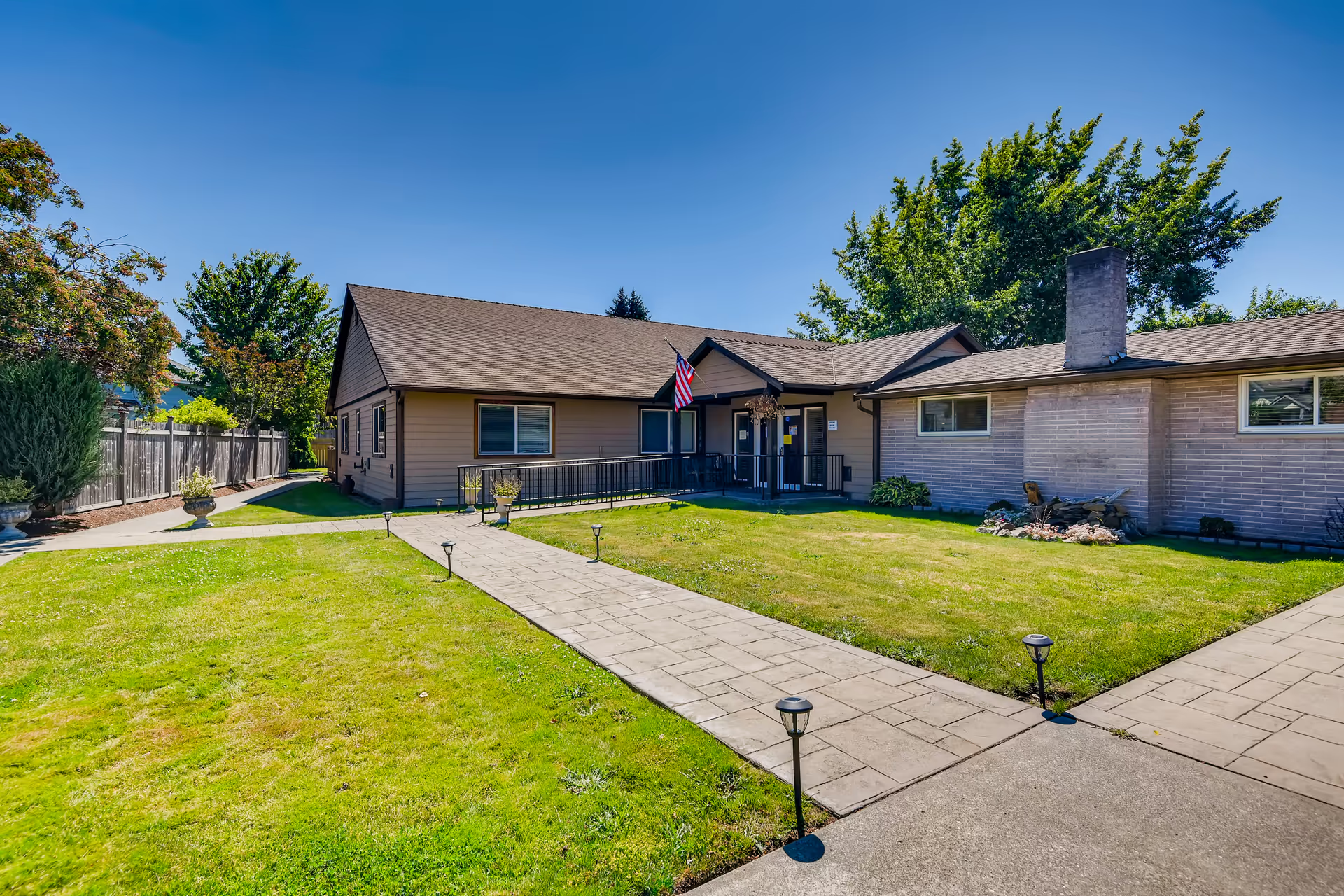
Facilities and cleanliness: The physical environment is consistently described as home-like and clean. Reviewers appreciated the ability to personalize rooms and described the facility as well maintained. One operational detail to note is shared bathing facilities; bathroom access is organized with multiple residents sharing common bathrooms, which may affect privacy and convenience for some residents.
Notable patterns and guidance for families: The dominant positive themes are high-quality caregiving, strong staff–family interactions, and a clean, personalized environment. The primary limitations are structural: shared bathroom arrangements, limited activity programming, and a care model that may not support residents with higher assistance needs. Families should weigh the value of a warm, home-like setting and attentive staff against the facility’s clinical scope and programming offerings. For prospective residents with progressive care needs, confirm staffing levels, clinical services, and bathroom/bathing arrangements during a visit; for those seeking a small, personalized, home-style placement with strong emotional support and flexible visitation, this setting aligns well with those priorities.