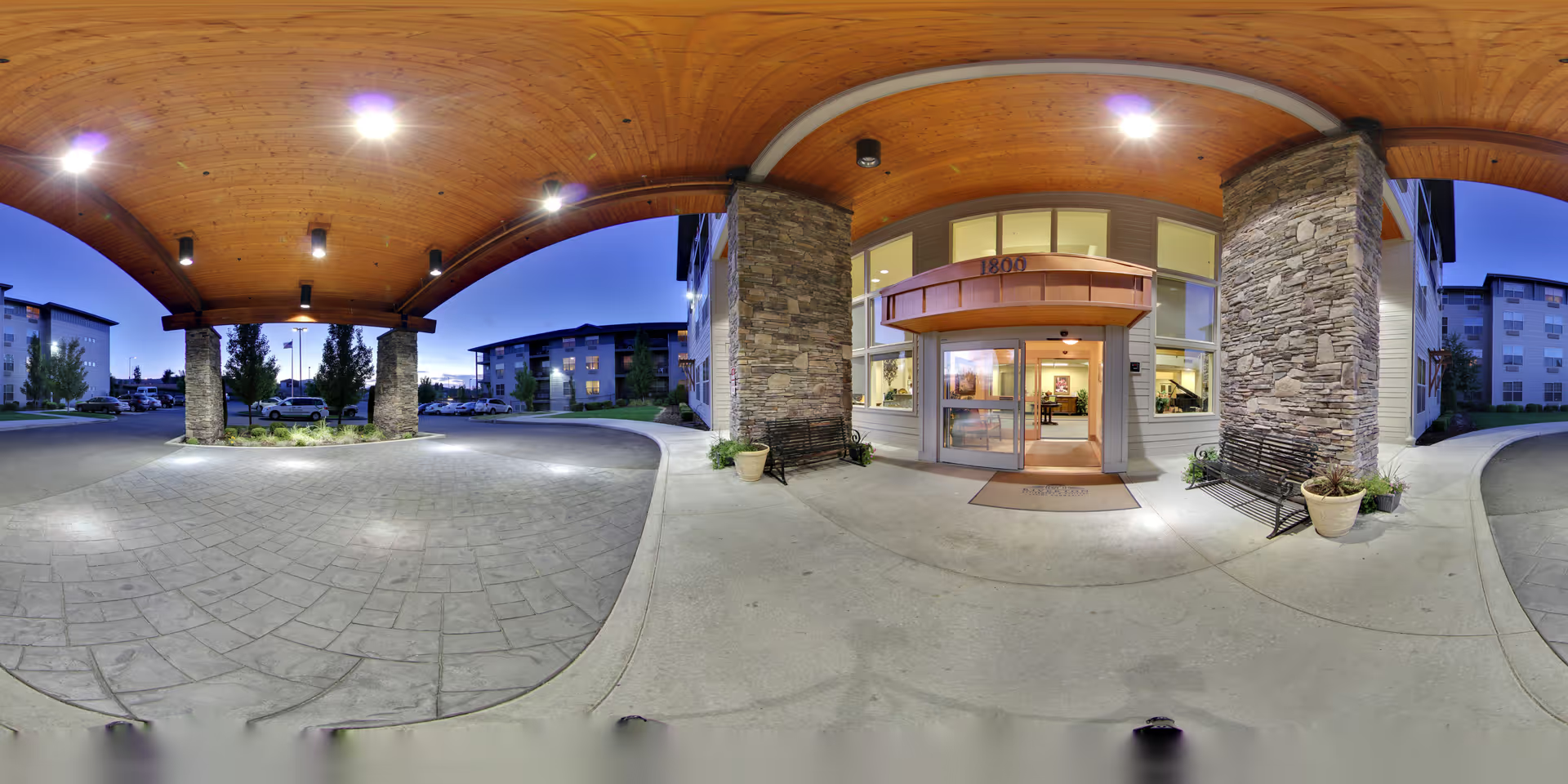
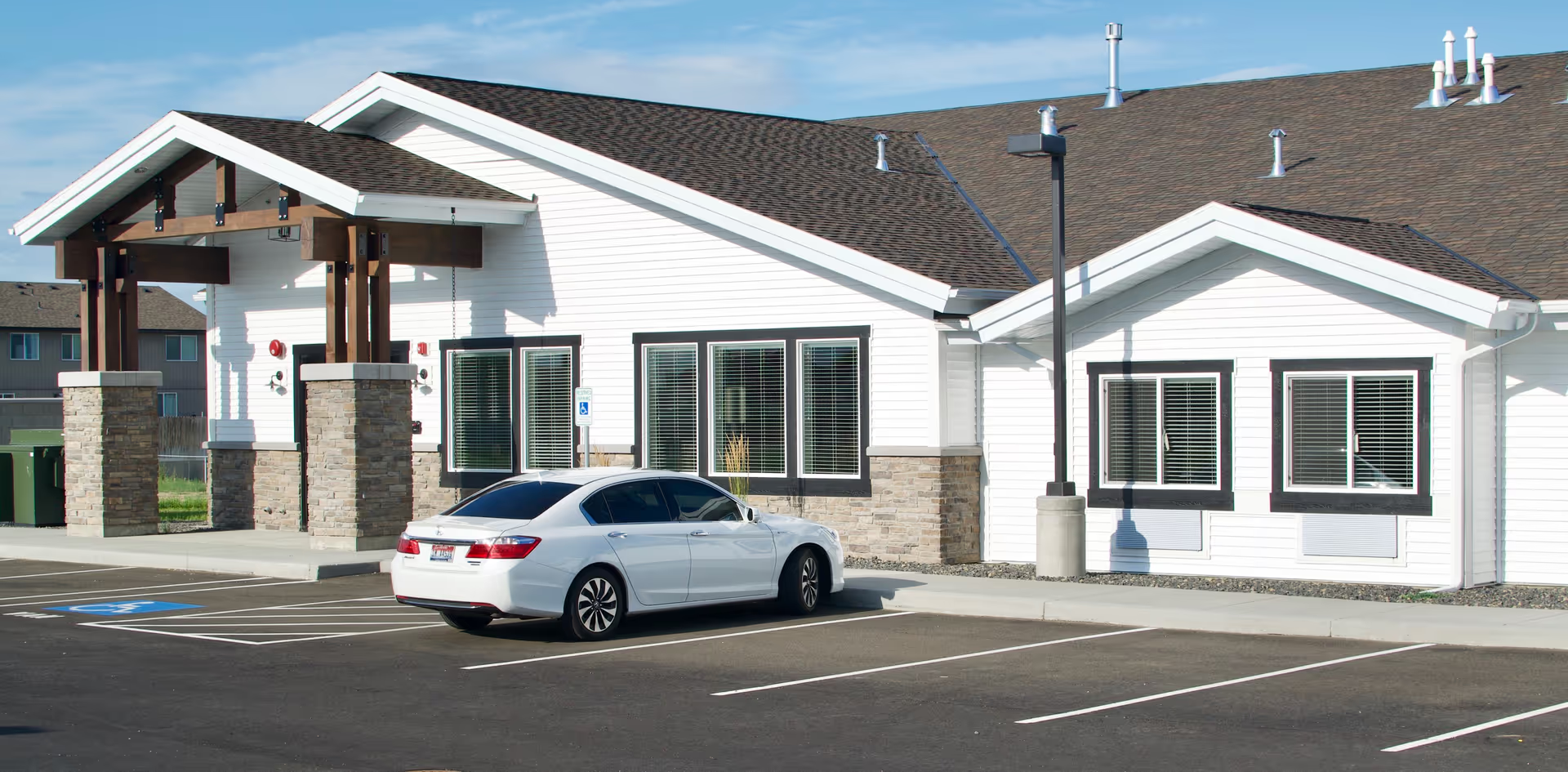
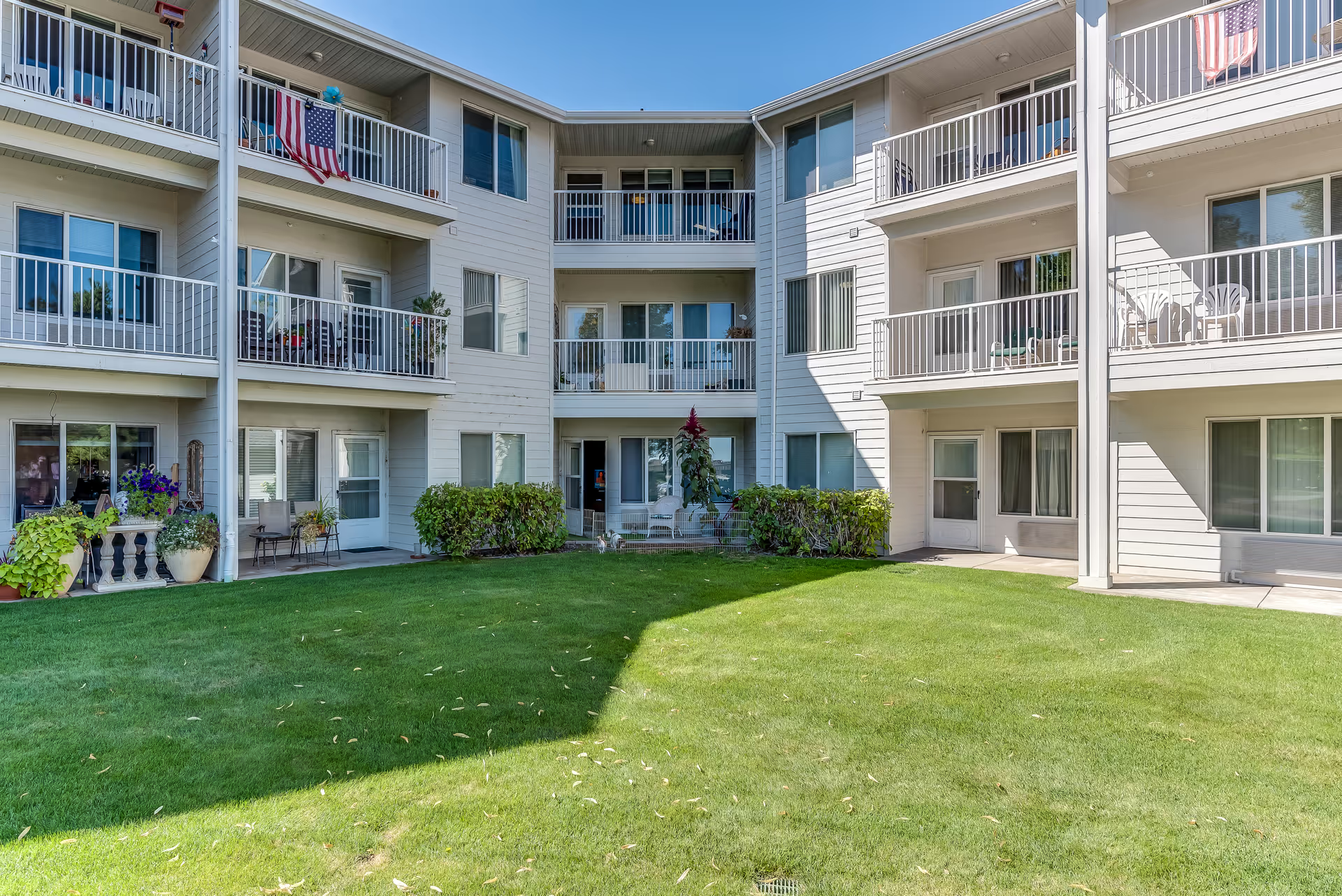
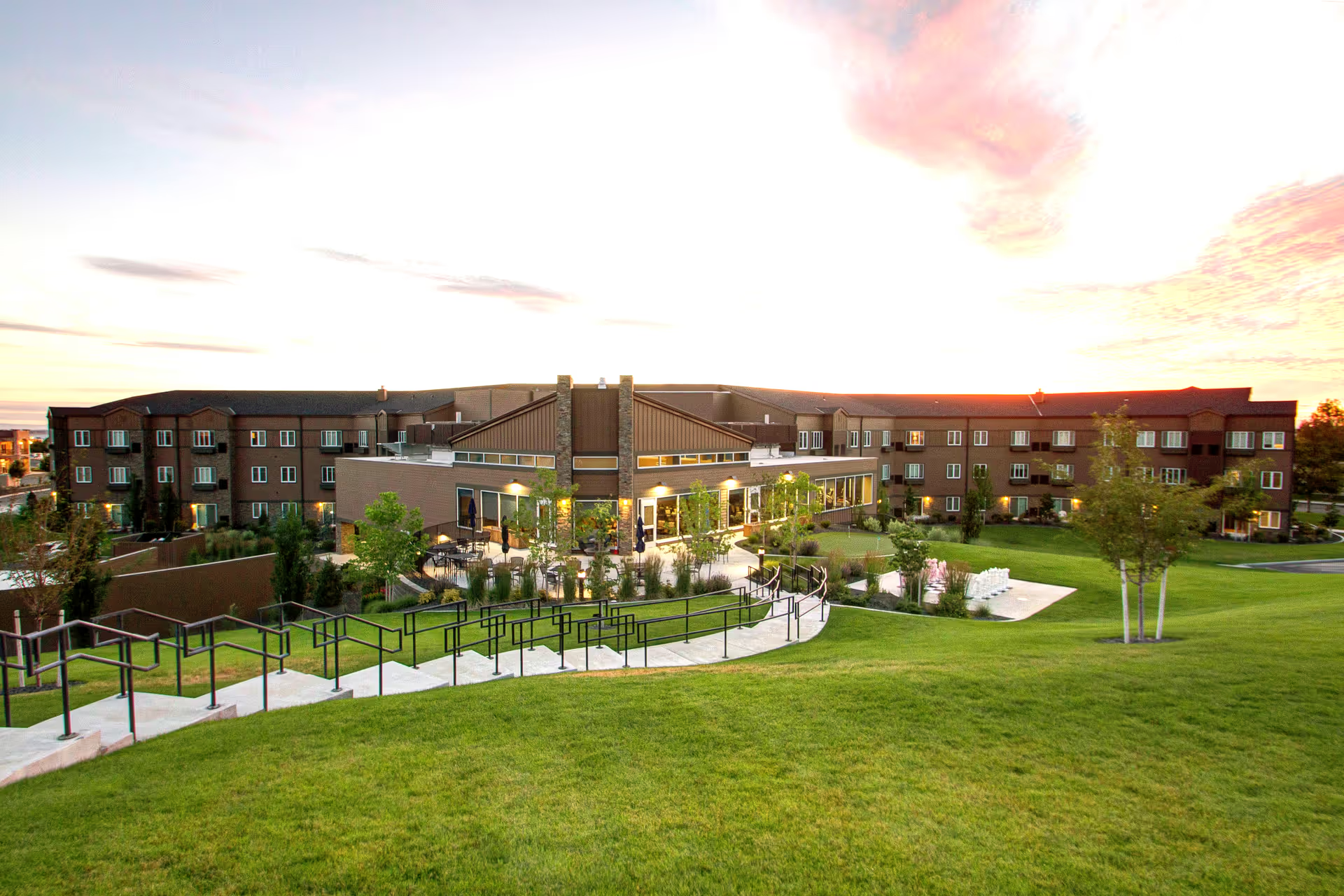
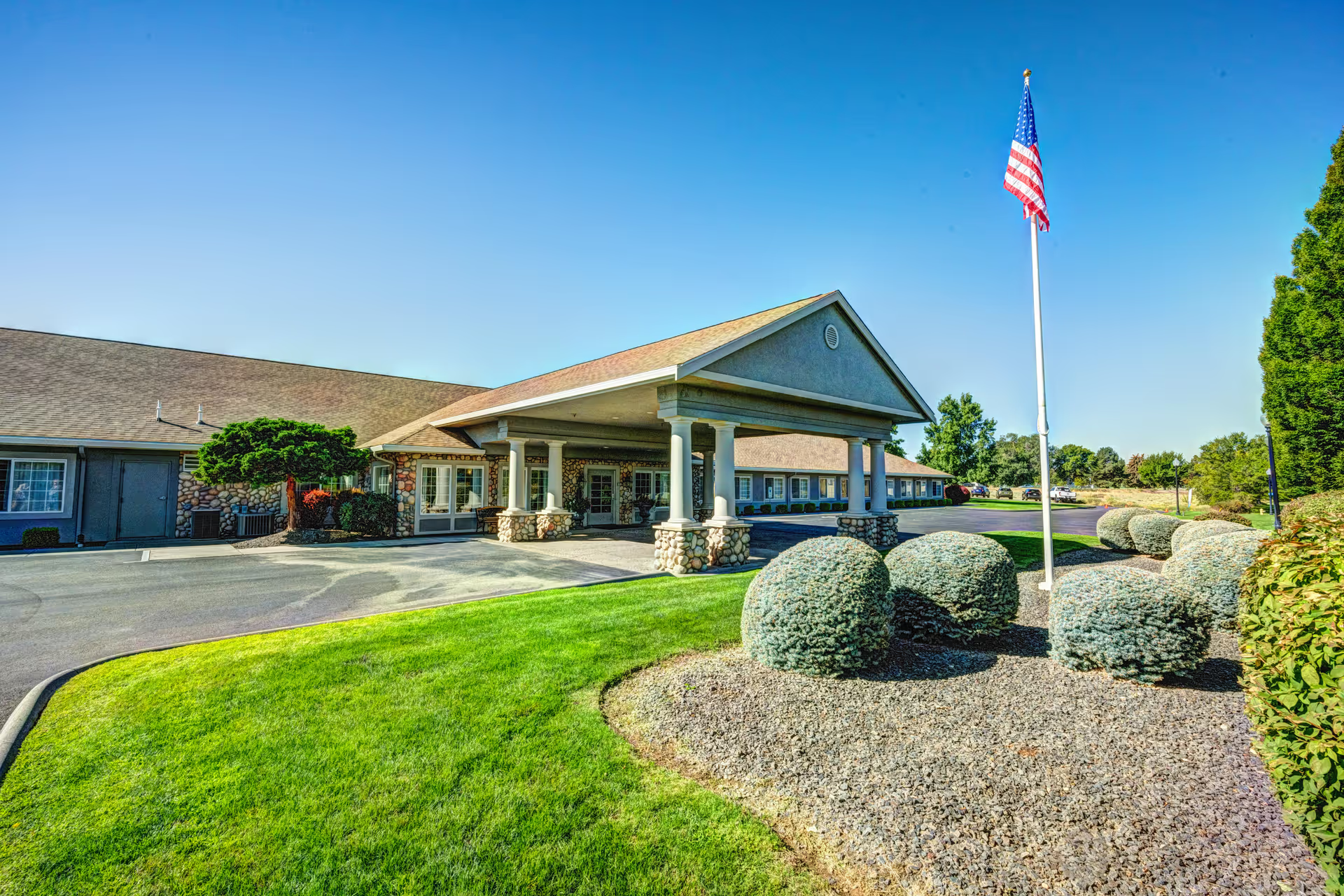
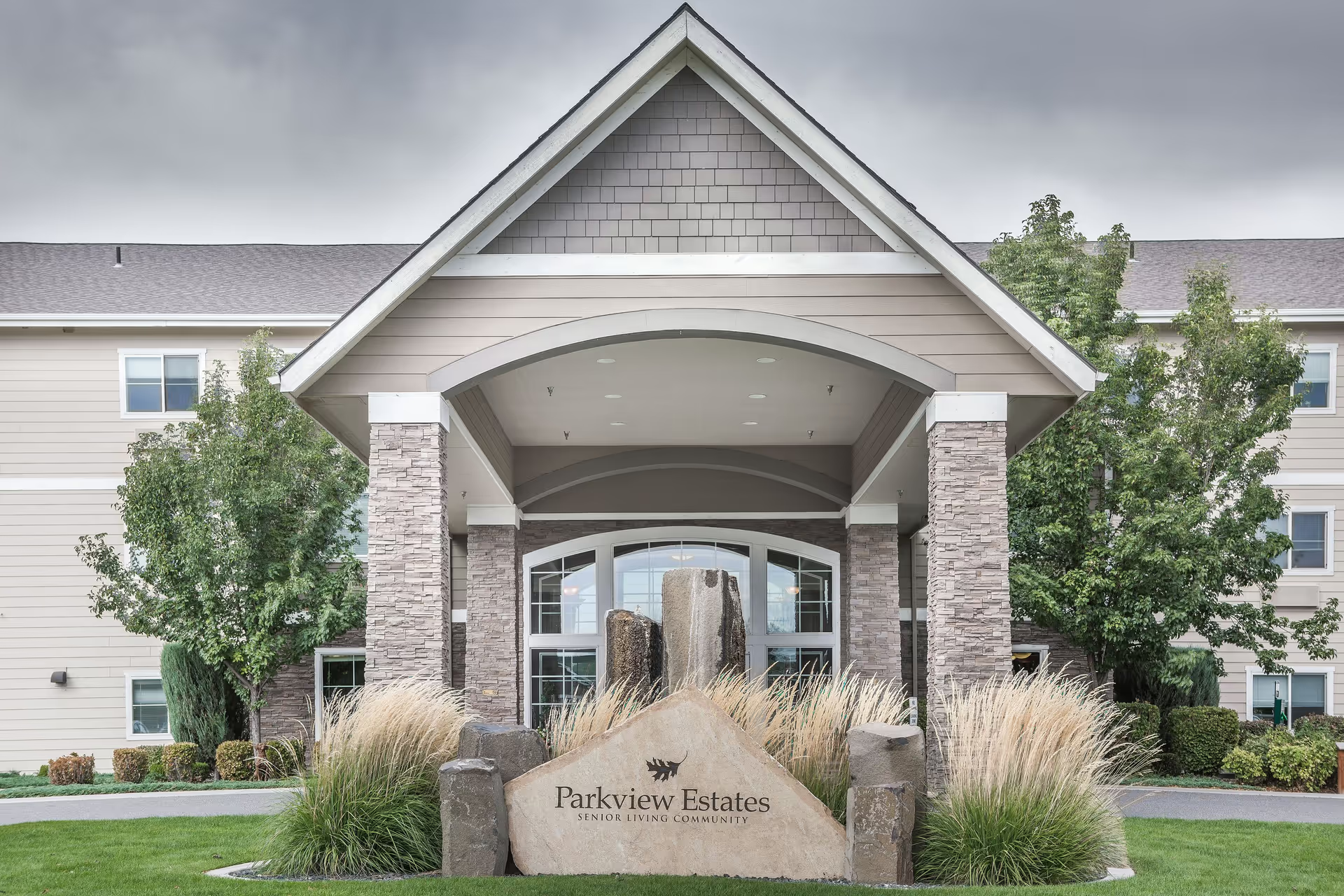
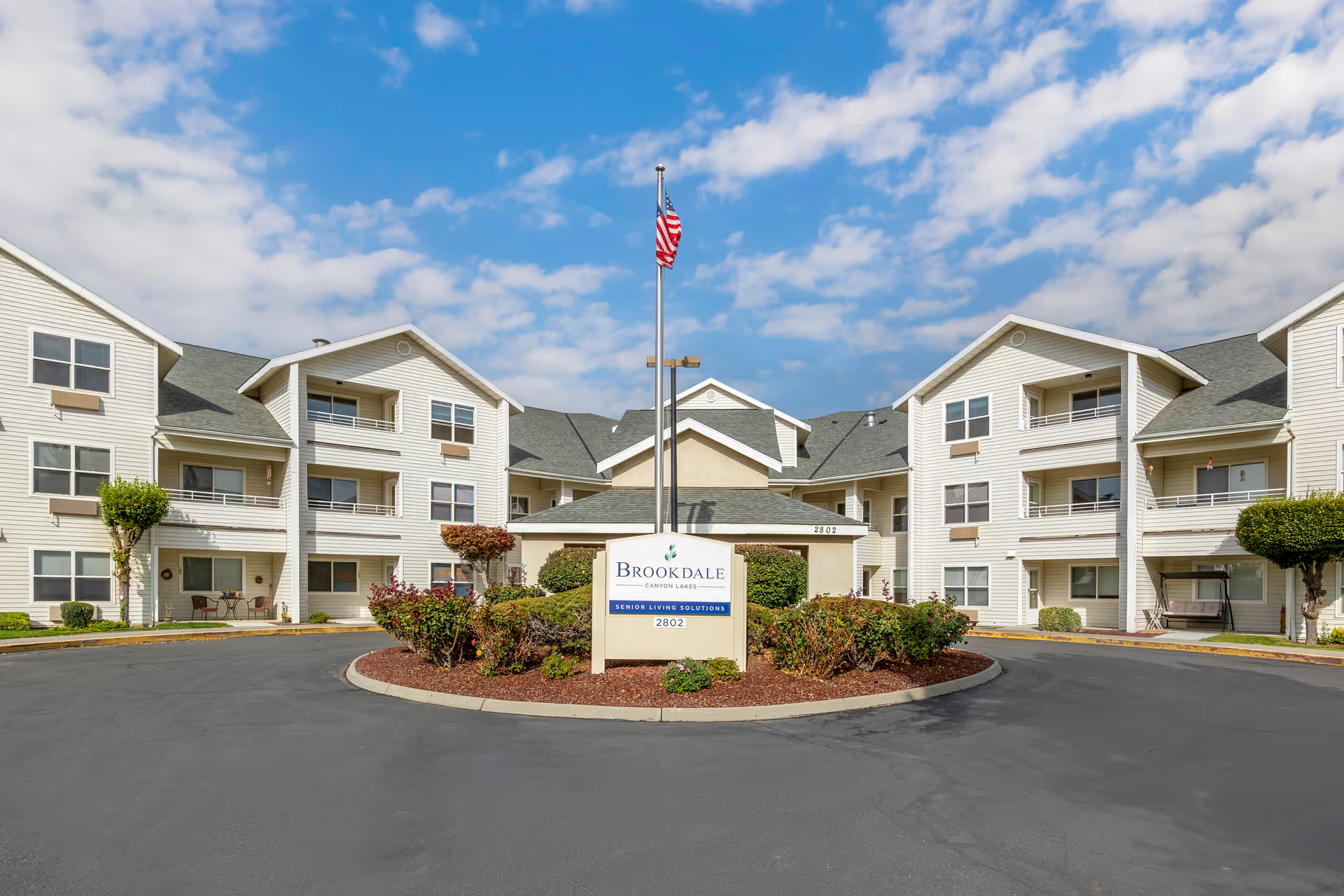
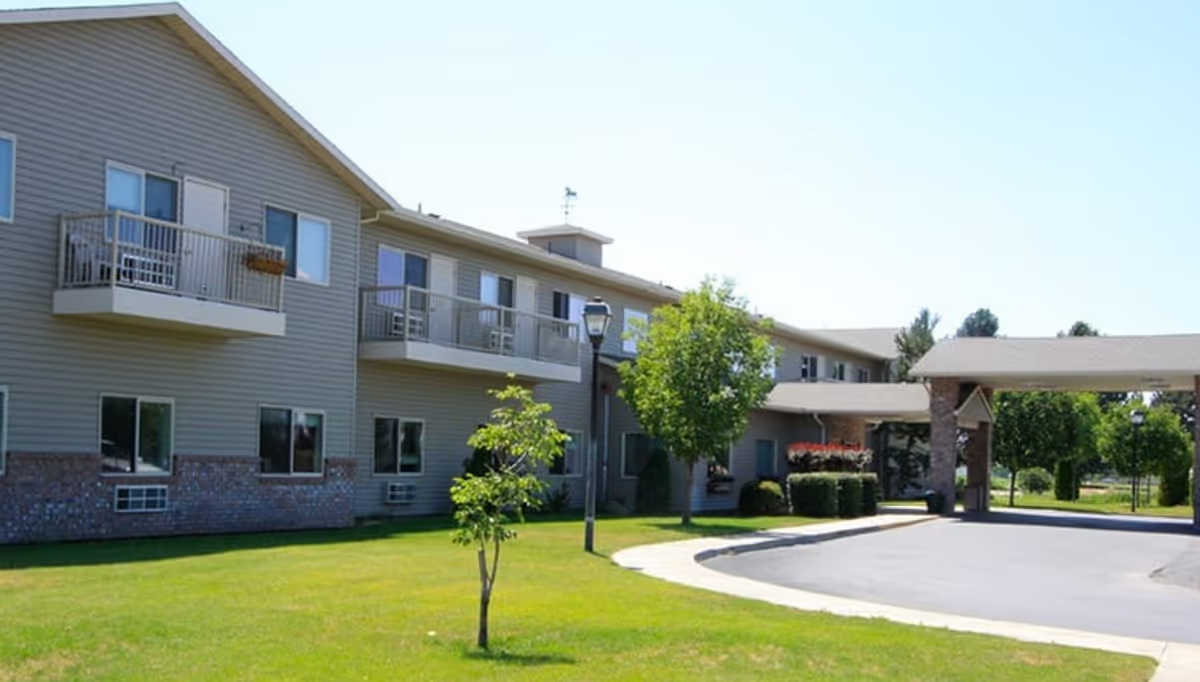
Guardian Angel Homes presents a largely favorable physical environment and programmatic offering alongside recurring operational and management concerns. The campus is repeatedly described as attractive and well maintained, with a home-like design, themed cottages, spacious private suites with en-suite bathrooms, and private cottages that support resident privacy. Reviewers consistently note that the facility offers a full continuum of care—independent living, rehabilitation services, memory care, and end-of-life support—making it suitable for residents who expect to transition between levels of care on the same campus.
Clinical and day-to-day care experiences are mixed. Many families praise caregivers as compassionate, attentive, and personable; staff are often described as remembering family members, including relatives in care conversations, and creating a welcoming atmosphere. The facility's rehabilitation and clinical services receive positive mentions when care is timely and responsive. However, recurring operational issues include staffing shortfalls, high turnover, and delays in medication delivery or follow-up evaluations. These operational weaknesses have contributed to instances where medical assessment and diagnostic follow-up were seen as delayed or uneven, particularly in cases where cognitive decline or new medical issues required proactive evaluation.
Dining, activities, and social programming are strengths for many residents. Meals are described as well prepared with accommodations for personal preferences. The activity program includes manicures, crafts, musical performances, puzzles, and organized entertainment; reviewers frequently highlight a dedicated activities team and active social calendar. At the same time, a subset of families cited uneven availability of activities or a desire for more frequent programming, suggesting variation in day-to-day engagement depending on unit or staffing levels.
Management, human-resources practices, and staff morale emerge as areas of concern. Comments point to abrupt schedule changes, inconsistent communication with families and staff, punitive workplace policies, and perceived underinvestment in frontline employees (including pay disparities). These factors correlate with reports of employees feeling overworked and with high turnover, which in turn affects continuity of care and responsiveness to resident requests. Operationally, families should expect to probe staffing ratios, turnover statistics, and protocols for medication administration and medical escalation during tours.
Overall, Guardian Angel Homes combines a high-quality physical environment and a broad program of services with operational pressures that affect consistency. Prospective residents and their families will likely appreciate the facility's amenities, meal program, and social environment but should evaluate staffing stability, clinical responsiveness, and management practices as part of the decision process. Specific items to clarify on a visit include current staffing ratios for the intended unit, policies for medication timing and clinical reassessment, procedures for dementia diagnosis and follow-up, and the typical activities schedule for the household under consideration.