Care quality: Reviews reflect a mixed clinical picture. Several accounts praise hands-on caregivers and day-to-day assistance as attentive and compassionate, while others identify lapses in clinical responsiveness and follow-up after acute events. Concerns described include delays in medical response, limited diagnostic follow-up, and observable changes in a resident's condition that were not clearly communicated or investigated. These comments suggest uneven performance on acute-clinical monitoring and post-incident management rather than uniformly poor or uniformly excellent medical care.
Staff and caregiving: Direct-care staff — particularly nursing aides — are consistently described positively. Reviewers characterize the caregiving staff as warm, patient, and familiar with residents, contributing to a family-like atmosphere. This supportive frontline culture appears to be a clear strength of the facility. At the same time, there are recurring notes about variability in nursing supervision and the need for families to advocate or stay involved to ensure consistent clinical follow-through.
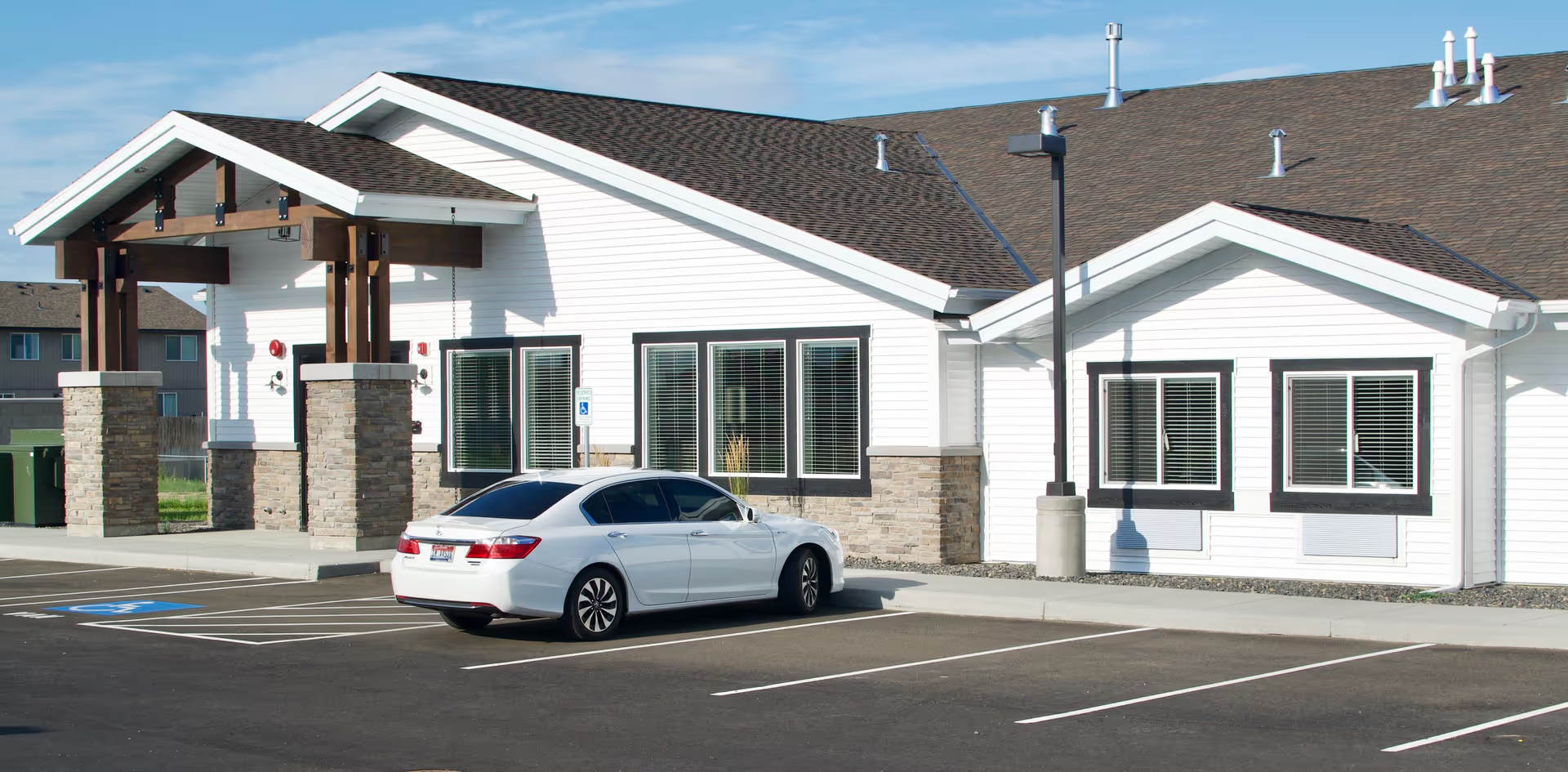
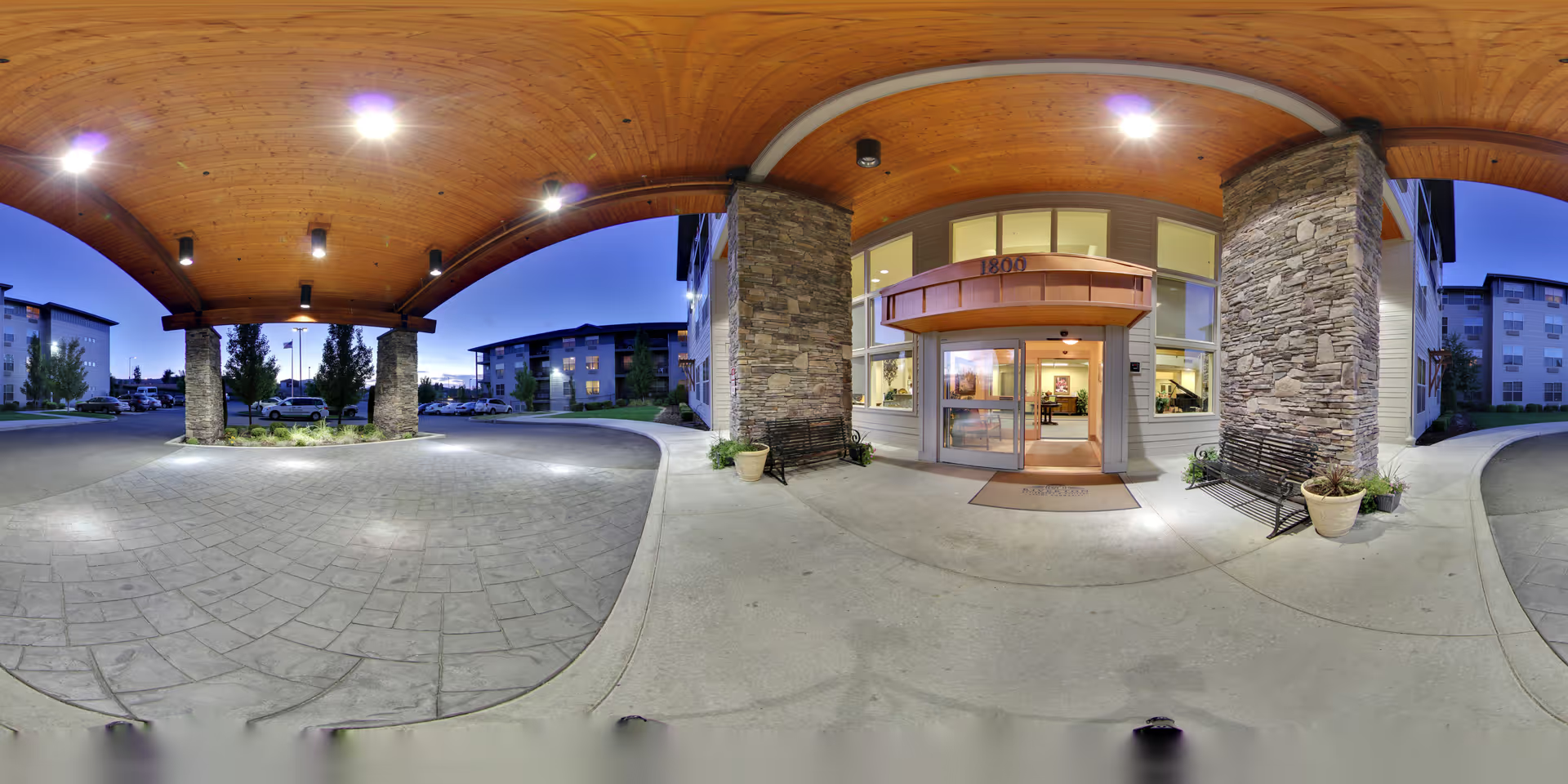
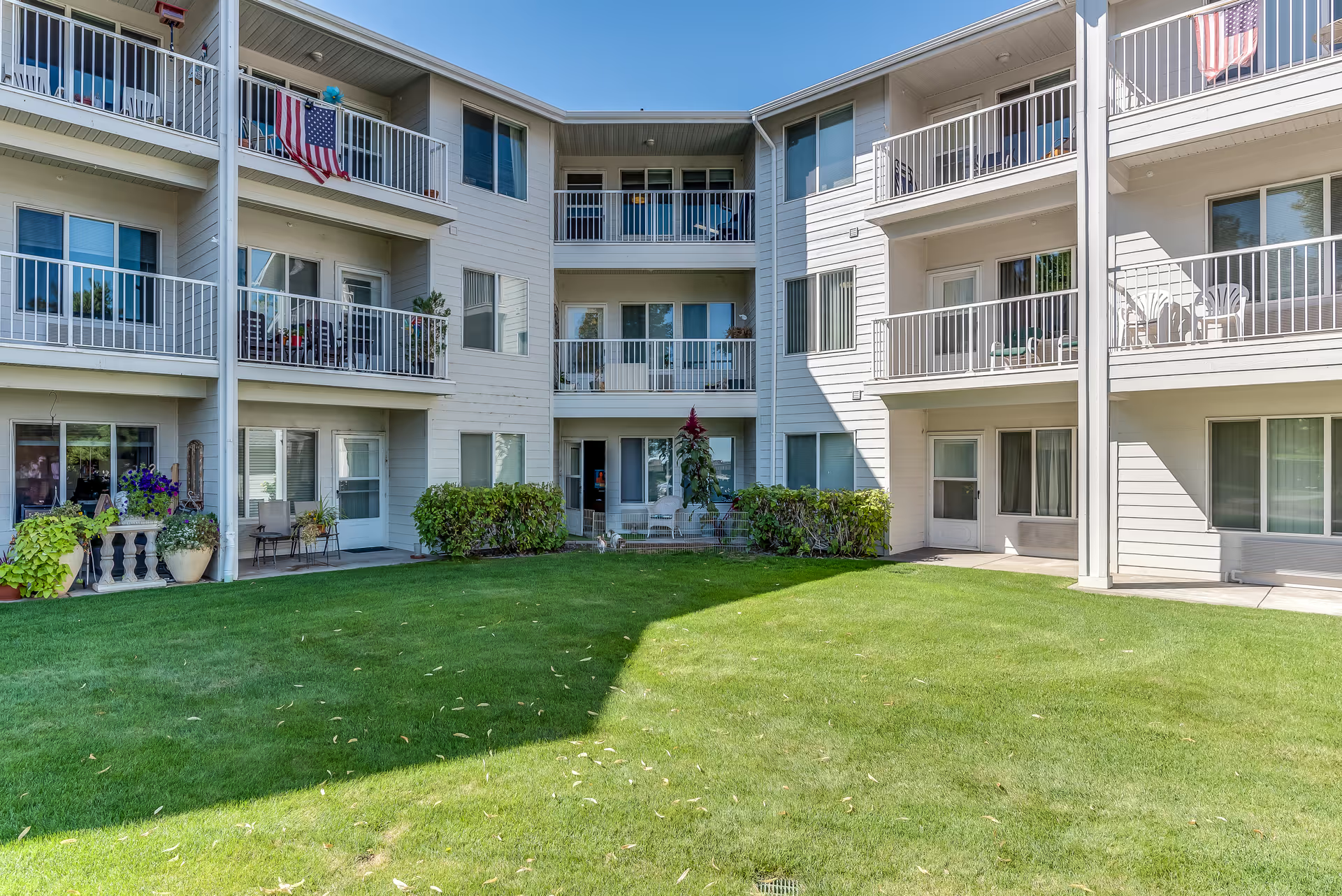
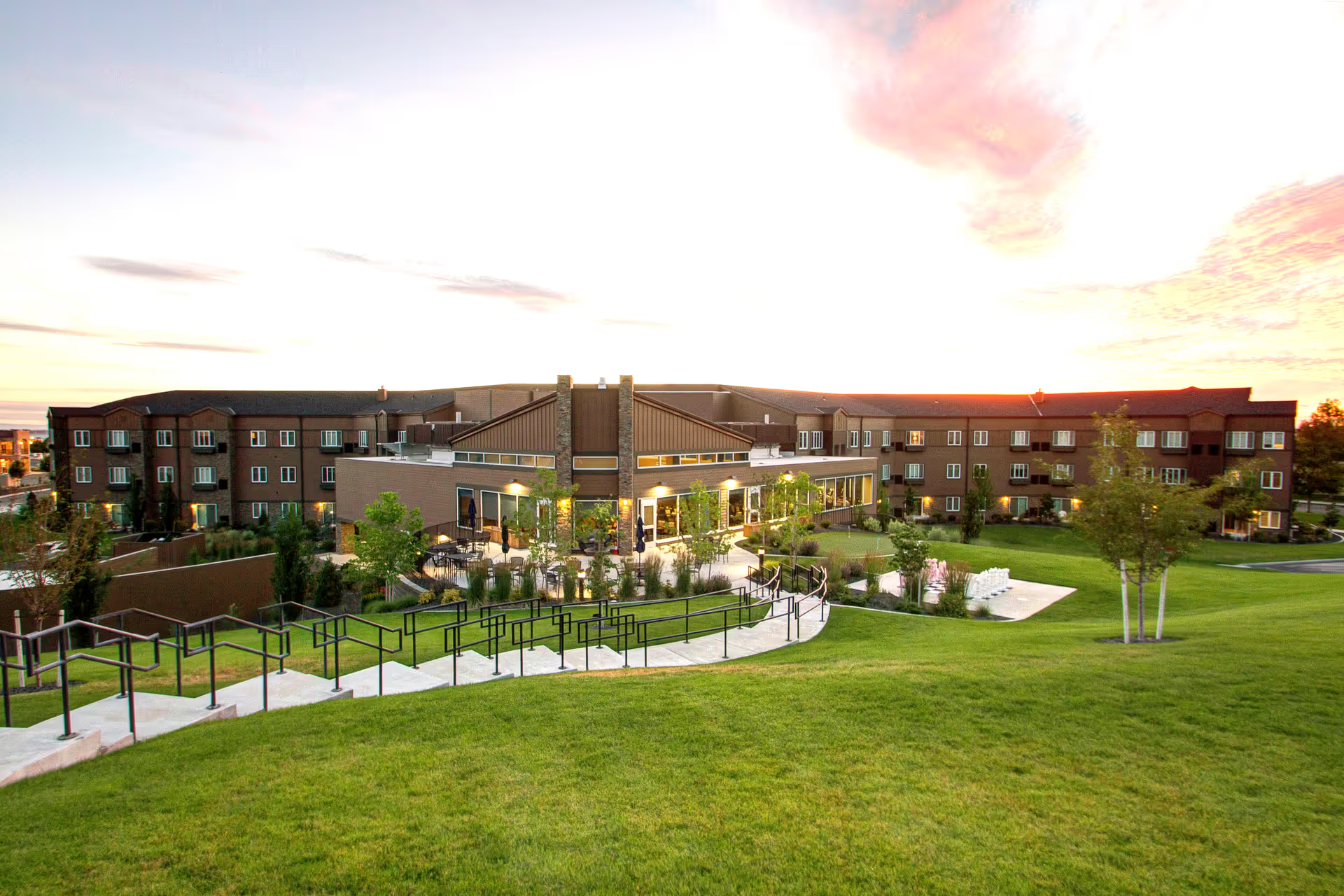
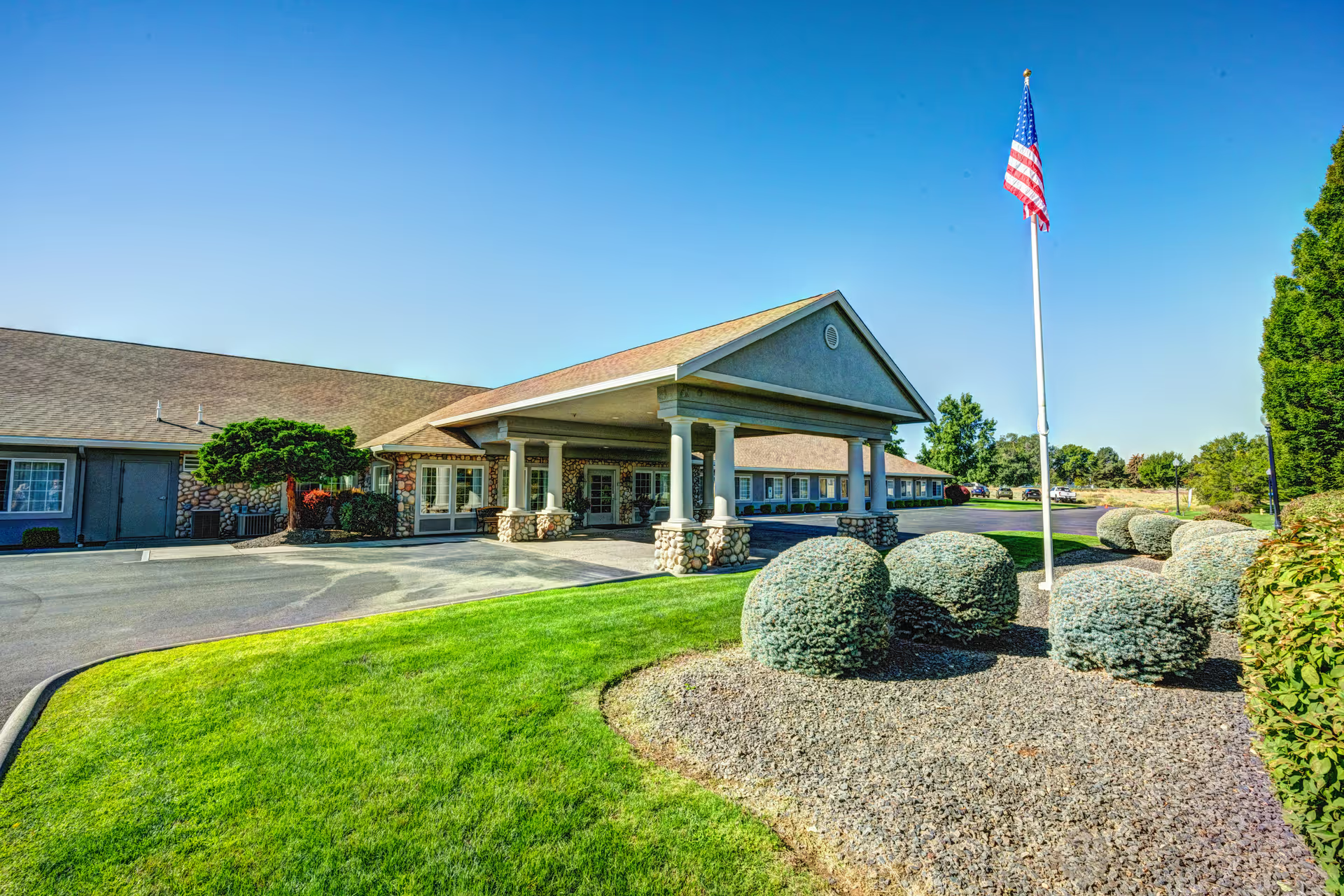
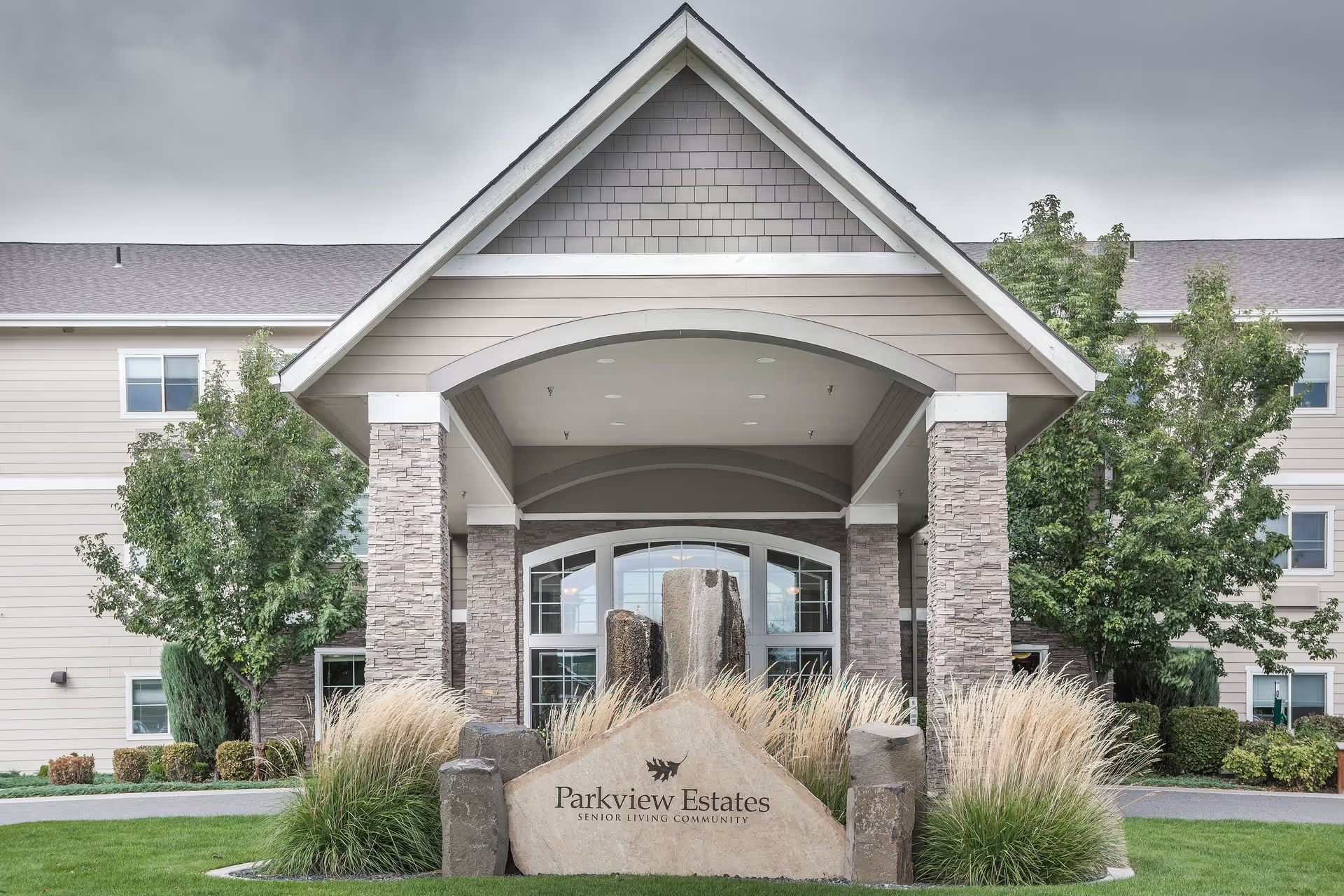
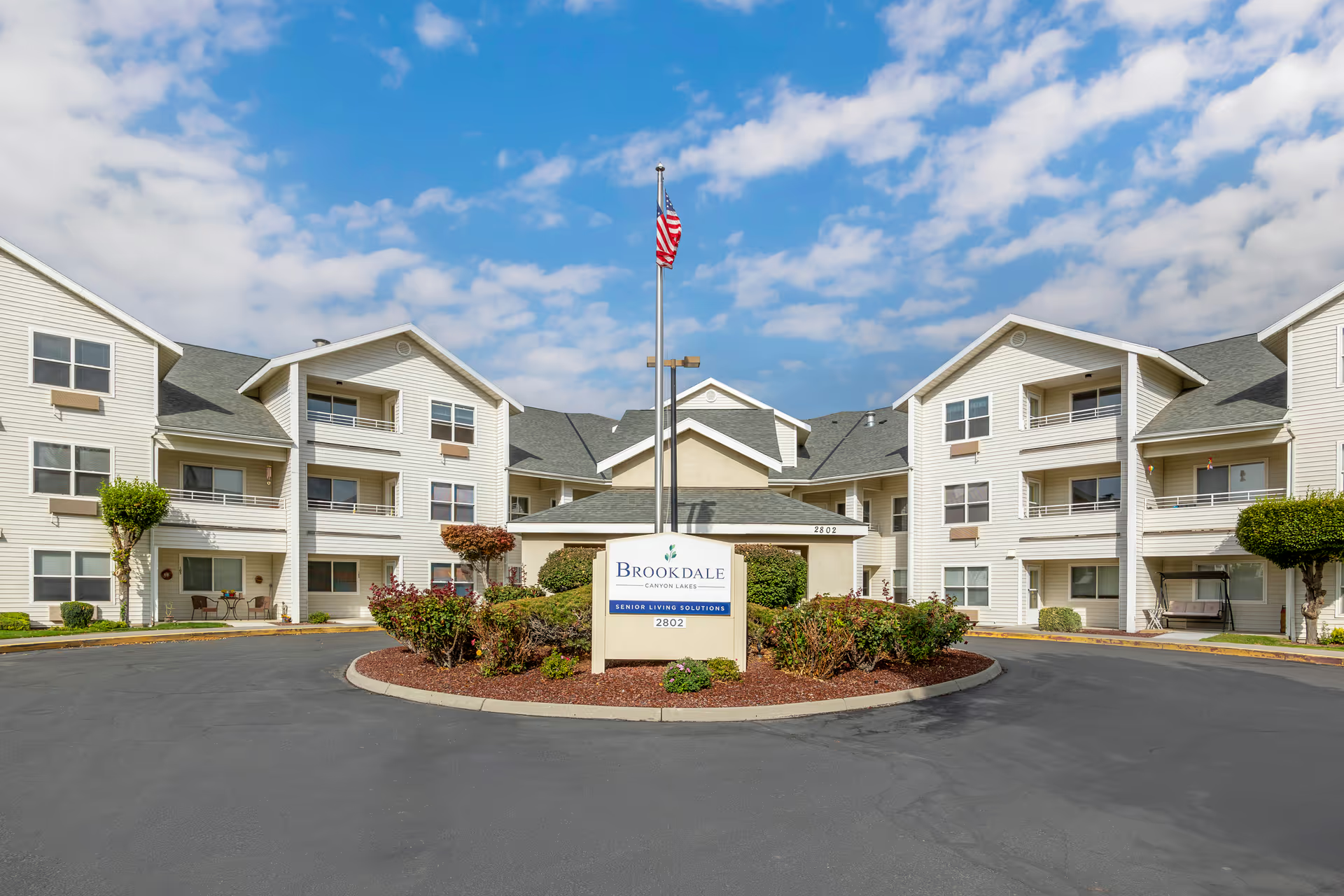
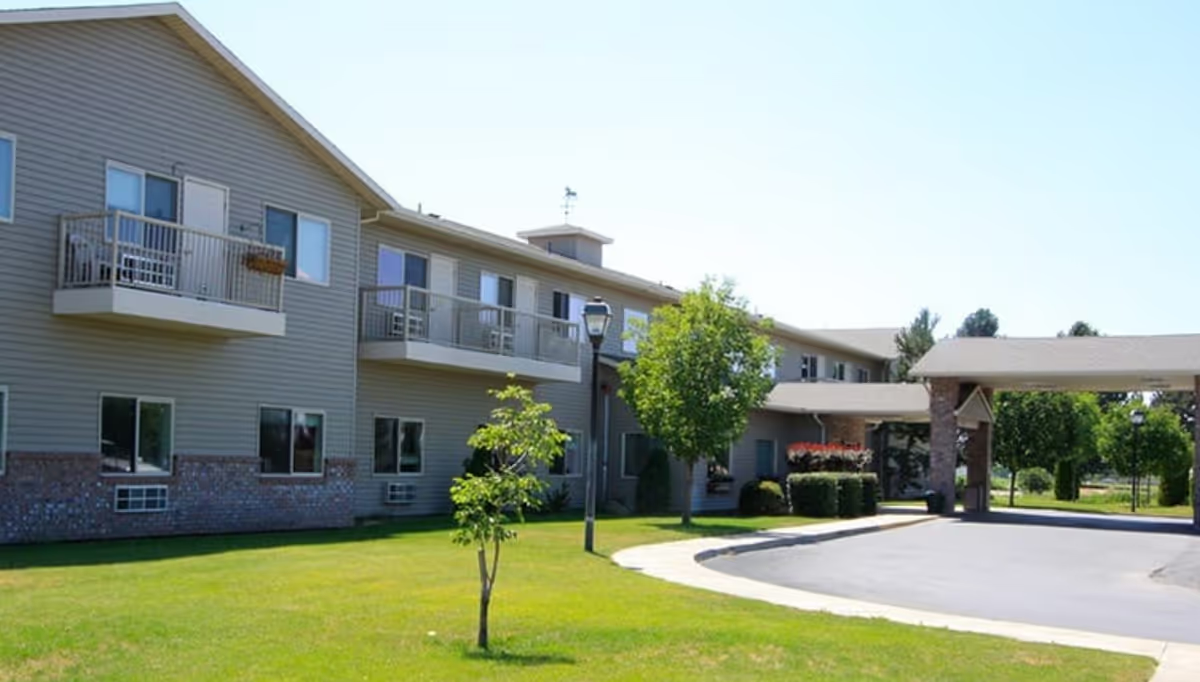
Dining, activities, and facilities: Review text emphasizes a home-like and welcoming physical environment; reviewers used terms that indicate communal spaces feel familiar and residents are integrated into a family-style setting. There is limited specific information about dining quality or the scope of activities in the available summaries. Prospective families should request current menus, activity schedules, and a tour focused on communal areas to assess those domains directly.
Management and policies: Comments point to inconsistent clinical oversight and gaps in communication between nursing staff, management, and families. One reviewer raised a medication-change concern, indicating unclear authorization or communication around medication adjustments; this aligns with broader mentions of inconsistent follow-through from supervisory staff. COVID-era visiting restrictions were also noted, implying limited flexibility in visitation policy during infection-control periods.
Notable patterns and recommendations: The overall pattern is a facility with strong direct-care staff and a comforting, home-like environment but with operational weaknesses around clinical incident response, nursing oversight, medication-change protocols, and safety monitoring. Families considering this facility should prioritize questions about fall-prevention measures, incident-response timelines, how the facility documents and communicates clinical changes to families, and formal policies governing medication changes and authorization. A thorough tour that includes the nursing office and review of current staffing/oversight practices will help clarify whether the facility’s strengths in person-centered caregiving are matched by robust clinical processes.