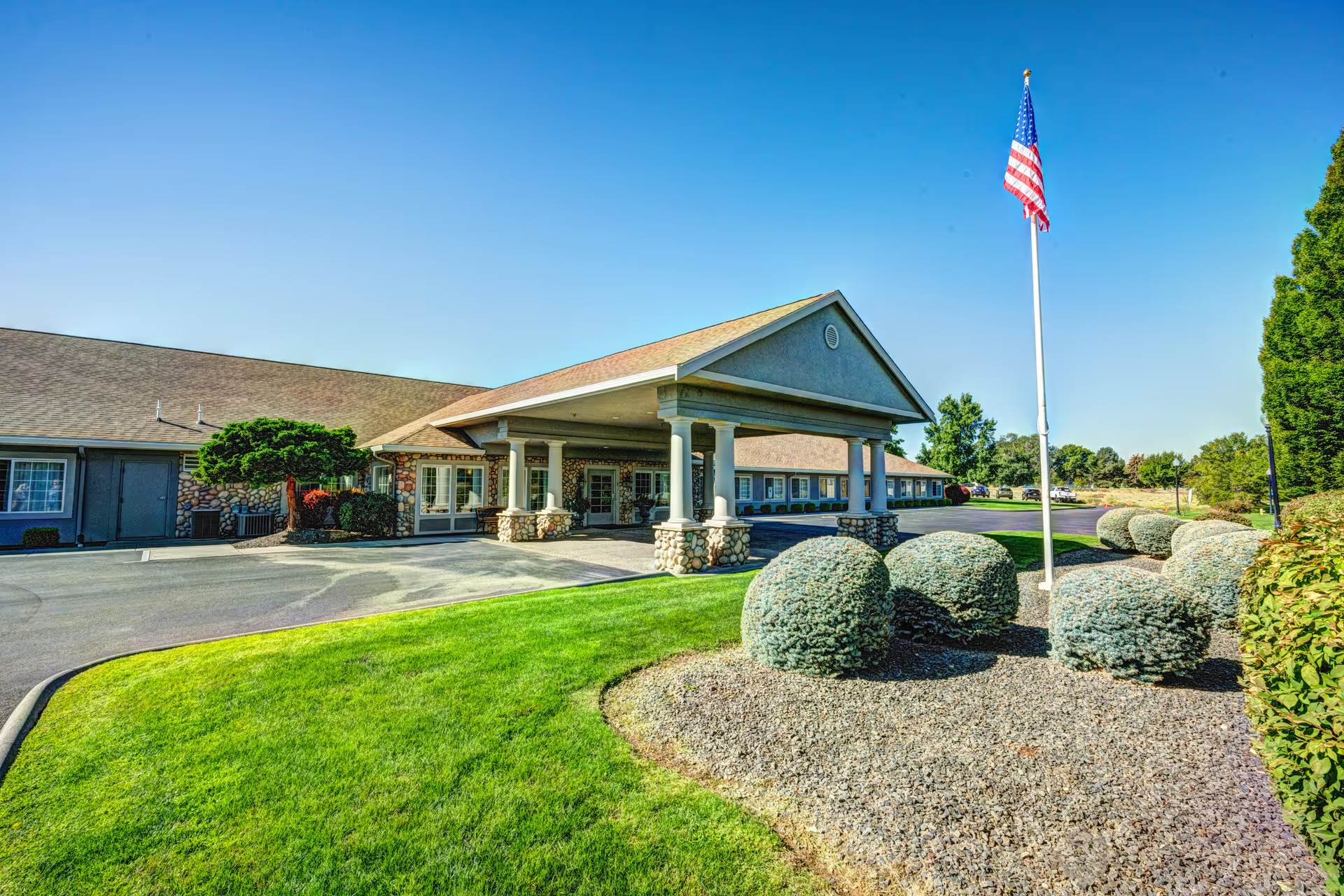
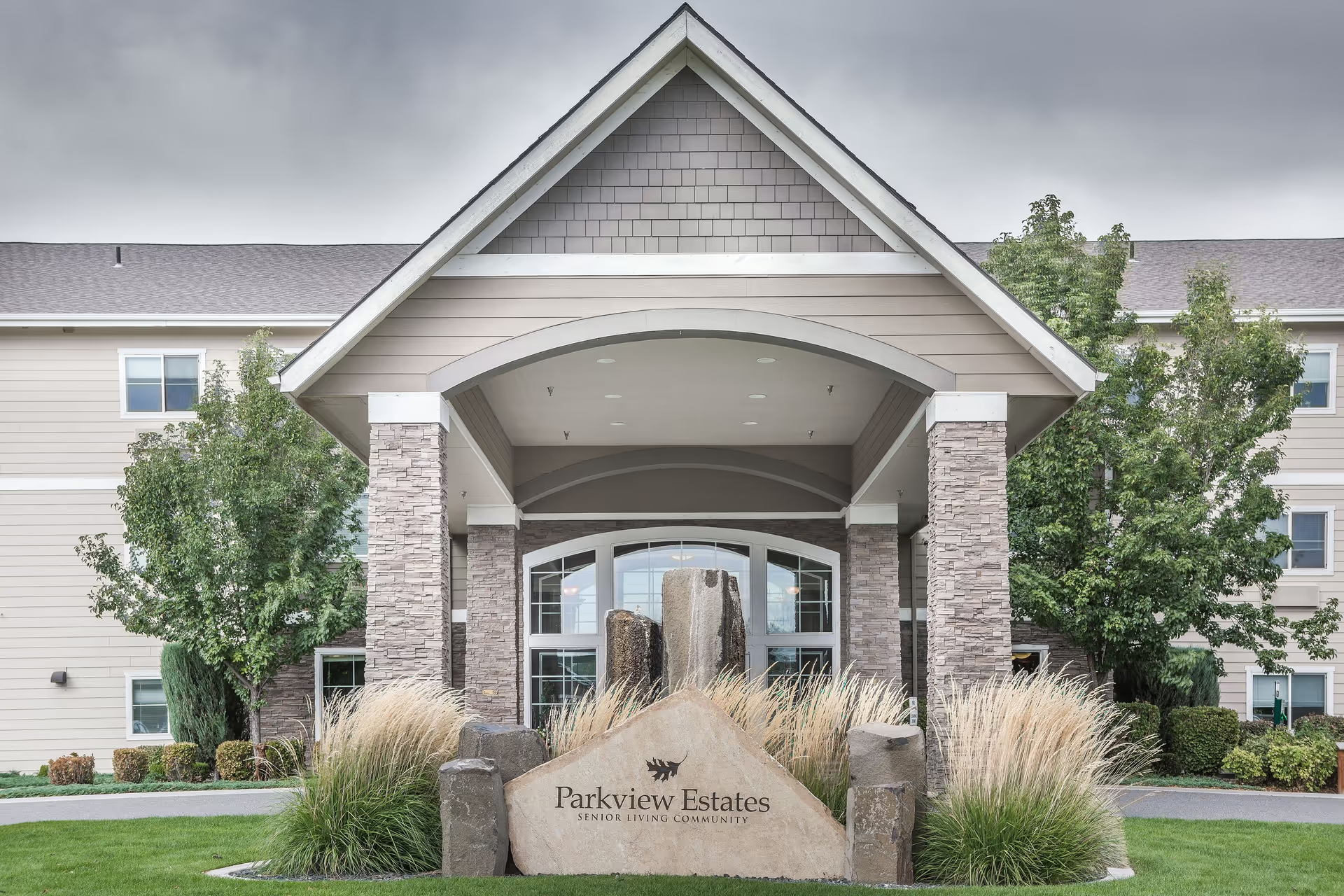
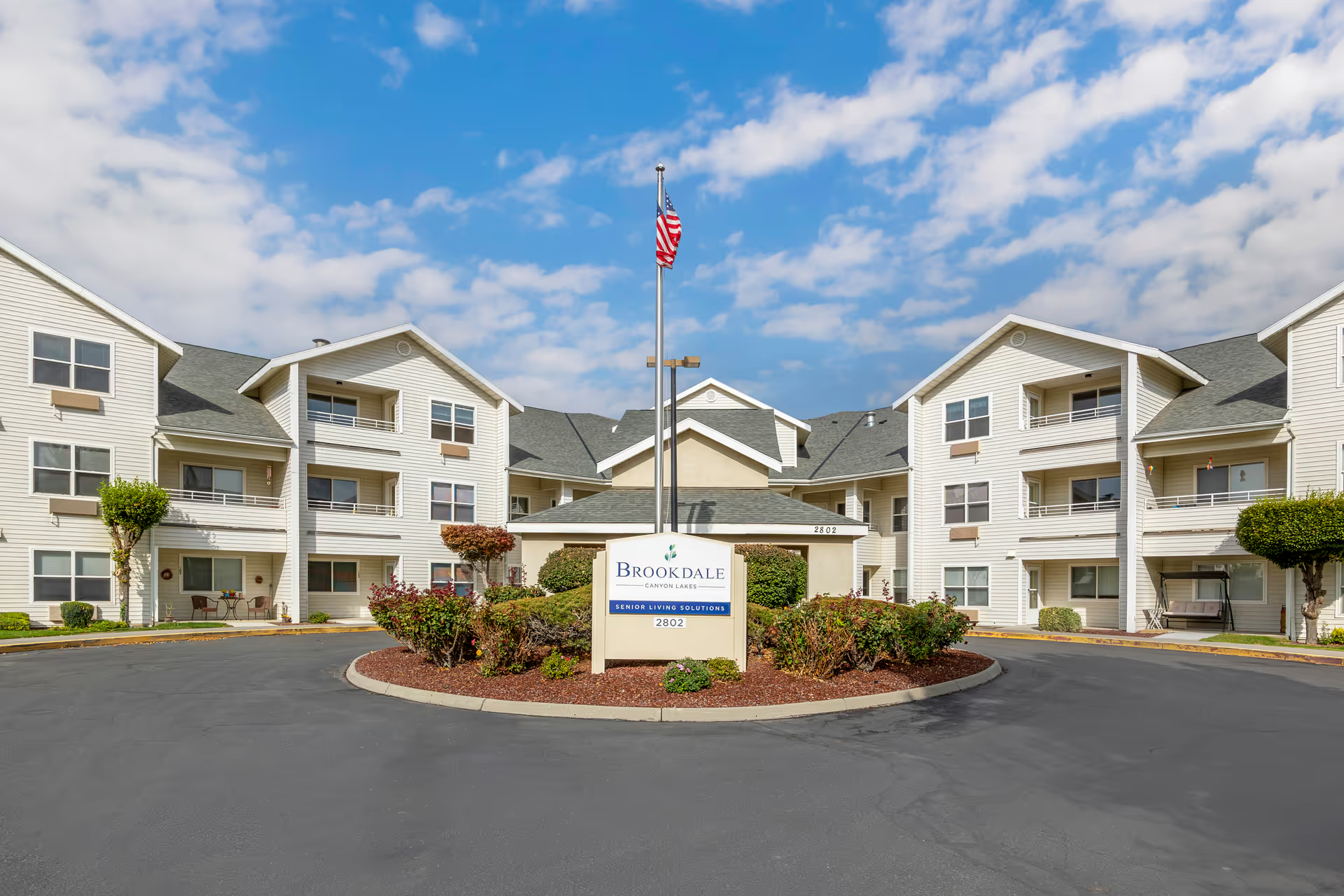
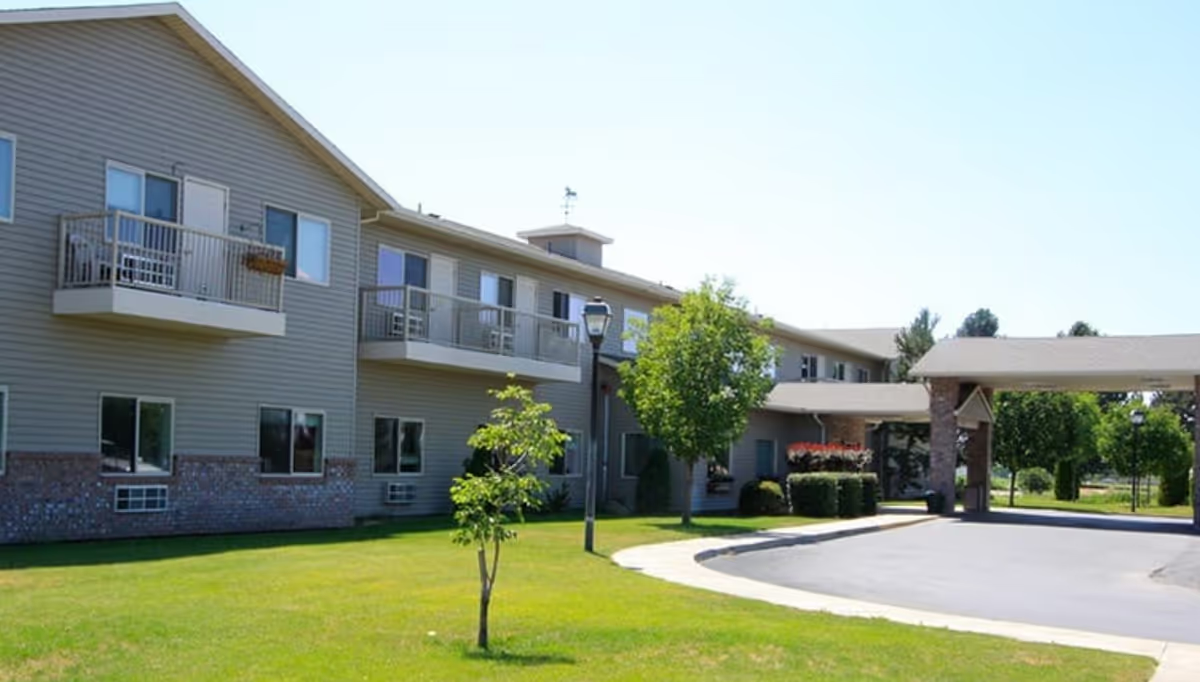
Overall impression: Reviews present a mixed picture. Several families praised the community as a pleasant, quiet, family-oriented option with active programming and attentive management; others raised operational and safety concerns that warrant close inquiry before placement.
Care quality and staff: Accounts of direct caregiving are inconsistent. Positive comments emphasize kind management and a supportive atmosphere for residents and families. Conversely, there are documented concerns about staff conduct and responsiveness, including reports of harassment and poor treatment. These contrasting impressions suggest variability in staff performance and in how staff interact with residents and families. Prospective families should ask about staffing ratios, staff training and supervision, and the facility’s procedures for handling complaints and staff-conduct issues.
Dining: The reviews do not provide consistent detail about meal quality or dining services. Cleanliness of common areas is noted positively, but there is insufficient information to assess food service reliability or dietary accommodations. Visitors should request sample menus, meal-service schedules, and references specific to dining experience.
Activities: Programming is a clear strength for many reviewers. The community is described as offering engaging activities and being receptive to musical visits and other external performers. This indicates an active social calendar and openness to community partnerships that can benefit residents’ social engagement.
Facilities and maintenance: Several operational issues were raised. Clean common areas are a positive, but facilities reliability is a concern — notably prolonged elevator outages and locked doors that affect access. These maintenance and access-control issues can have implications for safety and convenience. In at least one instance, restricted elevator service was linked to increased stair use and associated fall risk; reviewers also mentioned accessibility concerns that prompted contact with external regulatory entities. Prospective residents should evaluate the building’s maintenance protocols, elevator uptime history, and accessibility-compliance documentation.
Management and operations: Management receives both praise and criticism. Some reviewers describe management as kind and welcoming; others perceive an organizational emphasis on cost control or bottom-line priorities that may conflict with resident-centered care. There are references to regulatory or legal attention regarding accessibility and to strong family dissatisfaction in particular cases. These patterns suggest the need to review the facility’s complaint-resolution process, quality-improvement initiatives, and any recent regulatory findings or corrective actions.
Notable patterns and recommendations: The dominant positive themes are cleanliness, an active activity program (including musical visits), and a generally quiet, family-friendly environment. Dominant concerns center on staff conduct variability, maintenance and equipment reliability, fall-prevention practices, access policies, and potential regulatory or accessibility issues. Before deciding, families should tour the facility at different times of day, request staffing and incident logs, ask about elevator maintenance schedules and ADA-compliance records, review the visitor-access policy, and seek references from current residents or families. These steps will help clarify whether the facility’s strengths align with a prospective resident’s priorities and whether identified operational weaknesses have been addressed.