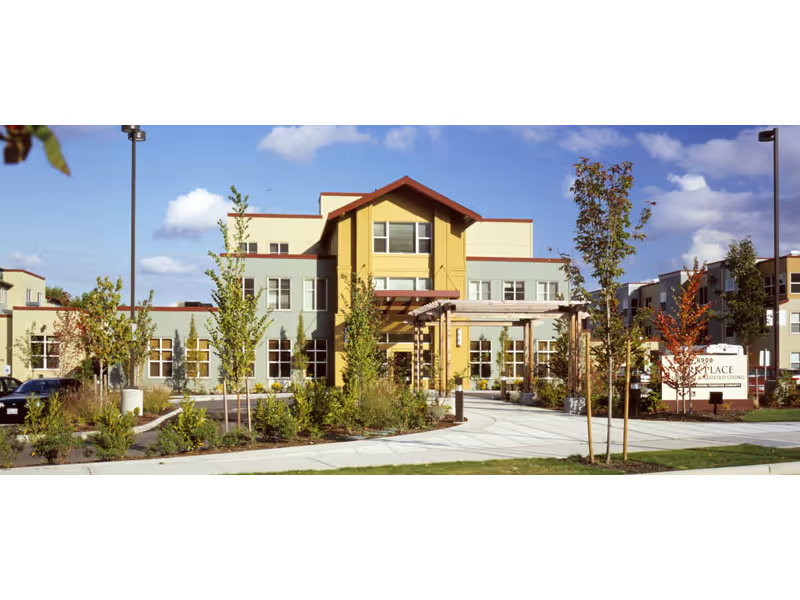
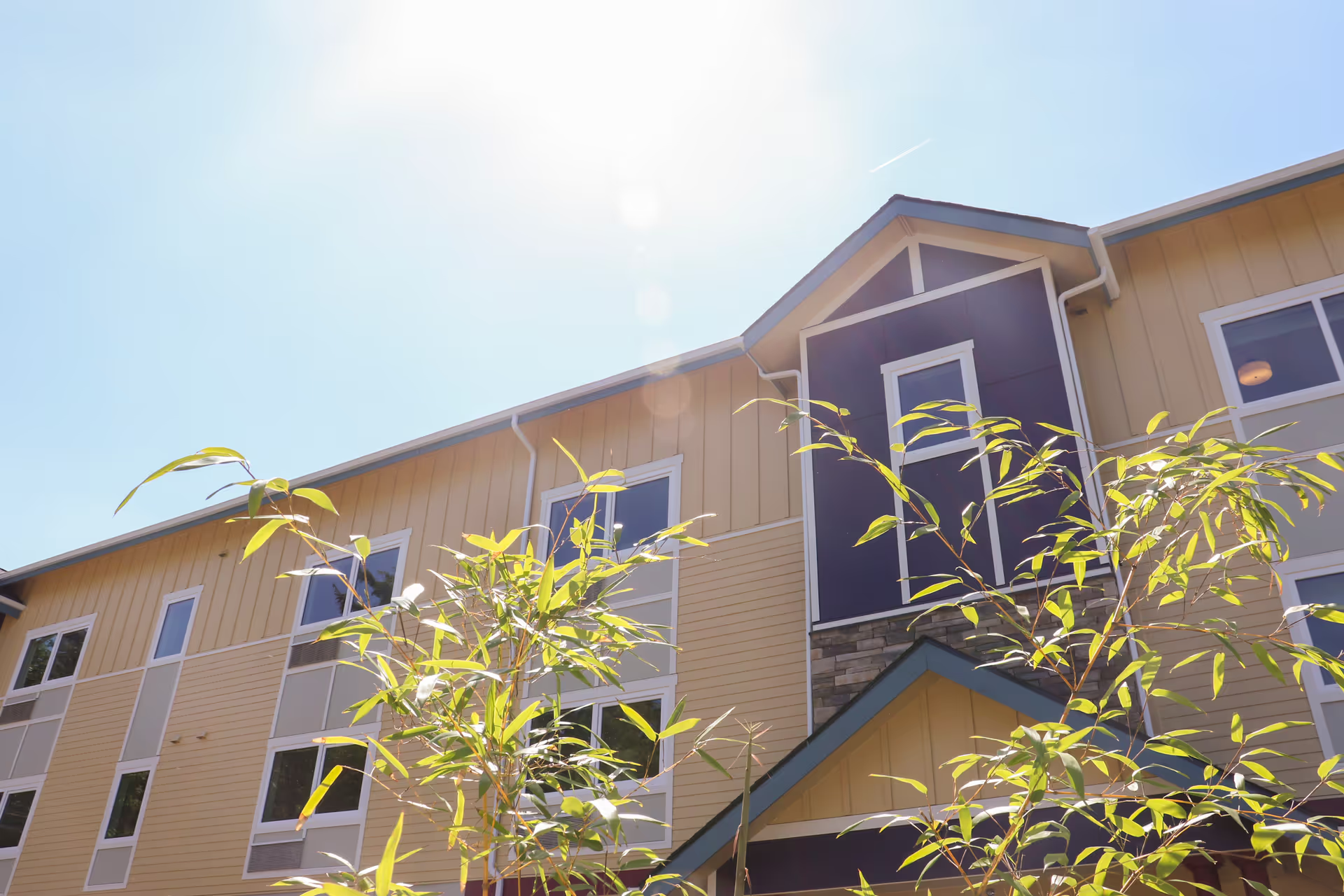
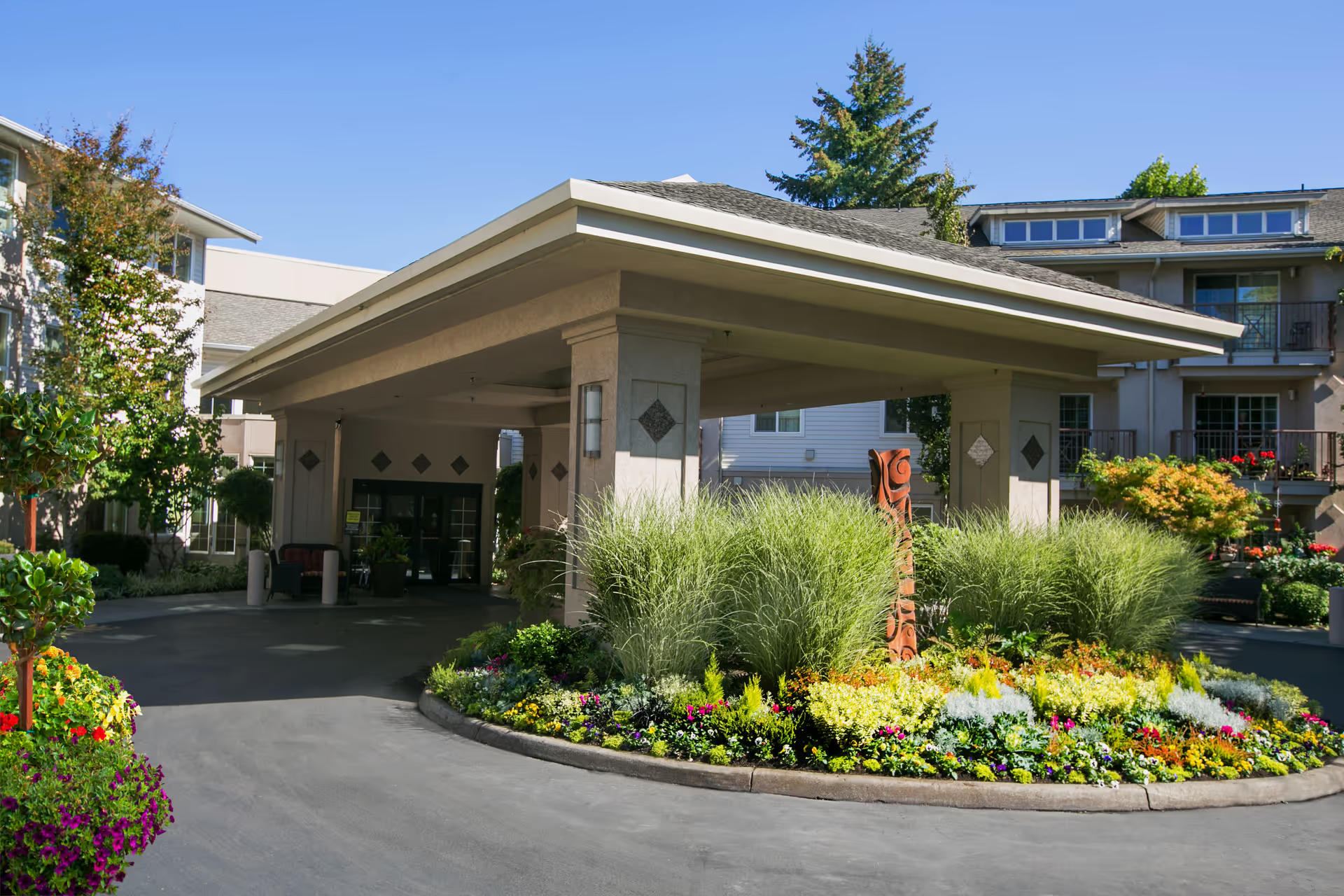
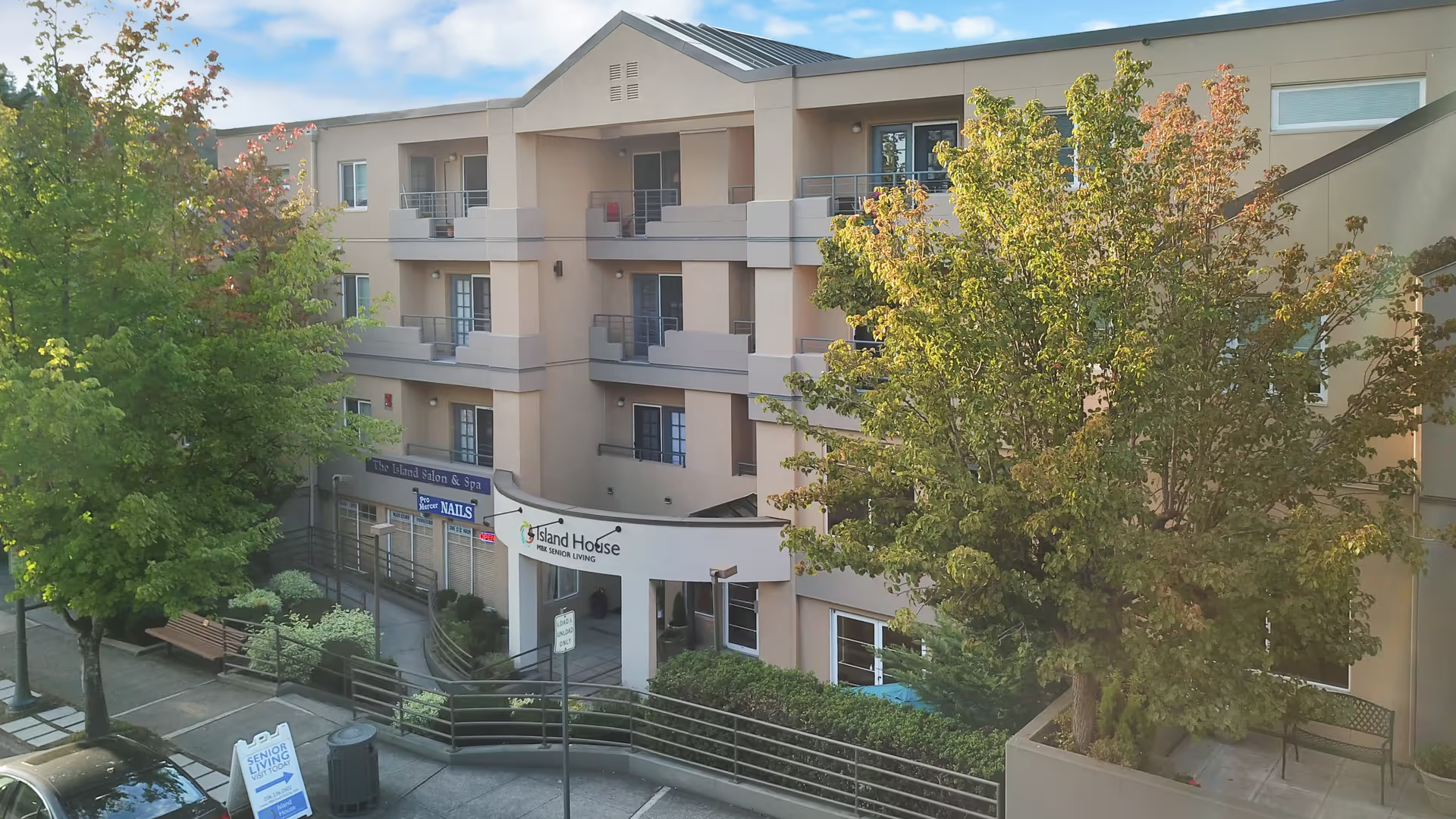
Kline Galland Home presents a mixed but generally favorable profile for short-term rehabilitation, hospice, and long-term care. Strengths that recur across reviews include attentive nursing, strong physical and occupational therapy programs, and integrated hospice services. Many families describe a warm, family-like atmosphere and effective rehabilitation that prepares residents for discharge home. The facility is frequently praised for its cleanliness, housekeeping, and visible infection-control measures, and its park-like grounds, courtyard and lake views are seen as a meaningful asset for resident quality of life.
Clinical care quality shows a bifurcated pattern: numerous accounts highlight professional, knowledgeable nurses and therapists who deliver timely, effective rehab and supportive care, while other accounts identify operational weaknesses. The latter center on inconsistent documentation, delays or inconsistencies in medication management and executing physician orders, and gaps in clinical monitoring. These operational issues have been associated in individual accounts with delayed responses to clinical changes and escalation to higher levels of care. The facility does have an on-site hospice program and staff who are experienced in end-of-life support, which many families found comforting.
Staff culture is generally described as caring and welcoming by many visitors and families; several reviews single out specific staff members, therapy teams, and reception personnel for positive interactions. At the same time there are recurring comments about variability in professional conduct and the need for additional training in communication and compassionate care. Communication to families is a common area of concern: examples include difficulty reaching staff by phone, unreturned calls, and failures to notify families promptly about significant events. Administrative and business-process issues — including billing disputes and charges for services perceived as unused — also appear as recurring sources of dissatisfaction.
Dining and activities receive largely positive marks: meals are frequently described as wholesome, with kosher options and regular menus, and social activities and resident camaraderie are noted. A minority of comments raise concerns about meal temperature or occasional variability in food quality. Facility features and operations are strong in many respects — efficient admissions and check-in, secure access, clean rooms (including single rooms), and visible safety and hygiene practices such as hand-sanitizing stations.
Notable patterns for prospective residents and families: Kline Galland is frequently recommended for rehabilitation and hospice needs because of its therapy teams, cleanliness, and supportive environment. However, prospective residents should pay attention to communication protocols, confirm expectations around medication management and incident notification, and review billing and transportation arrangements in advance. Families placing someone with high monitoring needs may want to discuss specific clinical-monitoring practices and fall-response procedures with management before admission. Overall, the facility demonstrates strong strengths in clinical rehabilitation, hospice support, and campus environment, balanced by operational areas where consistent processes and communication could be improved.