Life Care Center of Skagit Valley receives frequent praise for its direct-care teams and rehabilitation services while also showing recurring operational challenges that prospective residents and families should evaluate.
Care and staff: Many reviewers emphasized compassionate, hands‑on nursing and caregiving staff, and several families credited the facility’s physical‑therapy and rehabilitation teams with measurable recovery. Staff described as professional, kind, and attentive appear to be a clear strength. At the same time, there are repeated accounts of understaffing and long waits for assistance (notably call‑button response delays), inconsistent execution of frontline procedures, and occasional lapses in monitoring. These operational weaknesses have been associated with safety concerns such as falls and delays in attending to resident needs, and a few serious medication‑related allegations were raised; families should discuss staffing ratios, fall‑prevention protocols, and medication‑security practices during visits.
Dining and activities: Dining is commonly described positively, with an attentive culinary team and generally well‑received meals. The facility offers a range of social activities — games, bingo, sing‑alongs, and gardening — that contribute to a home‑like atmosphere and social engagement for many residents. Entertainment and technology options are more limited: reviewers mention a restricted channel lineup and little or no Wi‑Fi, which may affect resident satisfaction for those who expect broader media access.
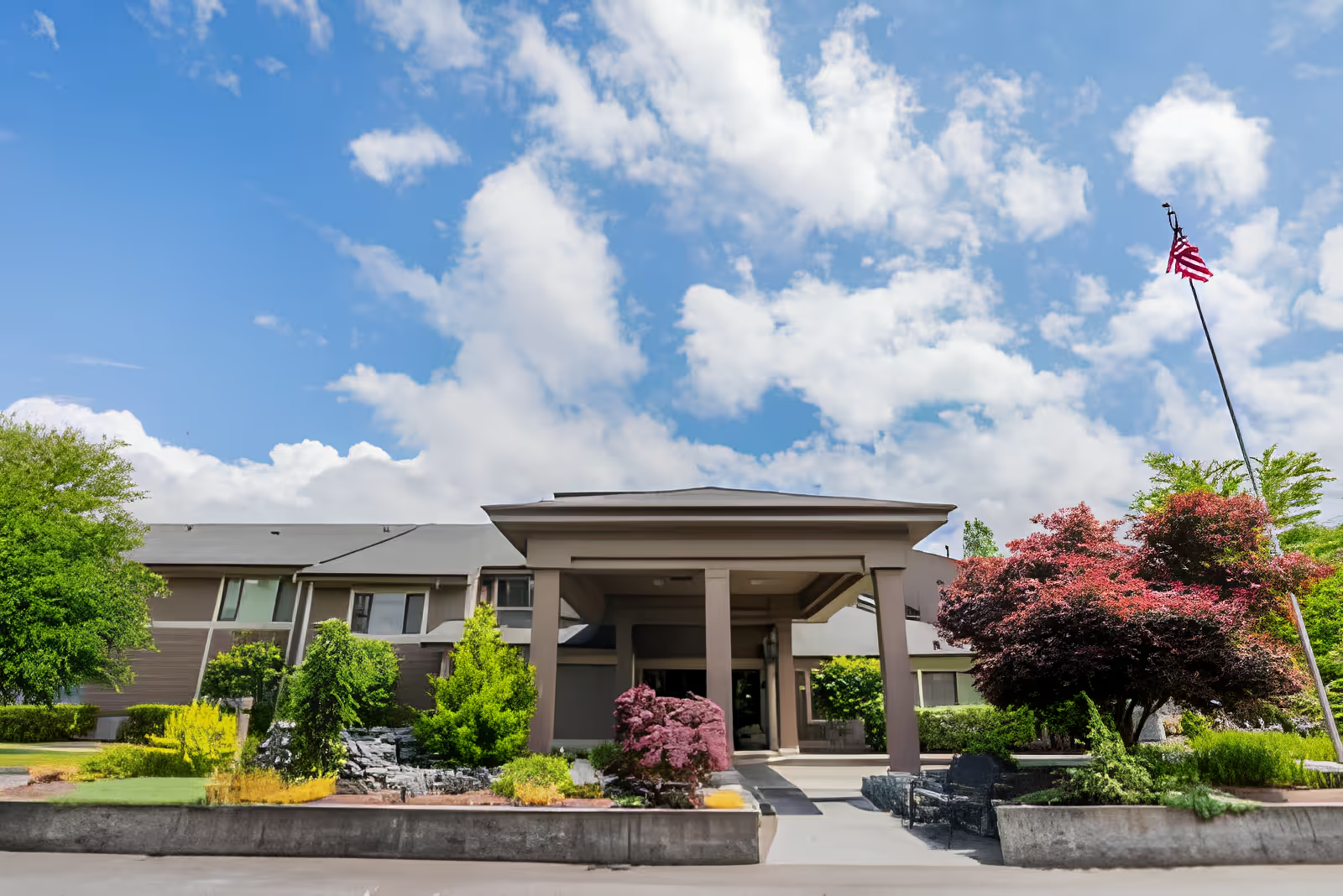
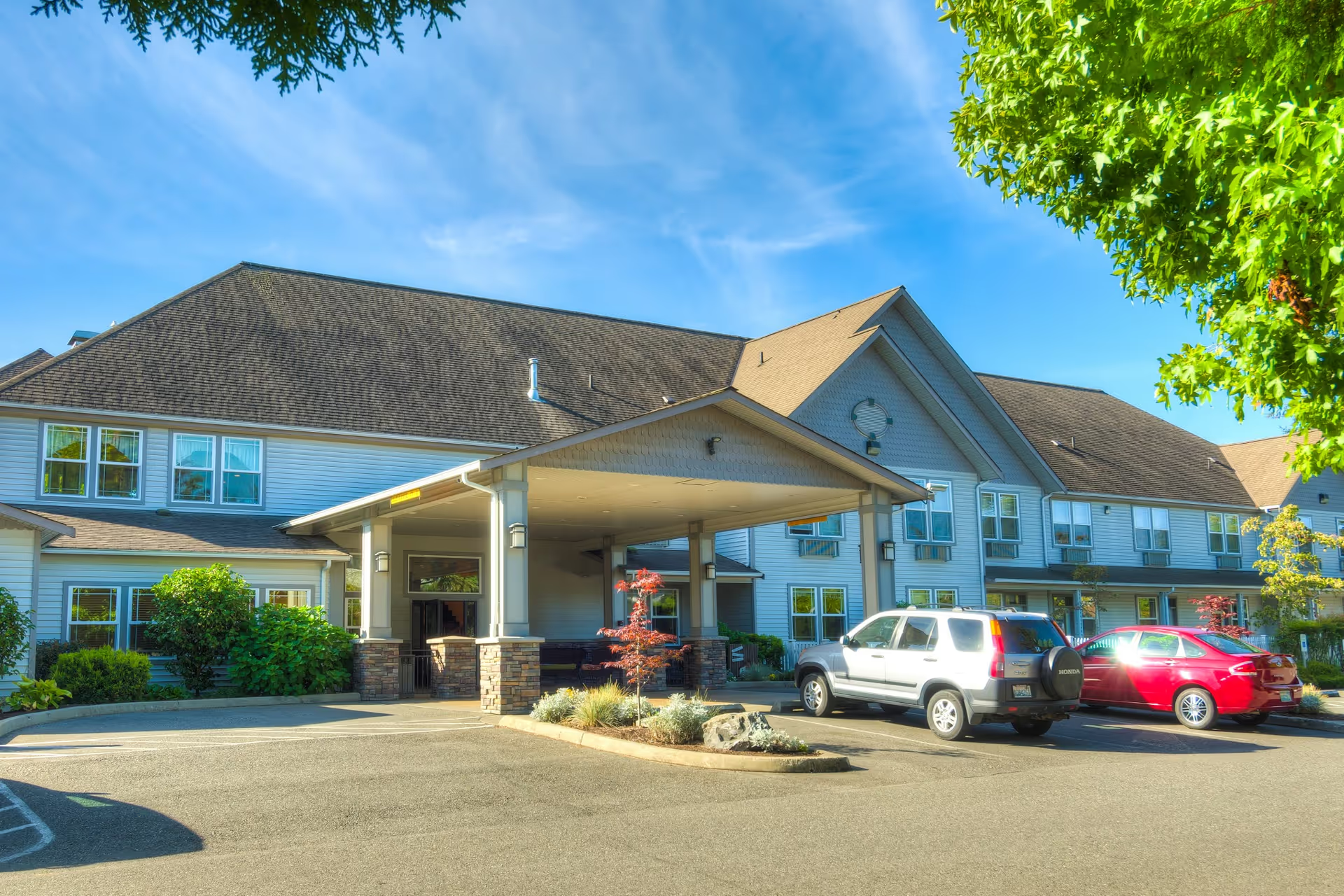
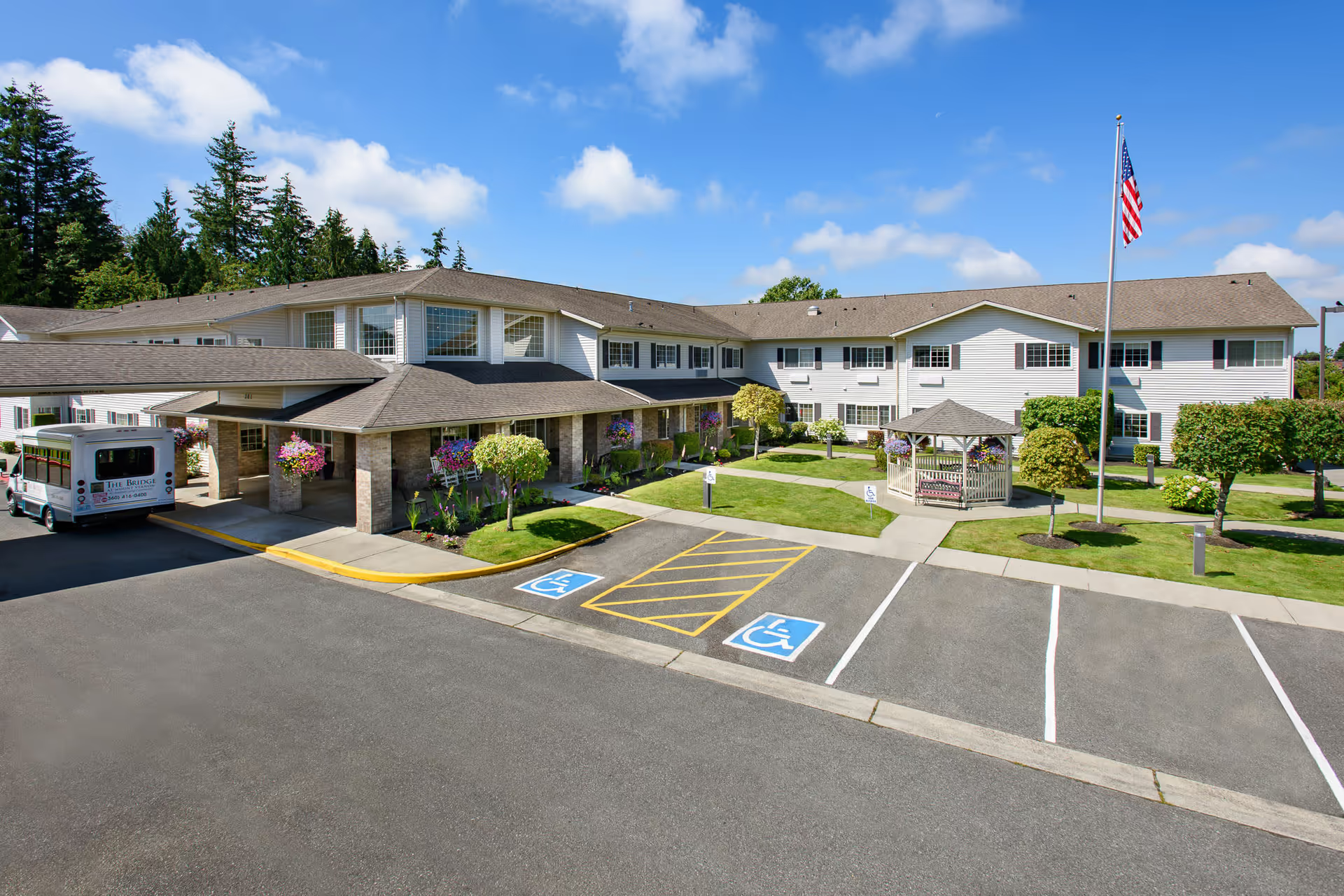
Facility and maintenance: Cleanliness and upkeep are frequently noted as strengths, and maintenance staff receive particular commendation for responsiveness. There is, however, a contrast between newer rooms and older wings; some areas are well‑updated while others show their age. Accessibility and restroom configuration were identified as problematic in certain public spaces (low fixtures, limited grab bars), and noise transmission between rooms can be a concern for noise‑sensitive residents.
Management and communication: Several families reported positive interactions with administration and timely resolution of issues, but others described inconsistent communication, record‑keeping problems, and distrust of administrative explanations in regulatory or billing matters. Reviewers also cited payer and corporate policy constraints (Medicare/Medicaid and corporate rules) that can limit flexibility in care decisions. There are isolated but significant concerns raised following a resident death that highlight the importance of clear family communication and escalation pathways.
Bottom line: The facility demonstrates clear strengths in compassionate caregiving, rehabilitation services, housekeeping, and meal service, making it a viable option for short‑term rehab and many long‑term residents. However, recurring patterns around staffing levels, response times, medication controls, accessibility, and administrative consistency warrant careful inquiry. Prospective residents and families should conduct an on‑site visit, ask specific questions about staffing and response metrics, review fall‑prevention and medication‑security protocols, inspect both newer and older wings, and confirm available entertainment/accessibility amenities before deciding.