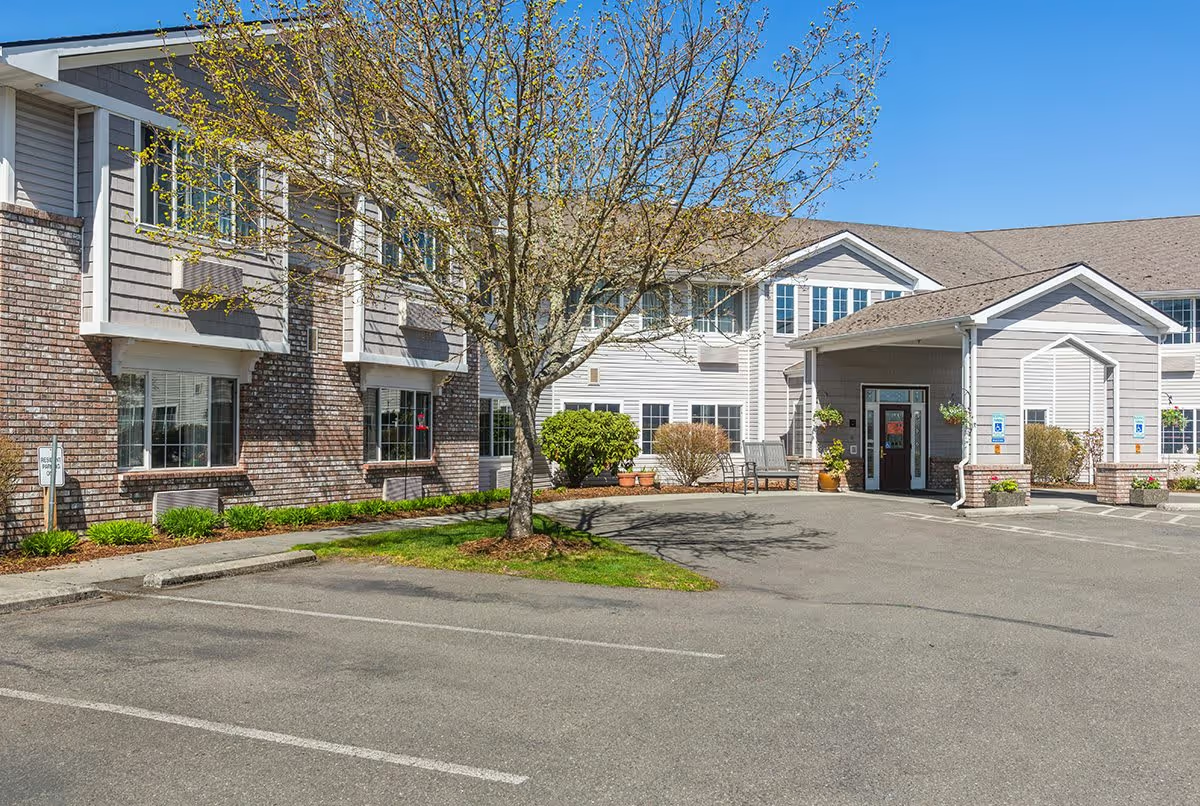
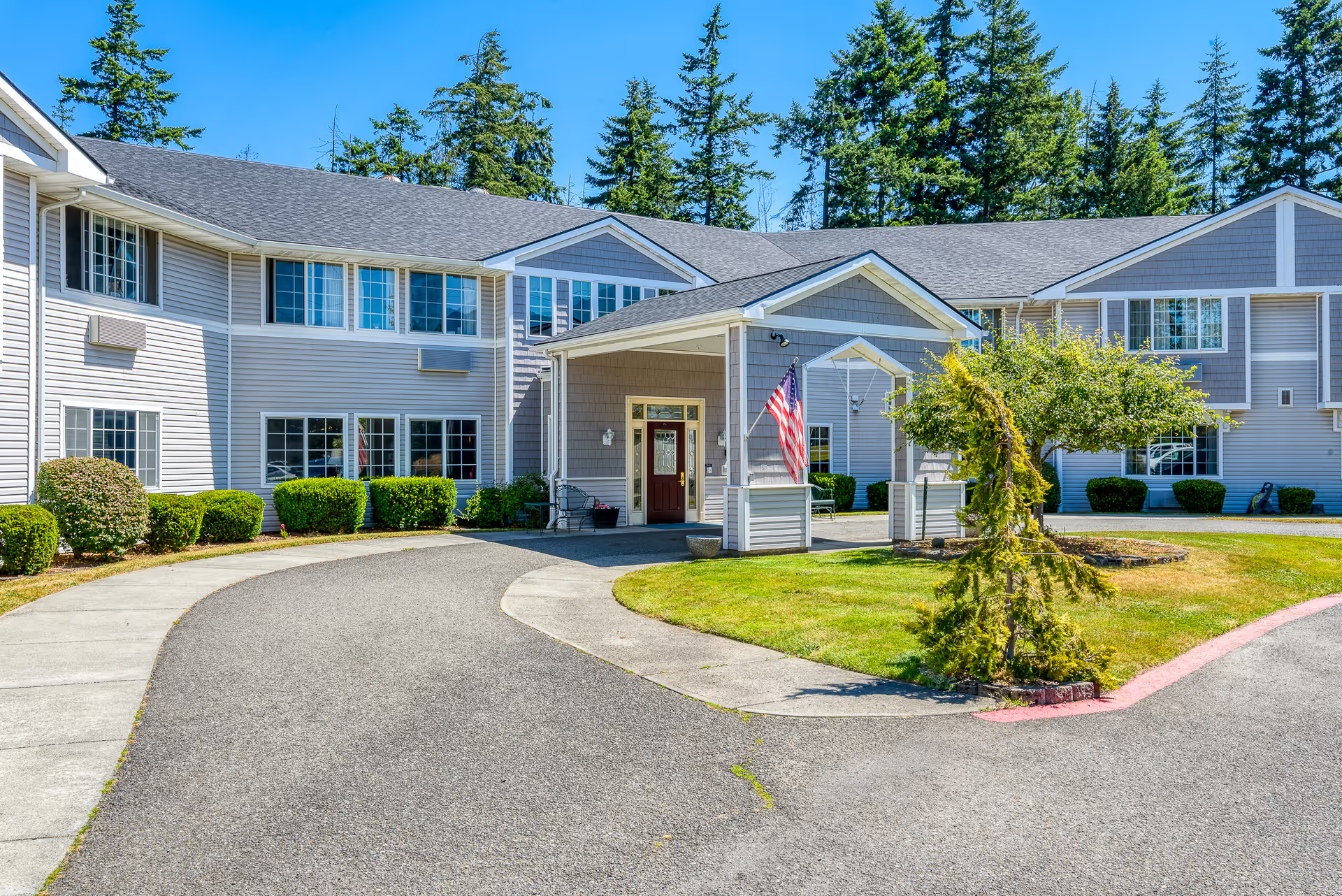
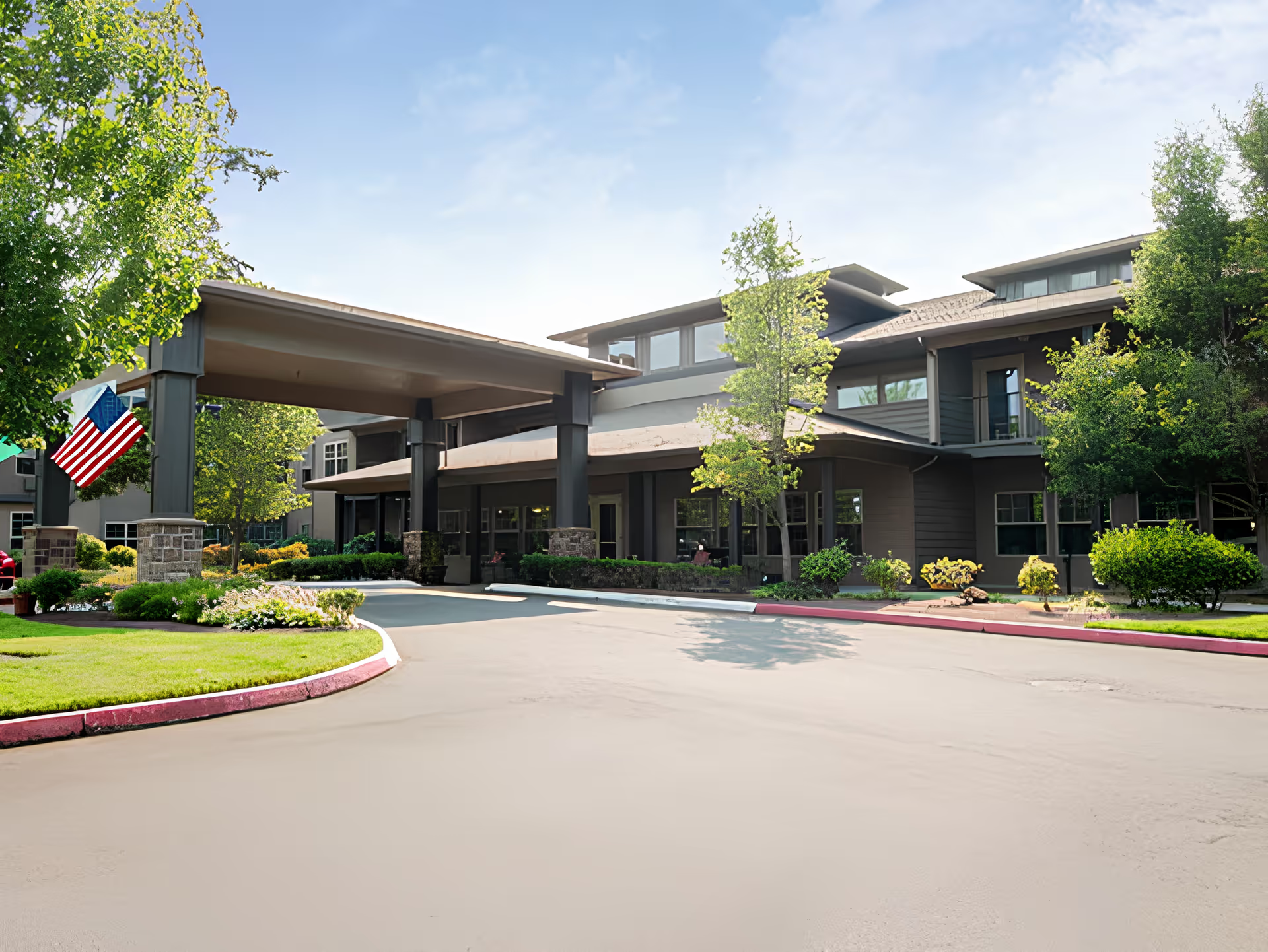
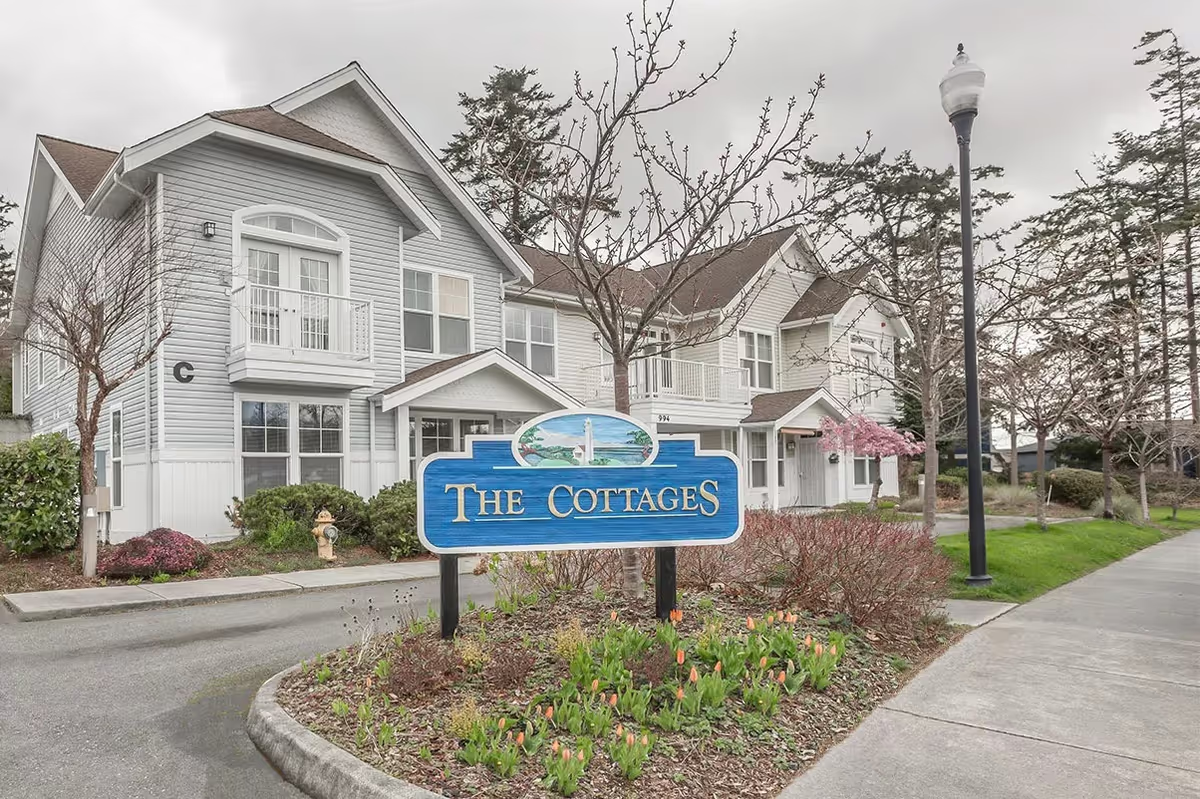
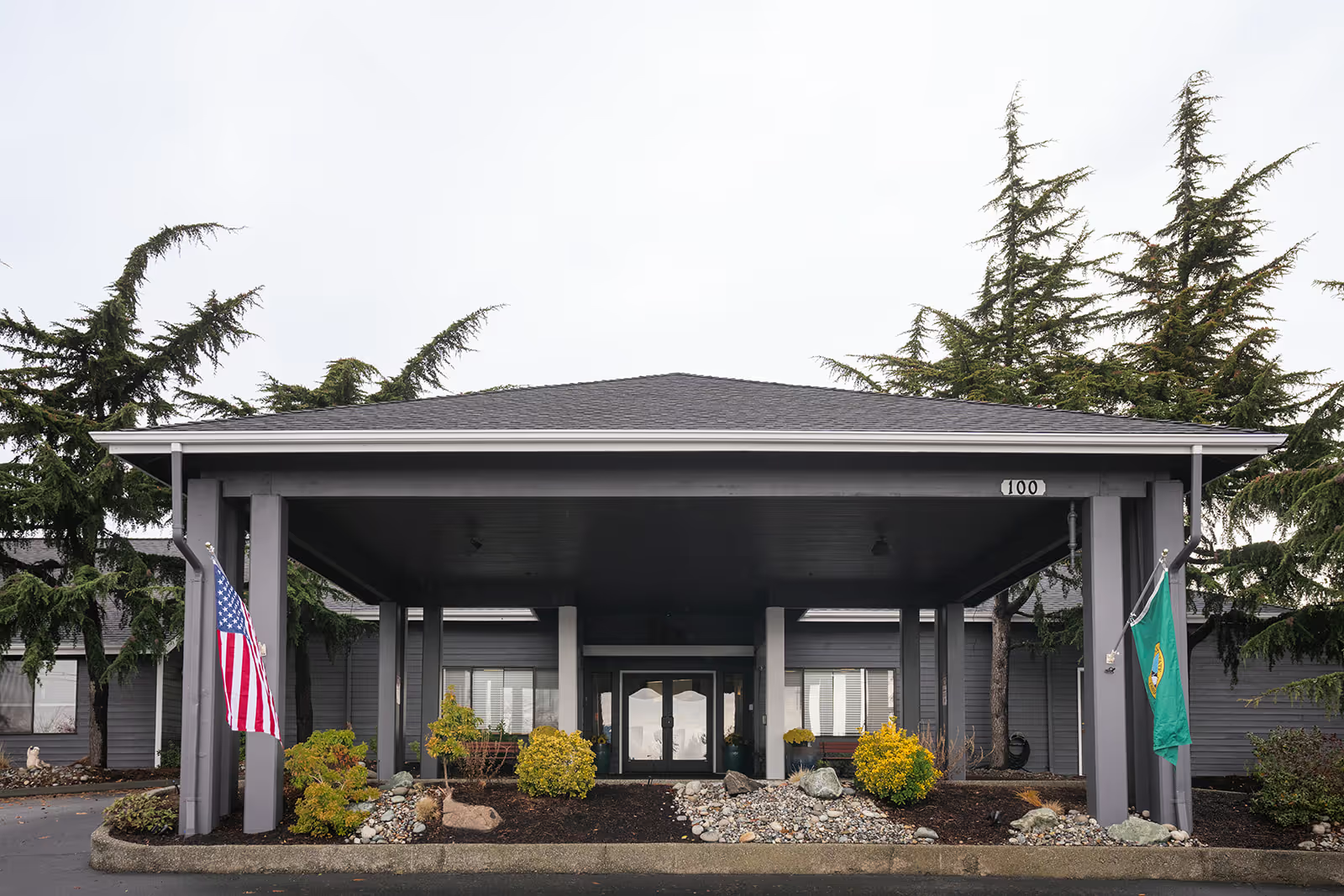
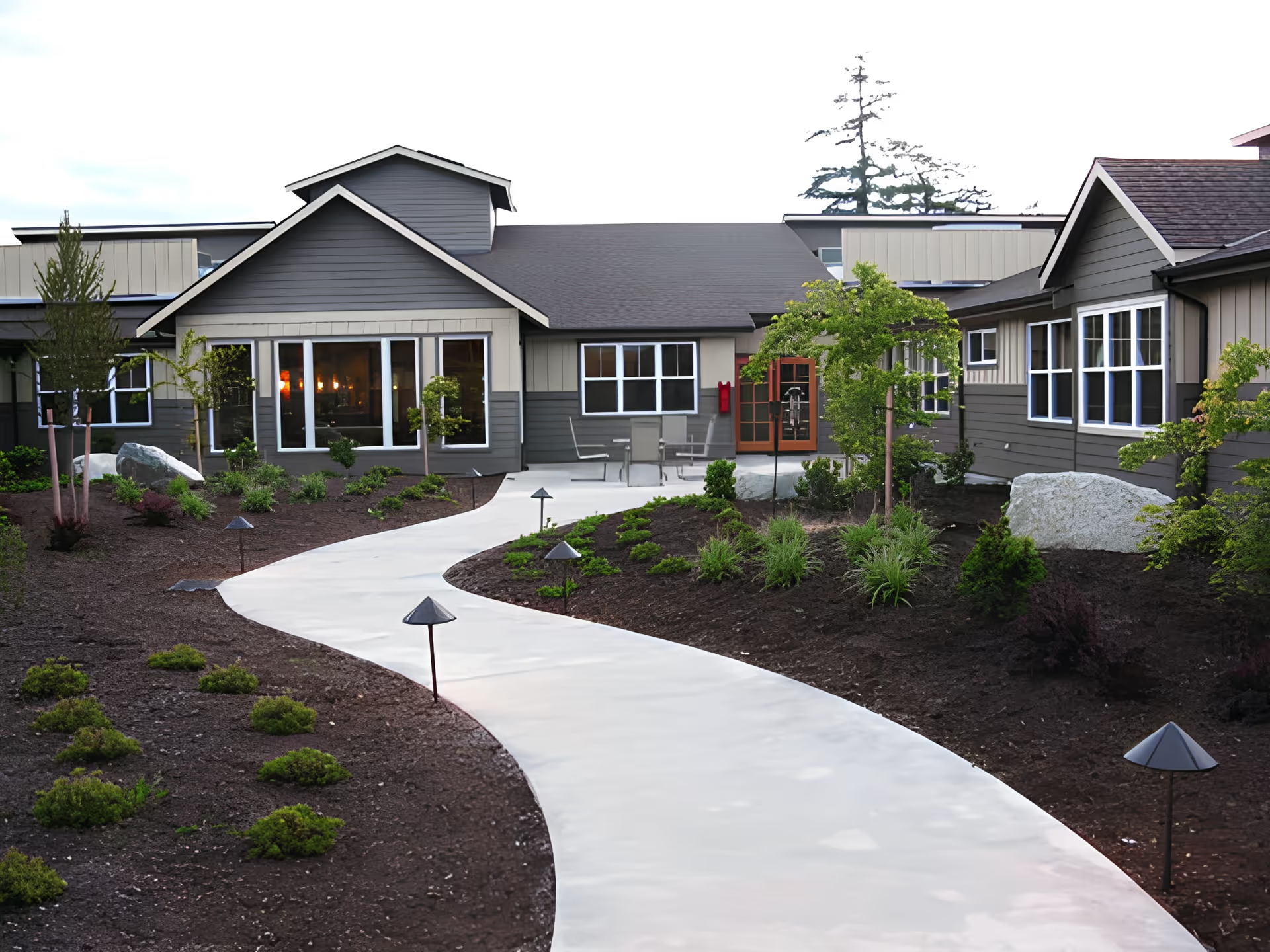
The reviews present a mixed but instructive picture of care at this memory‑care community. Positively, many families describe compassionate, attentive front‑line staff — CNAs and nurses who provide respectful caregiving and timely clinical attention. The facility’s private rooms with private baths, well‑maintained and attractively decorated public areas, and provision of transportation for medical appointments contribute to a comfortable, family‑friendly environment. Families and reviewers also praised an active and engaged activities program, a strong activity director, posted menus with alternatives, and coordination with hospice providers when end‑of‑life care was needed.
At the same time, a recurring operational pattern emerges around staffing and supervision. Several accounts indicate inconsistent staffing levels and limited one‑to‑one availability, which reviewers connected to supervision gaps and safety‑related incidents. These operational limitations are described as affecting residents’ dignity, timely assistance, and engagement opportunities. Related concerns include inconsistent management of dietary needs for residents with special requirements and instances where medication management and monitoring were perceived as problematic; some families described medication effects that appeared to reduce mobility or engagement, prompting questions about clinical oversight.
Communication and leadership surfaced as another notable pattern. Multiple reviewers described delays or gaps in family notification about health changes, slow response to formal complaints, and an impression of limited follow‑through on comment cards and surveys. Some families characterized interactions with management as brusque or unhelpful. Conversely, other reviewers reported that escalation to advocacy channels (for example, the state ombudsman or advocacy groups) led to corrective action and improved care in specific cases, suggesting that outcomes may improve with active family engagement and oversight.
Operationally, the memory‑care floor layout and wayfinding were described as confusing by some visitors, which has implications for safe supervision and family navigation. Cost was another theme: several families questioned whether the level of service and responsiveness matched the facility’s pricing. Activity participation varied among residents — while programming is robust and well‑staffed in many respects, some residents did not engage and some families wanted more individualized activity attention.
In summary, the community appears to have strong front‑line caregiving, an appealing physical environment, and a substantive activity program, but it also shows facility‑level weaknesses in staffing consistency, supervision, clinical oversight, dietary management, and management responsiveness. Prospective residents and families would benefit from targeted questions during a tour: current staffing ratios and how they vary by shift, protocols for medication review and monitoring, processes for dietary accommodations, examples of how family communication and incident reporting are handled, how the memory‑care layout supports supervision, and documented outcomes of any complaints or advocacy interventions. Observing mealtimes, an activity session, and the memory‑care floor navigation during a visit can help assess whether the facility’s strengths align with a family’s priorities.