The review summaries portray Robins Nest as a small, physician-owned community with a strong emphasis on personalized, family-style care. Most comments highlight consistent warmth and responsiveness from staff, a low staff-to-resident ratio (including reports of one-to-one attention), and engaged ownership. Clinical oversight and proactive medical attention are repeatedly called out as distinguishing features, and reviewers commonly describe residents as well dressed and comfortable, which suggests routine attention to personal care and sanitation.
Staff quality and day-to-day caregiving are predominant strengths in the summaries. Caregivers are characterized as compassionate, accommodating, and inclusive of families; many reviewers praised the owners and clinical team for being hands-on and treating residents like family. These descriptions point to a leadership model that blends clinical oversight with direct involvement in resident life. At the same time, the presence of at least one serious safety-related narrative indicates that supervision and monitoring may not be uniformly reliable in every situation, so families should verify current staffing and supervision protocols during their evaluation.
Dining and social programming receive positive attention. Meals are described as prepared from scratch and tailored to resident preferences, with flexibility and accommodation noted during transitions and move-in. The community appears to prioritize a home-like, celebratory environment—holidays and birthdays are observed and there is a reported sense of community and inclusion. These aspects support quality-of-life priorities for residents who value social engagement and customary household routines rather than an institutional atmosphere.
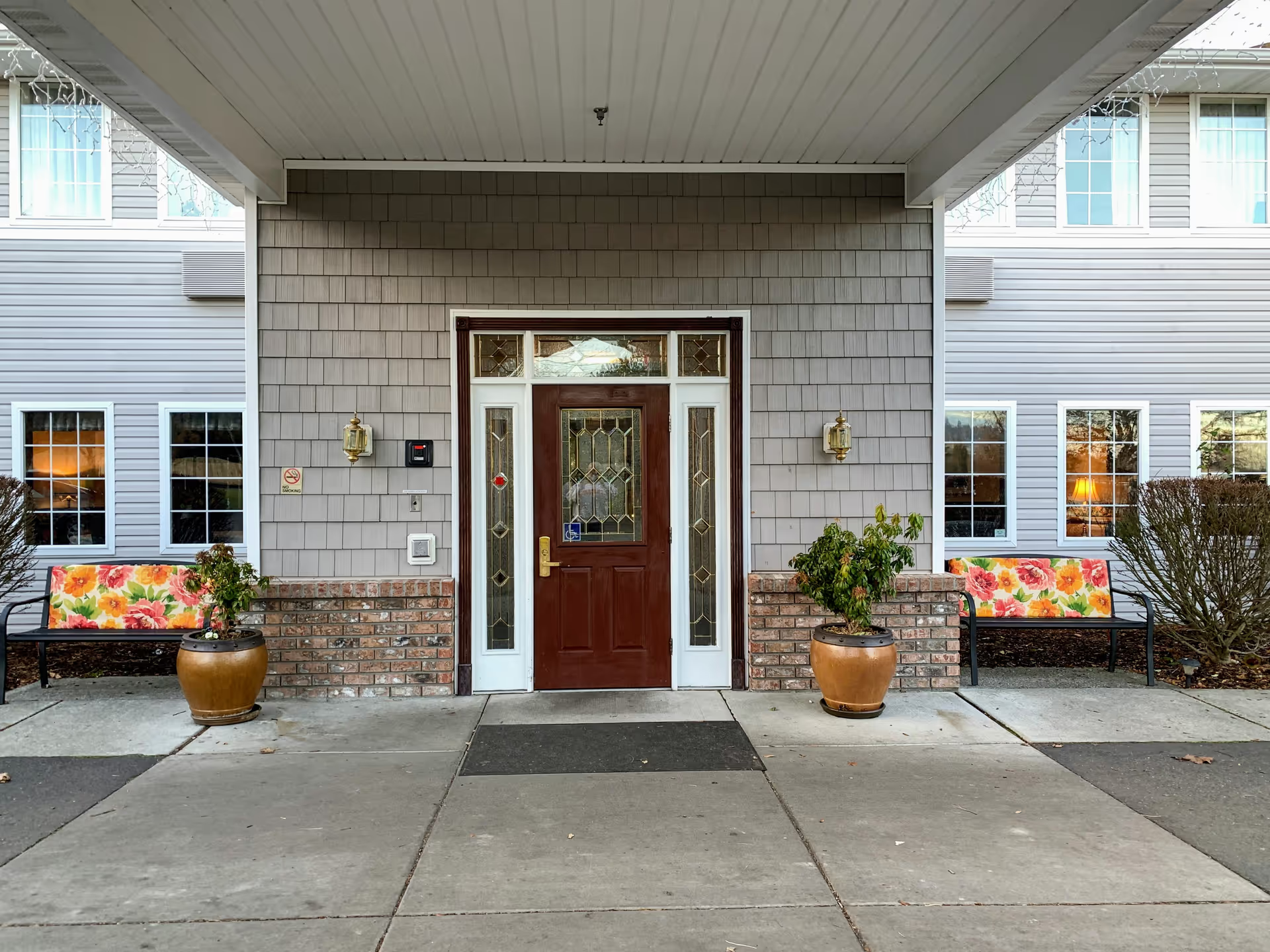
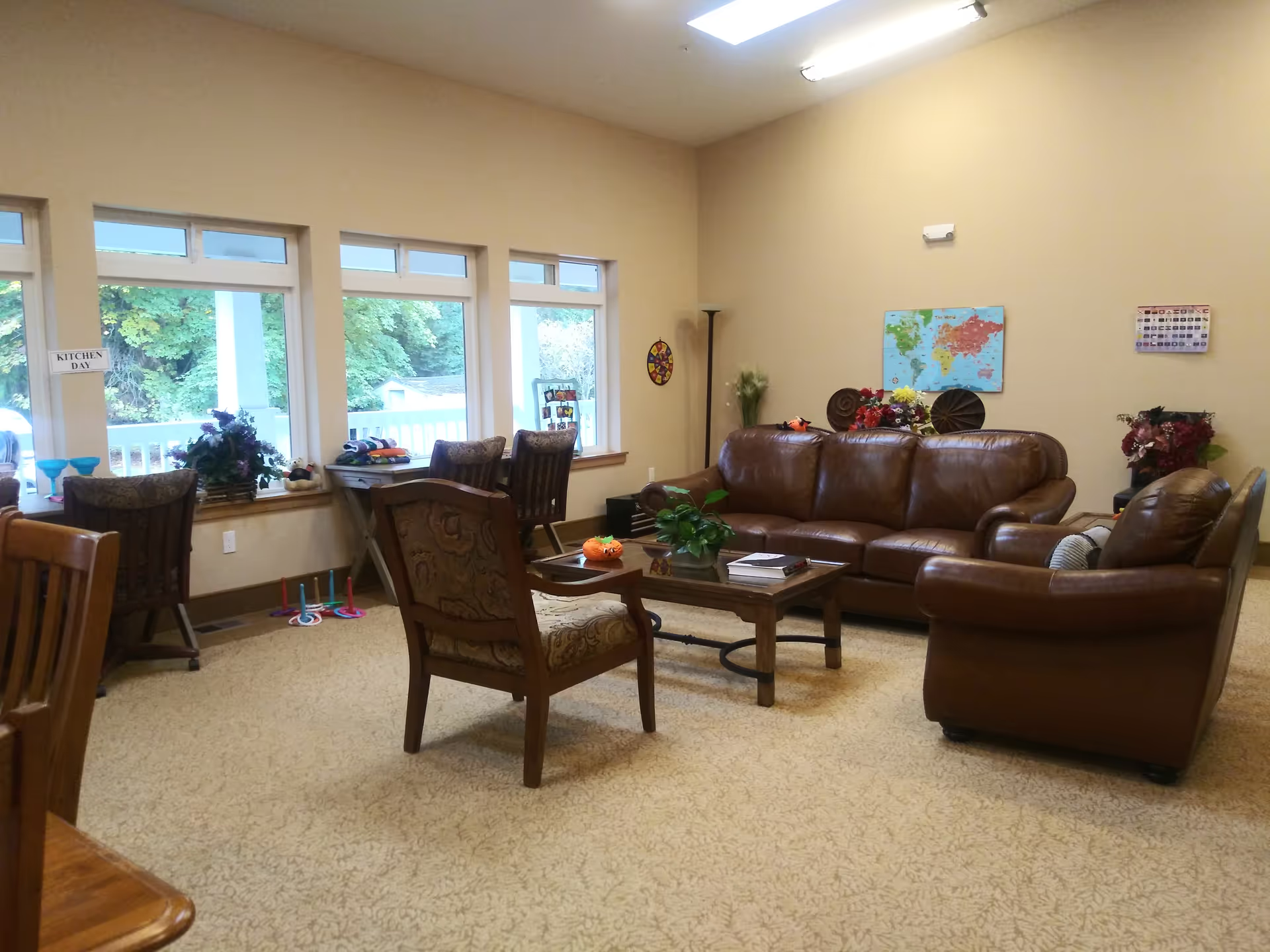
Facilities and management impressions are generally favorable: reviewers emphasize a warm, clean environment and accessible leadership. The physician-owned model is repeatedly mentioned as adding medical expertise and timely clinical decision-making. However, summaries also point to weaknesses in operational processes: specifically, gaps in supervision and monitoring, shortcomings in clinical-incident response and family notification, and care-transition or discharge process issues. Those concerns indicate potential variability in how safety and communication procedures are executed.
Overall, the pattern in these summaries is one of a small, clinically oriented, family-like community that delivers highly personalized care and strong hospitality, with notable strengths in dining, staff attentiveness, and engaged ownership. Prospective residents and families should balance those strengths against reported operational gaps by asking targeted questions during a tour: current staffing ratios at different times of day, fall-prevention and post-incident protocols, how families are notified about clinical events, and how discharge/transition decisions are documented and communicated. Obtaining up-to-date references and reviewing written policies for supervision, incident reporting, and transitions will help clarify whether the facility’s practices align with the overwhelmingly positive accounts and address the isolated safety and communication concerns seen in the summaries.