Overall impression: Reviews for The Cottages of Sequim emphasize a generally positive experience with frontline caregivers, memory-care programming, and dining, while also signaling an operational concern around staffing capacity. Many comments highlight consistent interpersonal strengths—staff are described as friendly, respectful, and trustworthy—contributing to perceptions of safety and resident well-being.
Care quality and staff: Multiple comments identify attentive, caring, and professional interactions between staff and residents. Memory-care services are singled out as a strength, with reviewers characterizing the unit as safe and supportive for residents with Alzheimer’s or related conditions. Administration and caregiving teams are described positively, and some families report strong satisfaction with the overall standard of care. At the same time, a recurring operational issue is staffing: reviews indicate that caregiver numbers can be insufficient for the resident census, which may affect timeliness of assistance and perceived coverage during busy periods.
Dining and activities: Dining receives favorable mention — food quality and cafeteria options are described as appealing, with dietary needs reportedly met. Specific commentary about broader activities programming is limited in the material provided, though the presence of structured memory-care services implies some degree of activity and engagement tailored to residents with cognitive impairment. Prospective families may wish to request a detailed activities schedule during a tour to assess fit with individual interests.
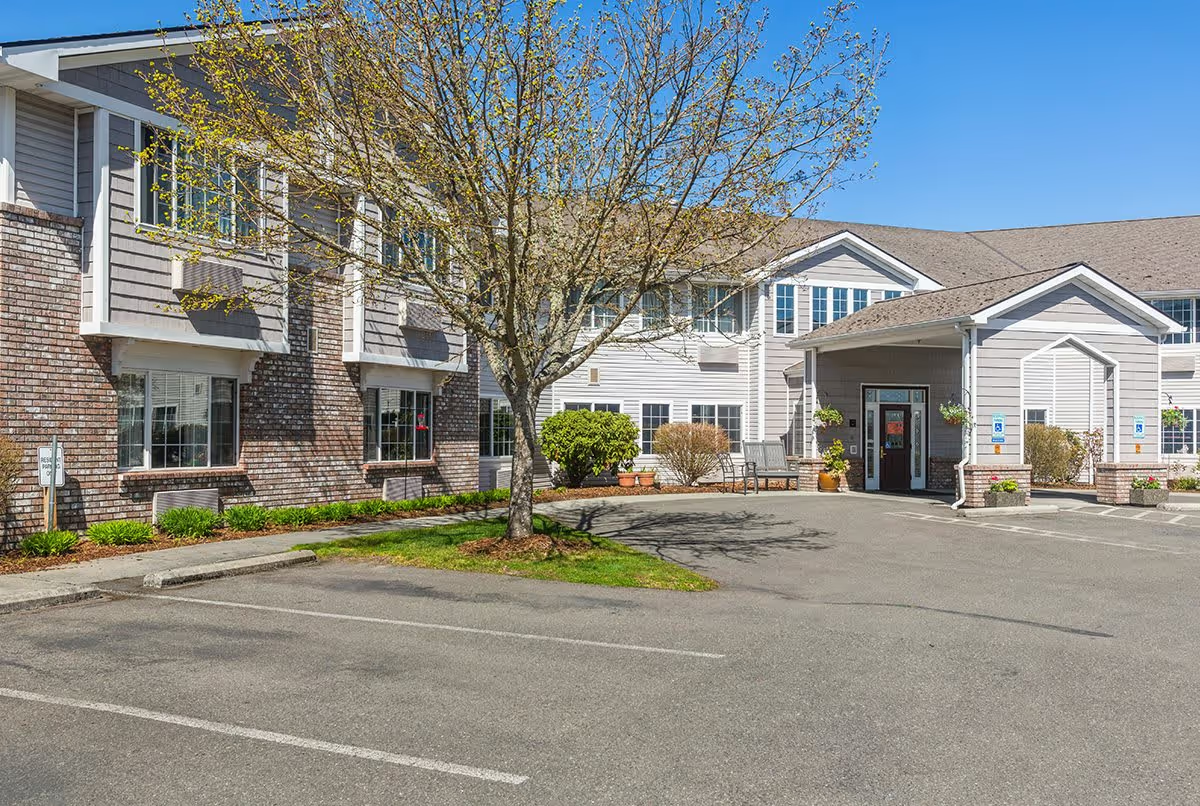
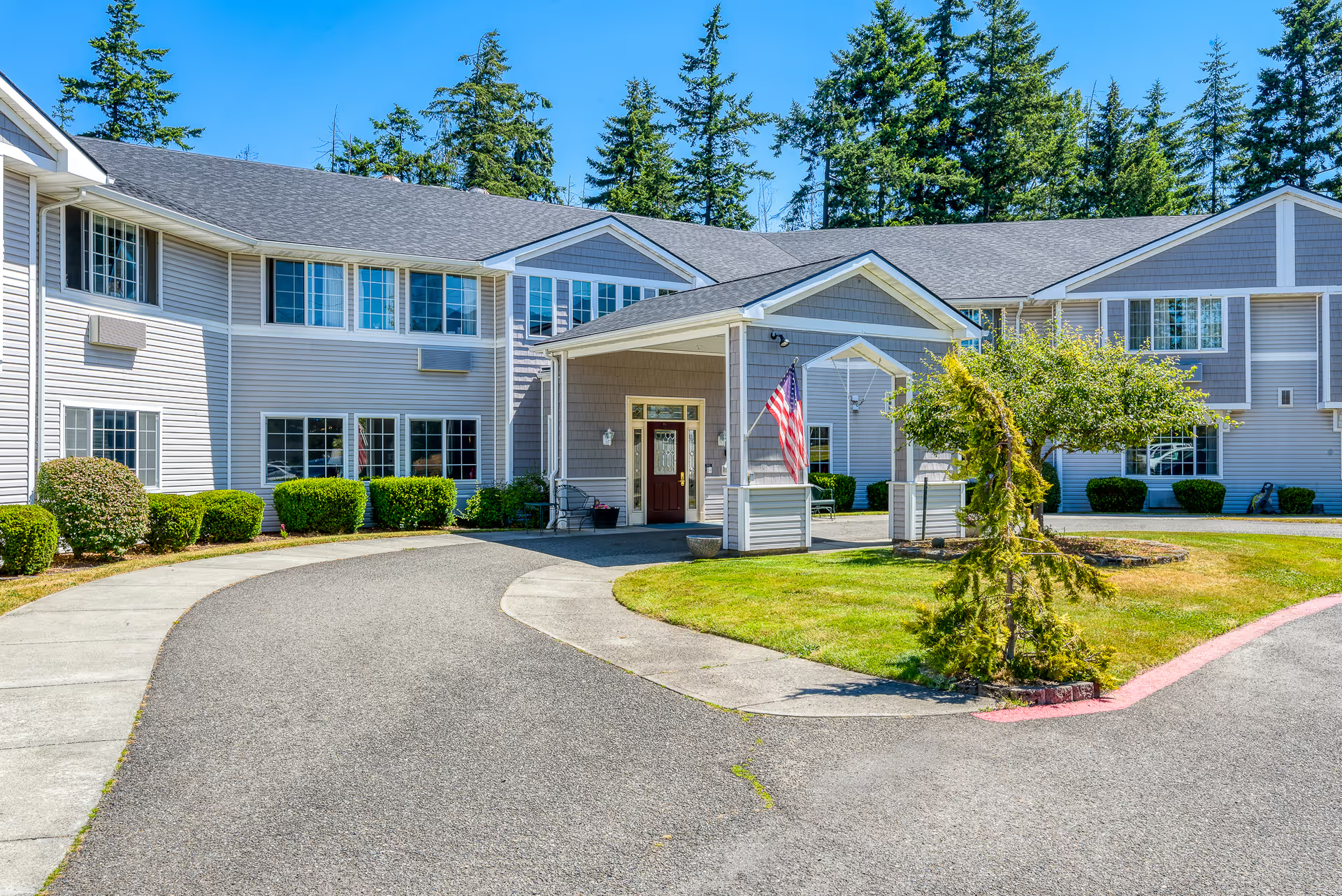
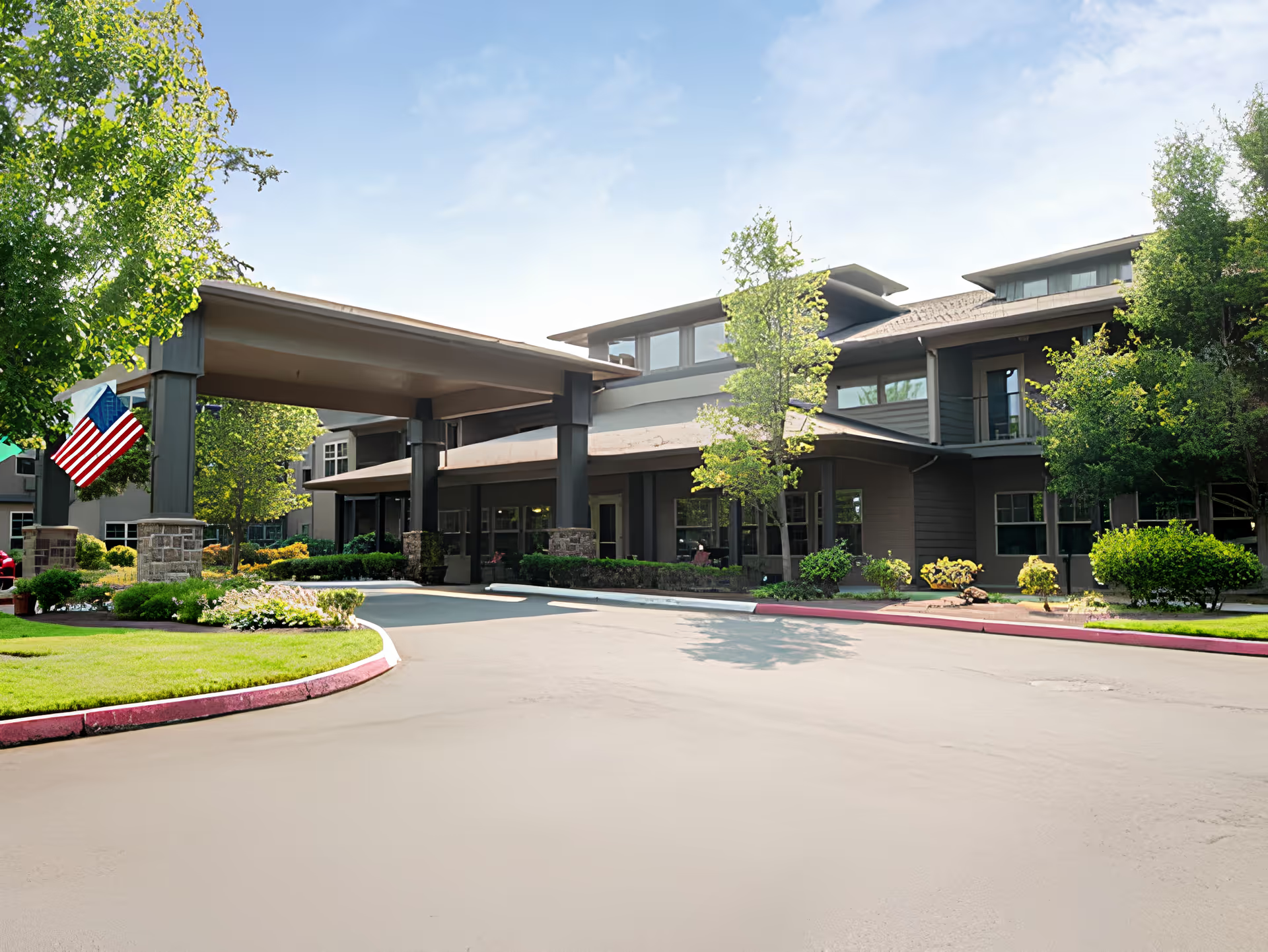
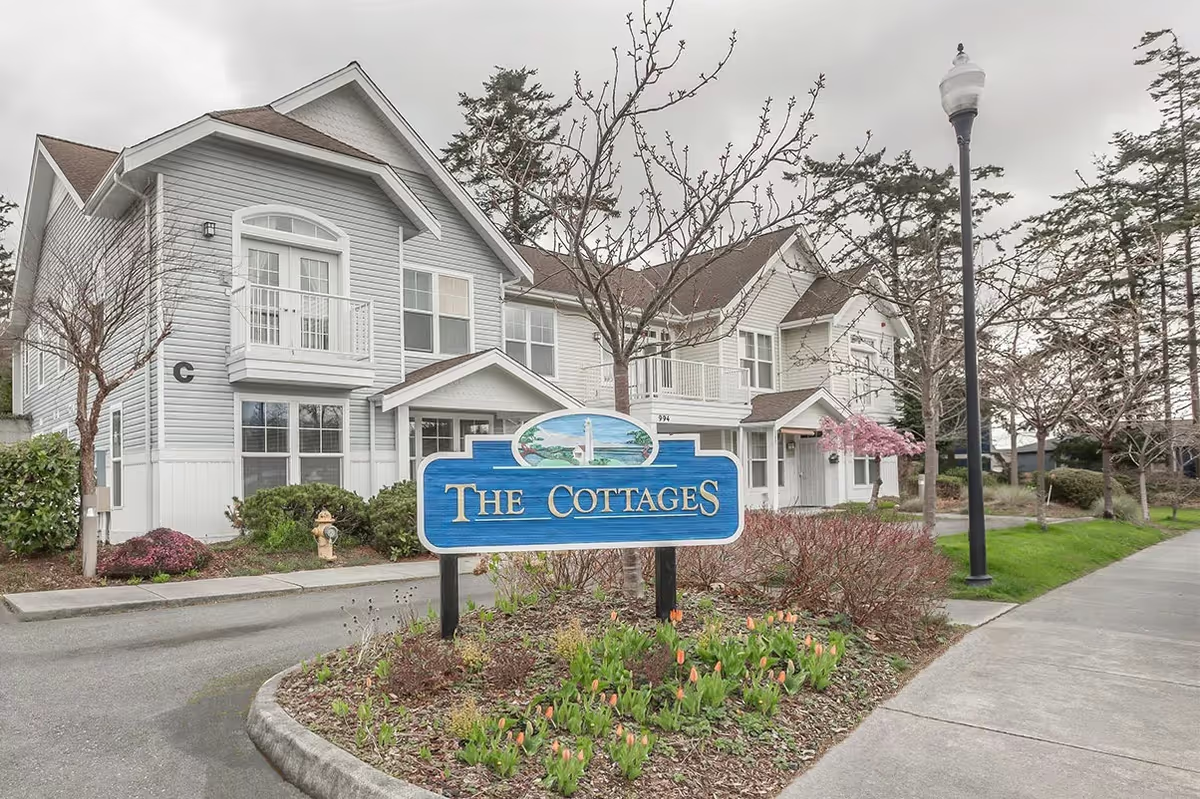
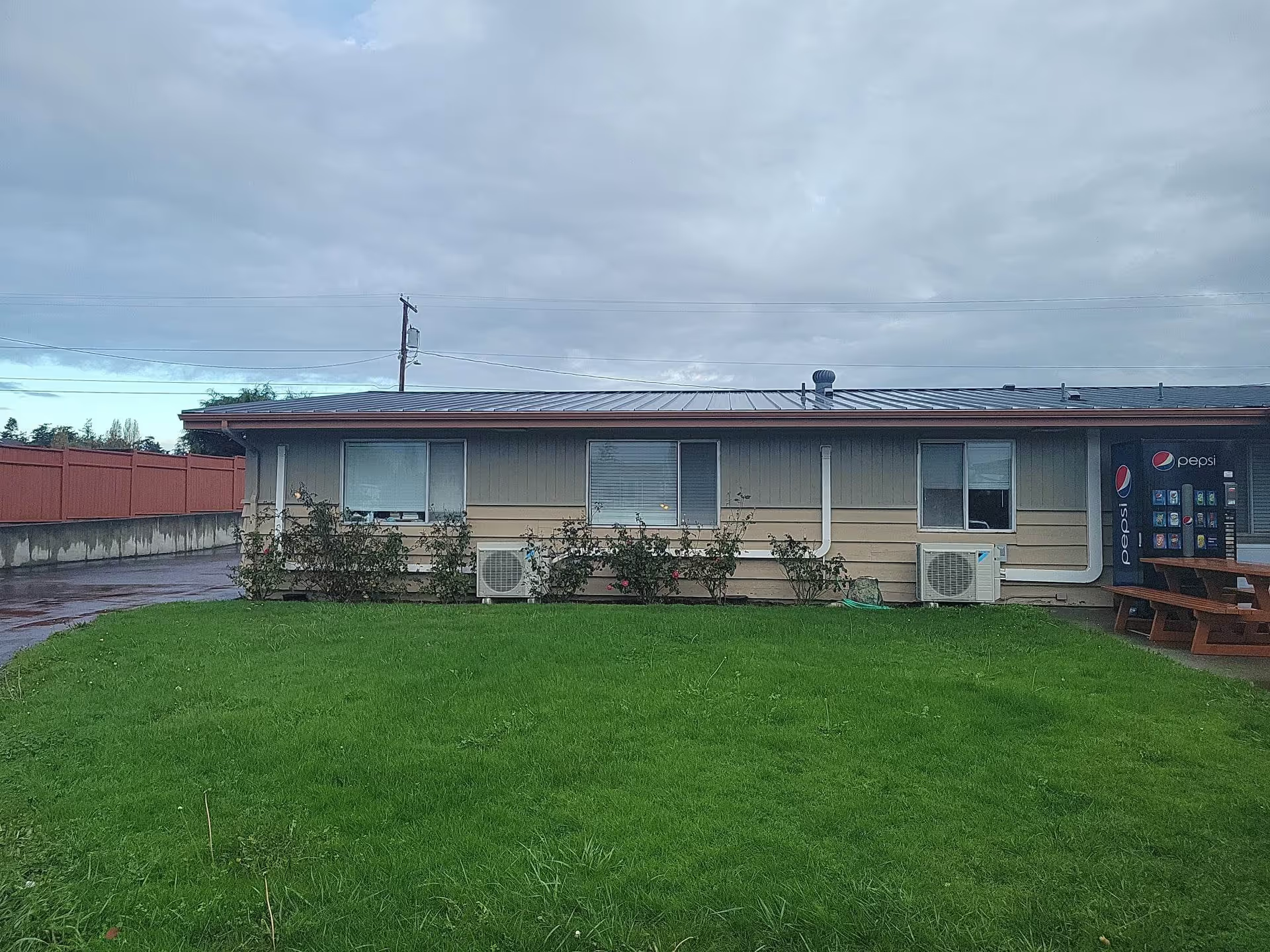
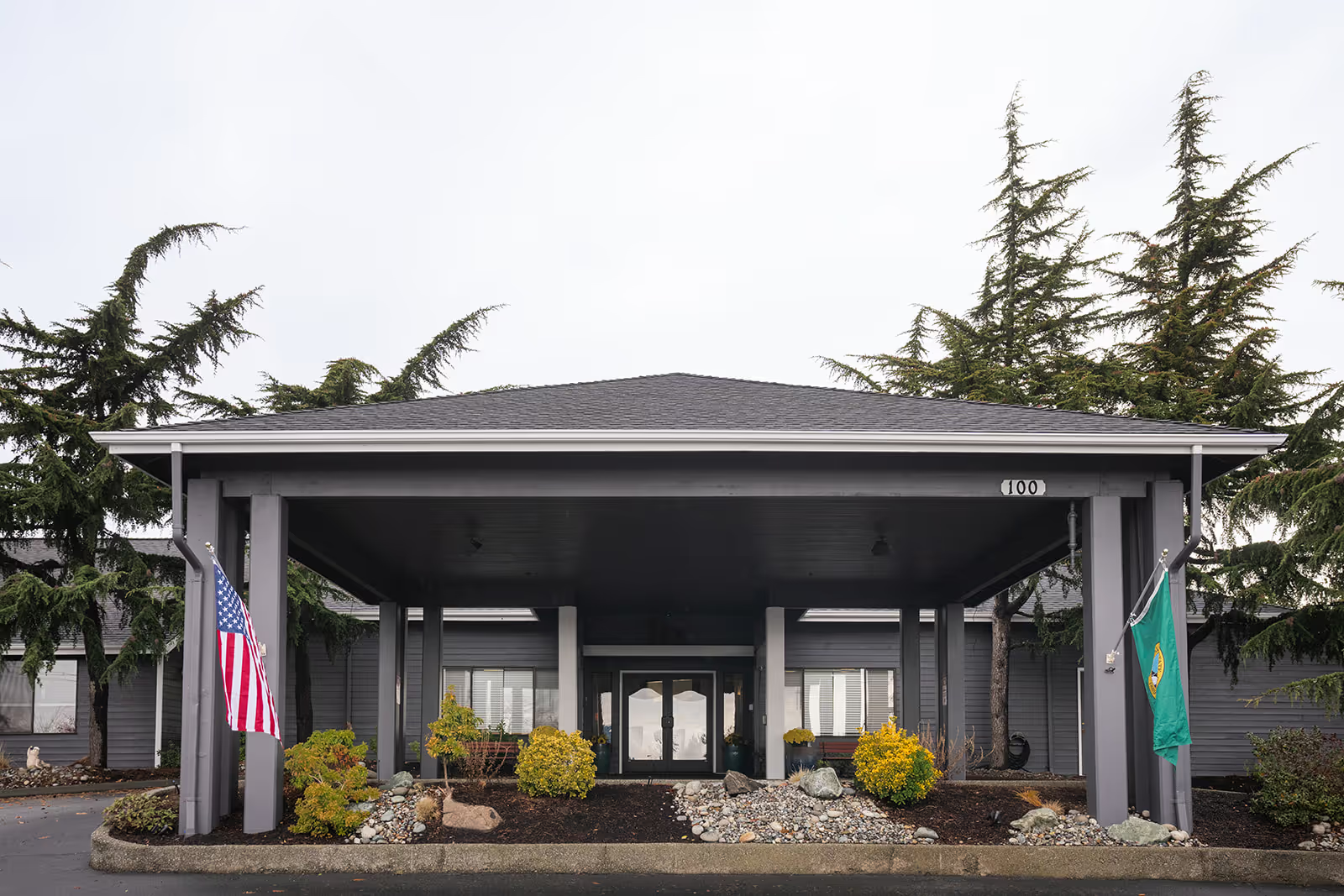
Facilities and management: The physical environment is portrayed as safe and well cared for. Administrative leadership is characterized as supportive and competent by reviewers who praised communication and overall facility oversight. The primary management-level area for inquiry is staffing strategy: reviewers note variability in coverage, so families should ask about caregiver-to-resident ratios, peak-hour staffing plans, and staff turnover when evaluating placement.
Notable patterns and guidance: The reviews present a generally favorable view of relational care, memory-support services, and dining, contrasted with concerns about staffing adequacy. This pattern suggests that, while day-to-day interactions and the facility’s dementia care model are strengths, operational capacity during high-demand times may be a vulnerability. Prospective residents and families should observe staffing during different shifts, ask for current staffing ratios and contingency plans, and confirm dietary and memory-care programming details to ensure the facility meets their specific needs.