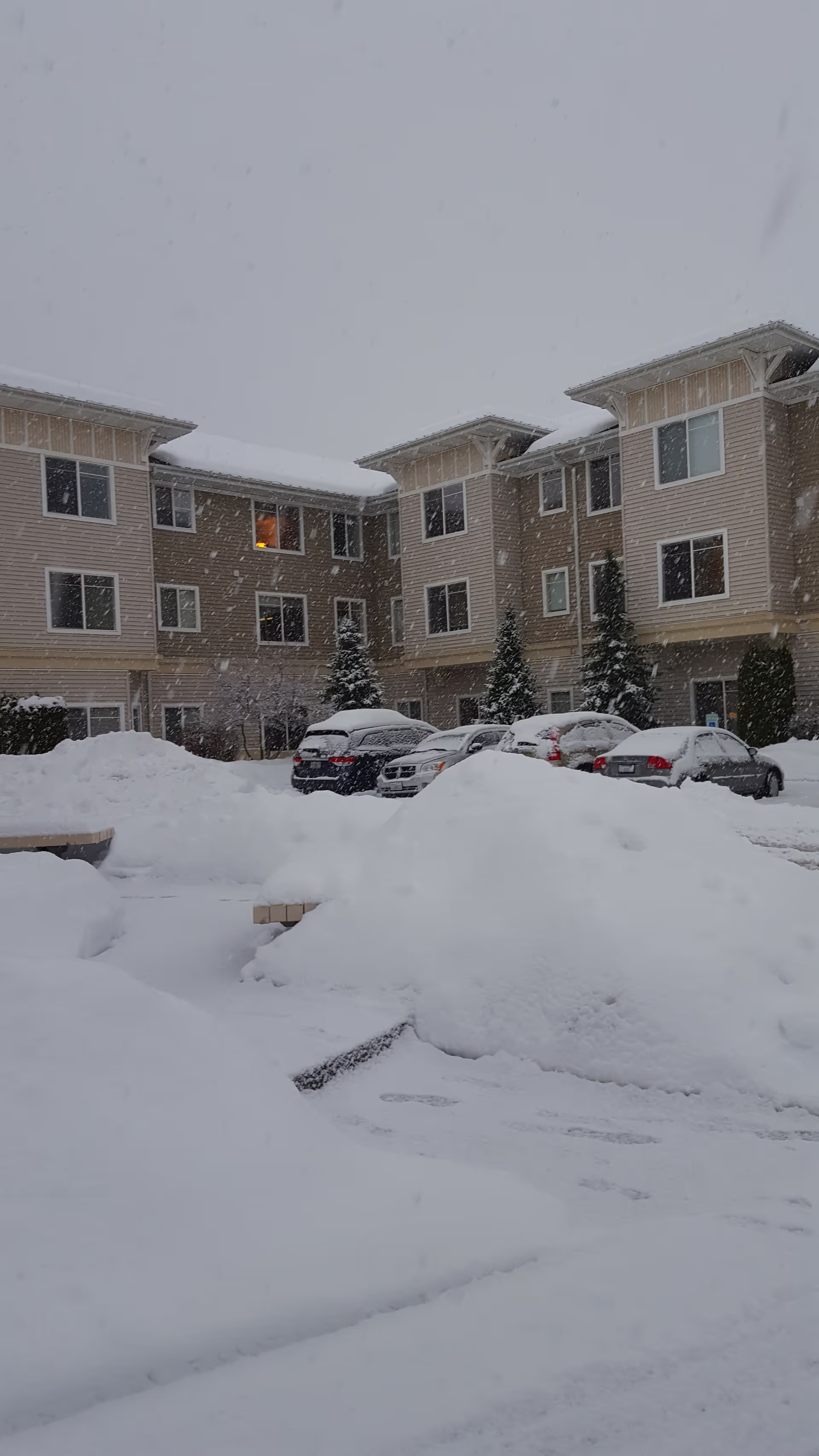
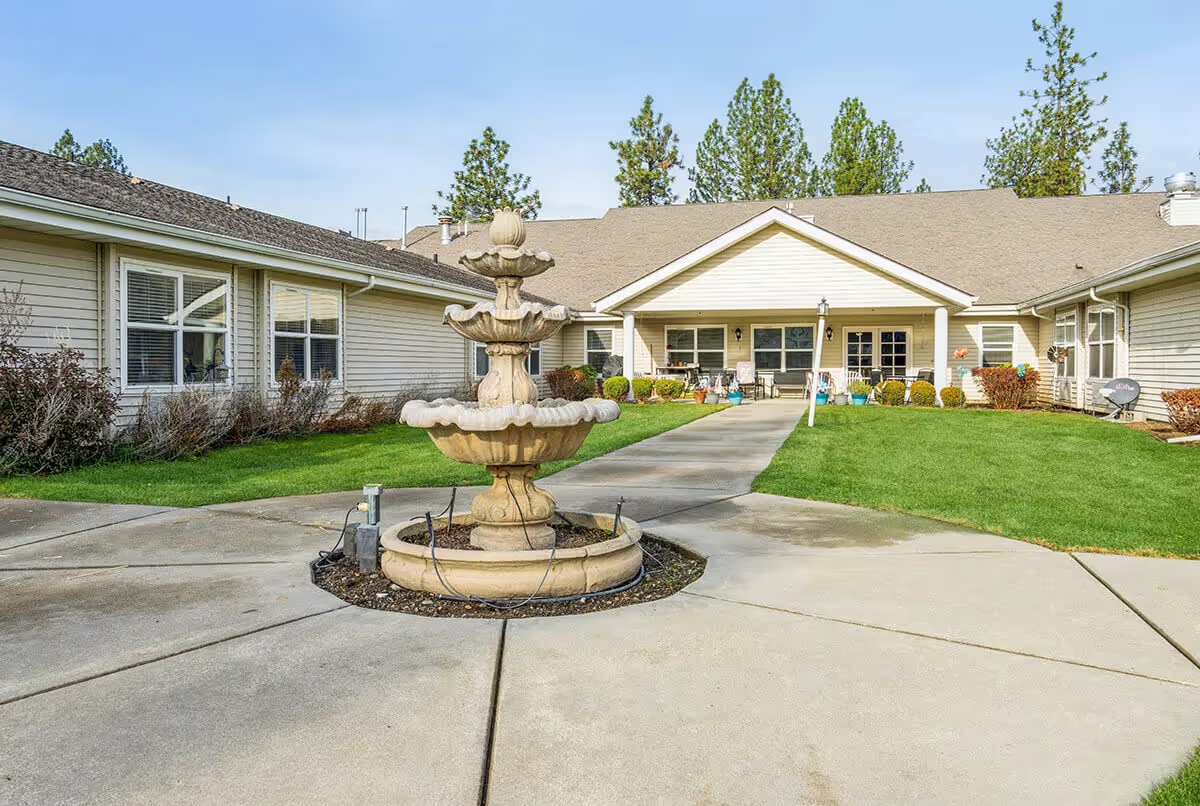
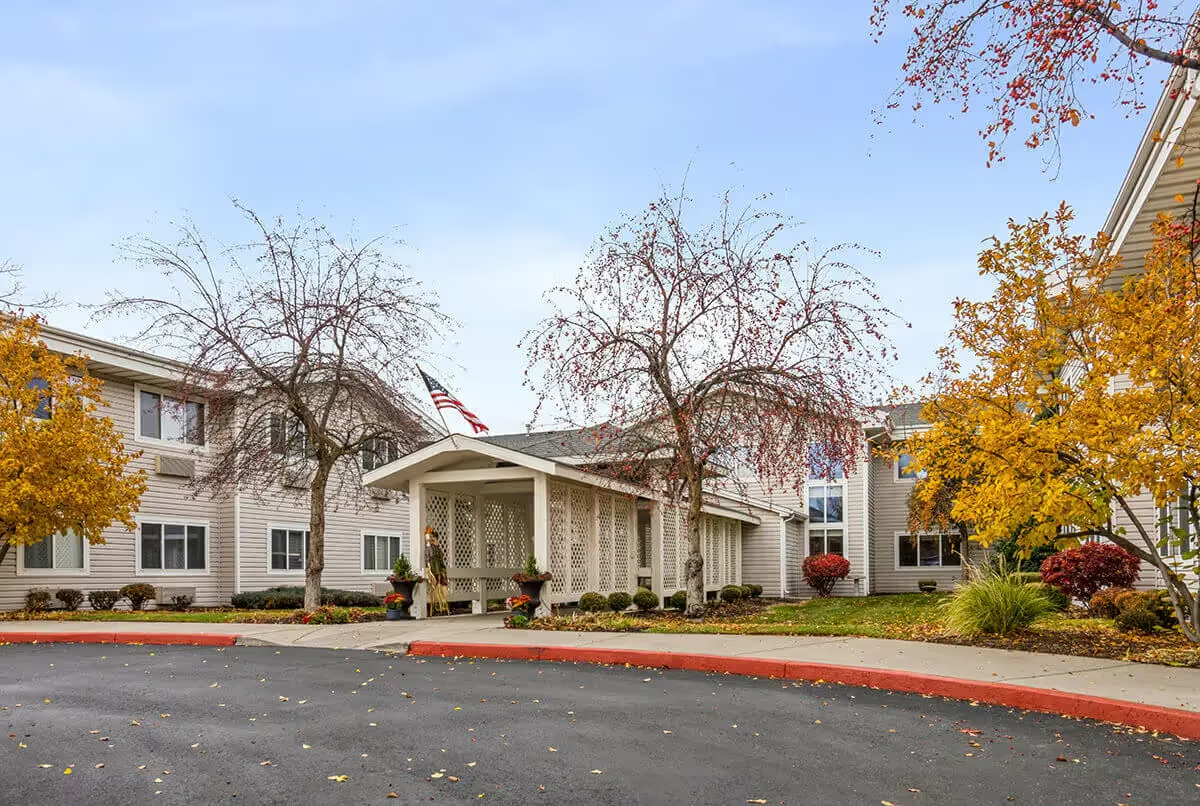
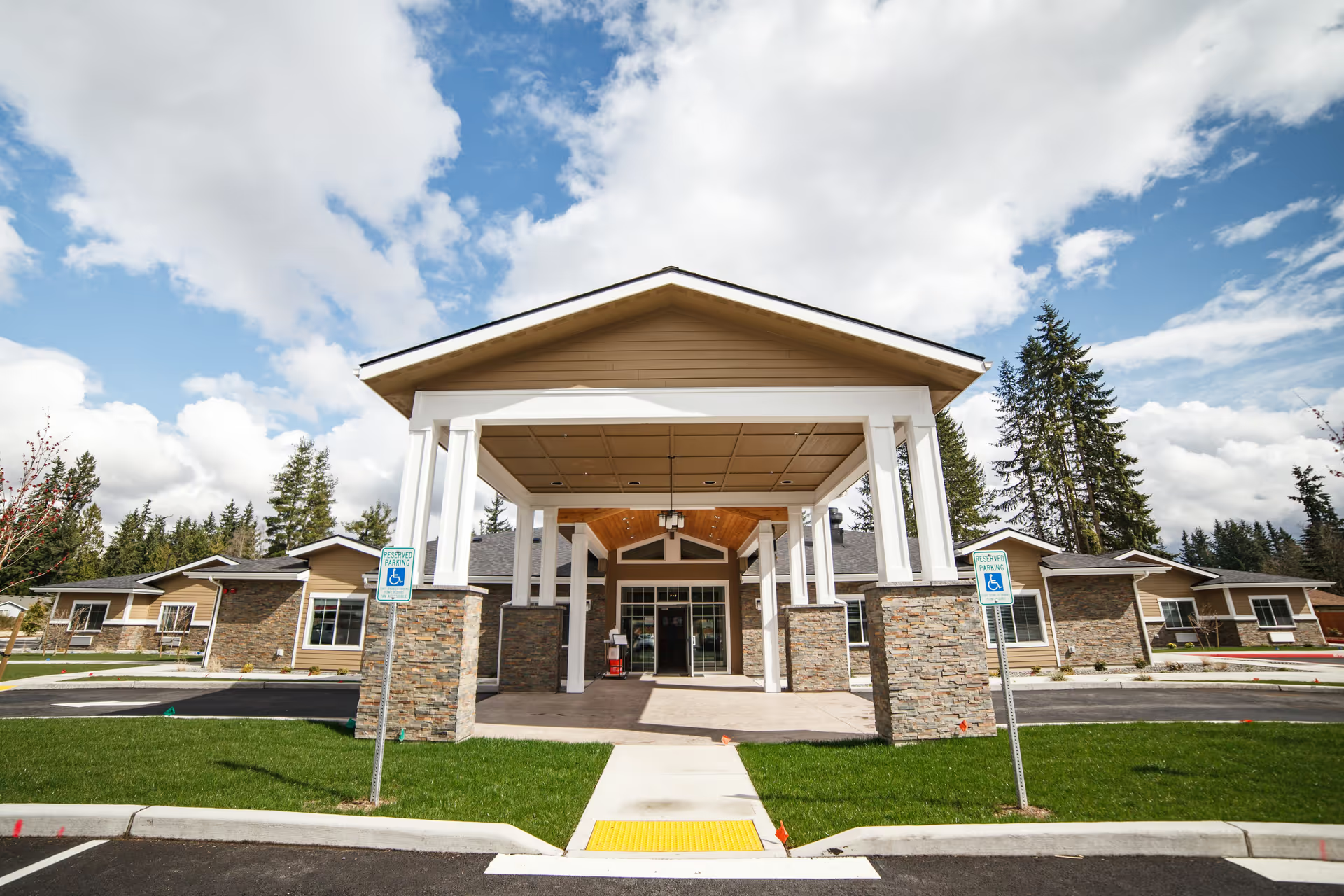
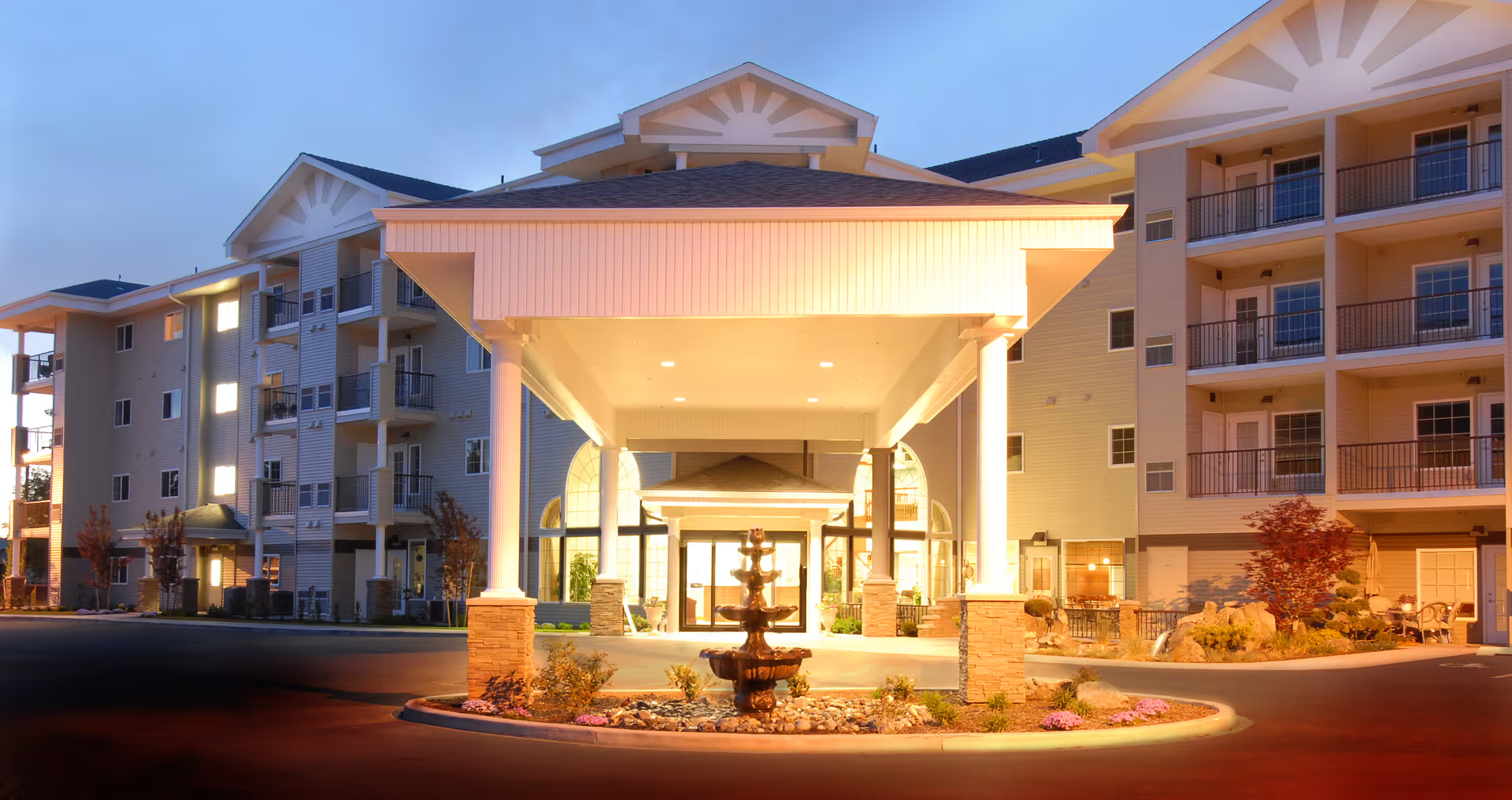
Avalon Care Center at Northpointe elicits strongly polarized impressions. A substantial portion of feedback highlights high-quality clinical capabilities in specific areas — notably wound care and rehabilitation — together with individual staff members and disciplines who are described as compassionate, attentive, and effective. Families praised social workers, discharge coordinators, transportation arrangements, and several named nurses and therapists for clear communication and care coordination. Many reviewers also described the facility as bright, generally clean, and comfortable, with spacious rooms and an active activities program.
At the same time, reviews indicate recurring operational weaknesses that prospective residents and families should evaluate carefully. Staffing variability and turnover appear to produce inconsistent experiences across shifts and units: delayed responses to call bells, long waits for assistance during meals and personal care, and uneven clinical competence (especially for transfers and mobility assistance) are recurring themes. Several reviewers described problems with transfer-safety practices and handling of mobility equipment, which points to a need to verify staff training, lift-use protocols, and supervision during transfers.
Communication and documentation were frequently cited as pain points. Families reported inconsistent notification about clinical changes, medication adjustments, and discharge plans, as well as gaps in incident reporting and follow-up. Medication-management and discharge-medication coordination problems were mentioned, along with isolated but serious device-management issues (for example, medical-device oversight such as wound-vac management). There are also repeated references to inconsistent infection-control and COVID-policy adherence, and variable sanitation practices at the room level. Dining quality and clinical diet management (for residents with diabetes or other needs) were described as inconsistent.
Administrative and security concerns were noted alongside clinical observations. Some reviewers praised management responsiveness and complaint resolution, while others described weak oversight, frequent caseworker changes, noisy or disruptive units, and lapses in package/mail handling and personal-property control. Several reviewers raised serious administrative allegations; these comments suggest that prospective families should review the facility’s incident reporting processes, documentation policies, and any available regulatory inspection reports. There is also mention of reliance on contracted rehab providers; verifying the qualifications and oversight of external contractors is advisable.
What this pattern means for a prospective resident: Avalon shows capacity for quality, rehabilitation-focused care and has staff members who provide compassionate, effective services. However, experiences vary substantially by unit and shift, and recurring operational issues — staffing consistency, communication, transfer safety, medication and device oversight, and sanitation practices — merit close review. Before placement, families should request current staffing ratios, ask for recent inspection and complaint histories, observe multiple shift periods in person, review incident-reporting policies, and confirm discharge-medication reconciliation and wound-care continuity plans. These steps will help determine whether the facility’s strengths align with an individual resident’s clinical and safety needs.