Overall impression: Cornerstone Court presents as a smaller, locally owned memory-care and assisted-living community with many families describing a warm, home-like environment and frequently commending hands-on caregiving. Strengths that recur in feedback include compassionate and attentive staff, frequent monitoring, prompt responses to call buttons, and an emphasis on dignified, respectful treatment. Many families highlight strong hospice and end-of-life support, private resident rooms, nicely decorated common areas, and diet-specific meal options that they find appealing.
Care and staff: The dominant positive pattern is consistent praise for frontline caregivers—families emphasize kindness, individualized attention, and a sense that staff know resident preferences. There are multiple accounts of prompt assistance and staff who go beyond basic duties to provide emotional support. At the same time, there is variability in reports about staff professionalism and conduct; some families express concerns about particular interactions and about inconsistent behavior across shifts. This suggests that while caregiver training and culture are strengths, staff performance and demeanor may not be uniform at all times.
Clinical practices and safety: Several families praised precise medication administration and clinical attentiveness, but other comments raise concerns about medication-management procedures and sanitation associated with medication delivery. There are also concerns indicating variability in repositioning and mobility-assistance practices that could affect skin integrity and comfort. Prospective residents and families should verify current protocols for medication handling, infection-prevention measures, turning/repositioning schedules, and how those practices are audited.
Dining and activities: Dining receives generally positive remarks for meal quality and accommodation of dietary needs, though some reviewers noted a small dining area. Activity-level feedback is mixed: the facility’s smaller size and memory-care focus are viewed positively by families who value a quieter, more personal setting, but a few observers noted limited visible activities during visits. If programming and active engagement are priorities, ask about a typical activities calendar, staffing for programs, and how activity participation is encouraged for residents with varying needs.
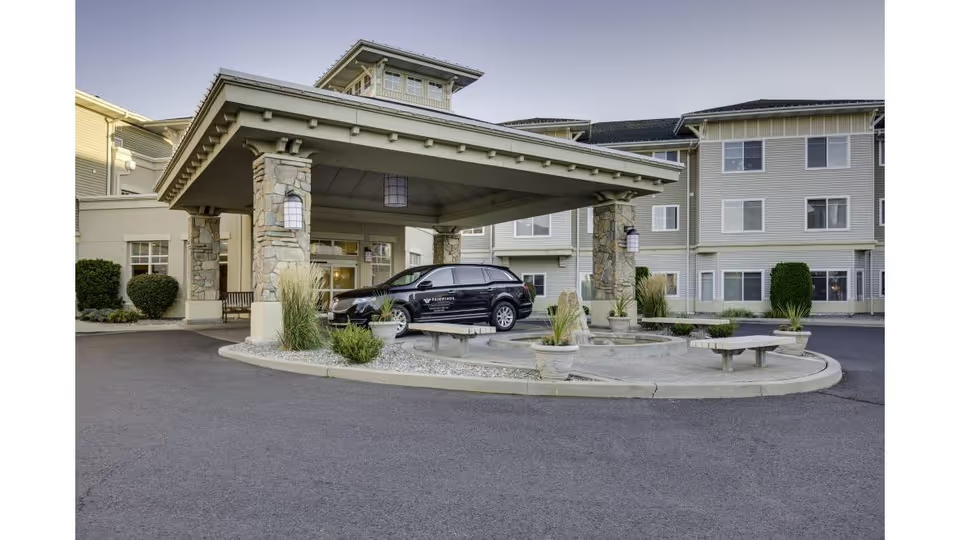
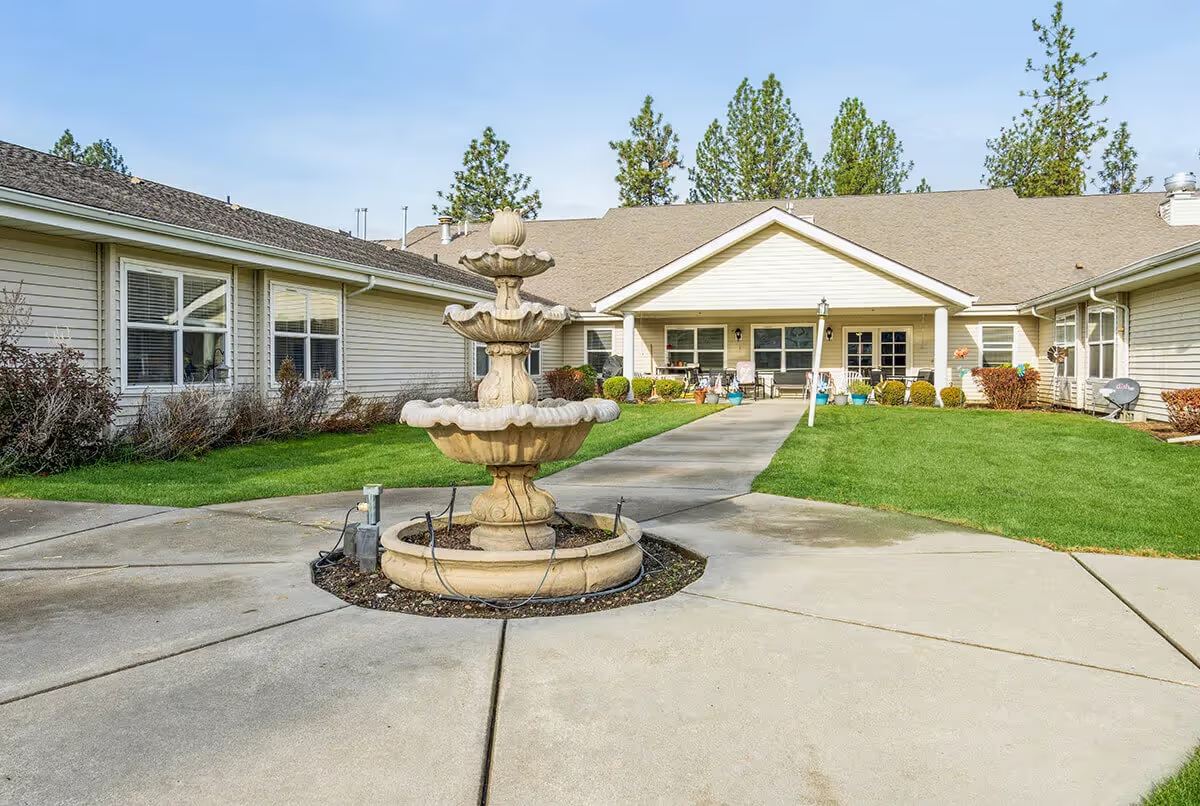
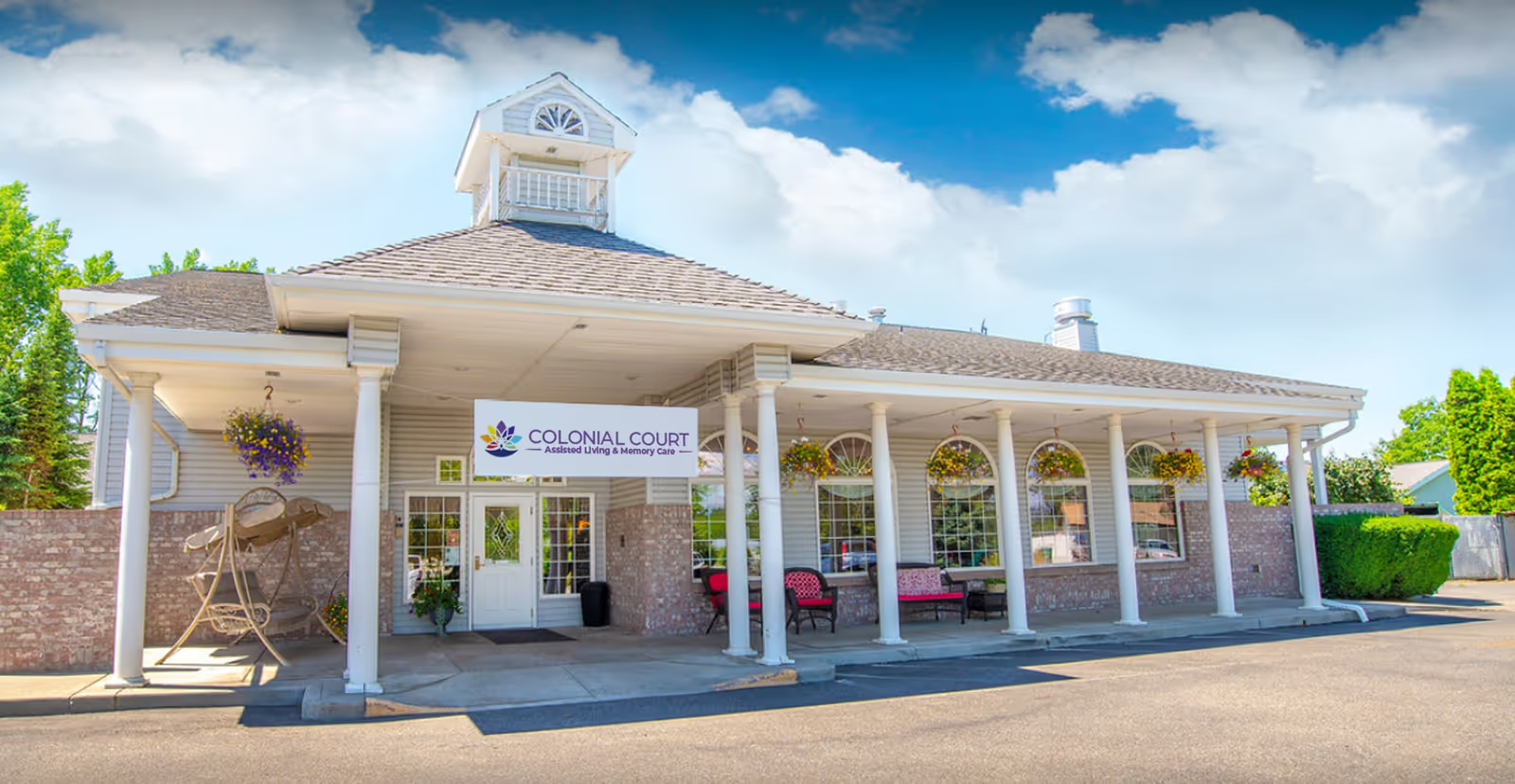
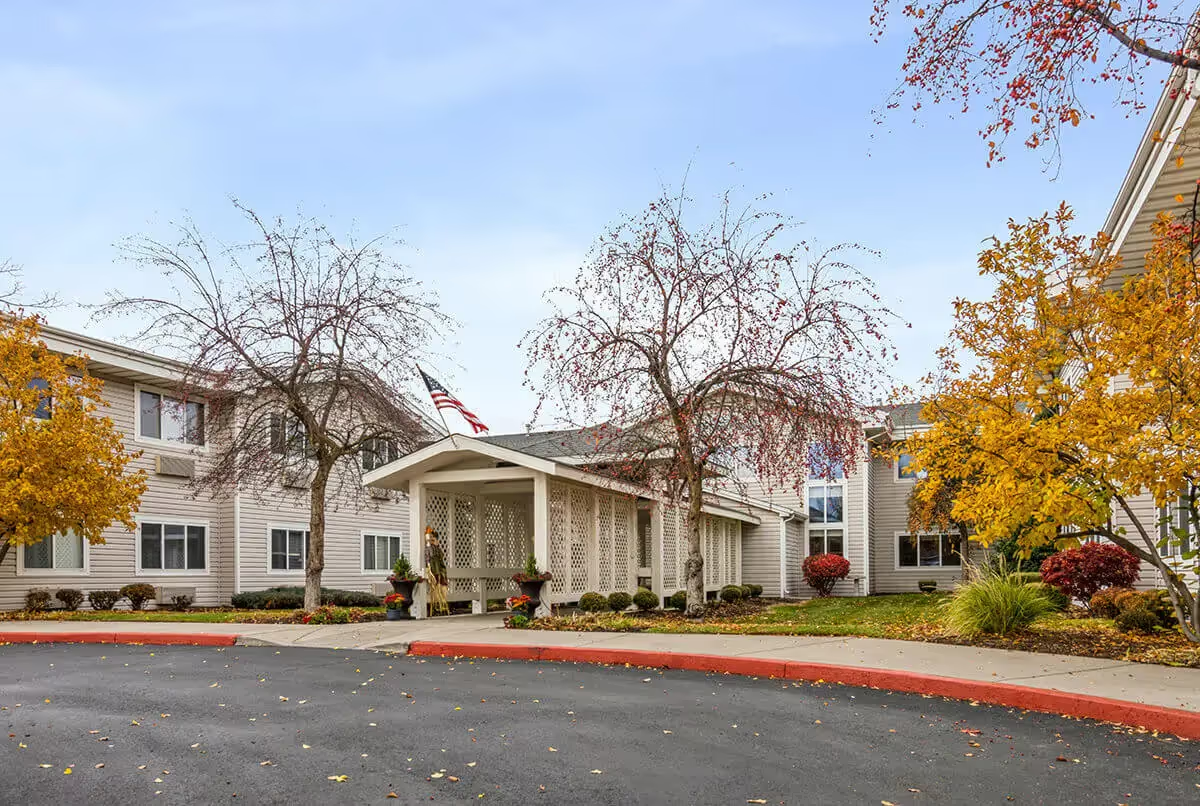
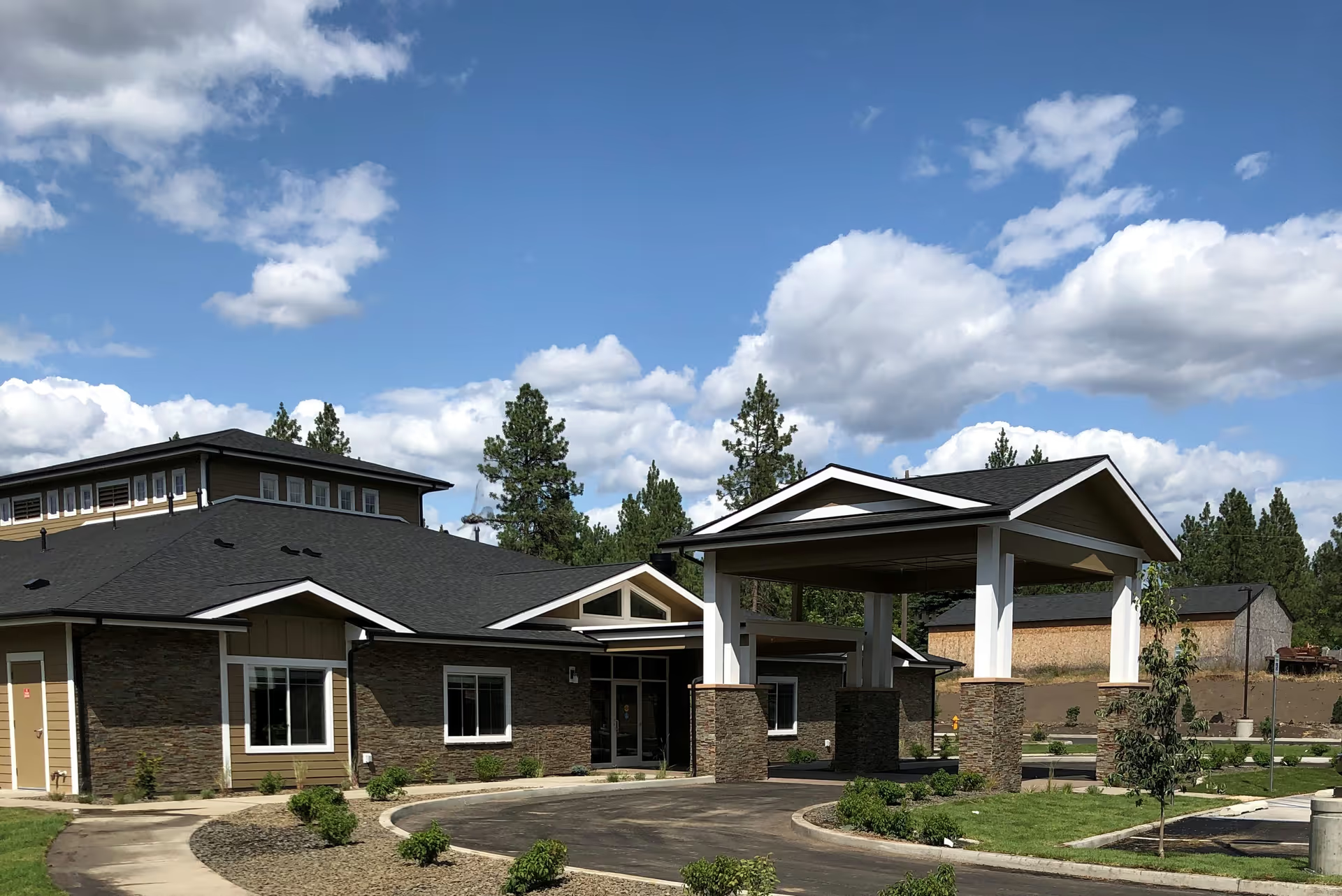
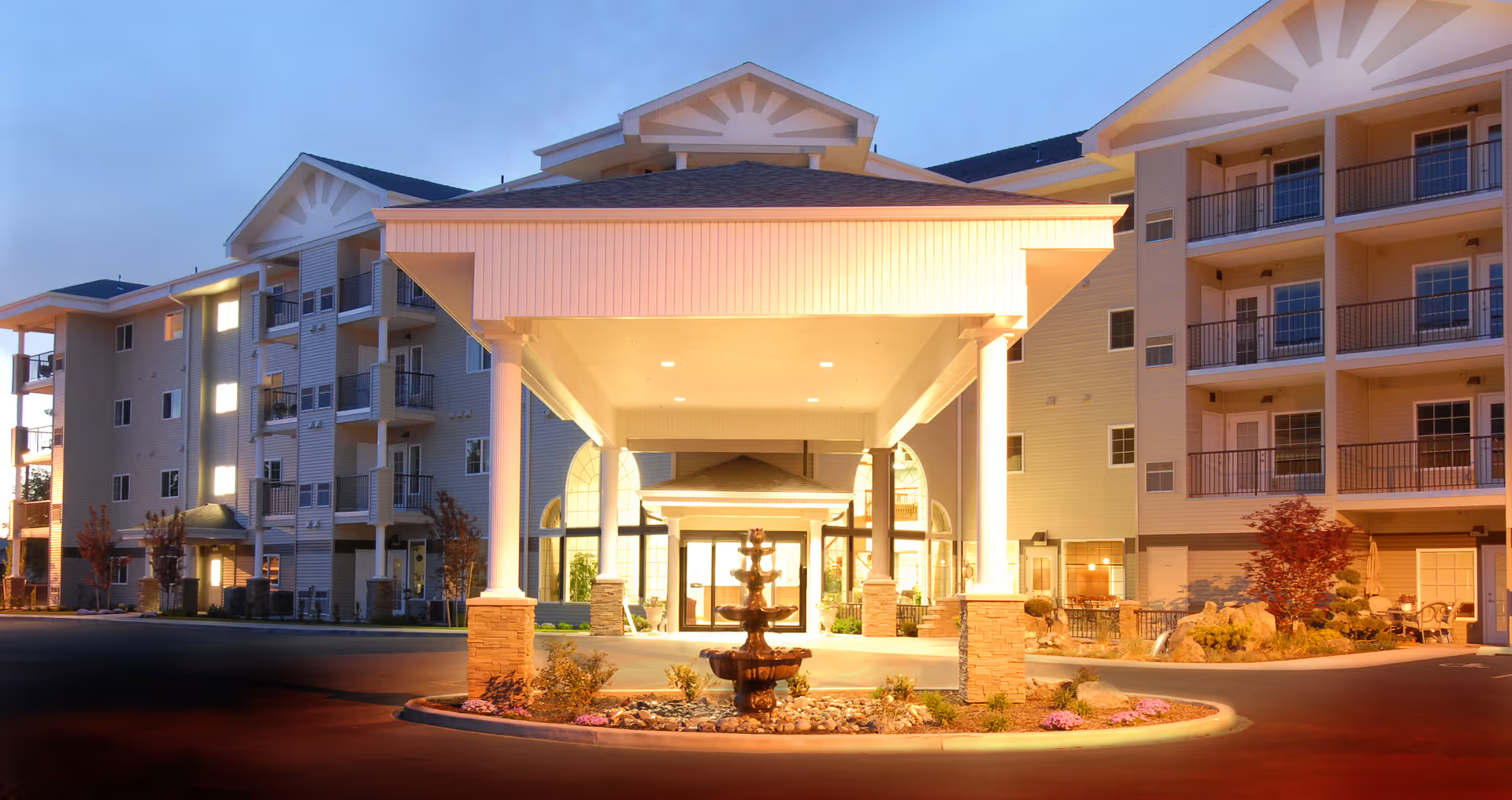
Facilities and administration: The building and common spaces are described as clean, well-maintained, and pleasantly furnished. The local ownership and engaged administrator are cited as advantages compared with larger corporate providers. However, there are recurring concerns about management transparency and stability—questions about payroll/incentive communications, occasional administrative decisions, phone responsiveness, and contract/proration terms. Financial clarity and communication policies emerged as specific areas families recommend reviewing closely prior to move-in.
Notable patterns and recommendations: The pattern of overwhelmingly positive caregiver reports alongside isolated—but substantive—concerns about communication, medication protocols, repositioning, and administrative transparency suggests unevenness rather than a uniform picture. Families touring the community should observe care interactions across shifts, ask for written protocols on medication handling and skin-care/turning schedules, request staffing ratios and training information, test communication responsiveness (phones, family notifications), and carefully review contract language about proration and fees. Doing so will help align expectations with the aspects that reviewers consistently praised and identify the operational areas that warrant further clarification.