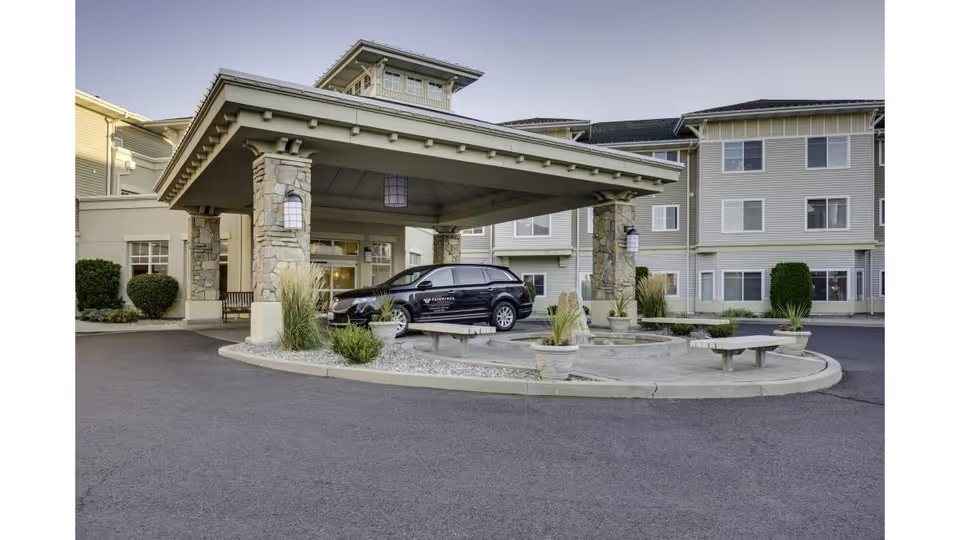
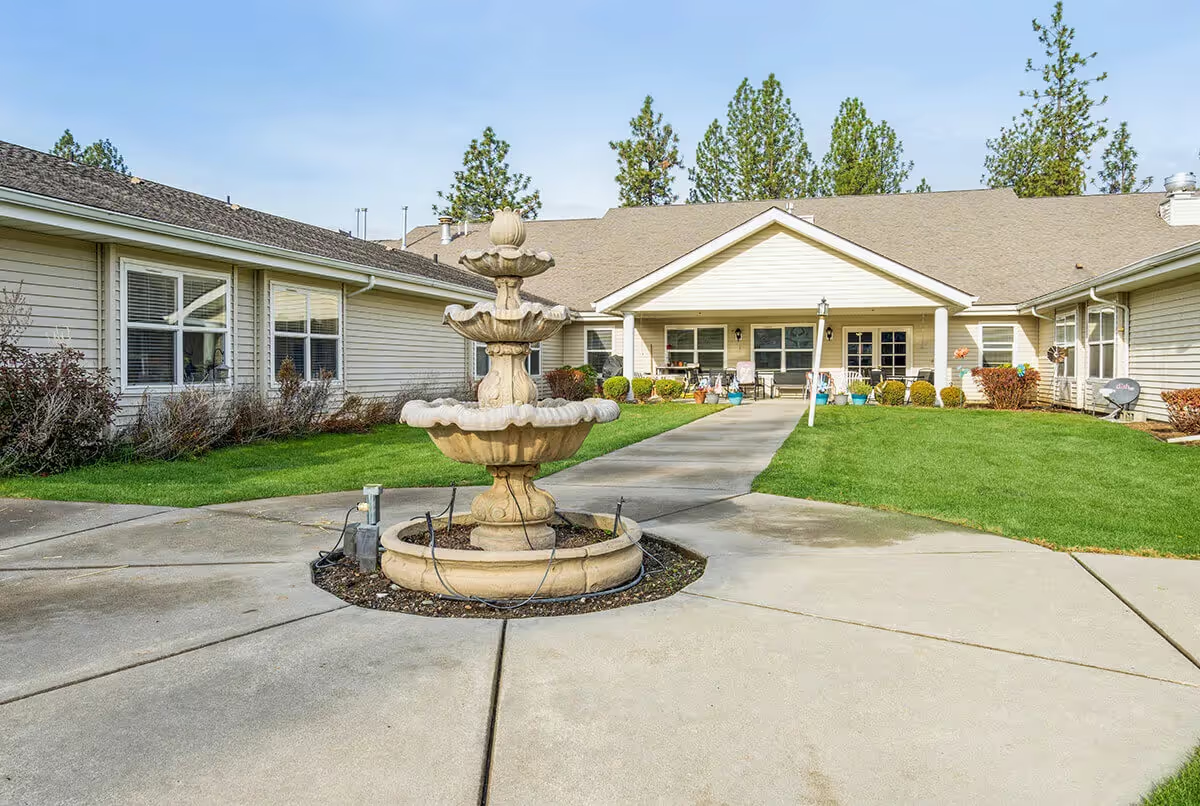
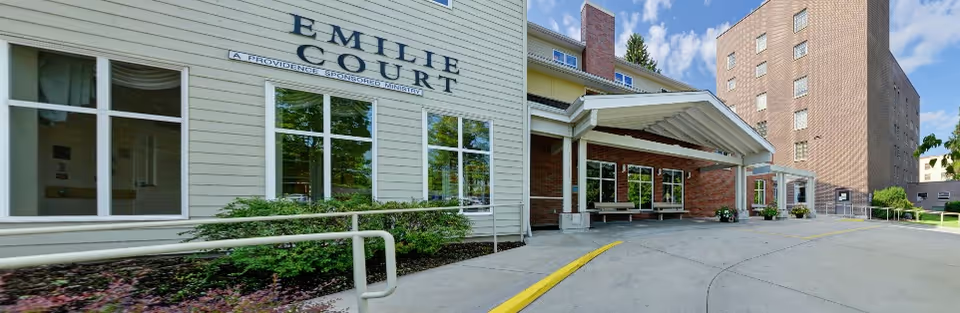
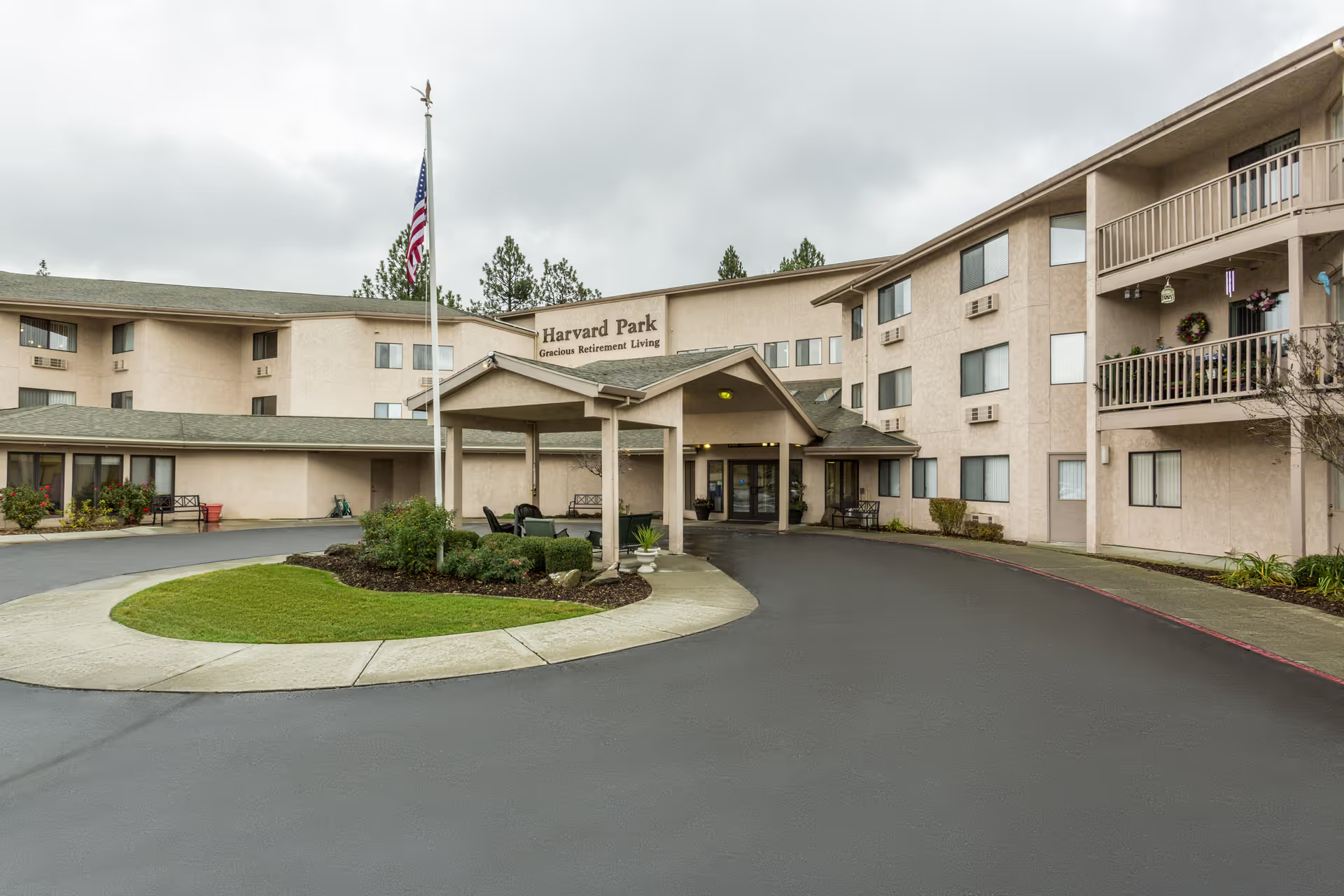
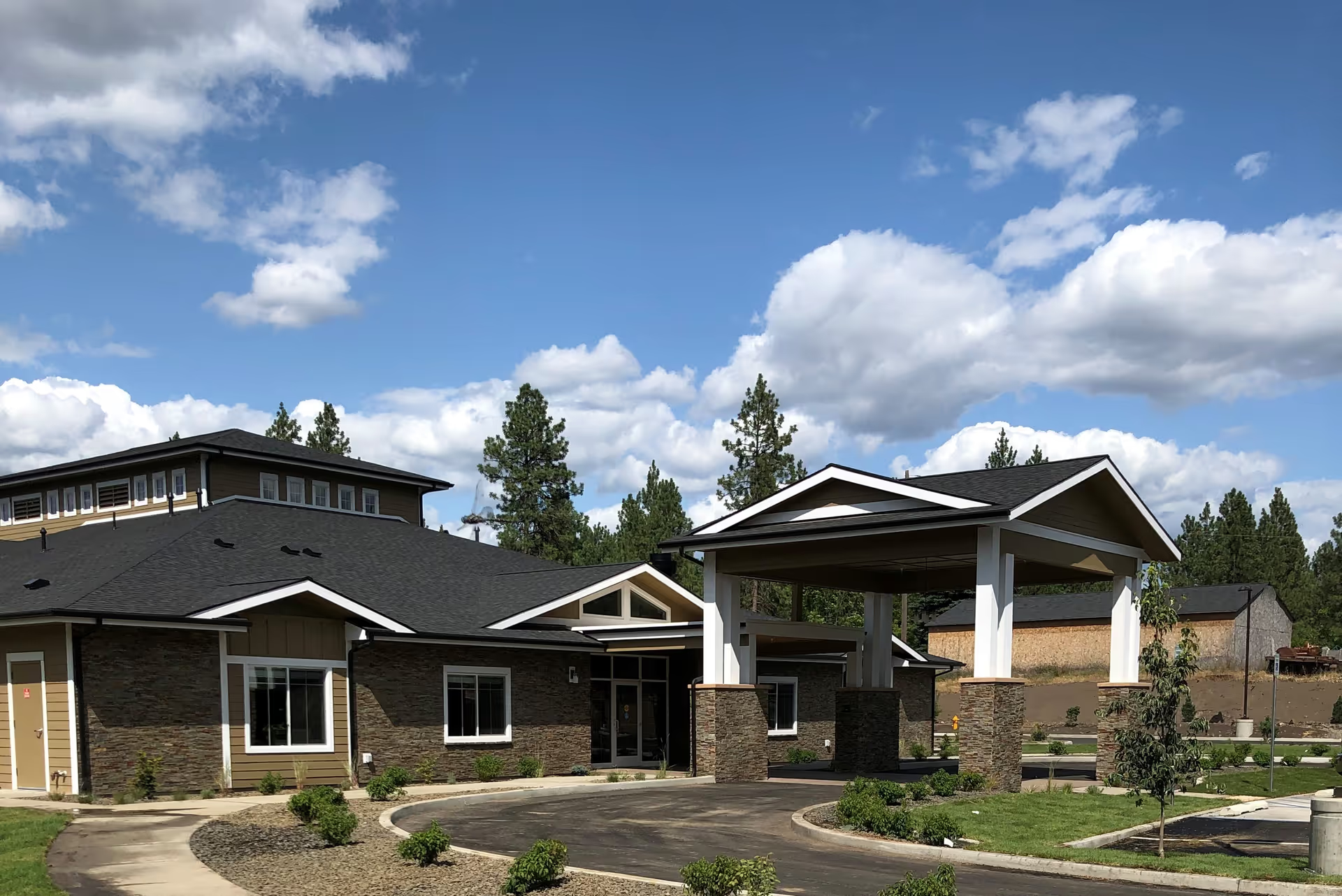
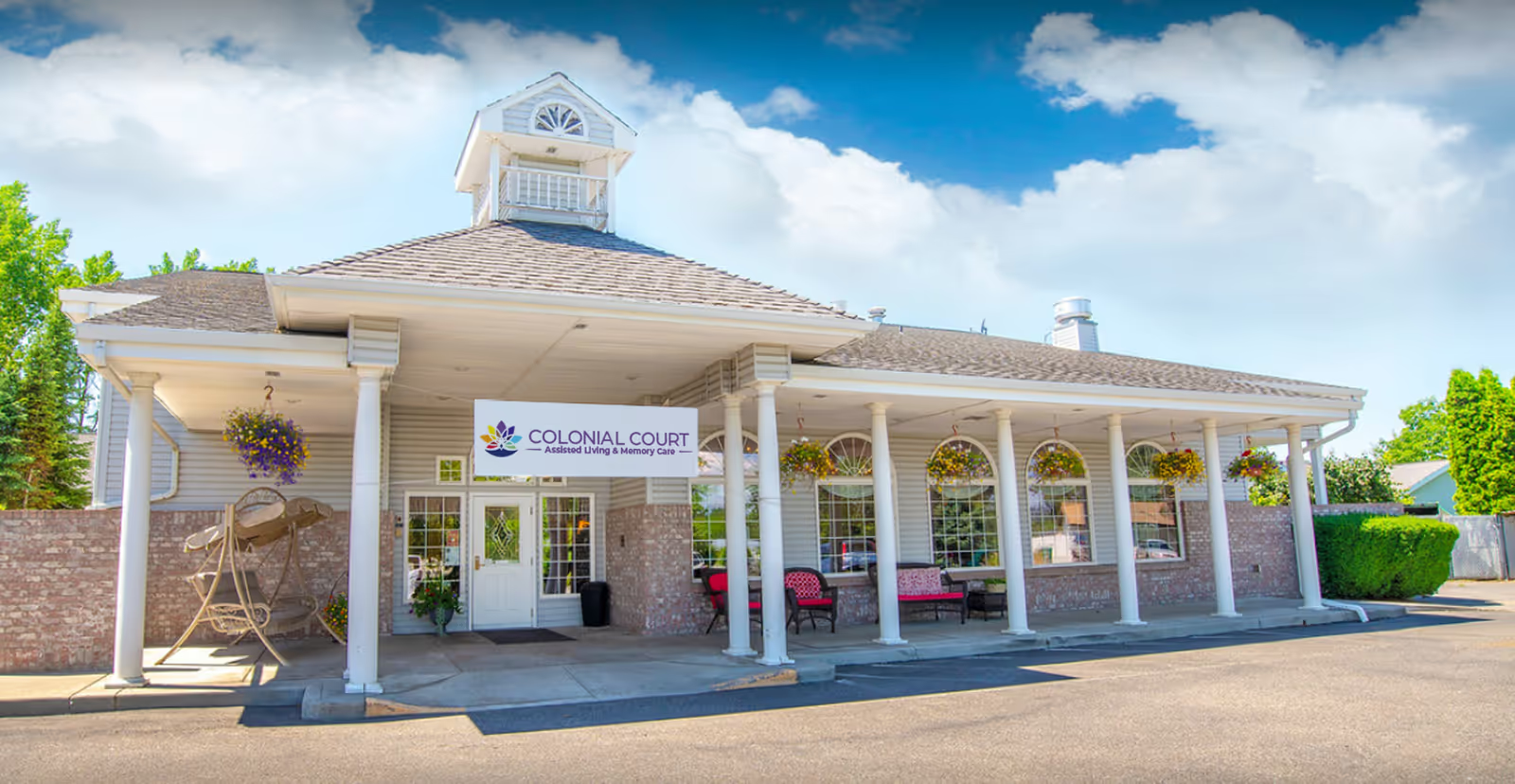
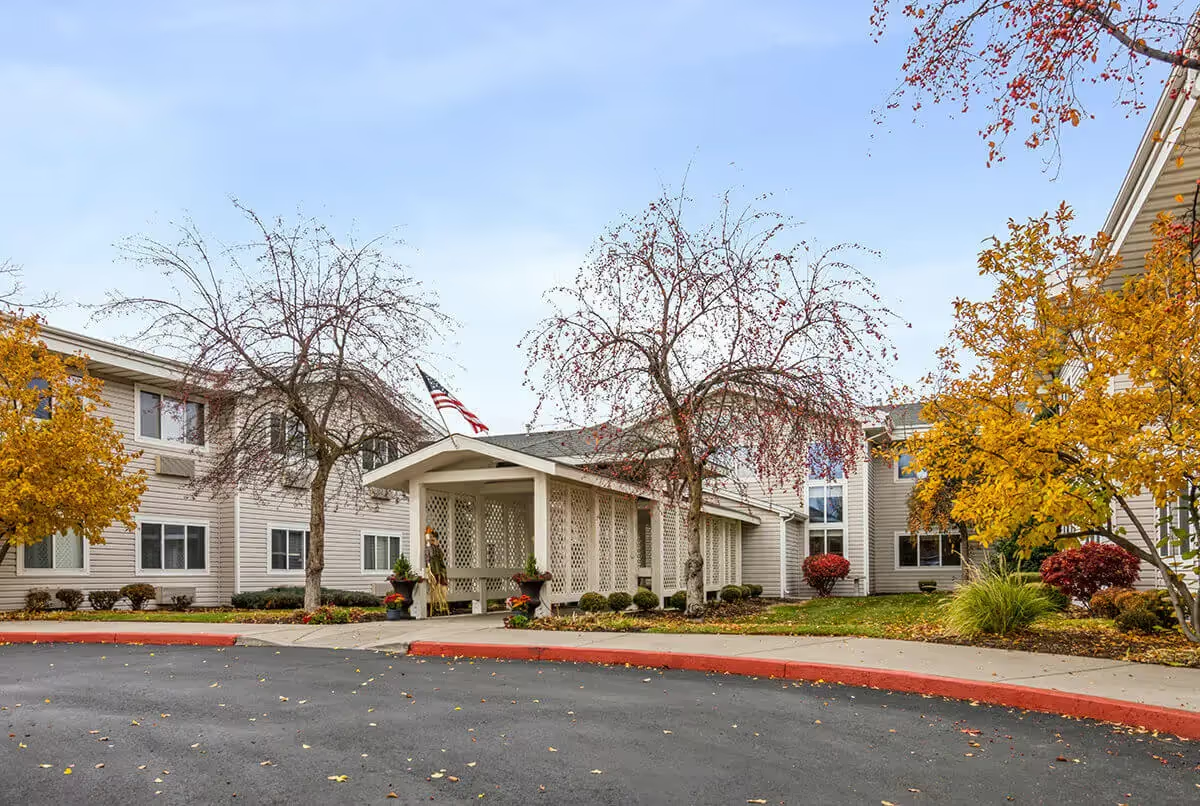
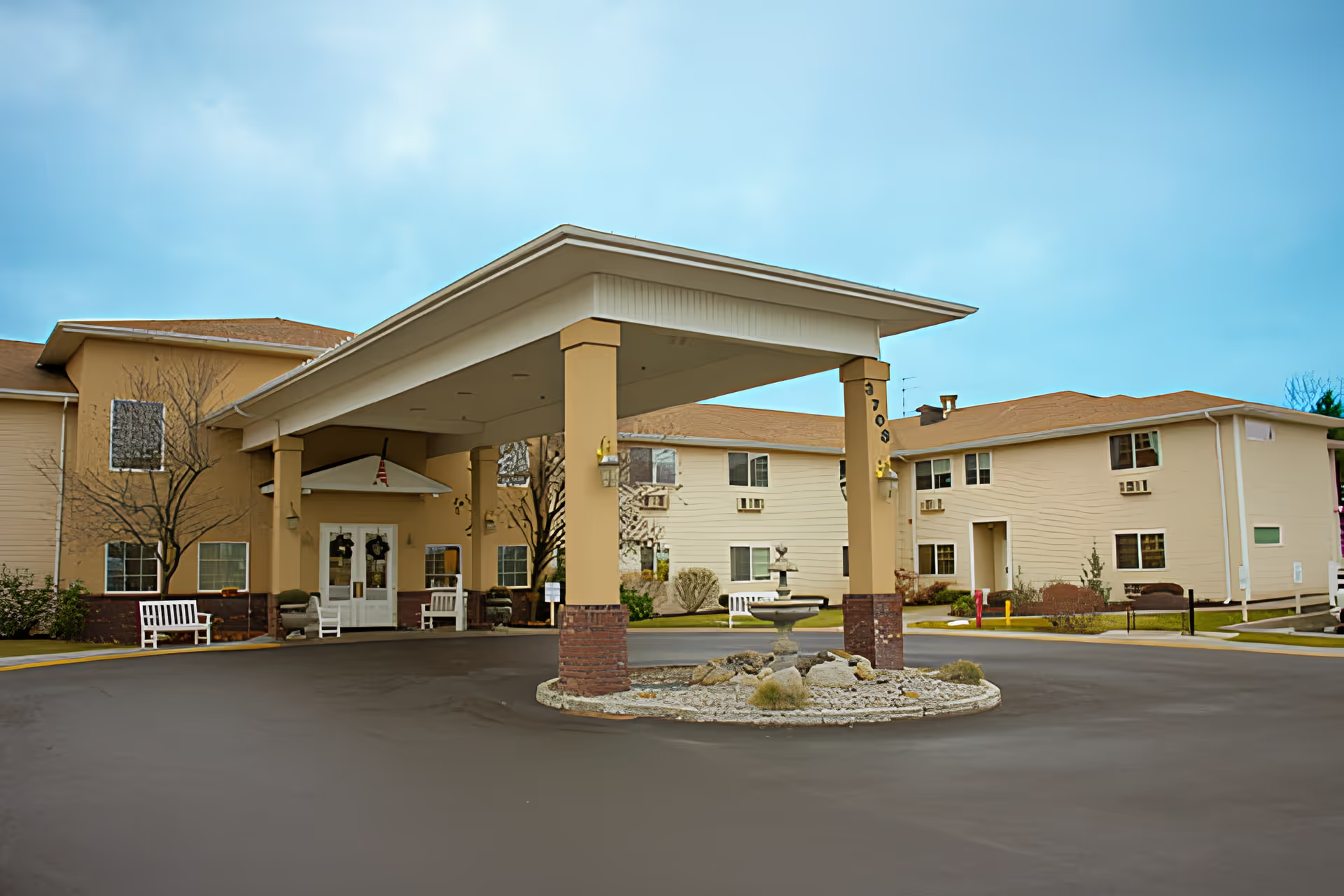
The Cottages of Spokane is consistently described as a modern, purpose-built memory-care community with a cottage-style layout and features intended to support dementia care. Physical attributes that recur in feedback include bright, home-like interior design, spacious floor plans, a circle layout to minimize wandering risk, heated sidewalks for winter accessibility, and large, secure courtyard spaces with gardens and walking areas. Many families highlight the facility’s cleanliness, cozy atmosphere, and design features that allow delivery carts and operations to continue year-round.
Direct care and resident experience are frequent strengths in the remarks. Numerous accounts describe staff as compassionate, knowledgeable, and attentive, and reviewers commonly mention that residents appear engaged in activities and experience improved hygiene, mood, or function. The community supports hospice partnership and provides individualized care adjustments, and some family members emphasize strong communication and responsiveness from specific leaders or teams. Activities programming, impromptu social opportunities, and outdoor engagement are noted as contributors to a high quality of life and a home-like memory-care atmosphere.
Areas of concern are primarily operational and relate to variability rather than uniform failure. Reviewers indicate inconsistent caregiver behavior and professionalism at times, with uneven performance between staff members and shifts. Several comments point to gaps or confusion in how the facility shares clinical information with families and handles power-of-attorney (POA) processes; this suggests a need for clearer communication protocols. A subset of feedback raises questions about dementia-specific leadership or training in parts of the administrative team, which can affect care approach and family confidence.
Workplace culture and management practices also appear mixed: many families praise strong management communication and servant-leadership behaviors, while others describe staff-morale issues and concerns about management pressure on employees. These contrasting perspectives indicate variability in leadership experience across roles or periods. Clinical consistency across shifts and clarity around staff scheduling and health-safety expectations were also raised as operational vulnerabilities. Prospective families should weigh the facility’s clear environmental and caregiving strengths against these patterns of unevenness in staff conduct, communication protocols, and management culture. When possible, arrange multiple visits at different times of day, meet direct-care staff, and request written family-communication/POA procedures to assess fit for a particular resident’s needs.