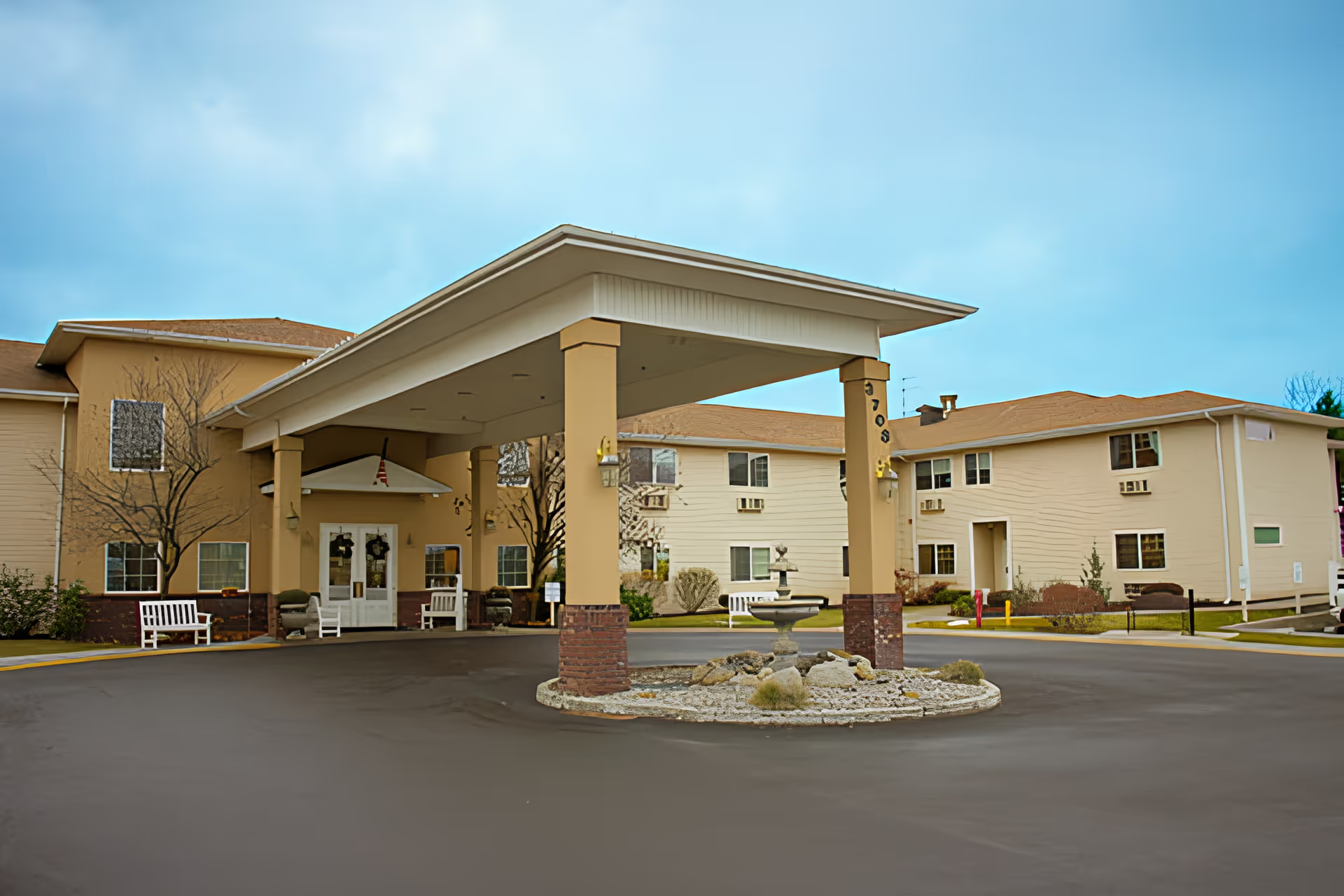
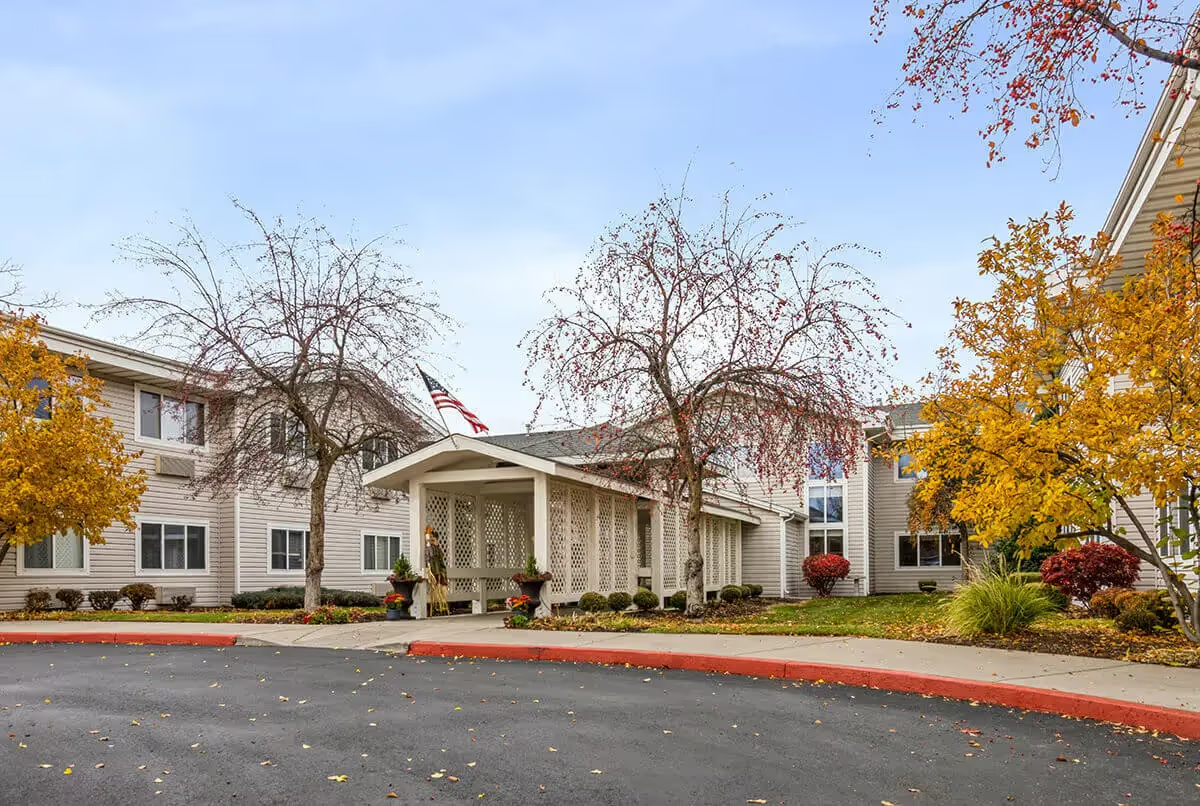
Fairview Assisted Living & Memory Care elicits a strongly mixed impression. Many reviewers highlight the facility’s strengths: a generally clean, attractive interior; a range of communal spaces (library, recreation room with pool table and large TV); an outdoor patio and gardening areas; on-site barber and beauty services; and safety measures intended to reduce wandering for residents with cognitive impairment. The activities program appears active, with organized options such as bingo, group walks and faith-based gatherings. Several families also cite positive experiences with hospice coordination and assistance navigating Medicaid.
Care quality and staff behavior are described very unevenly. Numerous accounts praise direct-care staff as compassionate, welcoming and attentive — families describe staff who provide personal care, show empathy, and go above and beyond in day-to-day support. However, other accounts raise concerns about inconsistent responsiveness, delays in attending to residents, and an operational culture that can prioritize busywork over direct care. These patterns suggest variability in staffing levels and frontline supervision that can affect day-to-day reliability.
Clinical and safety-related patterns arise repeatedly. Reviewers describe gaps in clinical-monitoring practices (for example, inconsistent vital-sign procedures), concerns about medication management and dosing practices, and occasional issues with care coordination for residents with memory impairment. There are also references to delays associated with access-control systems (doors opening slowly) and intermittent sanitation and odor-control issues in some areas. Together these indicate areas where clinical protocols, supervision, and facility operations may be inconsistent.
Dining and hospitality receive similarly mixed feedback. Some families appreciate freshly prepared, flavorful meals and note a pleasant dining environment; others report inconsistent meal temperature and quality at times. Move-in logistics and ancillary services (TV/phone setup, room moves) are often handled smoothly according to several accounts, but billing and management transparency are a recurrent source of dissatisfaction. Complaints include disputes over charges, perceived high cost relative to room size, confusing Medicaid assistance processes, and more serious claims involving eviction notices and financial conduct — these latter items are characterized in reviews as allegations that merit further inquiry and documentation.
Communication and management responsiveness are notable pain points. Multiple reviewers describe delayed or non-existent callbacks from leadership, unresolved grievances, and perceptions of unresponsiveness to family concerns. Conversely, some families report specific staff or managers who resolved issues effectively. Prospective residents and their families should therefore plan for in-depth, documented conversations about clinical protocols, medication oversight, staffing ratios, billing practices, and escalation pathways. A thorough memory-care tour, review of written policies, and verification of hospice and benefit coordination procedures are advisable before admission.