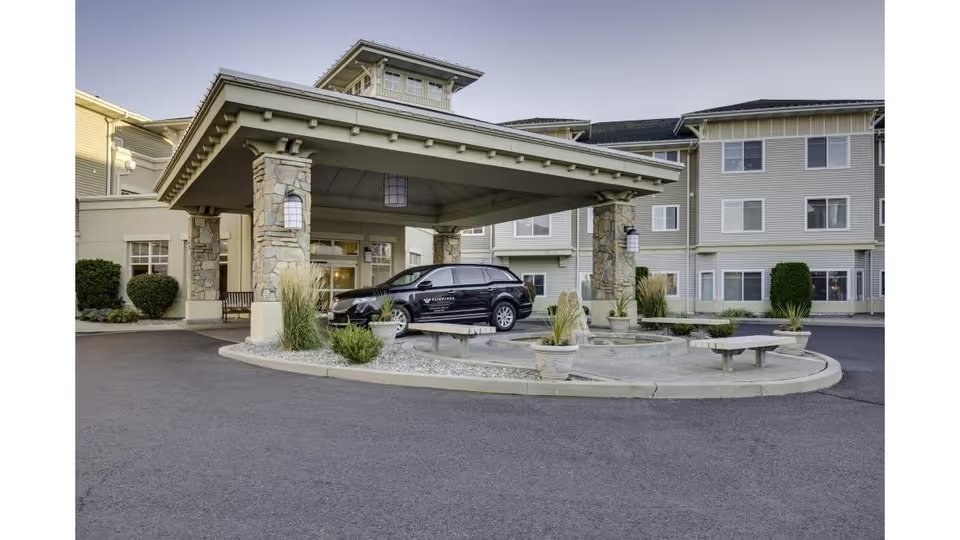
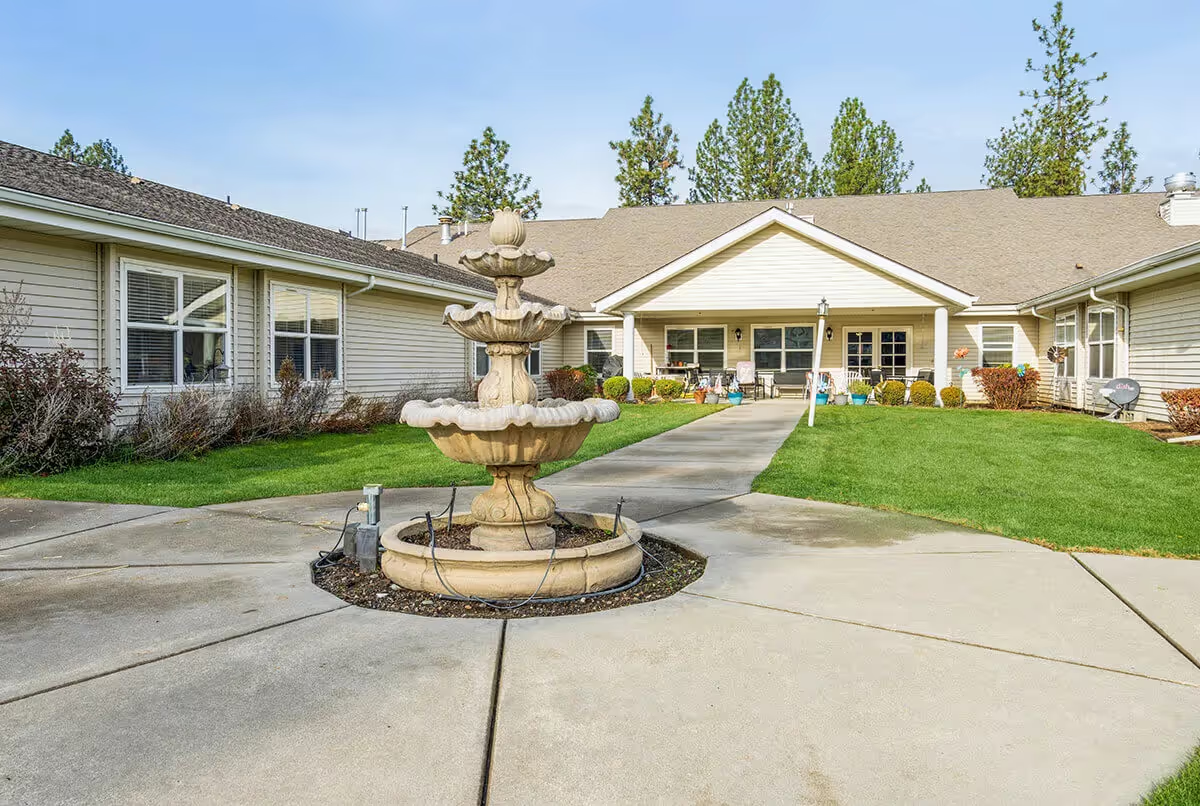
Fairwood Retirement Village & Assisted Living elicits a mixed but clear pattern of strengths and operational concerns. Positive comments emphasize warm, attentive staff, long employee tenure, and caregiving personnel who are described as skilled and welcoming. The campus is frequently praised for attractive, well-maintained grounds, a range of remodeled apartment types (including spacious units with private bathrooms, ground-floor patios, and pet access), and amenity features such as a pool, greenhouse, garden room, and hotel-style guest accommodations. The community offers a broad activities program—clubs, crafts, games, and monthly outings—which many reviewers found to contribute to resident camaraderie and daily engagement.
Care and staffing are a central theme. Numerous reviewers describe genuinely compassionate caregivers, responsive nurses, and a supportive workplace culture for staff. The secure memory-care unit and private-room options are seen as strengths. However, other reviewers raised operational concerns about staff accountability and responsiveness; these include uneven attention to clinical needs, gaps in medication administration, and allegations involving unauthorized meal charges. These issues suggest variability in standards of practice and supervision across shifts or departments.
Dining feedback is polarized. Some residents praise a from-scratch approach, fresh-baked bread, and attractive meal presentation. Others describe inconsistent food quality, frequent overcooking, and heavy reliance on starches. There are also concerns about mandatory dining charges and billing practices related to staff or family meals. Prospective residents should clarify dining fees, meal-plan requirements, and quality expectations during a tour.
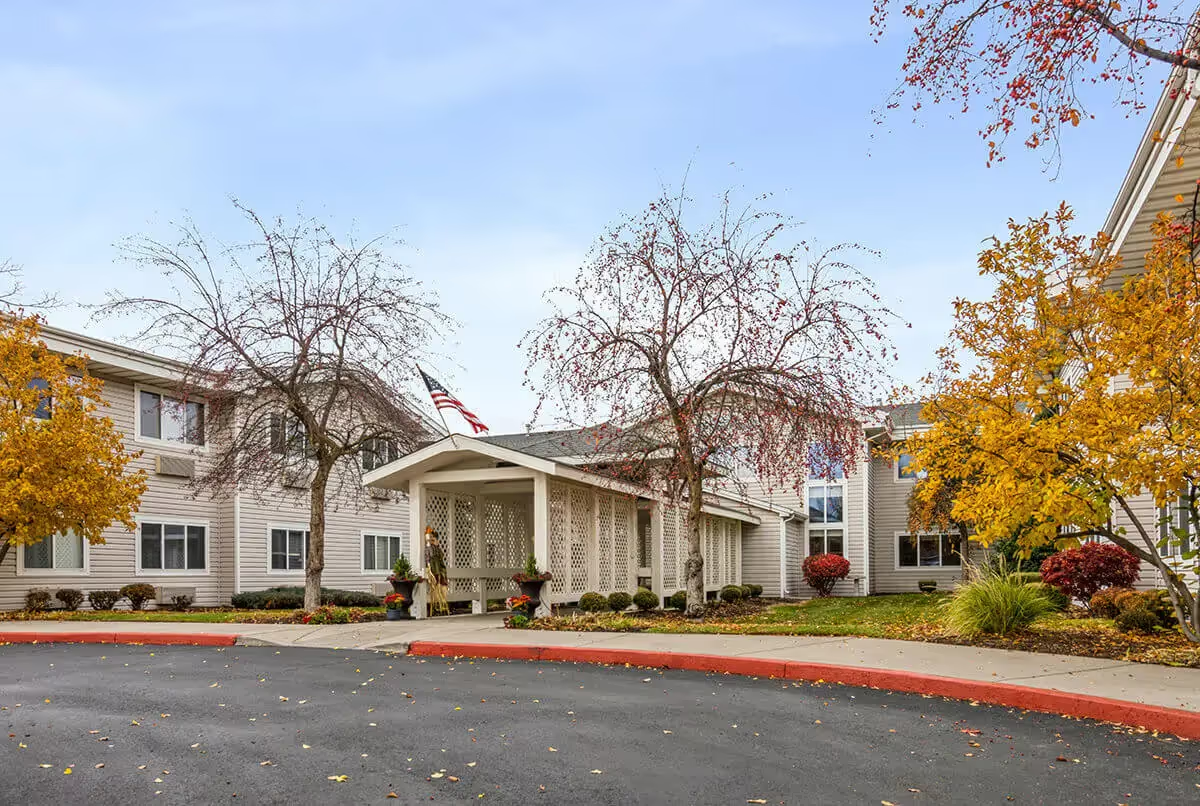
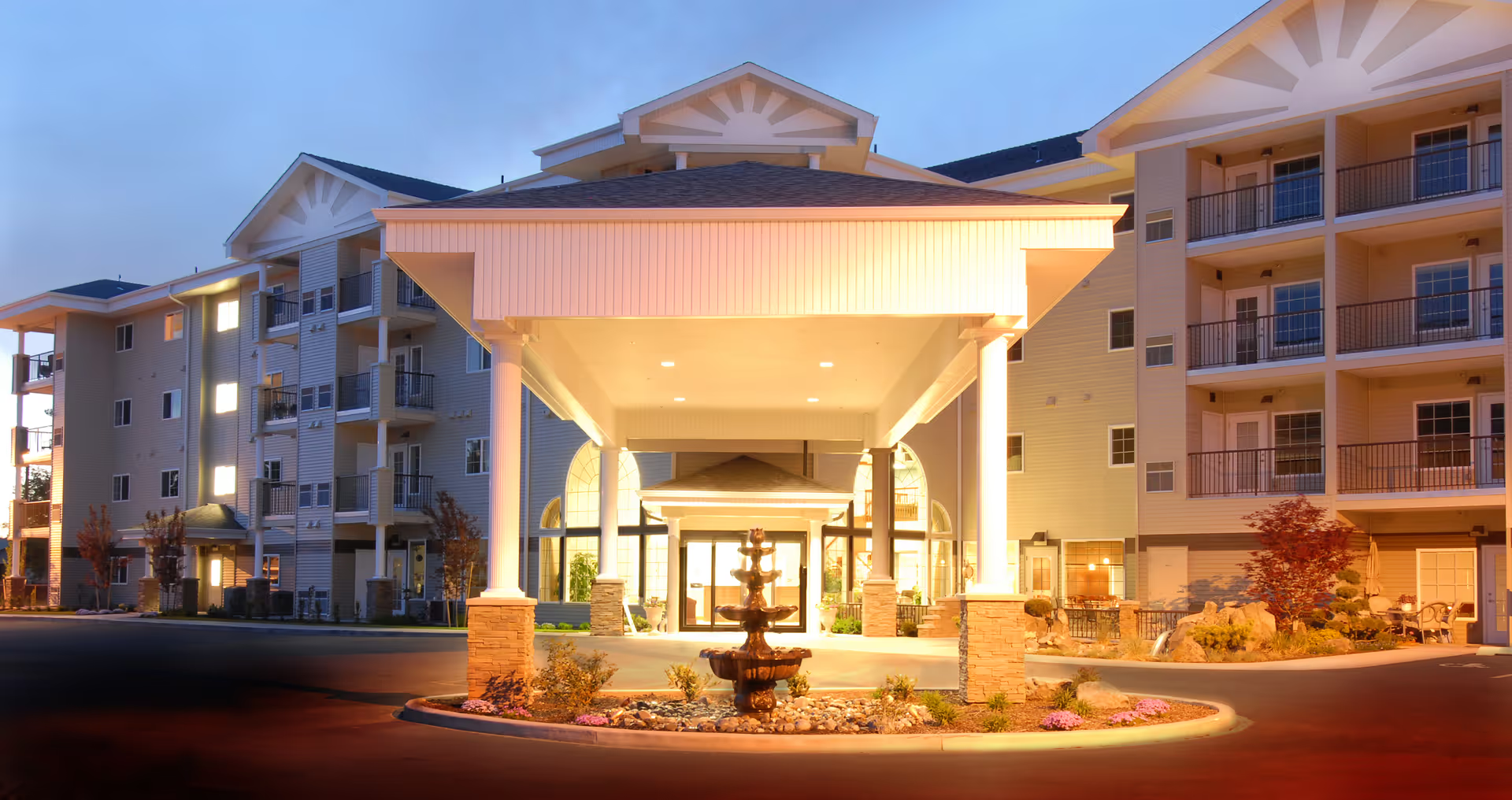
The physical campus and programming generally rate well: clean, park-like grounds, multiple building configurations (including small home–style living with garages), and numerous communal spaces. At the same time, reviewers note that the campus layout and apartment numbering can be confusing, creating navigation challenges for visitors and families. Maintenance responsiveness is another recurring operational weakness—several accounts cite slow completion of remodels and delayed hazard mitigation (for example, seasonal roof/ice issues).
Financial and managerial patterns are among the most significant concerns. The community uses a high entrance-fee model with sizable buy-ins and comparatively high monthly fees. The refund/repurchase policy is described as opaque by residents: deposits may be retained until a unit resells, with limited or no refund in the event a resident remains or dies, and there are reported fee increases over time. Reviewers advise careful contract review to clarify refund timing, resale obligations, tax implications on leased arrangements, and any mandatory billing items.
In sum, Fairwood presents clear amenities and a socially active environment with many residents and families expressing satisfaction with staff, activities, and the grounds. At the same time, consistent themes of concern—financial transparency and contract terms, maintenance timeliness, inconsistent dining, and variable staff accountability—warrant careful investigation. Prospective residents and decision-makers should (1) request the full contract and resale/refund language in writing, (2) ask for documented policies on medication administration and complaint resolution, (3) tour multiple unit types and dining services at meal time, and (4) inquire about timelines for planned remodels and routine maintenance response expectations before committing.