This facility elicits a wide range of experiences. Many reviews highlight strong hands-on caregiving, especially from nursing assistants and therapy teams; physical and occupational therapy are consistently praised for producing positive rehabilitation outcomes. At the same time, families and visitors describe recurring operational problems that affect overall quality of care.
Care quality is mixed. Positive accounts emphasize compassionate, attentive CNAs and therapists who make measurable differences in mobility and comfort. However, multiple reviewers described clinical issues including recurrent urinary infections, weight loss and skin breakdown; some families reported that infections progressed to sepsis and that wound or IV care was delayed. These accounts align with broader concerns about inconsistent adherence to clinical protocols, gaps in monitoring, and uneven wound and nutrition management.
Staffing and workforce issues are central themes. Reviews repeatedly indicate chronic understaffing, frequent staff turnover, and periods when residents waited for assistance. Where staff are present and engaged, reviewers note a family-like, empathetic culture; where staffing is thin or transient, there are reports of long unattended periods, missed medication timing, and perceived declines in basic care. Weekend and holiday coverage is described as a particular operational weak point.
Dining and nutrition receive mixed evaluations. Some visitors and residents appreciate recent, home-style meal improvements and pleasant dining spaces; others cite unreliable meal service, food-quality fluctuations, and failure to follow prescribed diets. Kitchen staffing changes were mentioned as affecting consistency. Families also raised concerns about beverage/hot-water availability and restrictions that were not substituted appropriately for residents.
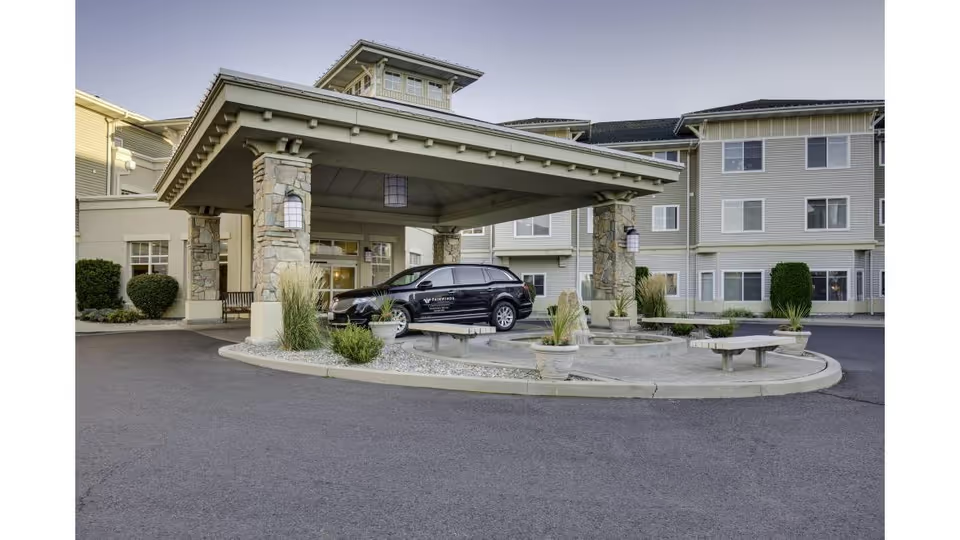
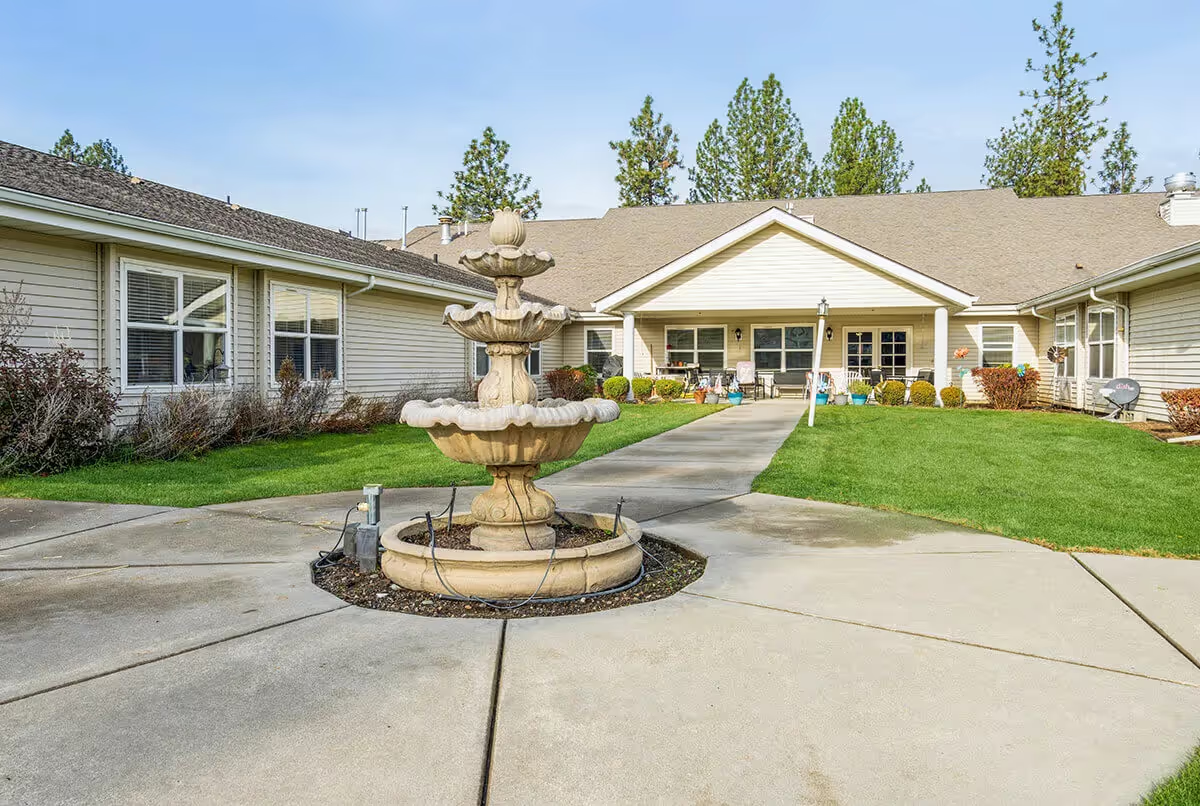
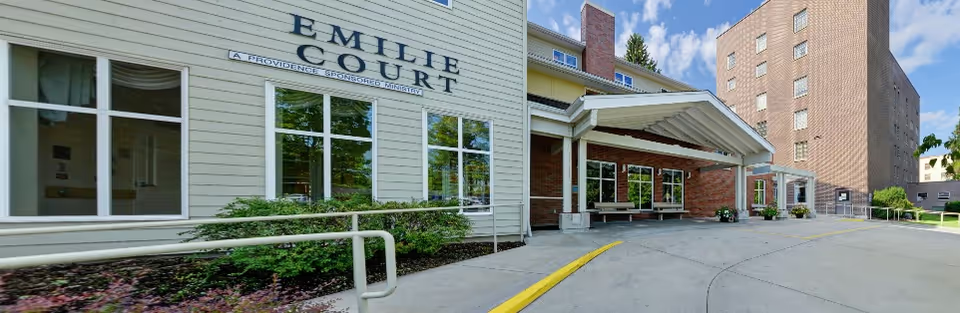
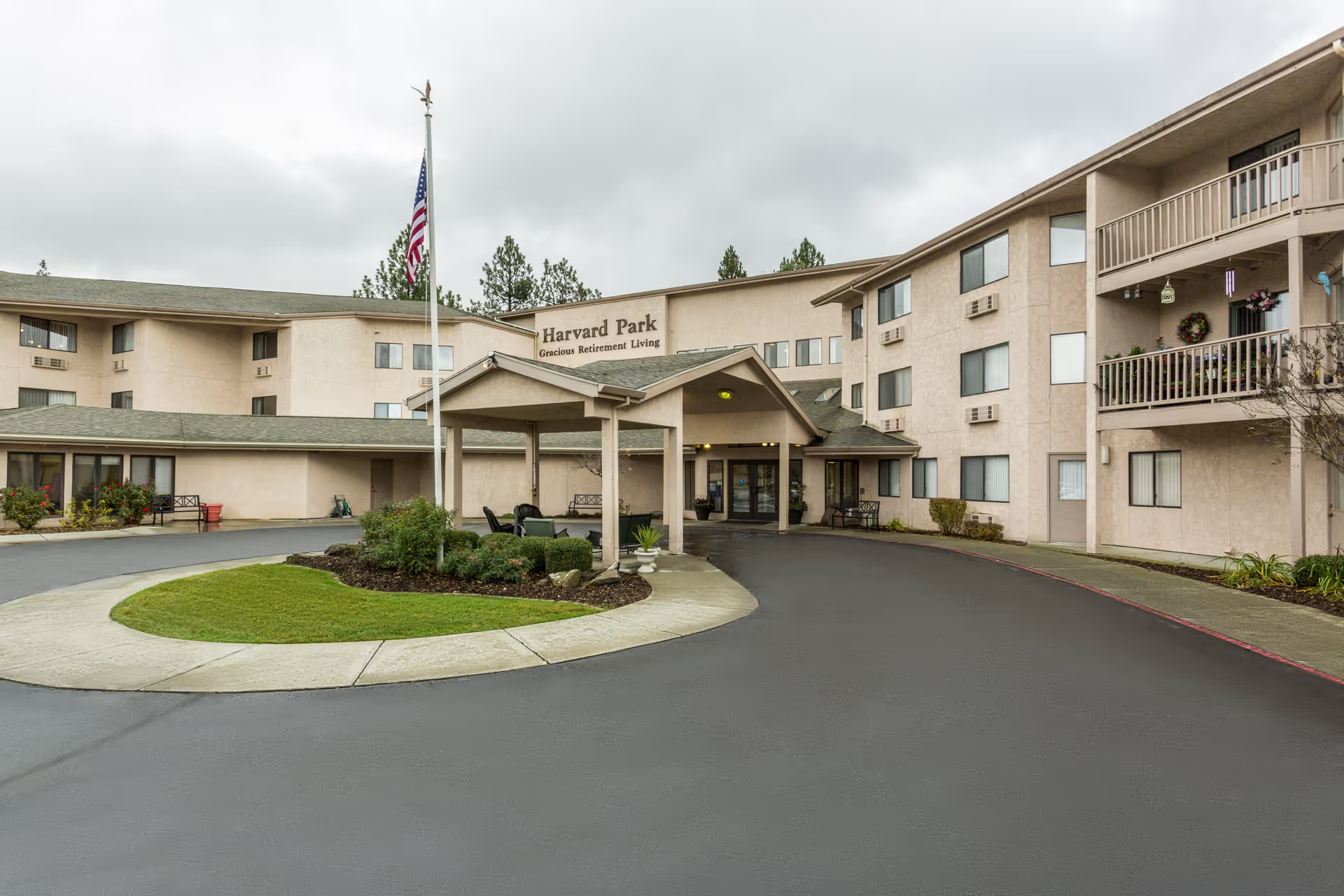
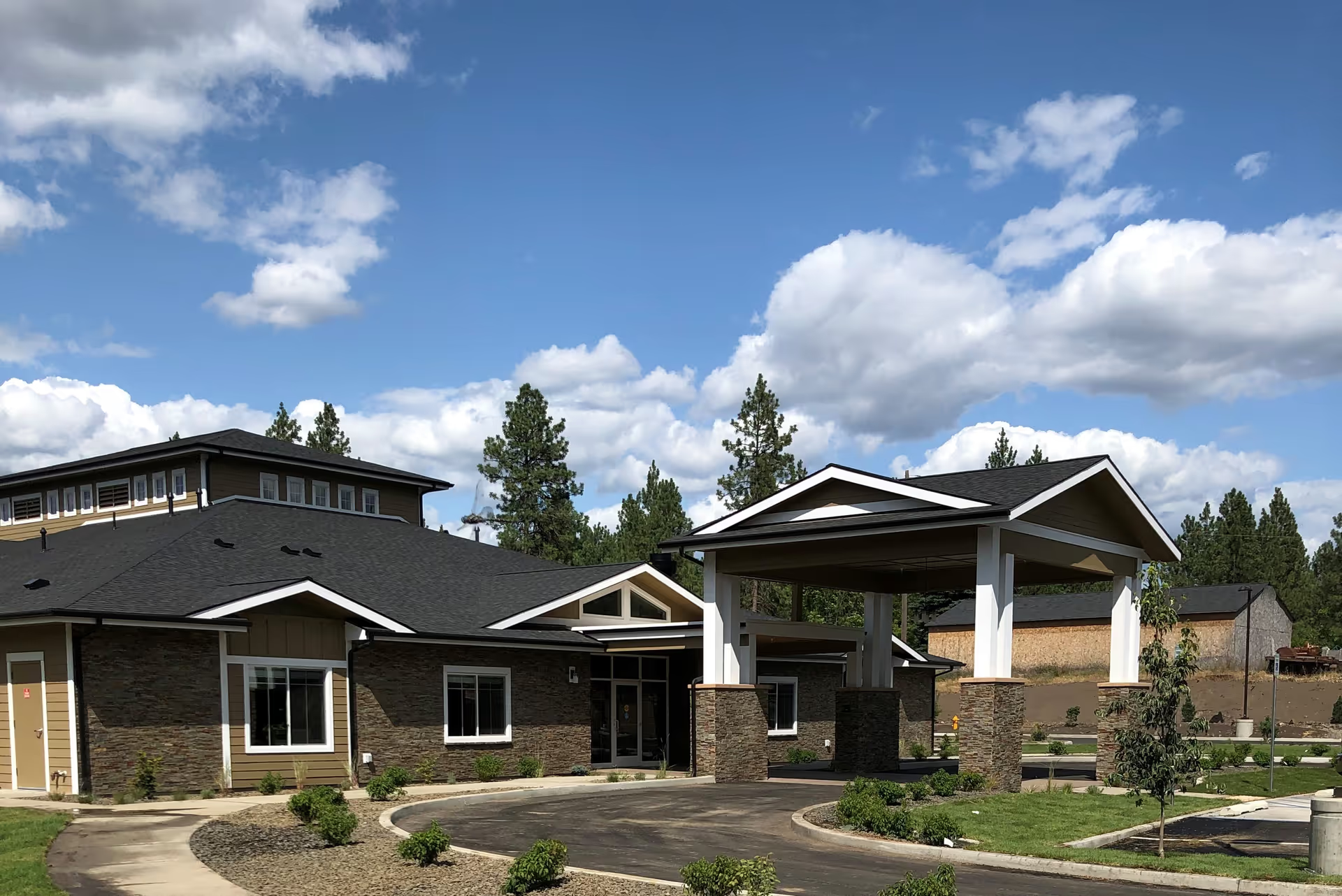
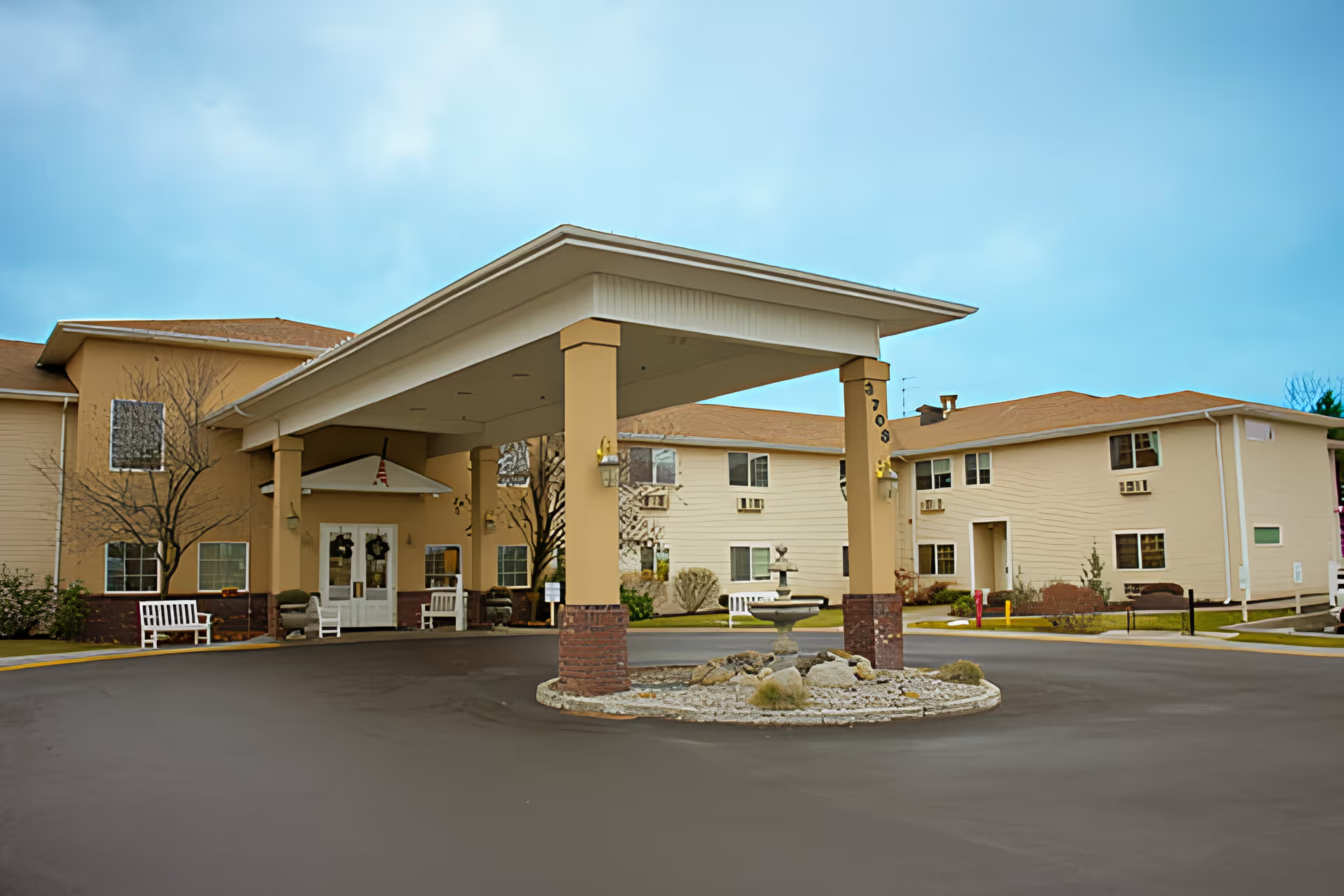
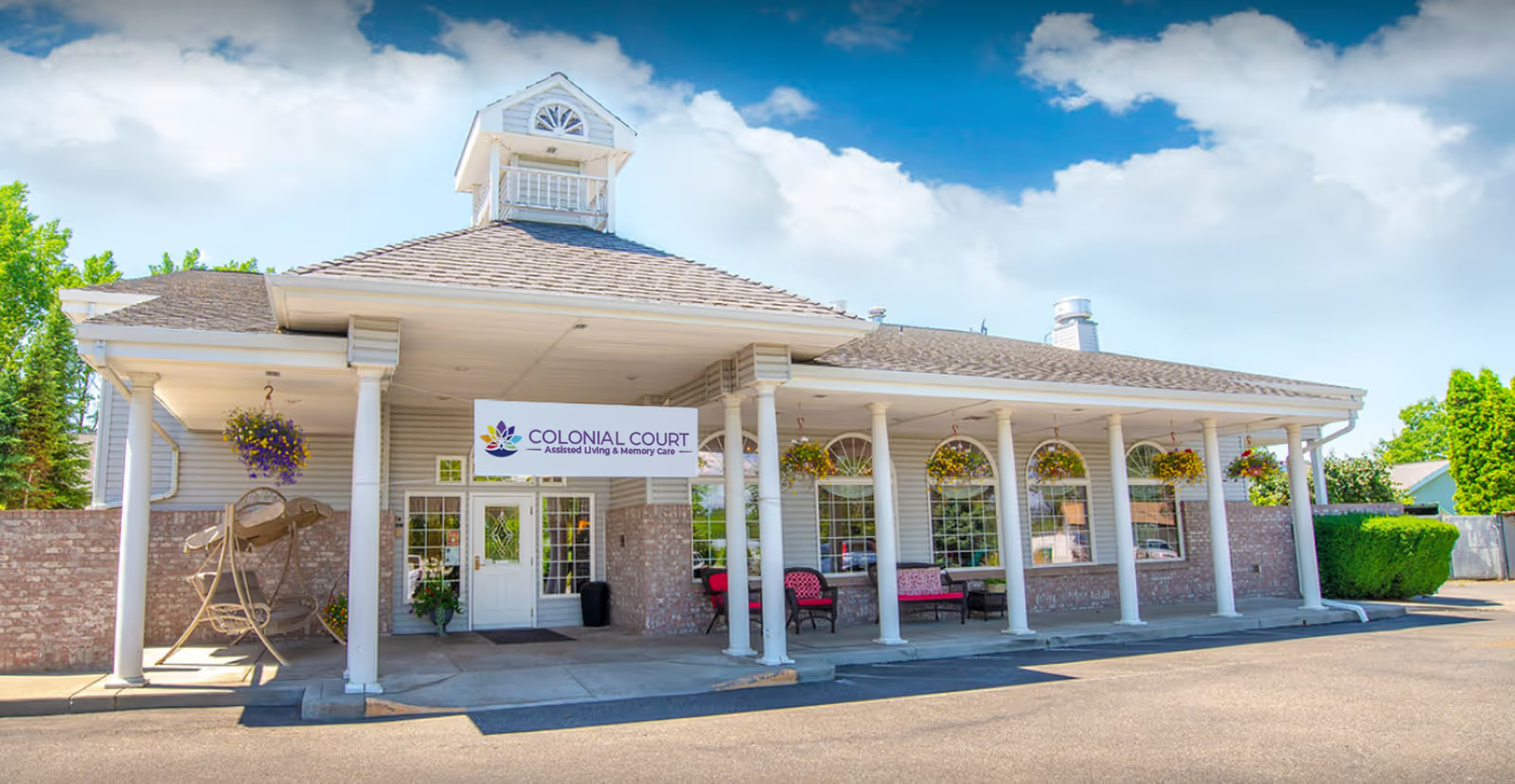
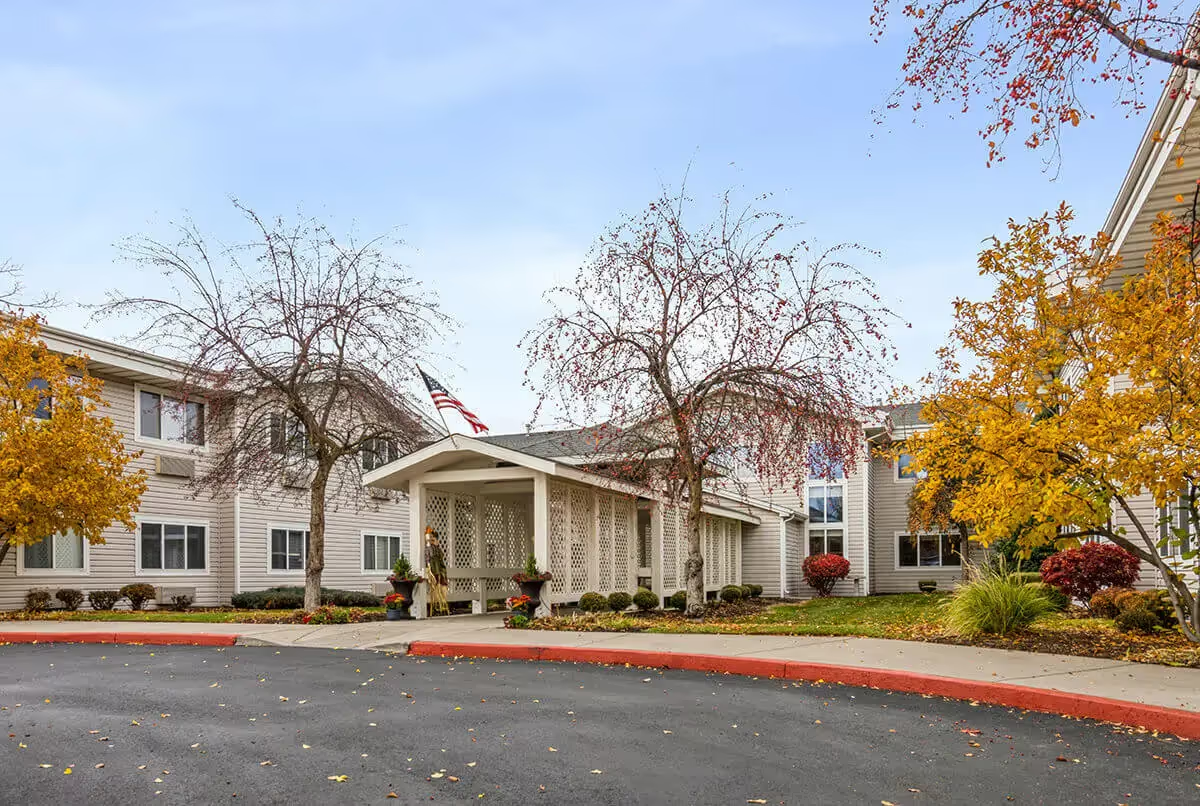
Activities, environment, and facilities are variable. The building and common areas are described as clean and well maintained by several visitors, with pleasant community rooms and holiday decorations that support visitation. Conversely, others described sanitation and odor-control concerns in certain areas, as well as pest-control worries. Activity programming beyond required therapy is often characterized as limited, leaving some residents with few social or enrichment options.
Administration and communication show inconsistent performance. Positive interactions include efficient admissions and responsive maintenance; negative ones include long phone hold times, disorganized paperwork and discharge handling, and a perceived lack of family acknowledgement. There are also serious allegations in the reviews related to privacy breaches and incident handling that merit investigation by families and regulators.
Overall pattern: prospective residents and families should weigh the facility’s strong rehabilitation services and the dedication of many frontline caregivers against persistent operational weaknesses—chiefly staffing instability, medication and clinical-protocol inconsistencies, uneven dining/diet adherence, limited activity programming, and variable sanitation/odor control. Visiting in person, speaking directly with nursing leadership about clinical protocols, staffing levels, weekend coverage, and dietary accommodations, and asking to observe mealtime and activity programming are practical steps for families considering this facility.