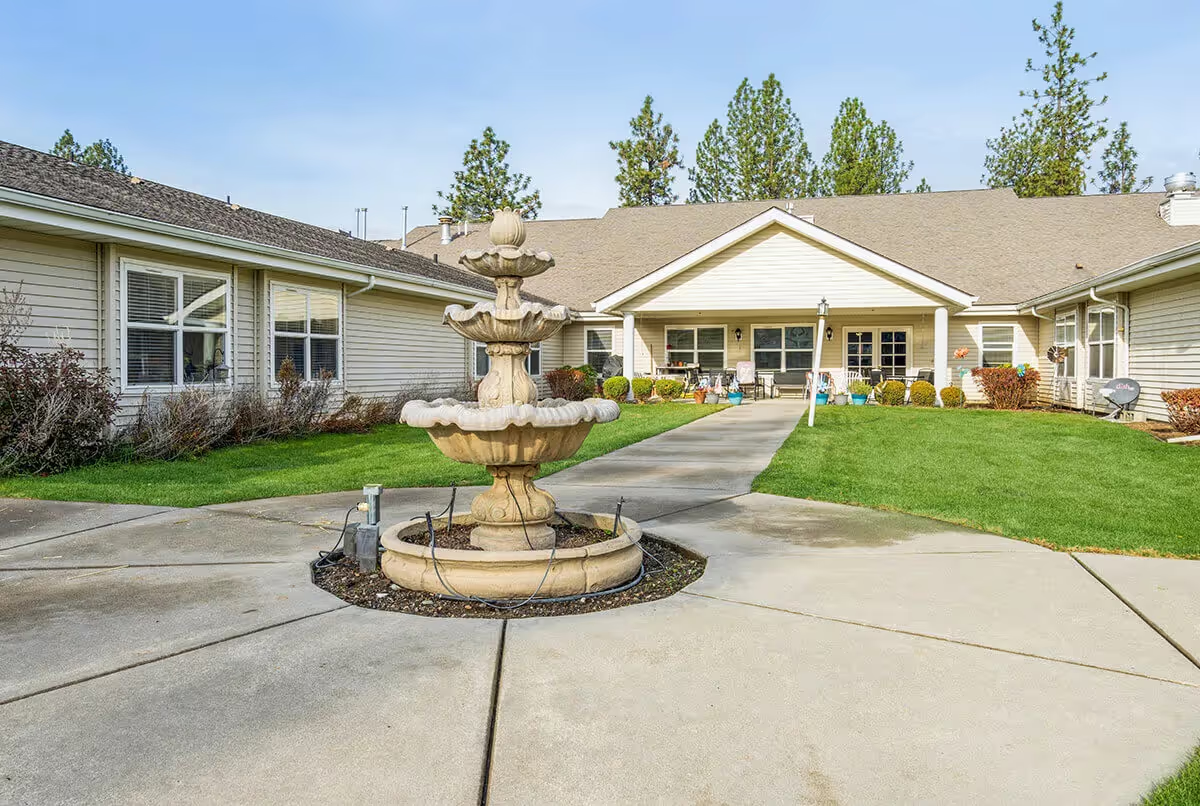
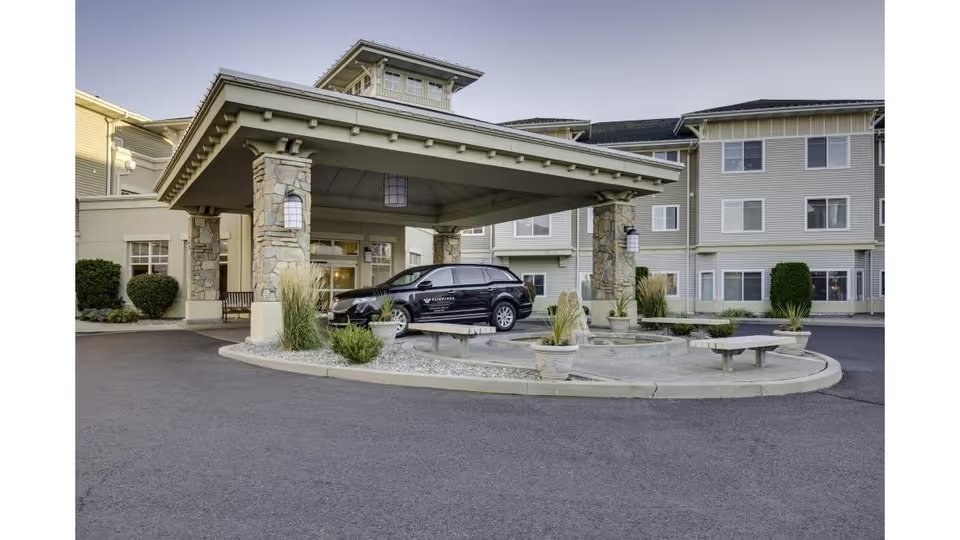
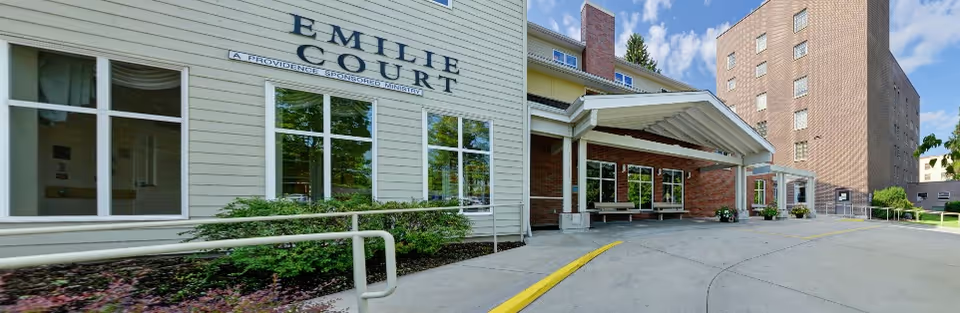
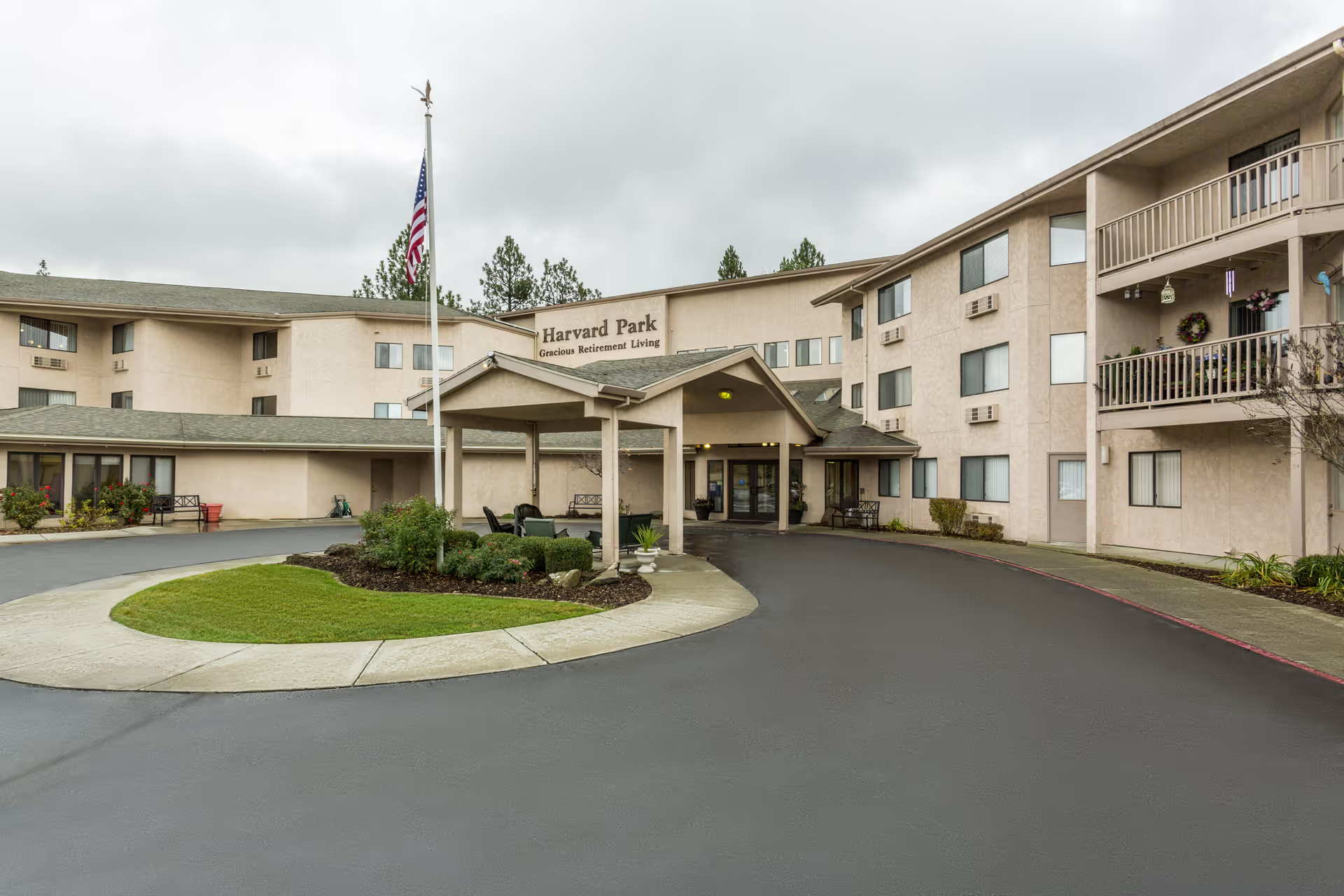
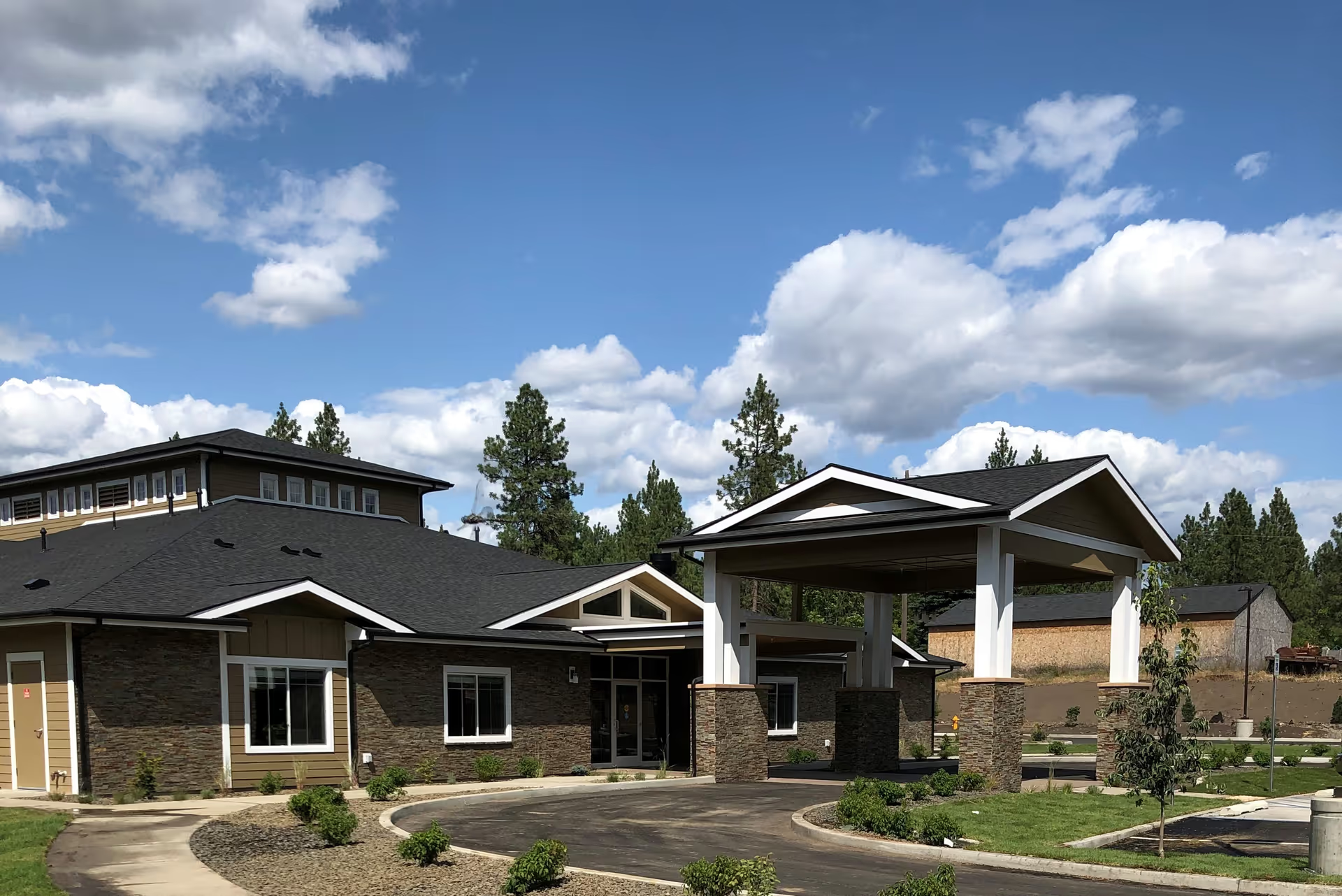
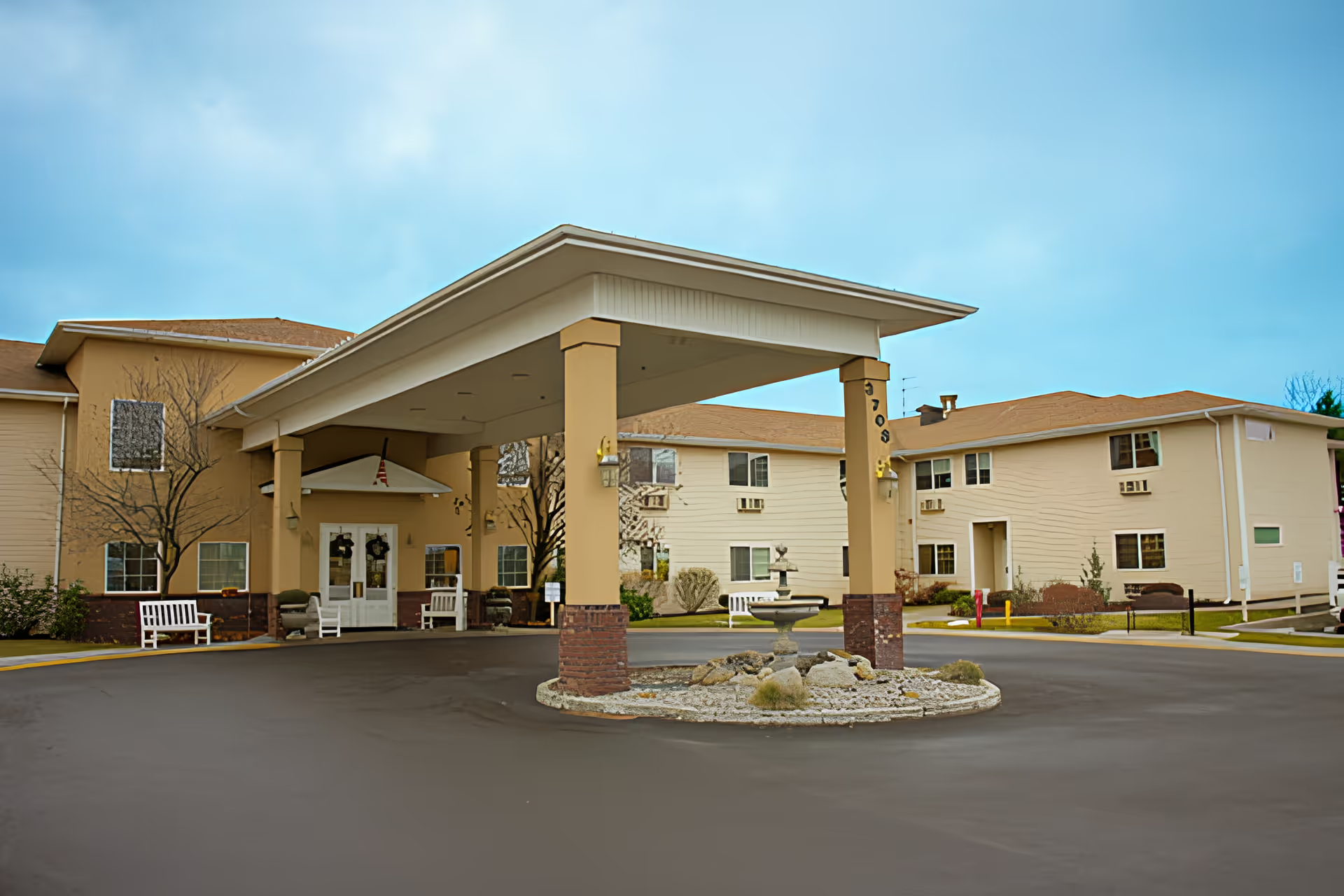
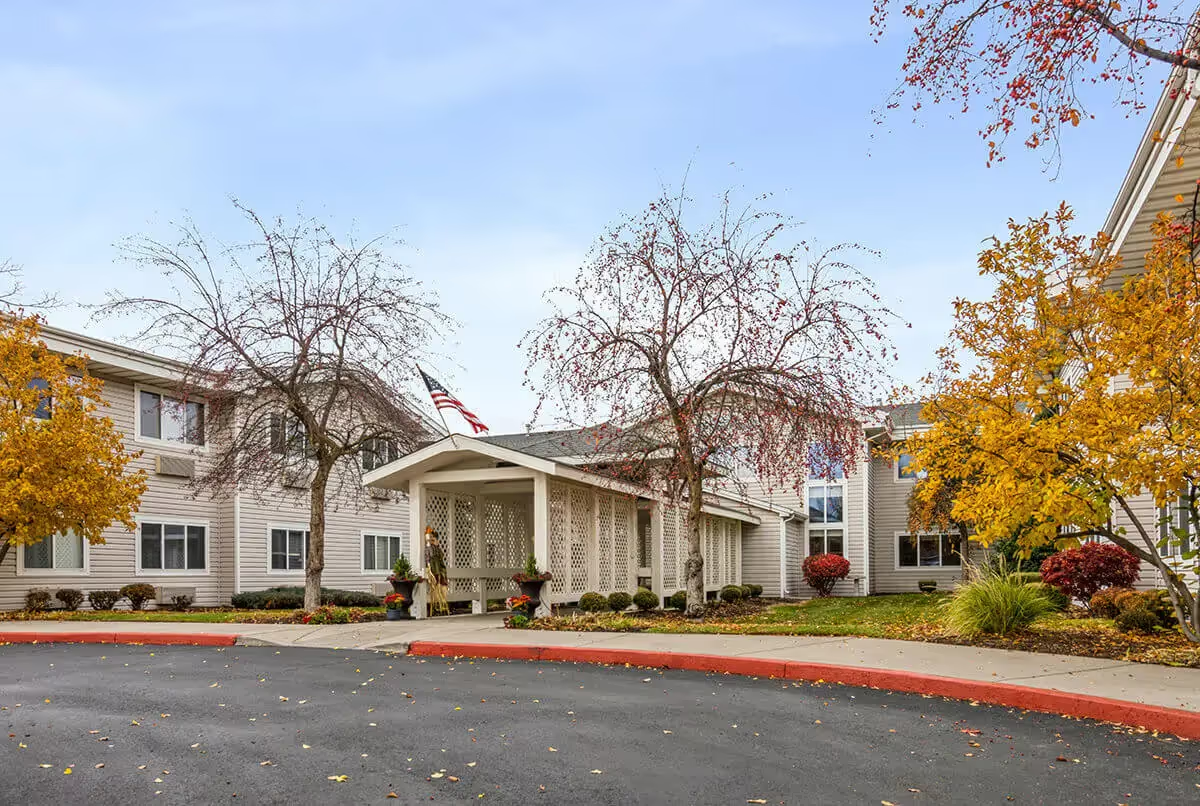
Providence Adult Family Home receives consistent praise for its day-to-day caregiving attributes: reviewers frequently describe staff as compassionate, attentive, and well trained, and they emphasize an overall clean, bright, and home-like environment. Many accounts highlight respectful interactions between staff and residents, strong family involvement, and 24/7 caregiver availability. The facility’s faith-based, family-home model and emphasis on socialization create a setting that some families describe as cheerful and comforting.
Dining and activities are commonly cited strengths. Multiple reviewers commend the home-cooked, nutritious meals prepared by an on-site chef, with specific notes about accommodating residents’ favorite foods and tailoring menus to individual preferences. The presence of a garden with organic produce, engaging social programming, and visiting medical professionals (house-call clinicians and podiatry nursing) contributes to a sense of comprehensive on-site supports beyond basic caregiving.
Facility condition and teamwork are other recurring positives: reviewers note immaculate rooms, bright communal spaces, and strong staff collaboration that supports hygiene and daily living tasks. For prospective residents not requiring specialized memory care, several families found the environment socially engaging and appropriate; staff responsiveness and hygiene practices were singled out as indicators of quality daily care.
However, there are substantive operational concerns that prospective families should weigh. Several reviewers raise issues around billing and financial transparency, including unexpected price increases, daily charges that families viewed as unclear, and contested charges for periods when a resident was absent. Some accounts go further, using the term “allegations” to describe suspected financial misconduct; this signals a need for careful contract review and strong documentation before admission.
Safety and clinical management concerns appear in other reviews. There are statements implying gaps in supervision and in incident response that culminated, in at least one account, in serious clinical outcomes and subsequent family dissatisfaction. Related to this are descriptions of inconsistent communication with families after clinical events and instances where personal belongings were reportedly mishandled during transitions. These items point to potential weaknesses in incident escalation, family communication protocols, and transition/checkout procedures.
Finally, suitability is an important consideration: multiple reviewers indicate the home is not equipped for higher-acuity memory-care needs and that its social expectations may not suit residents who require quieter or more structured memory-support programming. Some families also perceive the price point as high relative to the level of specialized clinical support available.
Recommendation: Prospective residents and families should weigh the facility’s clear strengths in compassionate, personalized, and home-style care against documented concerns about billing transparency, supervision and incident-response practices, and limitations in memory-care capability. Before admission, request a written copy of all billing policies and sample invoices, clarify procedures for clinical incidents and family notification, ask about staff training and supervision protocols, and verify the facility’s capacity to manage the prospective resident’s specific clinical and behavioral needs.