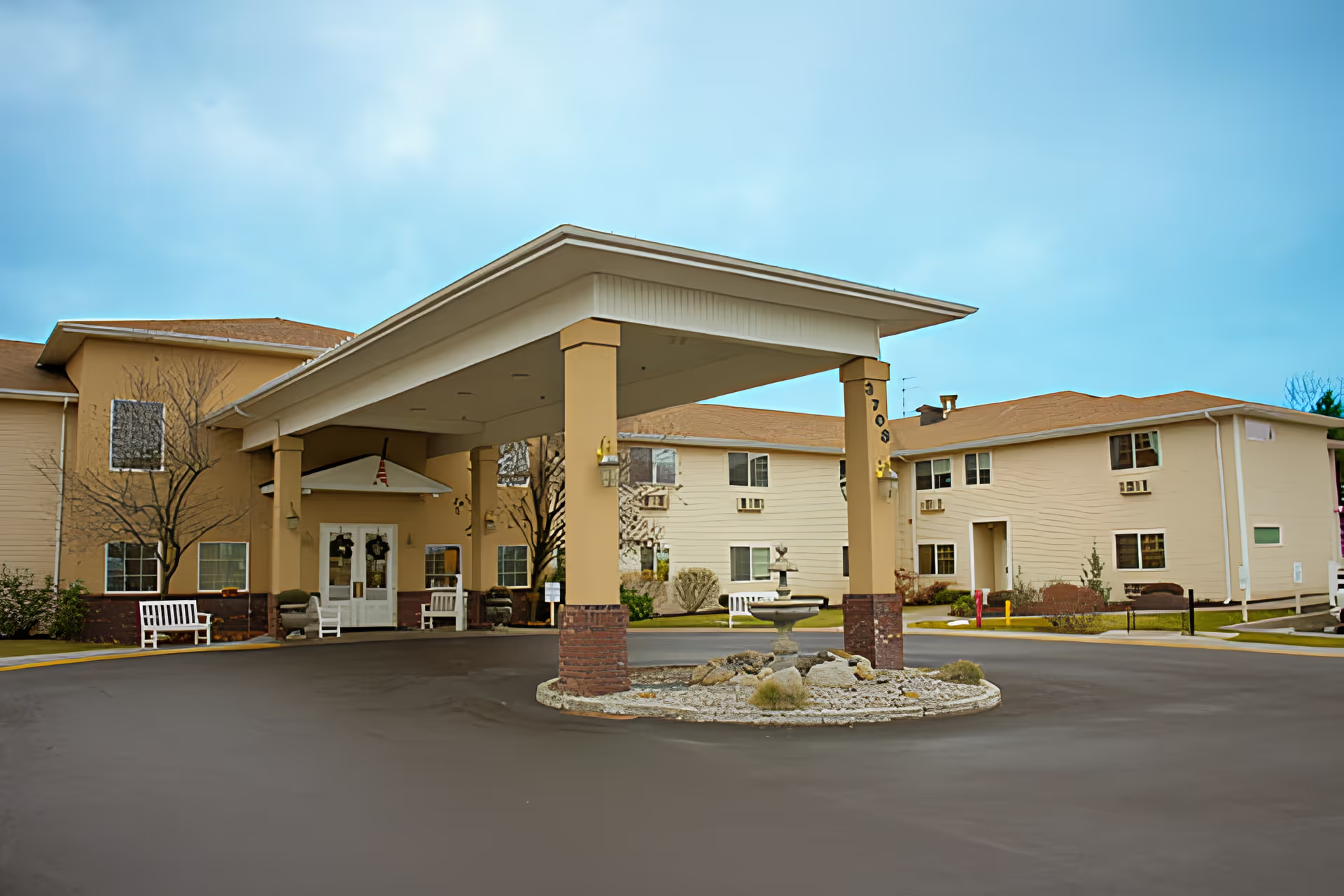
Overall impressions of Royal Park Health and Rehabilitation are mixed, with clear strengths in direct caregiving and rehabilitation alongside several operational weaknesses that prospective residents and families should evaluate. Many accounts praise the facility’s frontline staff, noting caring, patient interactions, attentive therapy teams, and an engaged activities/events coordinator who works to make stays more pleasant. The facility supports on-site rehabilitation and has a memory-care secure unit; reviewers also described the building as clean and well maintained and noted that the dining area is arranged like a home-style kitchen. The facility accepts Medicaid, which may be important for planning and access.
At the same time, a set of recurring operational concerns appears across reviews. Staffing consistency and responsiveness are uneven: reviewers described delays in assistance and long waiting times, and the facility is characterized at times as understaffed. Medication management and administration were raised as areas of concern, including timing errors and medication-delivery gaps that affected therapy sessions and comfort. Relatedly, transfer and equipment-safety practices were questioned in at least one report, indicating a need to confirm the facility’s protocols and staff training for safe transfers and equipment inspection.
Dining and nutrition present a mixed picture. Several families and residents found the food acceptable and the dining space pleasant, while others described inconsistent meal quality and difficulty obtaining therapeutic diet options such as diabetic menus or timely access to a nutritionist. This suggests variability in meal preparation and in the facility’s ability to accommodate specialized dietary needs. Activities and engagement appear to be a relative strength when the events coordinator is active, but overall programming consistency was less frequently described and may vary with staffing.
Administrative and care-coordination issues were also noted. Reviewers described cumbersome appointment and scheduling processes, including bottlenecks around who manages appointments, and gaps in discharge planning and transportation assistance for follow-up care. Several comments pointed to inconsistent family communication, creating a need for family advocacy to ensure care plans and dietary or medication requests are followed. A small number of reports described staff conduct or security practices that contributed to a restrictive or institutional atmosphere for some families.
Taken together, Royal Park shows strengths in hands-on caregiving, rehabilitation services, and a clean, secure setting for memory care, but families should probe operational areas during a tour: ask about staffing ratios and plans for peak times, medication administration protocols and error-prevention measures, transfer-safety training and equipment checks, specific dietary accommodation procedures and nutritionist availability, discharge and transportation processes, and how appointments and family communications are managed. Those steps will help determine whether the facility’s strong interpersonal care and rehab services align with a prospective resident’s clinical and logistical needs.