Overall impression: Reviews portray Sarenac Home Care AFH as a small, family-run adult family home that emphasizes a homelike environment, individualized attention, and high standards of cleanliness. Families repeatedly cite compassionate, respectful caregiving, often describing staff as attentive, patient, and closely involved in daily needs. Reviewers note clinical benefits for some residents, including improved well-being and active monitoring during health changes; hospice and end-of-life care are also highlighted as areas of competence.
Care and staff: Care quality is consistently characterized as personalized and continuity-driven. The owner is described as actively involved in day-to-day care, and reviewers frequently mention consistent caregivers who develop relationships with residents. Communication with families—daily updates and thorough needs assessments—is another recurrent positive, and many families credit staff with effectively coordinating outside medical appointments and adjusting care plans to resident needs.
Dining and activities: Dining is a clear strength. Meals are homemade, served hot and family-style, and menus are described as planned with resident preferences in mind; reviewers also mention special desserts and celebrations for birthdays and holidays. Socialization and activity offerings receive positive mention: residents are depicted as engaged, included in celebrations, and benefiting from a family-like atmosphere that supports social interaction.
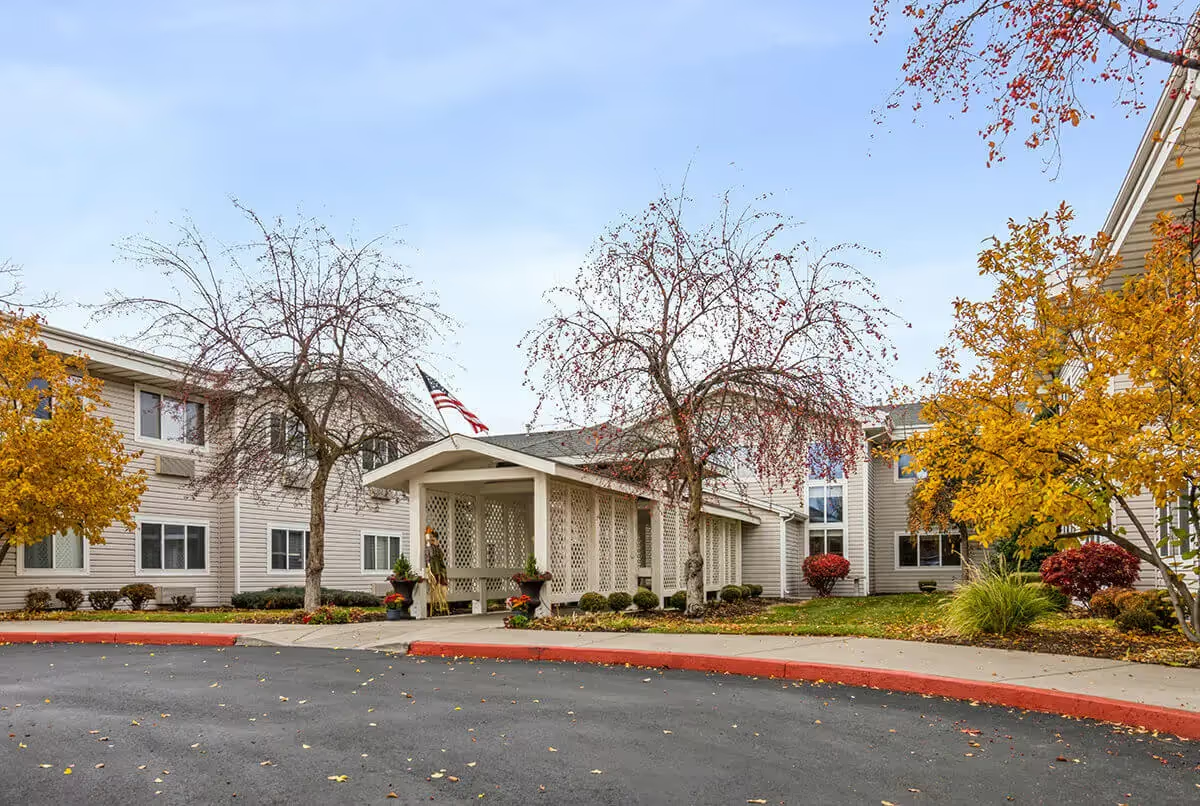
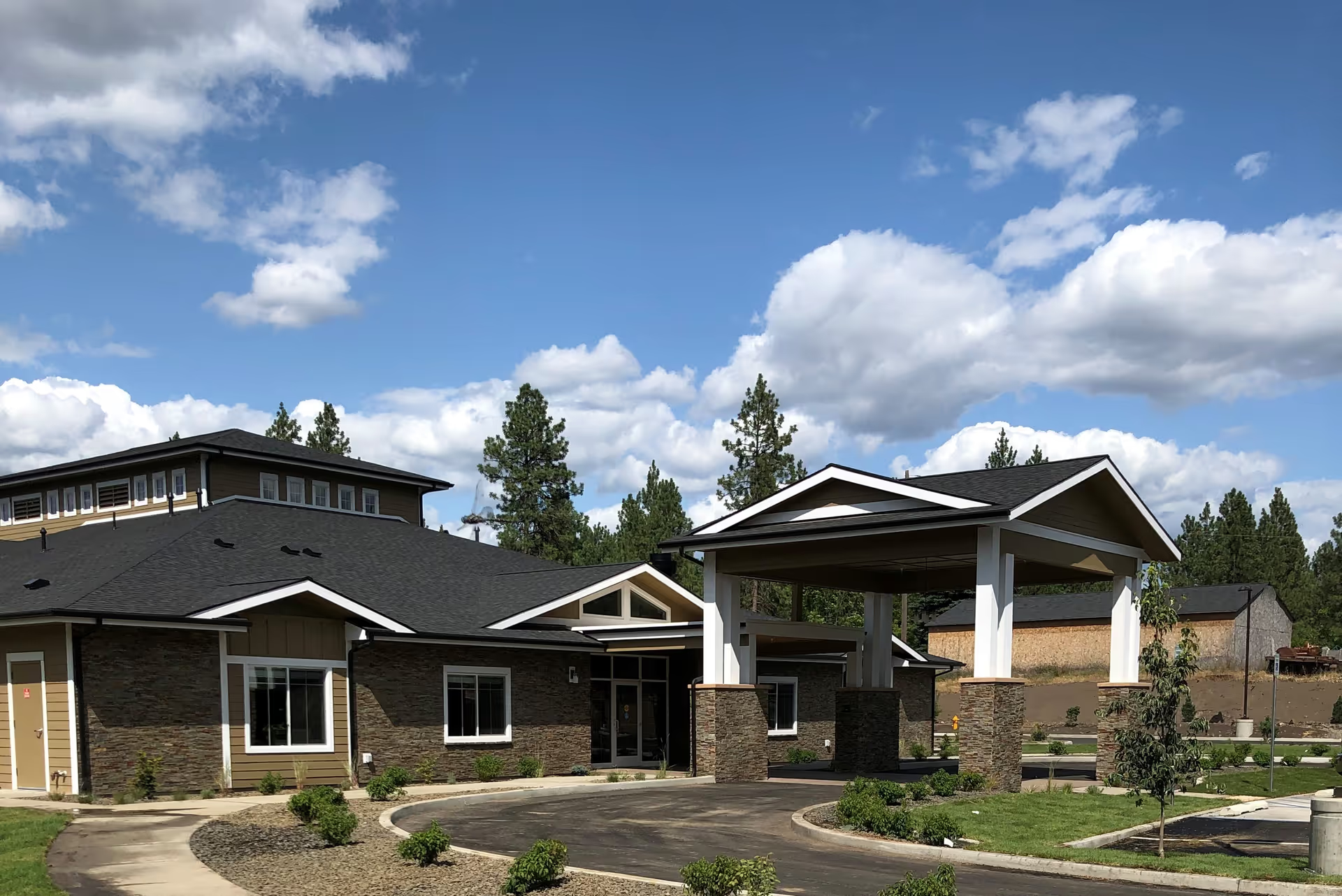
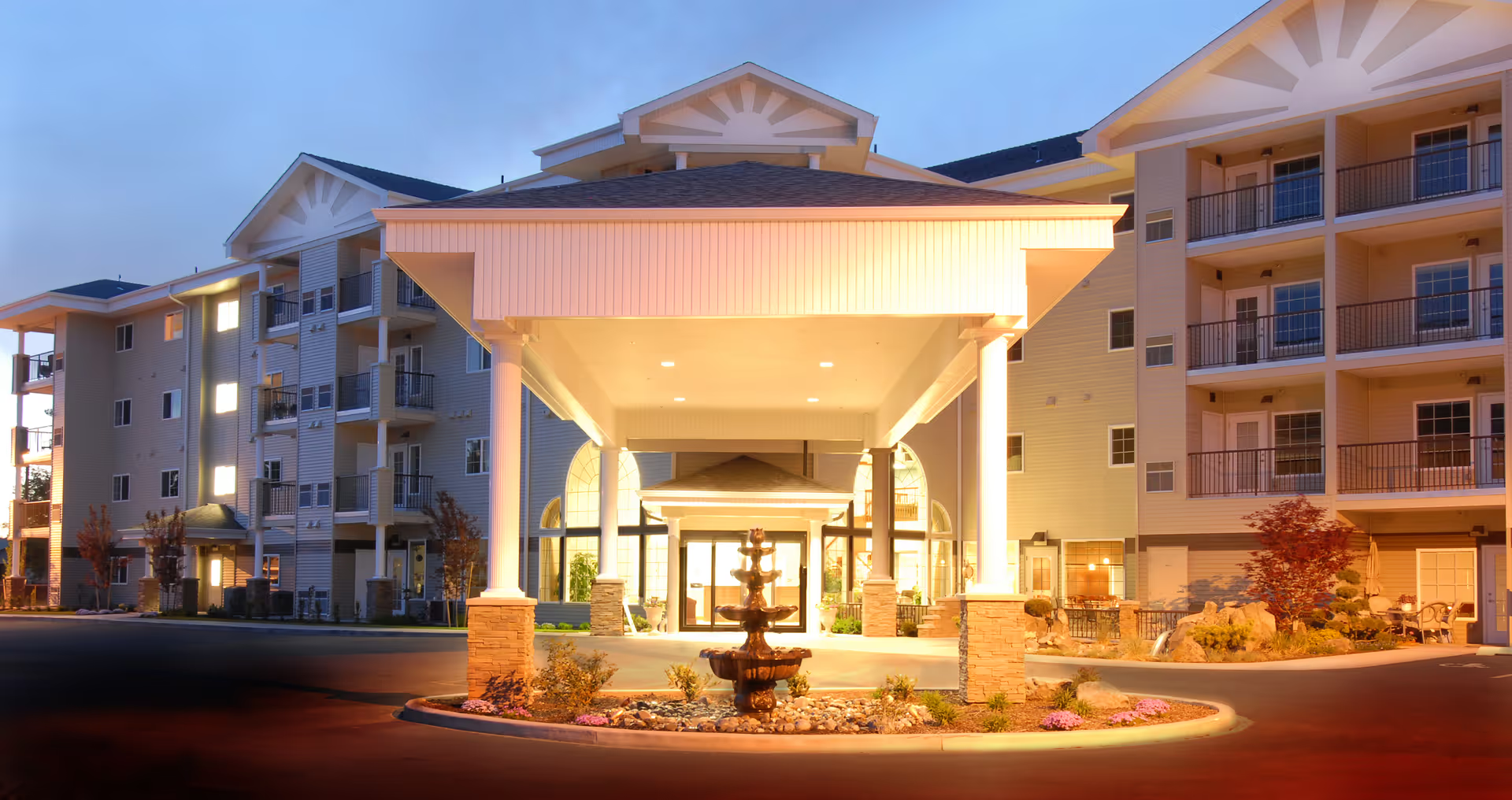
Facilities and housekeeping: The physical home is consistently described as clean, well-maintained, and uncluttered. Private rooms, large windows, and accessible bathrooms with roll-in showers are noted features. Reviewers emphasize a tidy kitchen and spotless common areas, contributing to a comfortable, home-like setting.
Management and operational patterns: While many families praise the hands-on owner and dedicated caregivers, a pattern of management-related concerns appears. Several accounts describe a direct or brusque communication style from management, and there are questions about the facility’s private-pay policies—specifically pricing levels, multi-year private-pay expectations, and limitations around transitioning residents to Medicaid. Availability is another operational constraint: the home can have a waitlist and limited openings, which may delay placement.
Notable patterns and decision factors: For prospective residents and families, strengths to weigh include individualized, compassionate care; strong family communication; home-cooked dining; and clean, accessible accommodations. Operational caveats to consider are the facility’s private-pay contract approach, potential limits on insurance transitions, possible variability in how visitation/outings are handled, and limited bed availability. Overall, the facility receives substantial praise for its caregiving and environment, balanced by practical considerations about cost, contract terms, and admissions timing that families should review before placement.