Overall impression: Reviews portray Spokane Health & Rehabilitation as a facility with notable strengths in hands-on caregiving and rehabilitation, alongside persistent operational weaknesses. Many families emphasize compassionate bedside care, effective occupational and physical therapy (especially the MedBridge short-term rehab wing), and a welcoming environment for visitors and pets. At the same time, a pattern of concerns emerges around staffing reliability, clinical coordination, and some aspects of daily operations that affect resident safety and comfort.
Care and staff: Caregiver compassion and individualized attention are frequent positives; nursing aides, therapists, and some nurses are repeatedly praised for their responsiveness, encouragement, and ability to help residents regain independence. The therapy teams receive consistent commendation for producing measurable functional improvements and preparing families for home care. However, reviewers also describe uneven clinical consistency linked to high turnover and heavy use of agency nursing staff. This staffing variability is associated with delayed medication administration, documentation gaps, and strained handoffs between shifts and disciplines, which families cited as a primary source of concern.
Dining, activities, and ancillary services: The facility’s activity program, recreation therapy staff, and social opportunities are commonly highlighted as strengths that aid socialization and recovery; amenities such as therapy-dog visits, acceptance of family pets, hairdressing, nail care, and pastoral visits were well received. Dining experiences are mixed—some praise accommodating staff and home-style options, while others report inconsistent meal quality and limited availability of diabetic or specialty diet items. Families frequently note that kitchen staff can be accommodating, but also that inventory limitations or menu variability affect meal reliability.
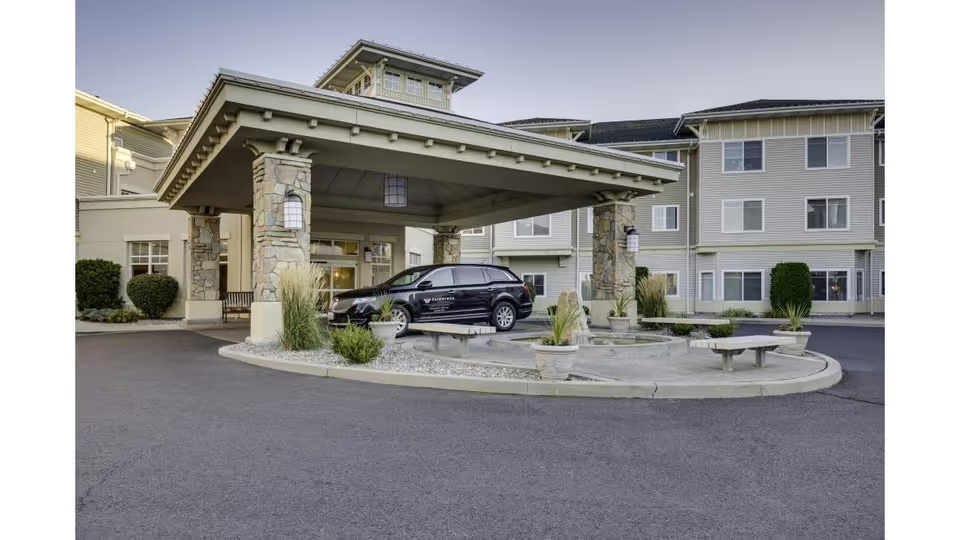
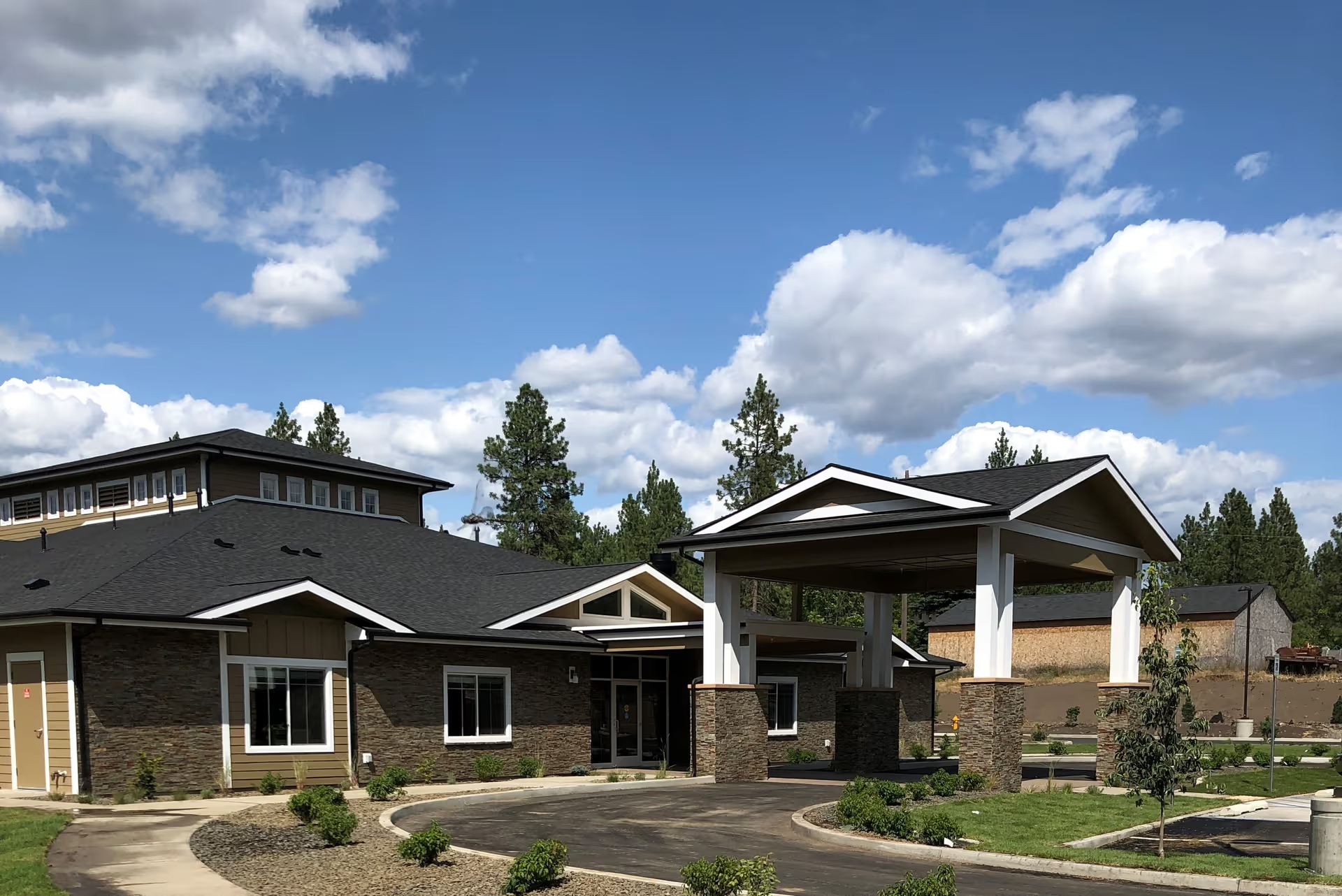
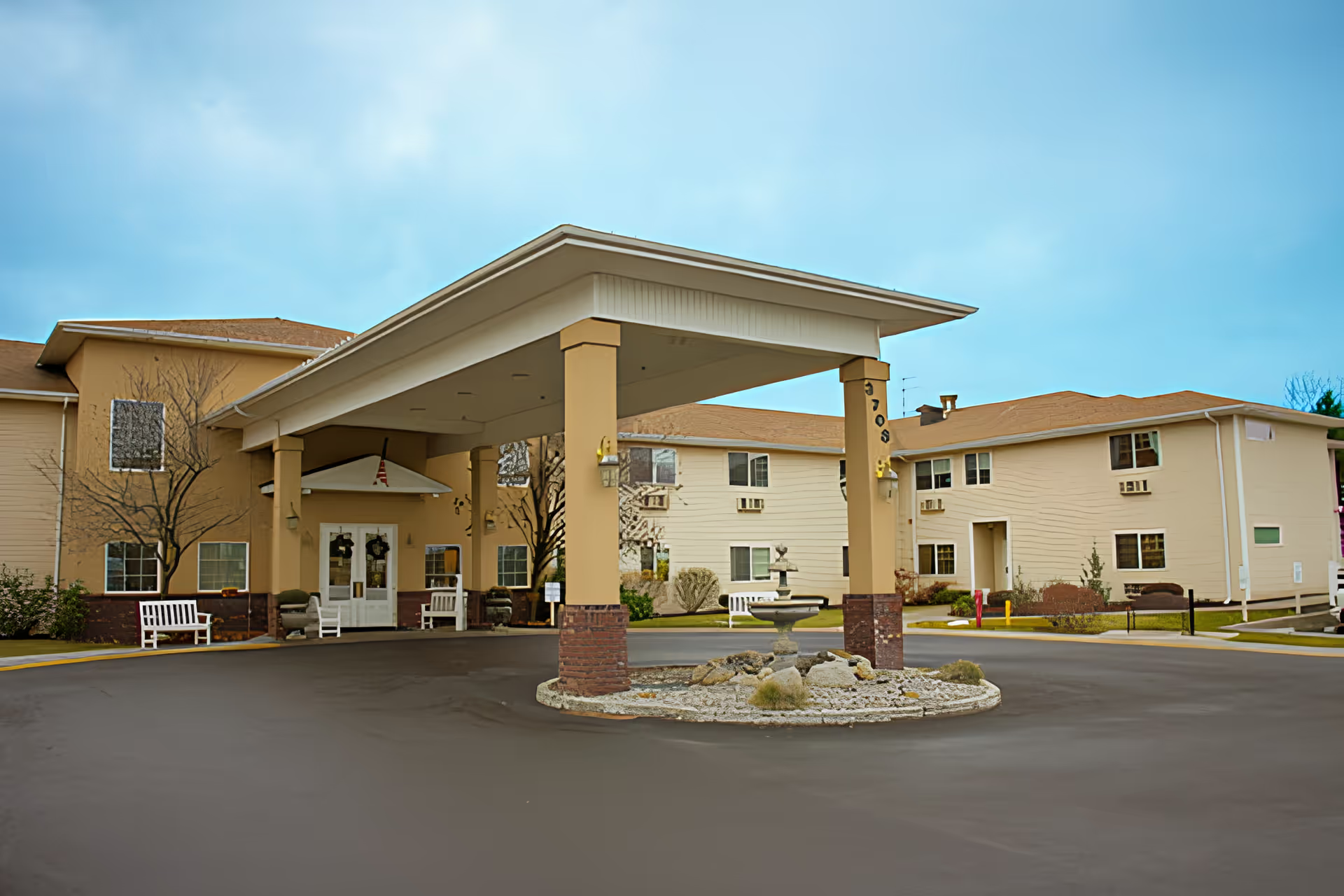
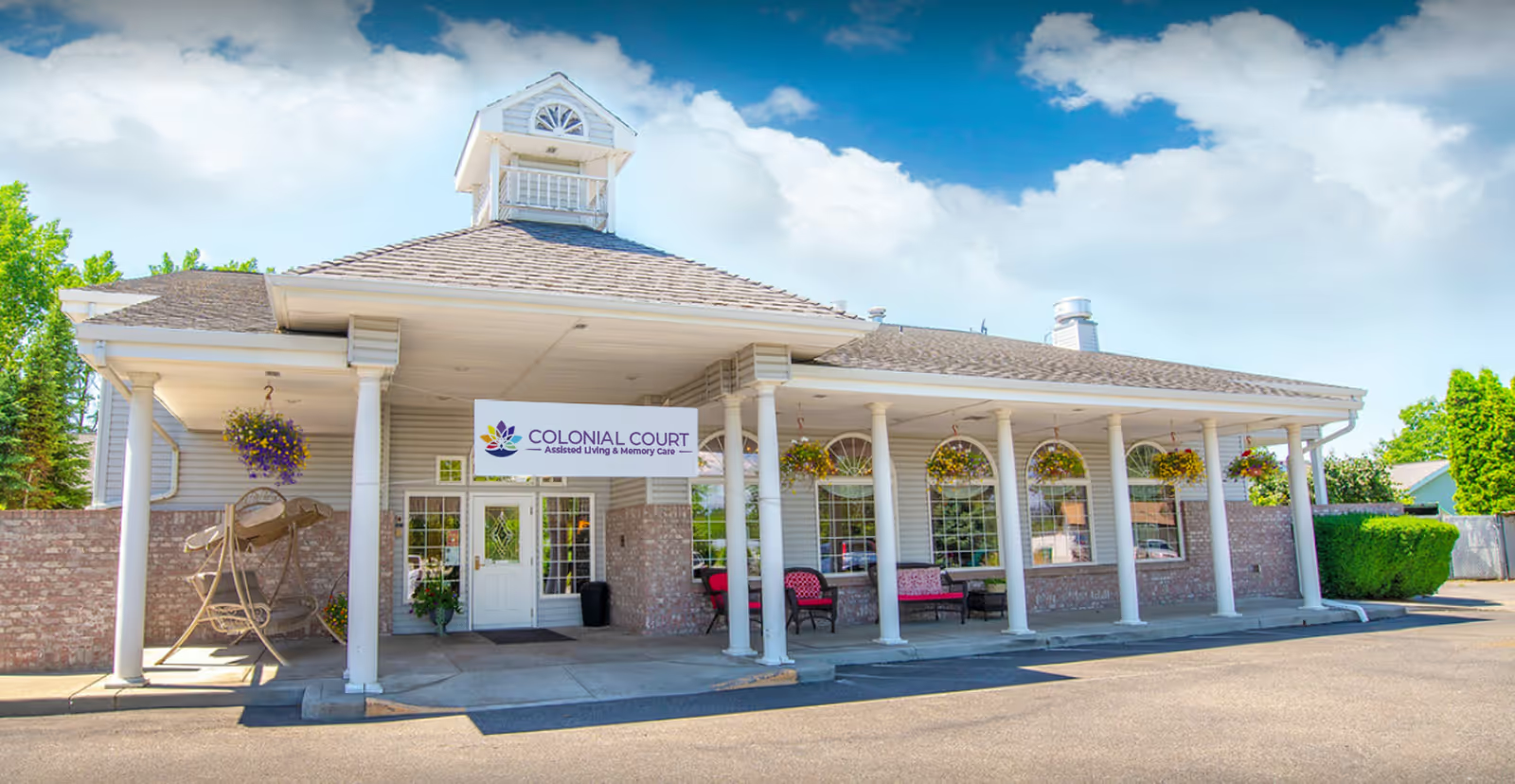
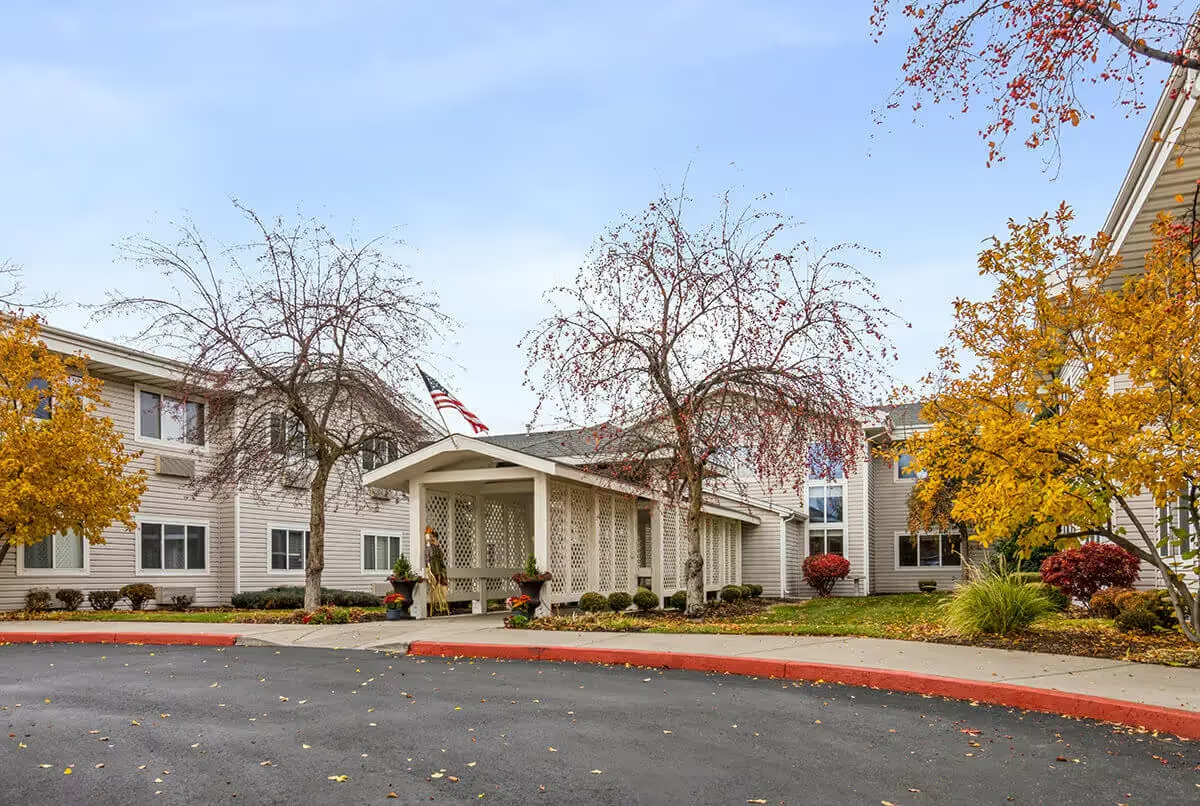
Facilities and safety: Physical space and cleanliness receive both positive and critical comments. Many reviewers describe clean, quiet rooms, good parking, and a single-level, accessible layout; others cite sanitation concerns in parts of the building and inconsistent housekeeping standards. Safety-related themes include delayed call-light responses, inconsistent assistance with transfers and bathroom needs, fall-safety and post-fall procedures that appear uneven, and occasional equipment or supply issues. Reviewers also raised concerns about security and entry control in some instances.
Management and patterns: Administrative responsiveness is variable. Several families praised proactive leadership, regular family communication, and hands-on involvement by an engaged administrator and director of nursing. Conversely, others describe an indifferent managerial response to complaints, billing and Medicare/bed-hold complexity, and perceived prioritization of throughput or ownership-level decisions over individualized care. There are also isolated but serious allegations concerning misconduct and post-incident handling that merit attention and, where appropriate, further inquiry by regulators or family advocates.
What to weigh as a prospective family: Spokane Health & Rehabilitation demonstrates clear capability in rehabilitation and compassionate direct care, particularly when staffing is stable and therapy teams are engaged. Prospective residents and families should evaluate current staffing patterns (including agency usage), ask about medication-safety protocols and handoff procedures, clarify dietary accommodations, and review bed‑hold/insurance processes. Visiting at different times and speaking with therapy staff, the administrator, and current family members can help assess whether the facility’s operational improvements meet your expectations for safety and consistency.