Overall impression: Reviews describe a facility with strong caregiving strengths alongside persistent operational weaknesses. Many families and residents praise the bedside care, particularly from skilled RNs, CNAs and supplemental travel nurses; end-of-life and hospice support receives repeated positive mention. At the same time, recurring themes point to variability in day-to-day execution that affects clinical safety, responsiveness and family communication.
Care and clinical oversight: Clinical skill is present in the facility—several accounts describe knowledgeable, compassionate nursing and positive outcomes during rehabilitation and palliative episodes. However, reviewers also describe gaps in medication-management, wound care and infection-control processes, and delayed escalation in some urgent situations. Rehabilitation and therapy availability appears to be inconsistent and in some cases is affected by payer constraints (for example, changes after Medicaid transitions), which has led to reduced therapy services for some residents.
Staff and communication: Staff behavior and communication are among the most polarized topics. Many reviewers describe attentive, professional and helpful staff who supported families through difficult times. Conversely, other reviews document incidents of poor tone, slow responsiveness and inconsistent updates to families. High staff turnover and reliance on agency personnel are cited as contributors to variable care continuity. Payroll and employee-compensation practices are also a recurring concern, with several accounts describing confusing bonus or pay arrangements that affected staff morale and trust.
Dining and activities: The facility offers regular activities and an active community center; grounds and seasonal landscaping are appreciated. Dining experiences are mixed: some residents and families praise meals and attentive dietary staff, while others describe small portions, inconsistent meal quality and limited fresh fruit availability. Allergy awareness and individualized dietary support are highlighted as a positive in some reports.
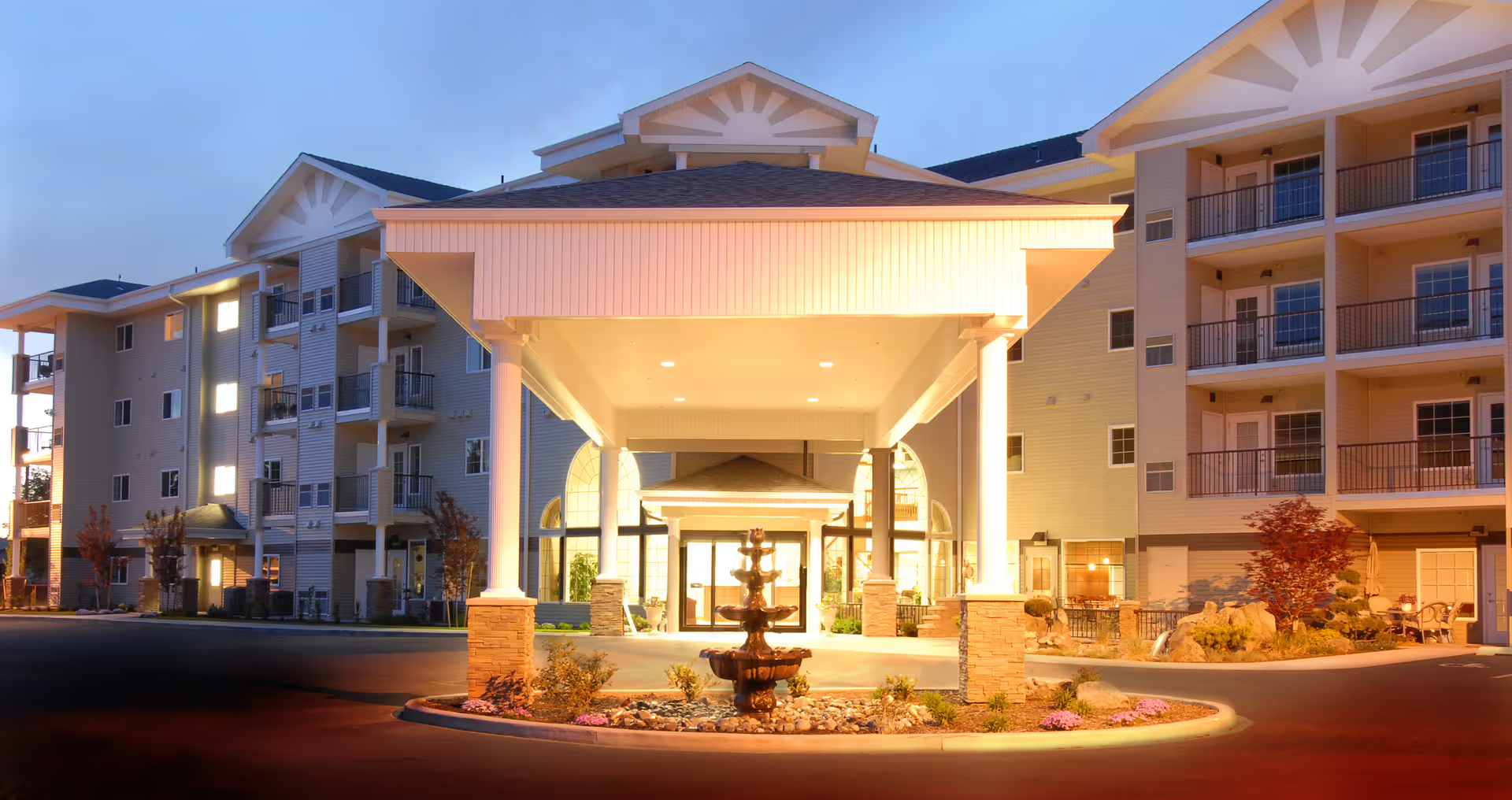
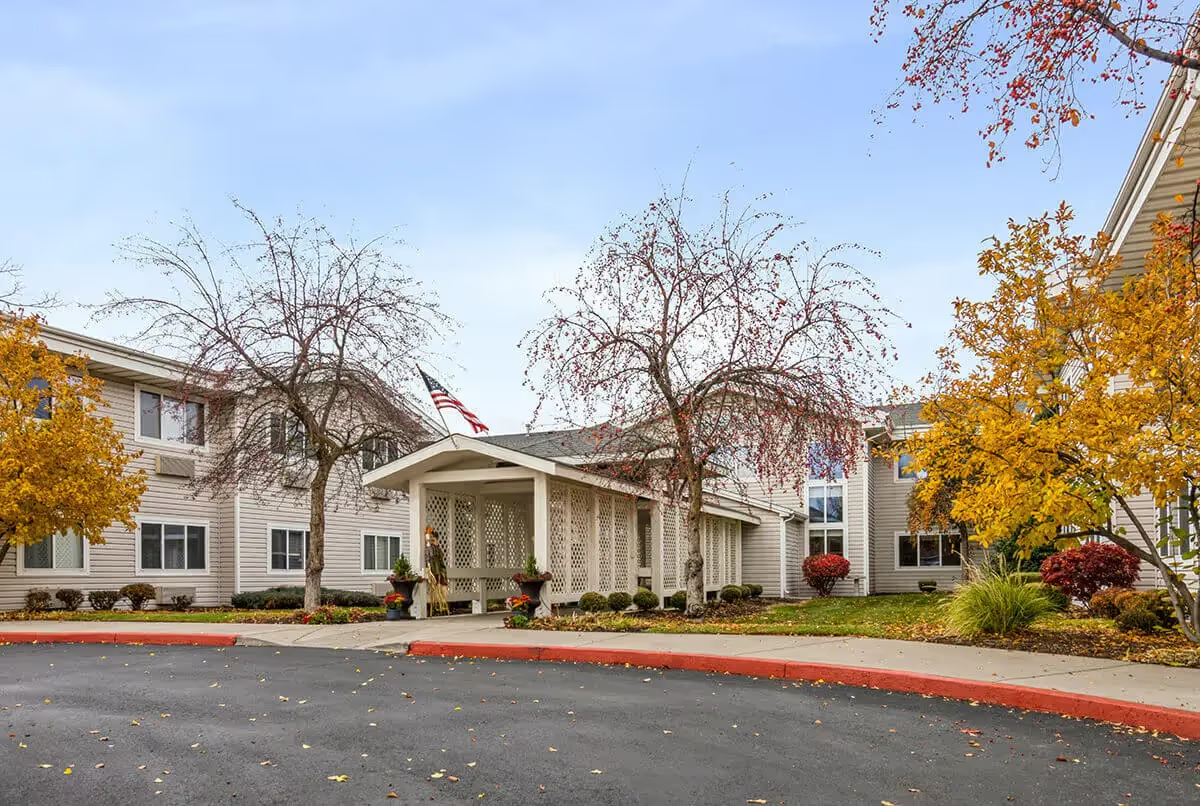
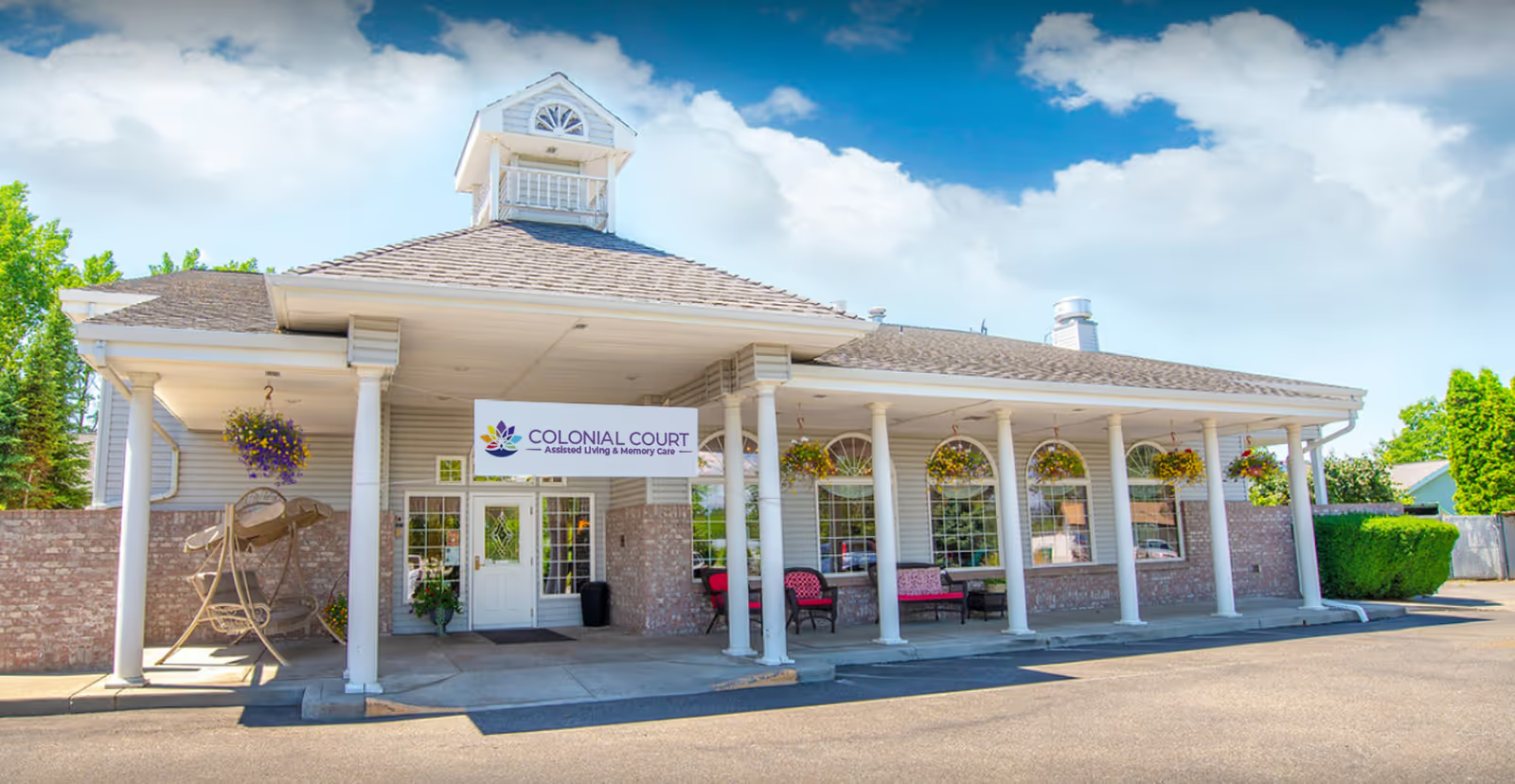
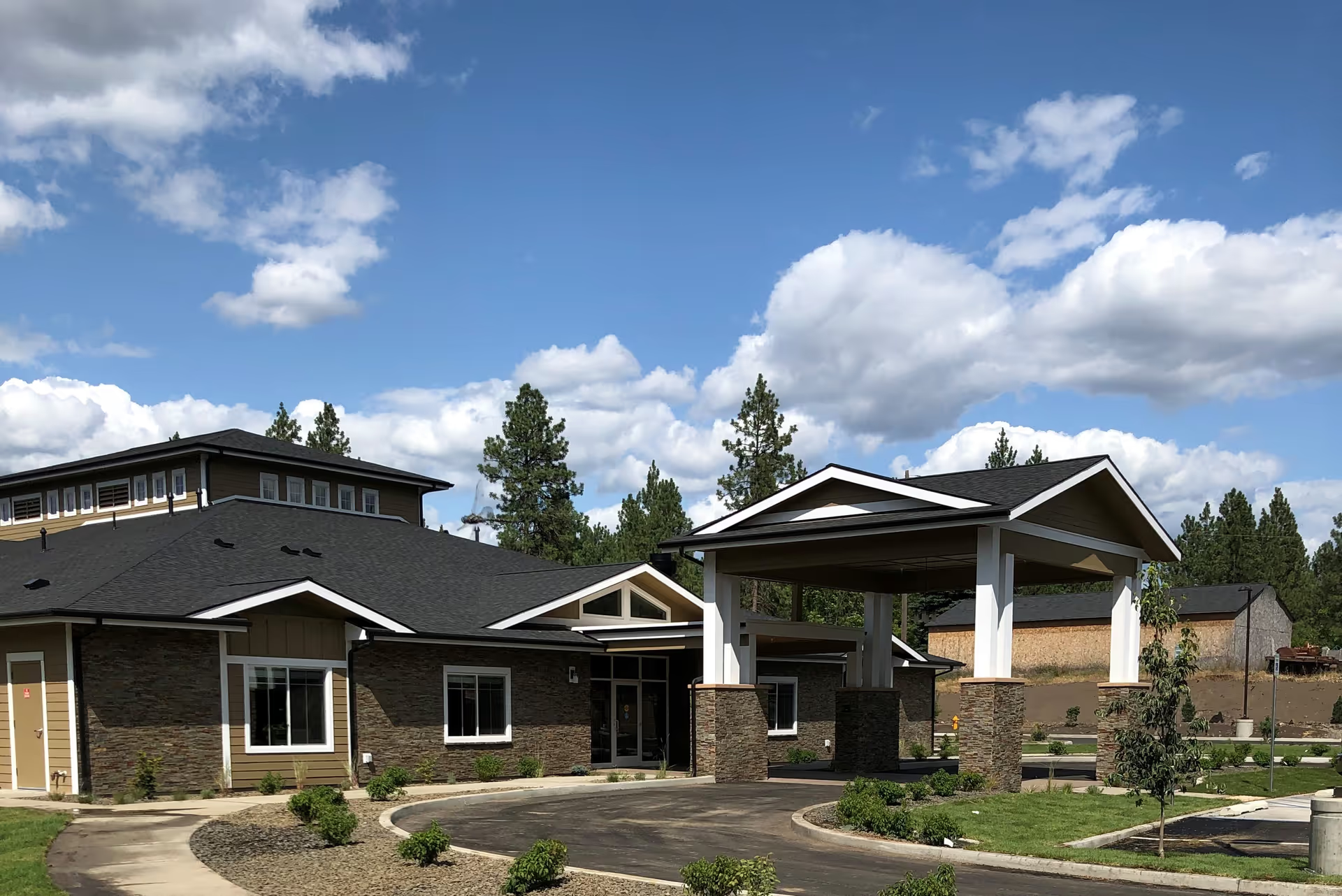
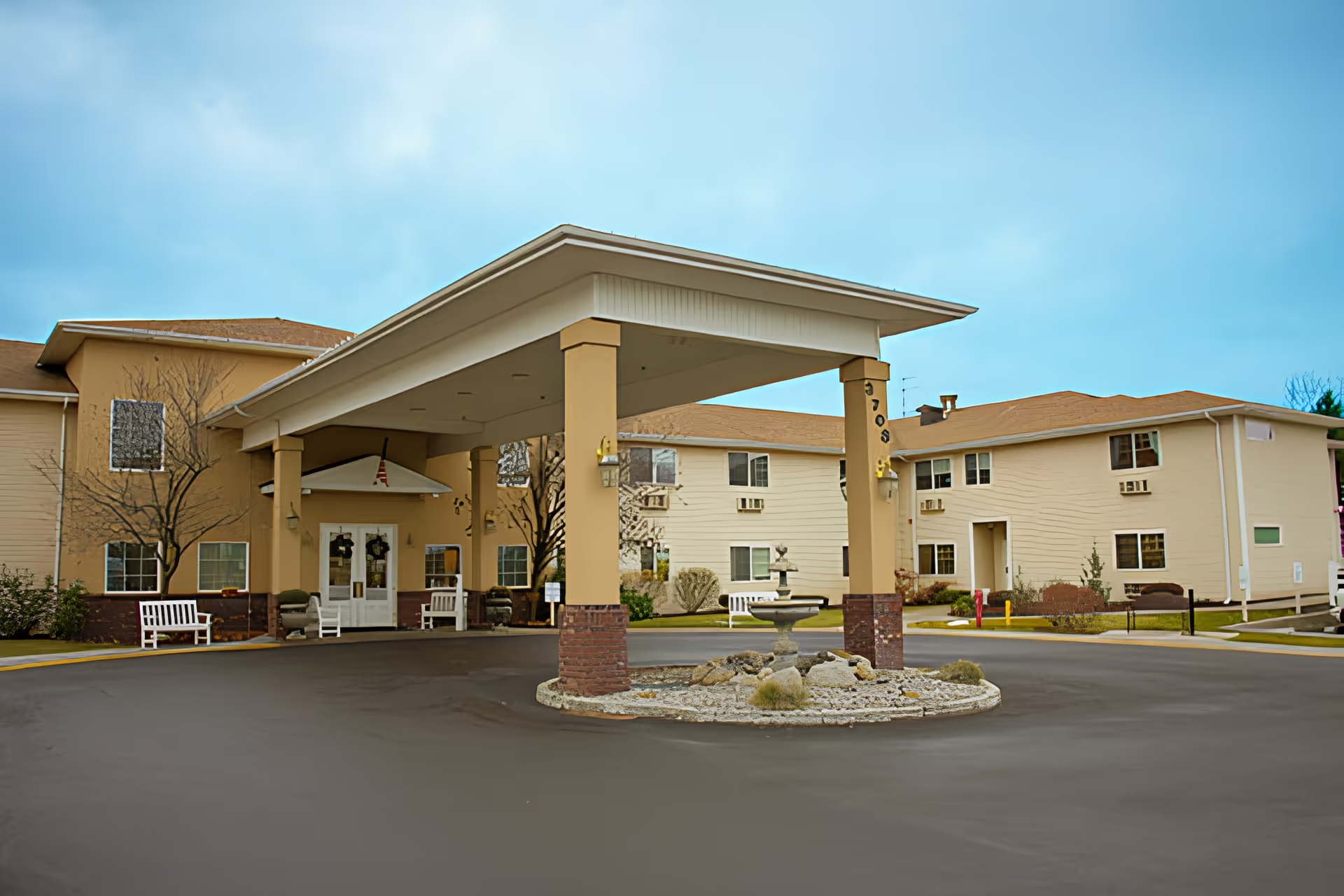
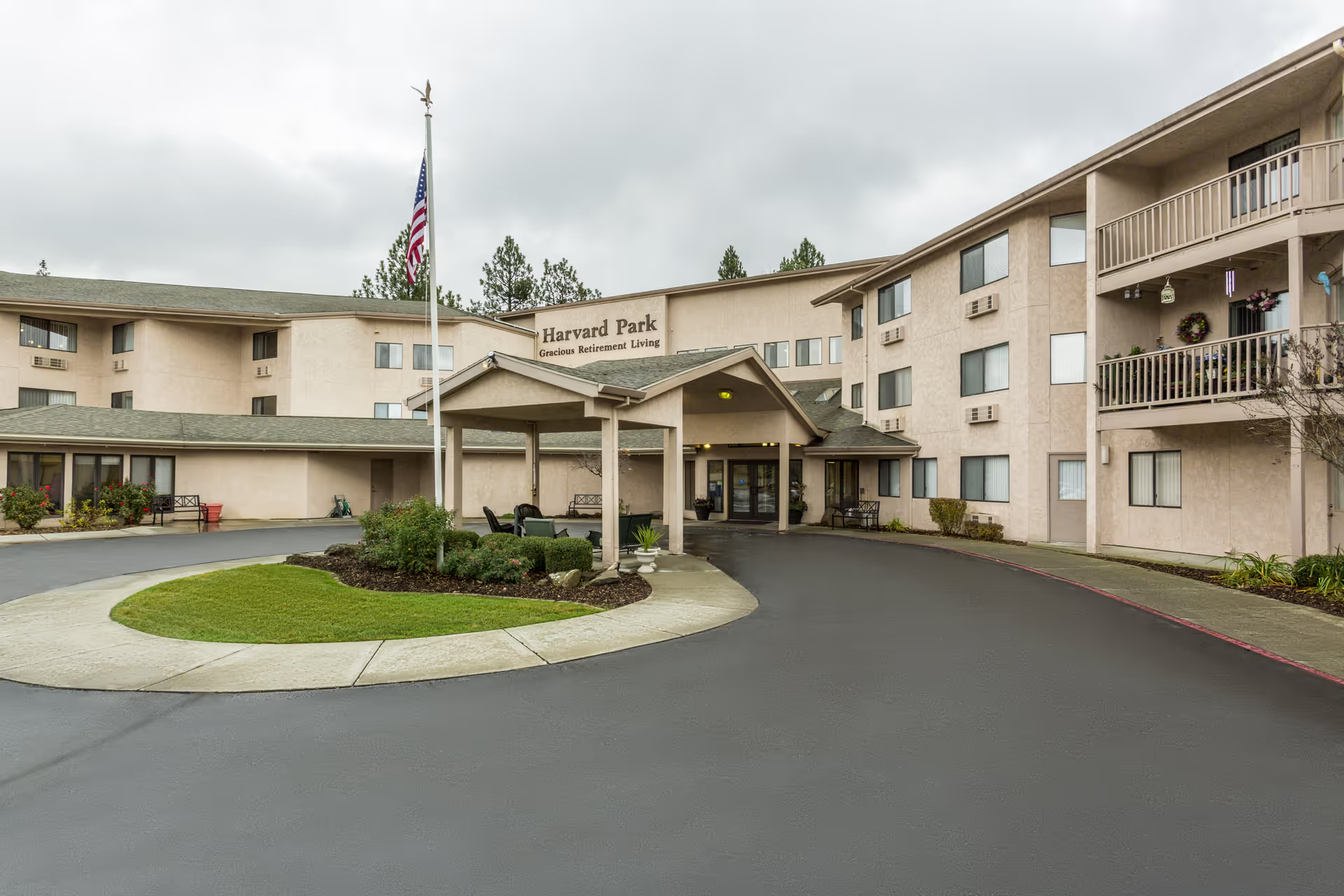
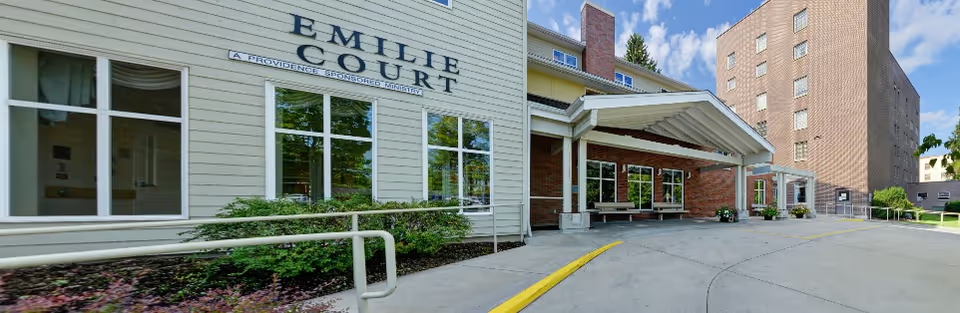
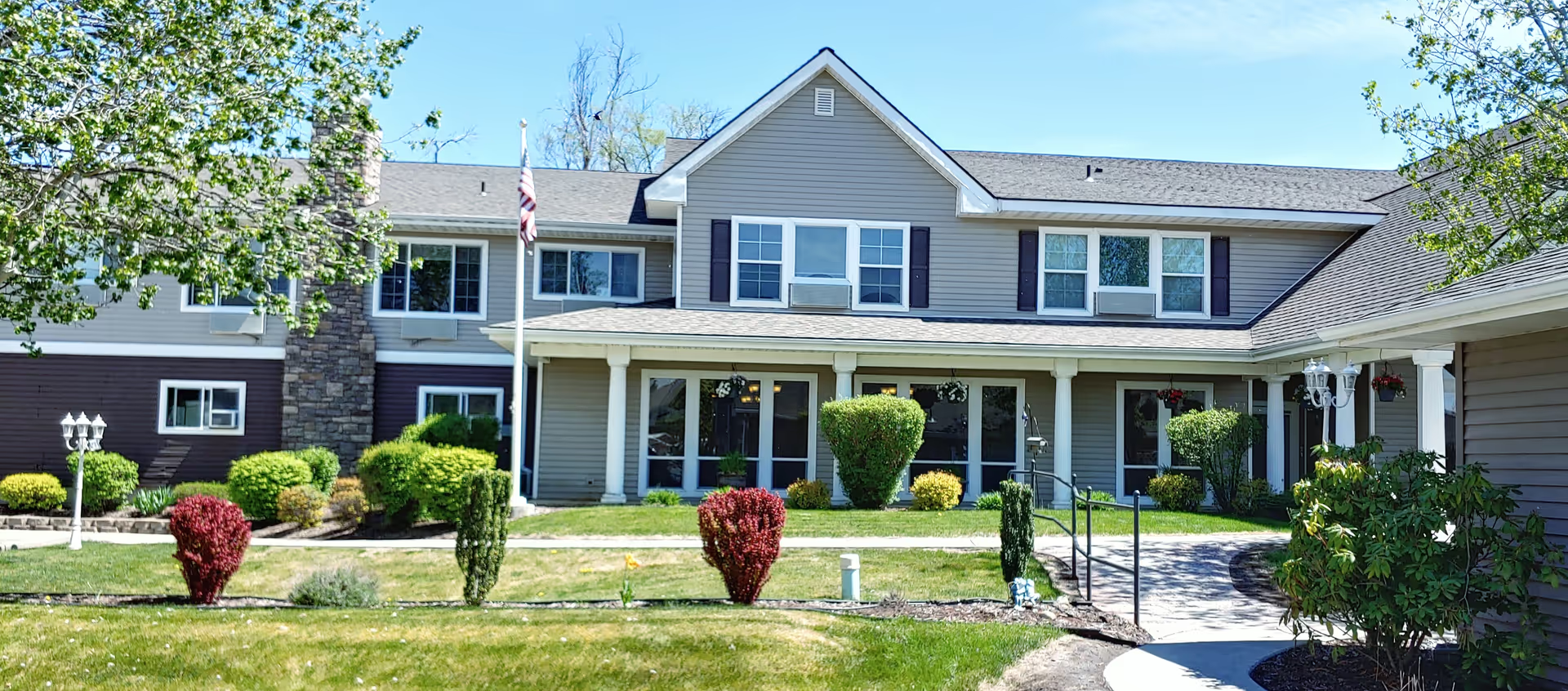
Facilities and accommodations: The campus has appealing outdoor settings and a range of accommodation tiers, including cottages and private rooms, which many find attractive and well suited to needs and budgets. At the same time, the main building shows constraints — apartments described as compact, narrow hallways, small elevators and drafty windows indicate aging infrastructure and limited communal capacity. Cottage expansion plans and scenic hilltop location are positives for some, but the site topology has raised concerns about drainage and development impact for others.
Management and governance: Admissions, billing and administrative transparency are frequent areas of concern. Specific practices cited include a nonrefundable waitlist fee, inconsistent wait-time communication, and confusing admissions or bonus terms for staff. A small number of reviews raise questions about broader governance or financial practices; those are serious claims that reviewers requested be clarified by oversight or management. Families also noted variability in how administrative staff handle inquiries and updates, which affects trust and satisfaction.
Notable patterns for prospective families: Strengths center on compassionate clinical caregivers, a clean environment and a range of living options with community programming. Recurrent weaknesses are operational: understaffing, inconsistent communication and variability in clinical follow-through. Prospective residents and families should consider a targeted tour focusing on staffing ratios for the unit of interest, current therapy availability under their expected payer, explicit written clarification of admission fees and waitlist policies, and a review of recent inspection or oversight records to address governance concerns prior to commitment.