Overall impression: Reviews paint Guardian Angel Homes Post Falls as a small, cottage-style community with strong person-centered strengths and some operational inconsistencies. Many families emphasize the warmth and attentiveness of direct-care staff, frequent demonstrations of dementia-care experience, and a broadly home-like atmosphere that residents and visitors find comforting. At the same time, reviewers identify recurring operational areas where the facility could improve, including communication, clinical coverage for higher-acuity needs, and some housekeeping and administrative processes.
Care and staff: Care quality is the most consistently praised element. Caregivers are described as compassionate, vigilant, and proactive in de-escalating confusion and redirecting mood for residents with memory impairment. Reviewers note that staff build positive relationships with residents, remain attentive to individualized needs (including swallowing challenges and dietary restrictions), and provide hands-on assistance with medications and medical appointments. Leadership and on-site management receive favorable comments for responsiveness and follow-through, and many reviewers cited positive experiences during respite stays. However, there are indicators of variability in responsiveness during urgent situations and occasional lapses in timeliness; family communication and routine reporting are described as inconsistent and could benefit from more standardized practices.
Dining and nutrition: Dining is generally regarded as decent and sometimes customized for health needs; several families appreciated health-focused meal planning that supported weight gain and improved appetite in frail residents. That said, reviewers also flagged inconsistent meal quality and presentation, and some desire more variety or stronger emphasis on exercise and nutrition-related activities. The kitchen and dining rooms contribute to the home-like feel for many residents, but culinary consistency appears to be an area for management attention.
Activities and social programming: Activity offerings are broad and lively, ranging from chair dancing, live entertainment and themed events (e.g., luaus) to Bingo, movie nights, arts & crafts and outings. These programs are credited with keeping residents engaged and improving mood. A pattern in the feedback is that activities are strong for residents who can participate easily, whereas families of higher-dependency residents sometimes find programming less well adapted to advanced needs; greater tailoring for exit-seeking or high-dependency individuals was suggested.
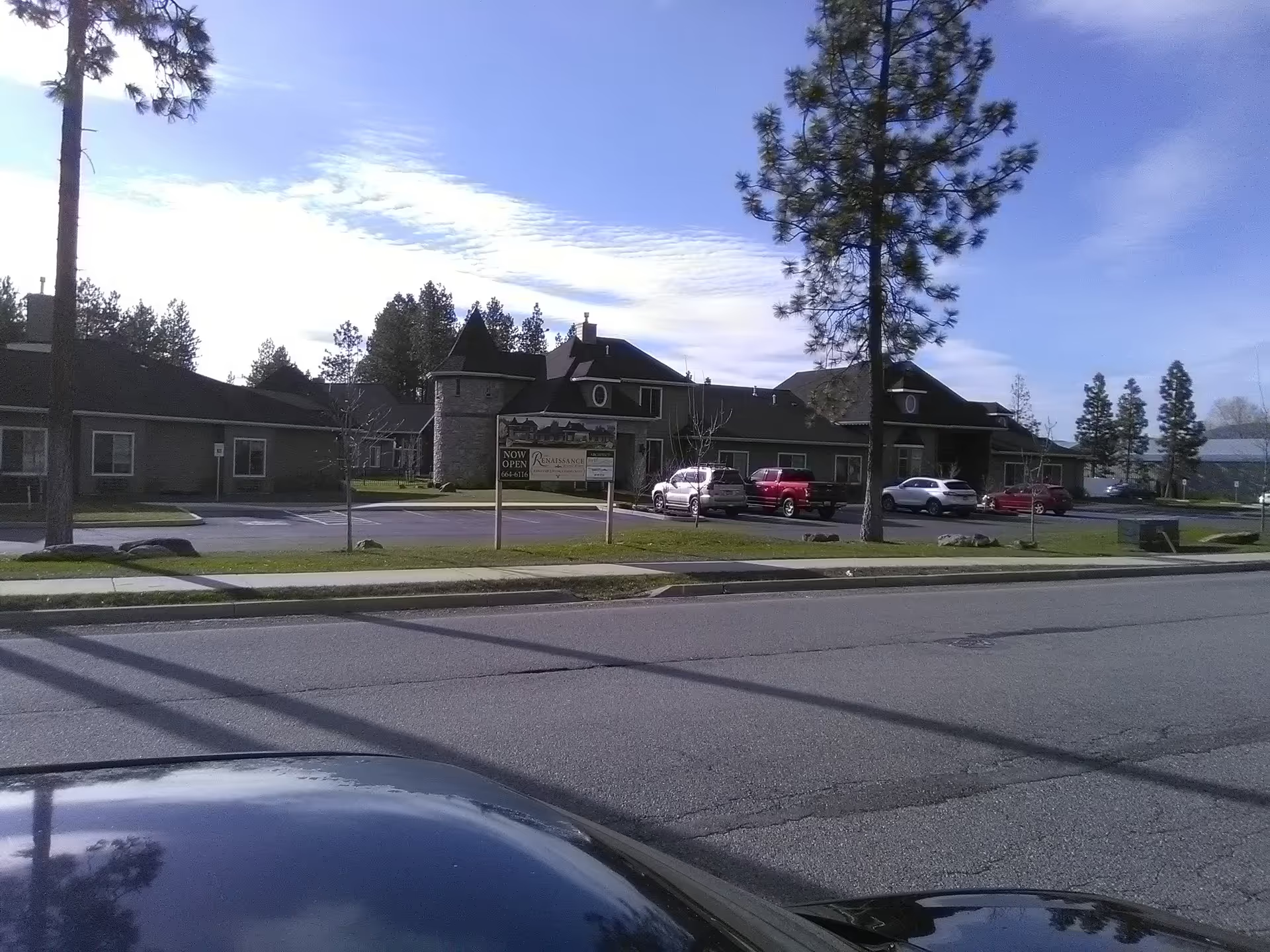
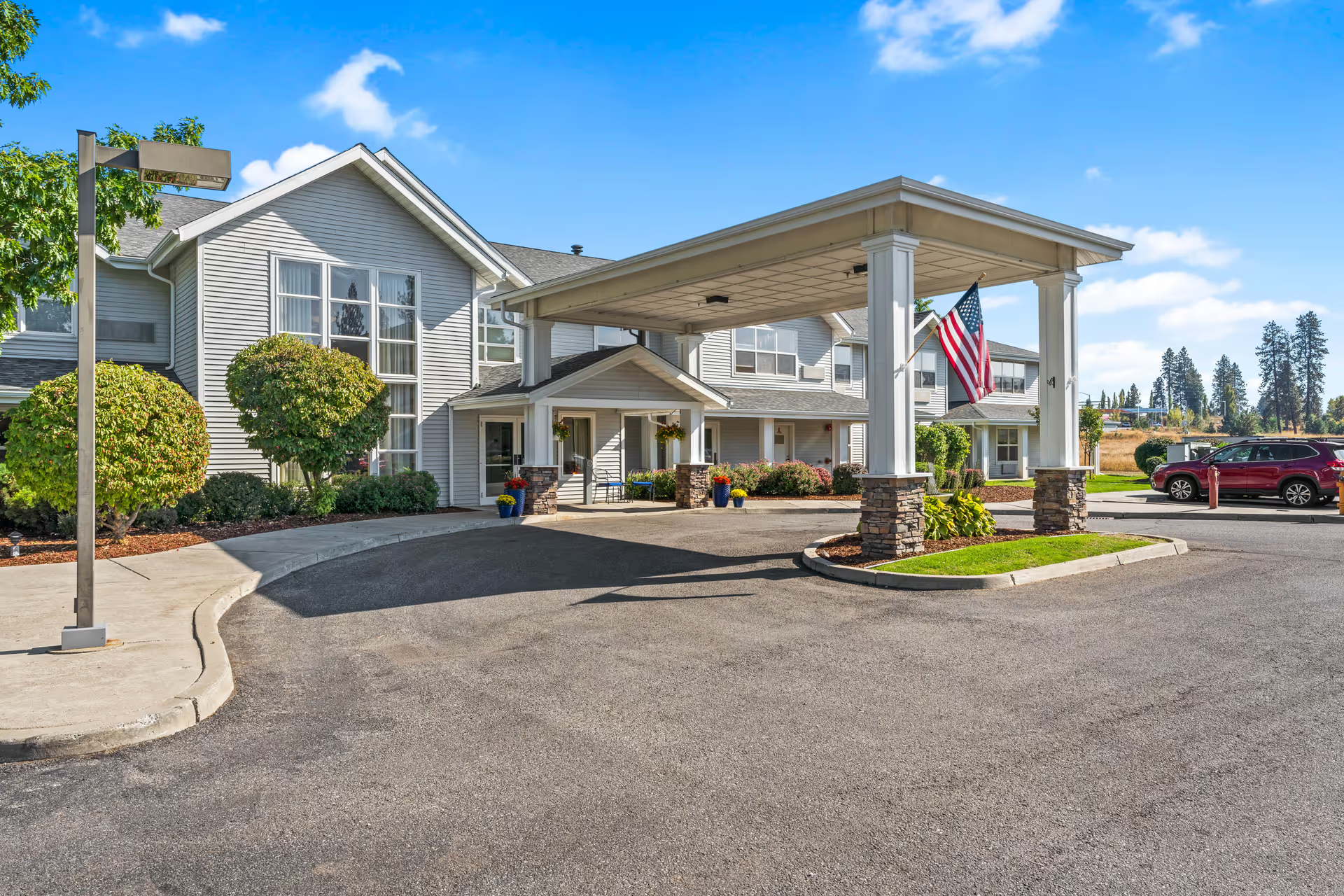
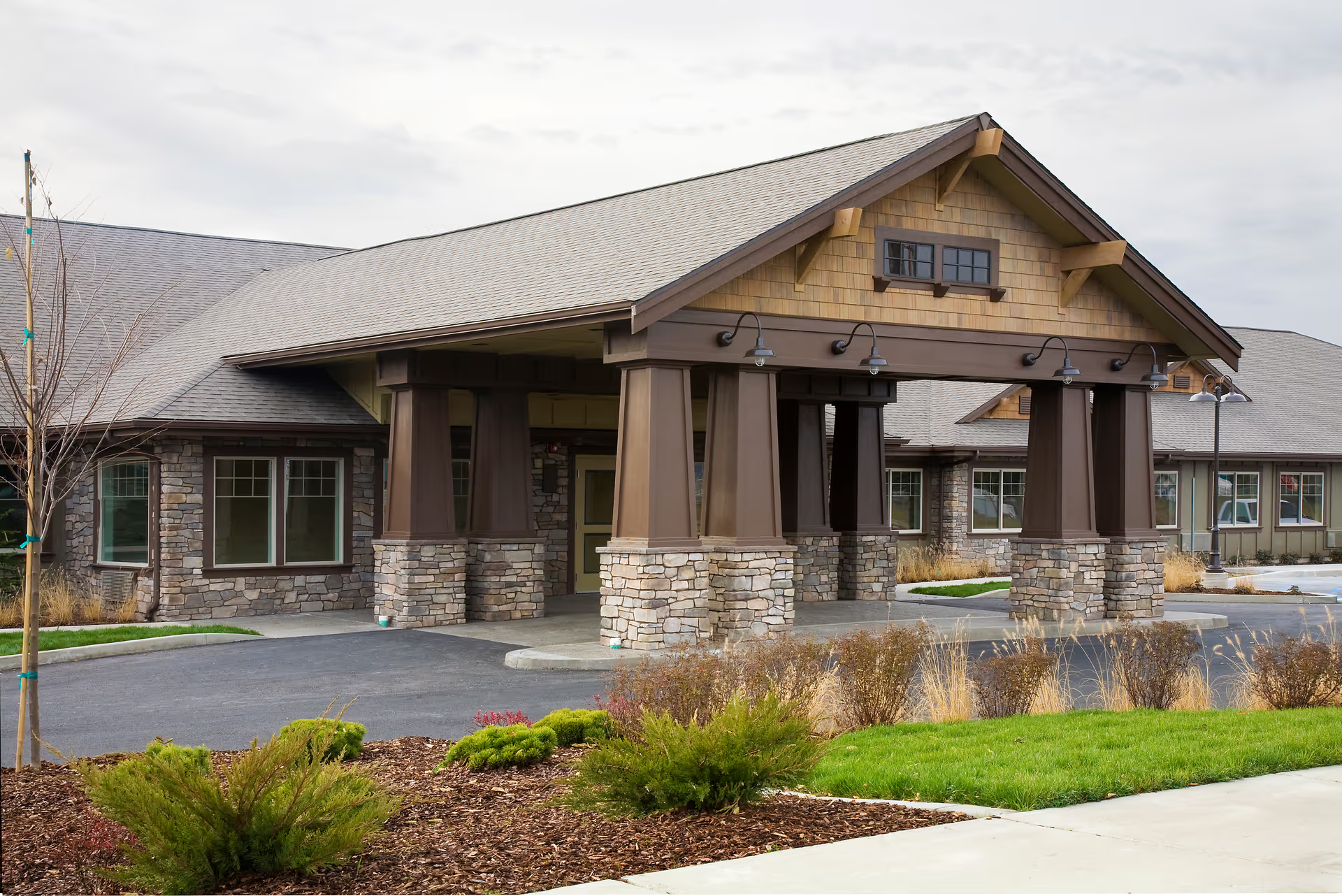
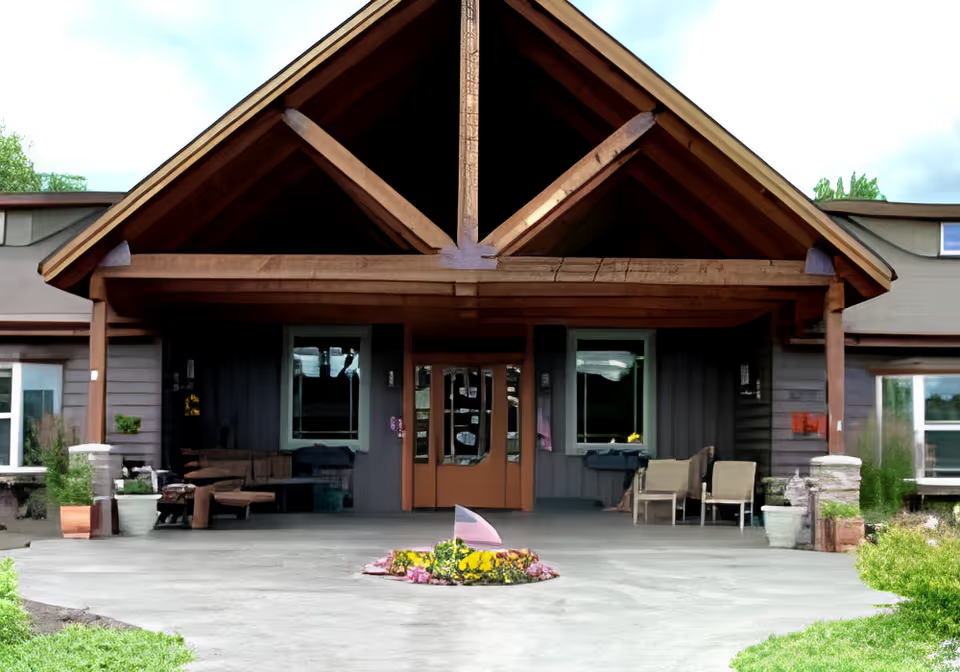
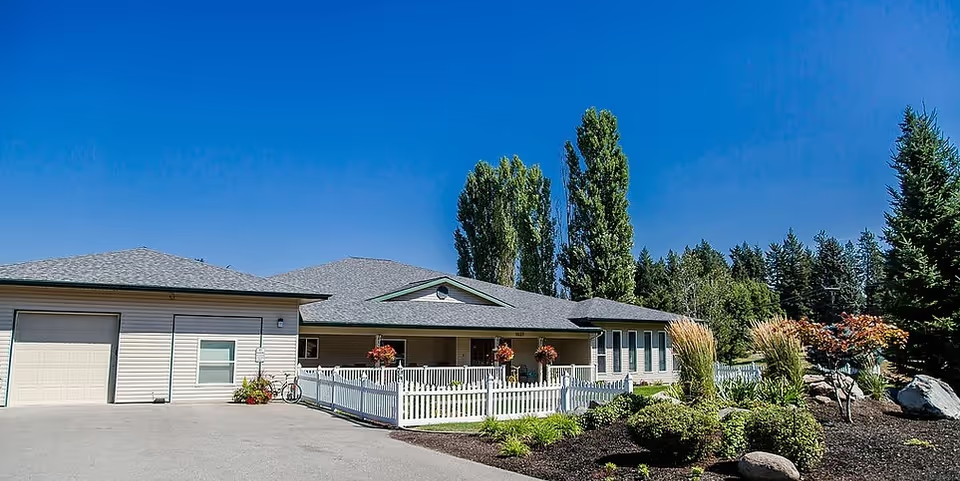
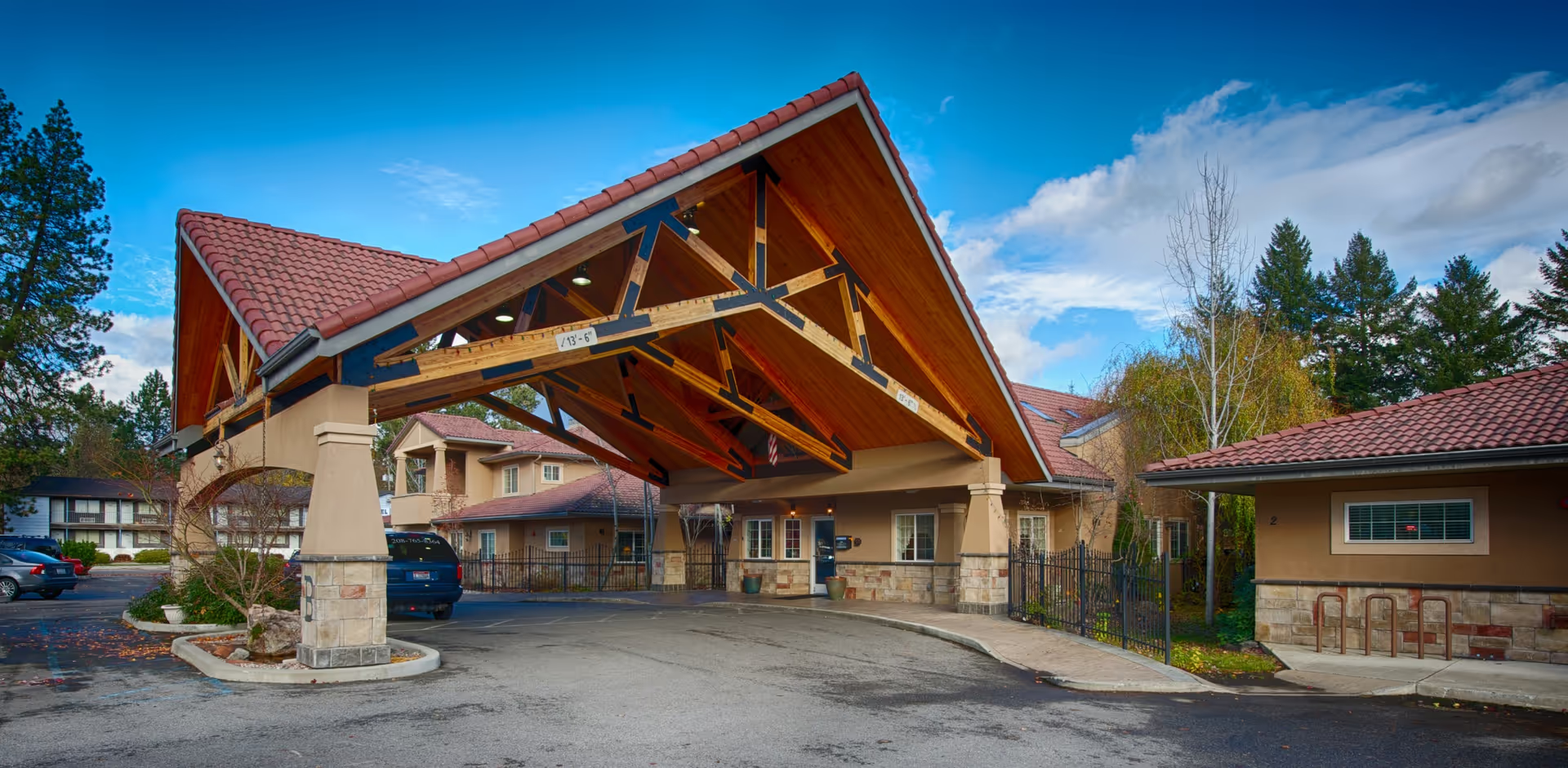
Facilities and environment: The cottage layout and exterior landscaping are frequently praised as attractive and home-like. Many reviewers find rooms comfortable and appreciate the ability to personalize private rooms. At the same time, some note room-size constraints and a segmented layout that separates buildings by care level, which may affect circulation and supervision. Cleanliness is described positively by many, though isolated sanitation and housekeeping concerns were reported; these suggest variability in standards that should be monitored and standardized.
Management, administration, and cost: Families report prompt responses when billing or administrative issues arise, though billing-process inconsistencies have occurred. Leadership is often described as hardworking and accessible, and the facility accepts Medicaid, which is important for cost access. Perceived cost is a recurring theme—many families consider the care worth the price, but several also describe the facility as expensive. Additionally, some families expressed questions about admission and retention policies after isolated transfer or discharge events; clarifying these policies and improving communication about them would strengthen trust.
Notable patterns and recommendations: The strongest, consistent pattern is the quality of direct caregiving and the facility’s dementia-care focus, which many families found reassuring. Areas that would benefit from attention are standardizing family communication and reporting, strengthening 24-hour skilled-nursing coverage or escalation protocols for higher-acuity residents, ensuring consistent housekeeping and dining quality, and clarifying admission/retention and billing practices. Prospective families should weigh the strong culture of hands-on, compassionate care and a robust activity program against limitations in clinical coverage for more medically complex needs and potential variability in operational consistency.