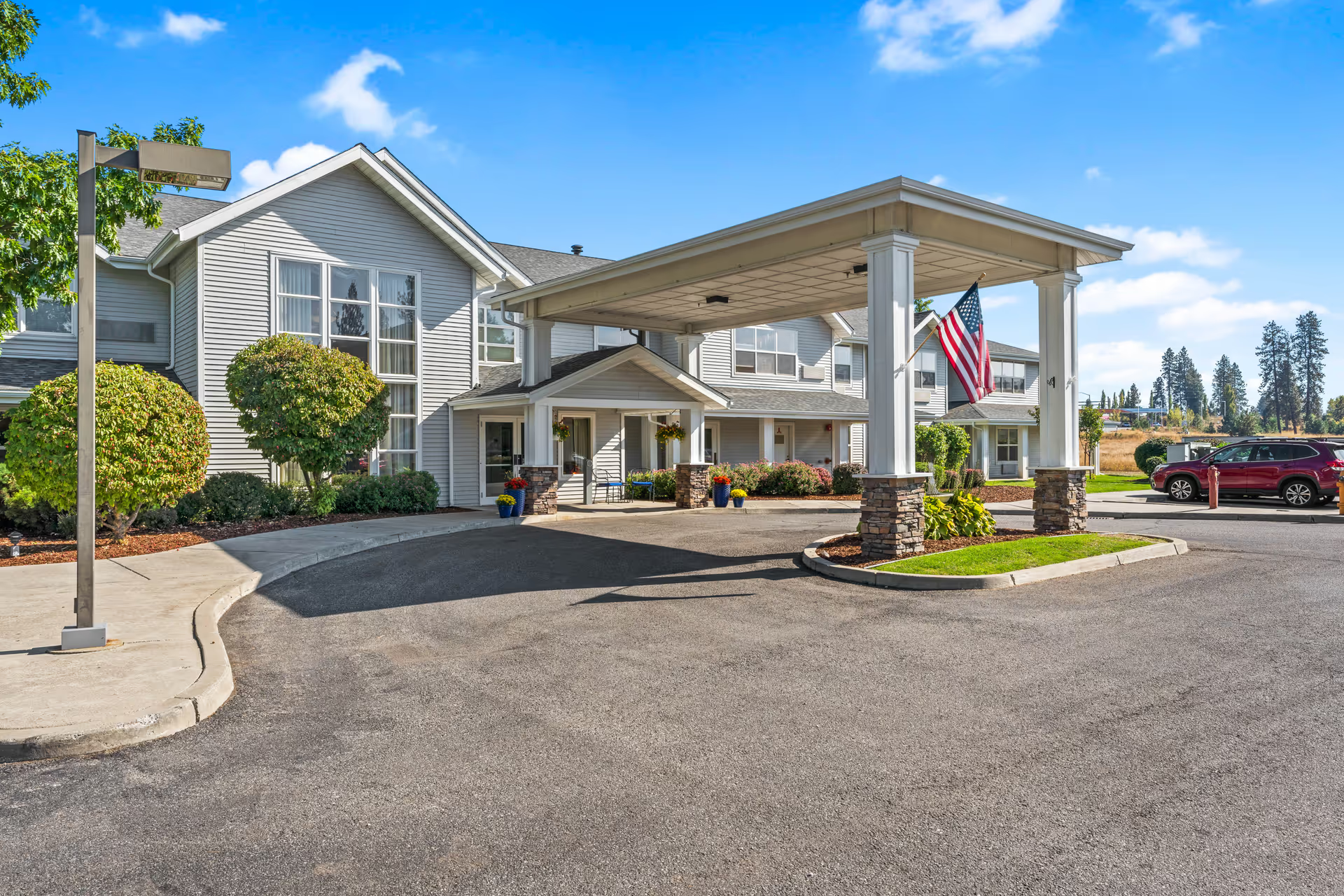
Overall impression Creekside Inn Memory Care Community is frequently described as a warm, well-appointed memory-care residence with a clear emphasis on dementia-specific programming. Many families praised the facility's supportive atmosphere, decorative interior, and well-maintained grounds. Reviewers commonly identify the staff as a core strength: caregiving teams are described as compassionate and engaged, nurses as knowledgeable, and there is regular on-site clinical coverage. The community offers a range of social and therapeutic activities, indoor communal spaces and outdoor areas, and coordination with outside providers, which many families find reassuring.
Care quality and staff Care quality assessments are mixed but tilt positive. Numerous accounts highlight attentive, respectful interactions and proactive monitoring to reduce fall risk, along with compassionate end-of-life support. The nursing team and clinical coordination (including liaison work with hospitals and VA providers) are frequently singled out as strengths. At the same time, a recurring operational pattern is variability across shifts: several families noted reduced staff familiarity and responsiveness during nights and weekends, and others pointed to elevated turnover among frontline caregivers and some administrative positions. These staffing patterns have been linked in reviews to inconsistencies in daily care continuity, communication, and resident oversight.
Dining and activities Dining experiences are described variably. Many residents and families compliment the dining program for tasteful, sizeable portions and an array of menu items; others report occasional meals of lower quality and note the facility does not consistently provide specialized diabetic meal plans. The activity program is a prominent positive: structured group programming, music and movement, games, puzzles, and regular outings or field trips are often cited as contributing to resident engagement. Some families, however, observed that activity access can be more limited at times (for example, fewer outdoor or off-site activities during certain periods) and that individual encouragement to participate varies by staff member.
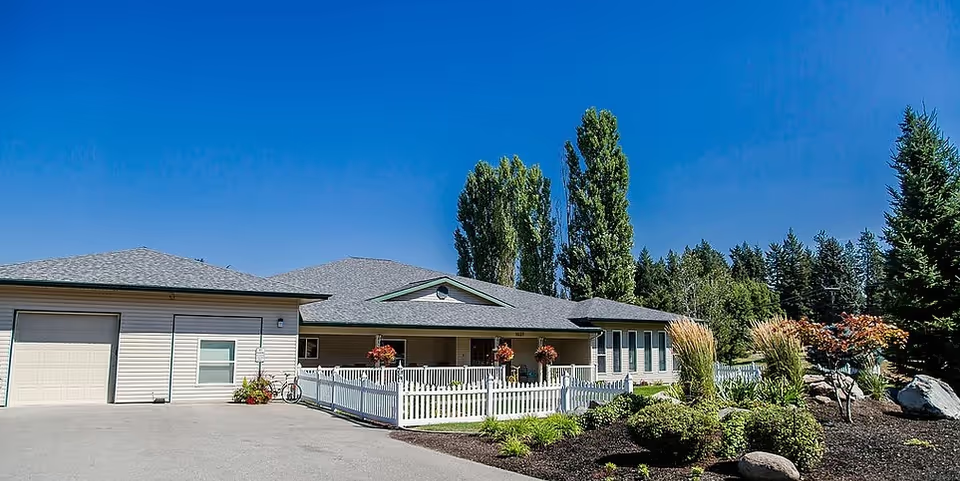
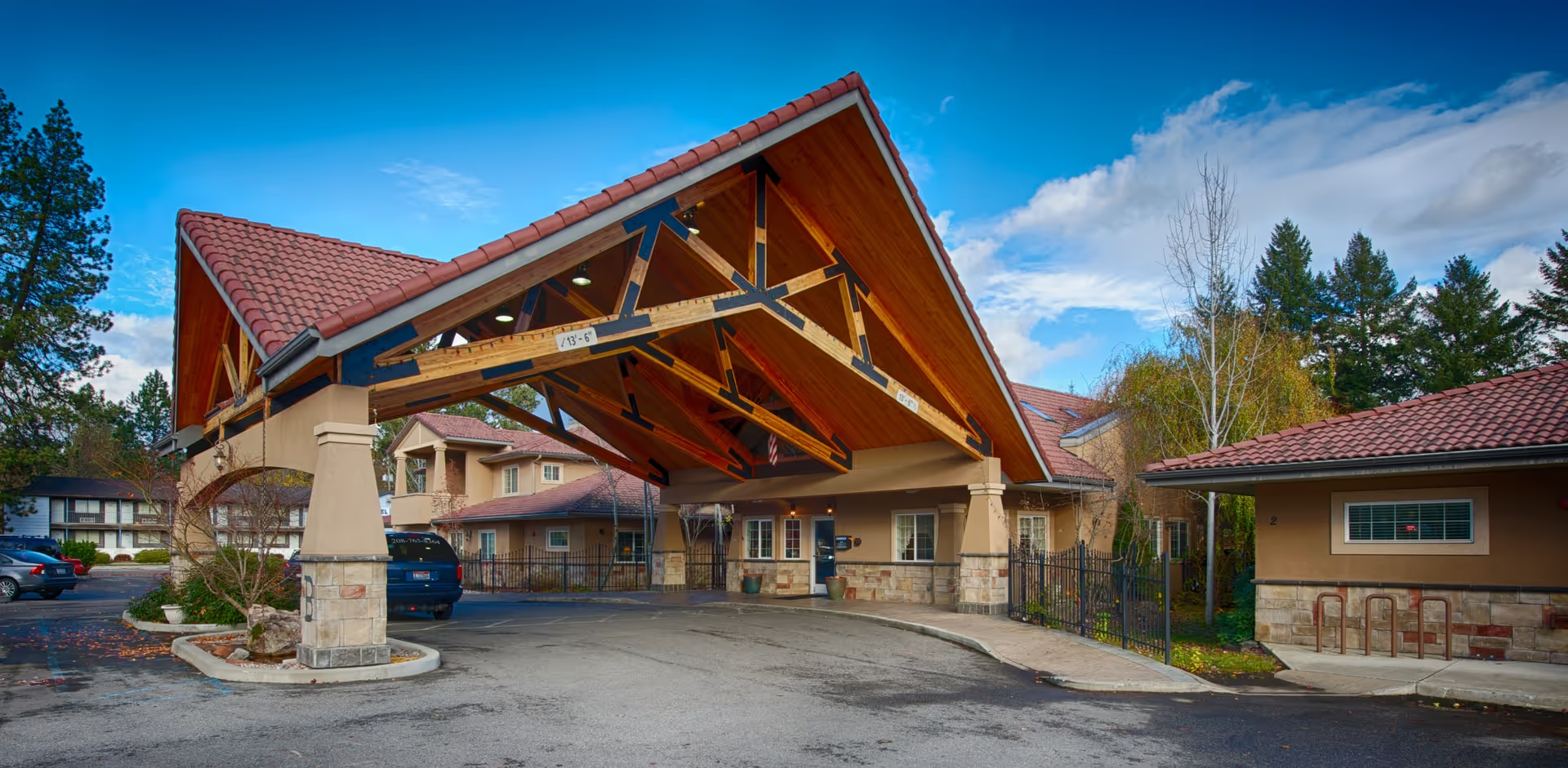
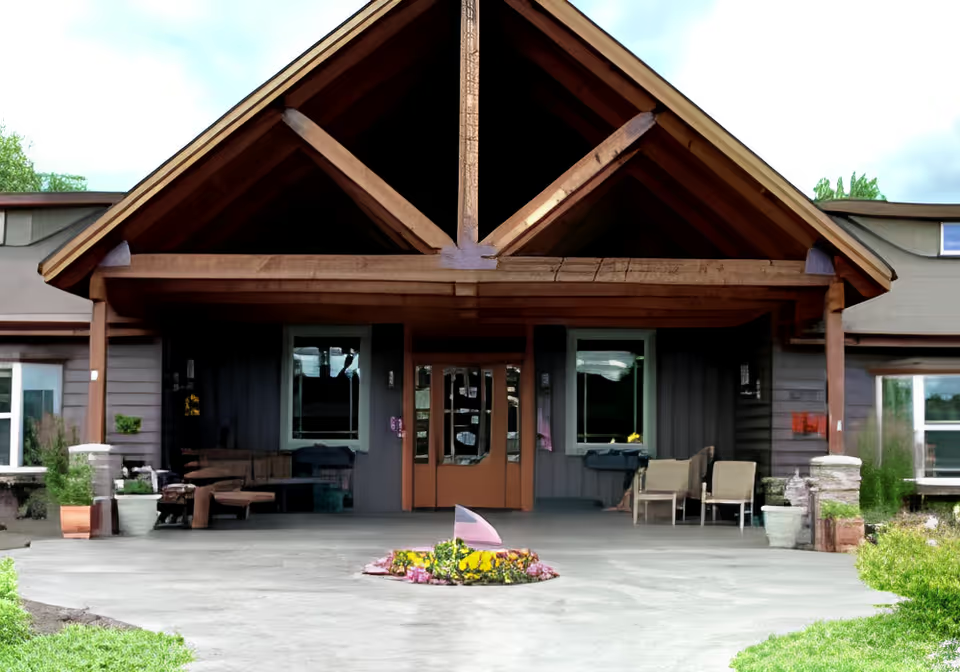
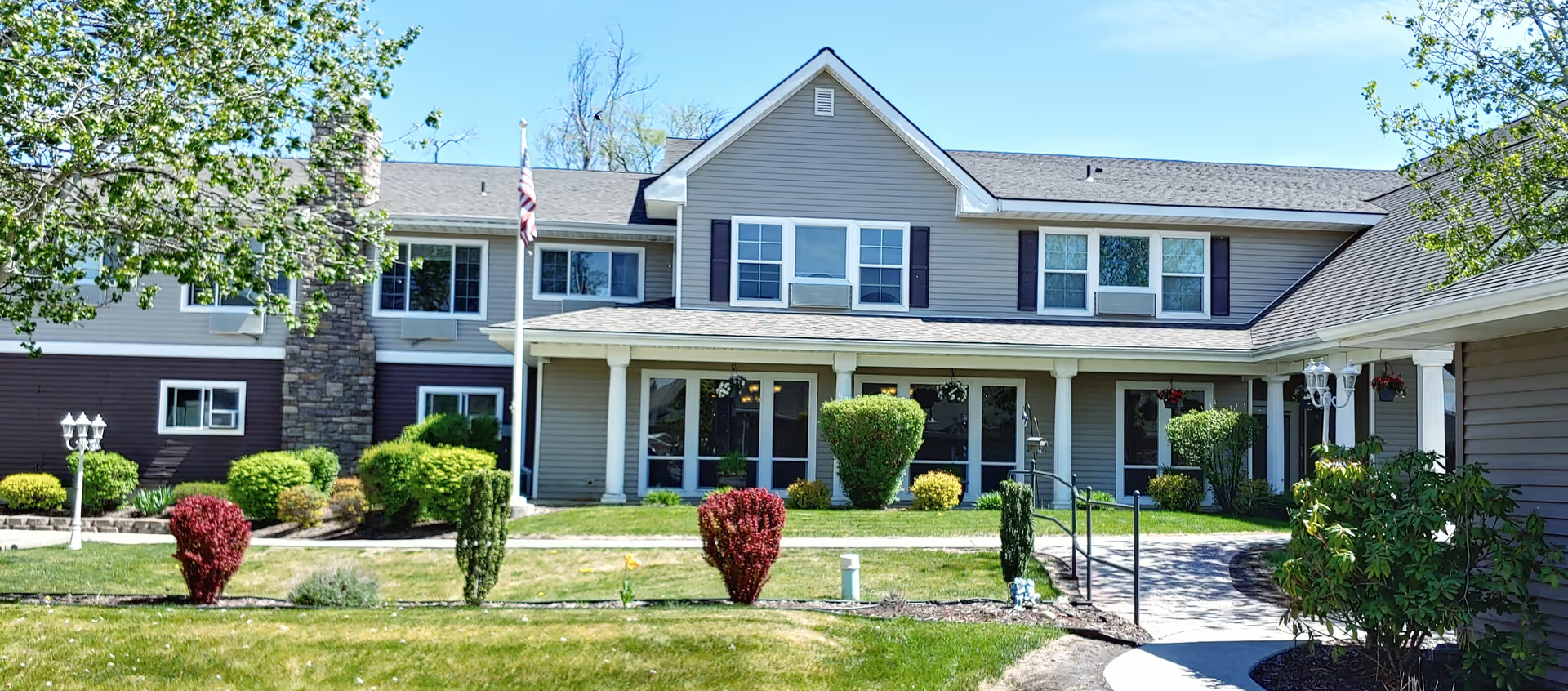
Facilities and environment The physical plant receives consistent praise for cleanliness, décor, and maintenance; many reviews describe bright rooms, landscaped courtyards, and hotel-like finishes. Several families noted spacious rooms and the option to bring or use personal furnishings. That said, isolated accounts raised sanitation concerns and housekeeping inconsistencies in specific areas, and a few reviews described issues with odor or untidiness at entry points during renovation or transitions. Overall, the facility appears to present well, with occasional lapses in housekeeping standards cited.
Management, communication, and safety patterns Family experience with management and communication is mixed. Multiple families commended certain administrators and the community relations staff for thorough, timely updates, while others reported delays in callbacks, unfulfilled referrals, or lack of follow-up from specific leadership. Medication-management and personal-item tracking emerged as recurring operational concerns in several reviews (missing medications, lost belongings, or dentures oversight). Safety issues noted include falls and other clinical incidents; these have raised concerns about transfer-safety practices and clinical-incident response in a subset of reports. A very small number of reviewers used stronger language about clinical-safety incidents; these accounts point to the need for prospective families to review the facility's current incident reporting, medication controls, and fall-prevention protocols.
Patterns and recommendations for families In summary, Creekside presents strong dementia-care programming, compassionate front-line staff, and a well-maintained, activity-rich environment that many families find a good fit for memory-care needs. Areas to assess in person and during admissions discussions include staffing consistency across all shifts, the facility's medication-management and belongings-tracking procedures, how dietary needs (especially diabetic diets) are accommodated, and the responsiveness of specific administrative contacts. Prospective families should also discuss pricing structure and any additional fees, and request current data on staff turnover, incident logs, and how the community manages fall prevention and incontinence-related care to ensure those operational practices meet their expectations.