North Star receives broadly positive feedback for its welcoming community, attentive staff, and comfortable setting. Residents and families often describe employees as kind, helpful, and familiar with residents’ preferences and names. Caregivers and nursing staff are praised for day-to-day support, while families also value help with transitions, questions, and practical needs. Several families describe residents becoming more socially engaged and feeling at home. Experiences are not uniform, however: some assisted-living accounts raise concerns about whether assessed care needs matched the services delivered, follow-through on promised assistance, and coordination with outside providers. Families considering assisted living may want to clarify care plans, responsibilities, and communication procedures in detail.
Dining is a prominent feature and is frequently praised for variety, choice, and a restaurant-like setting. Many residents enjoy the meals, and some families highlight dietary flexibility and the option to order alternatives. Other accounts describe variable food quality, including concerns about seasoning, portions, temperature, and long waits for service. A few reviewers also felt meal quality had declined over time. Taken together, dining appears to be a strength for many residents, but consistency may vary.
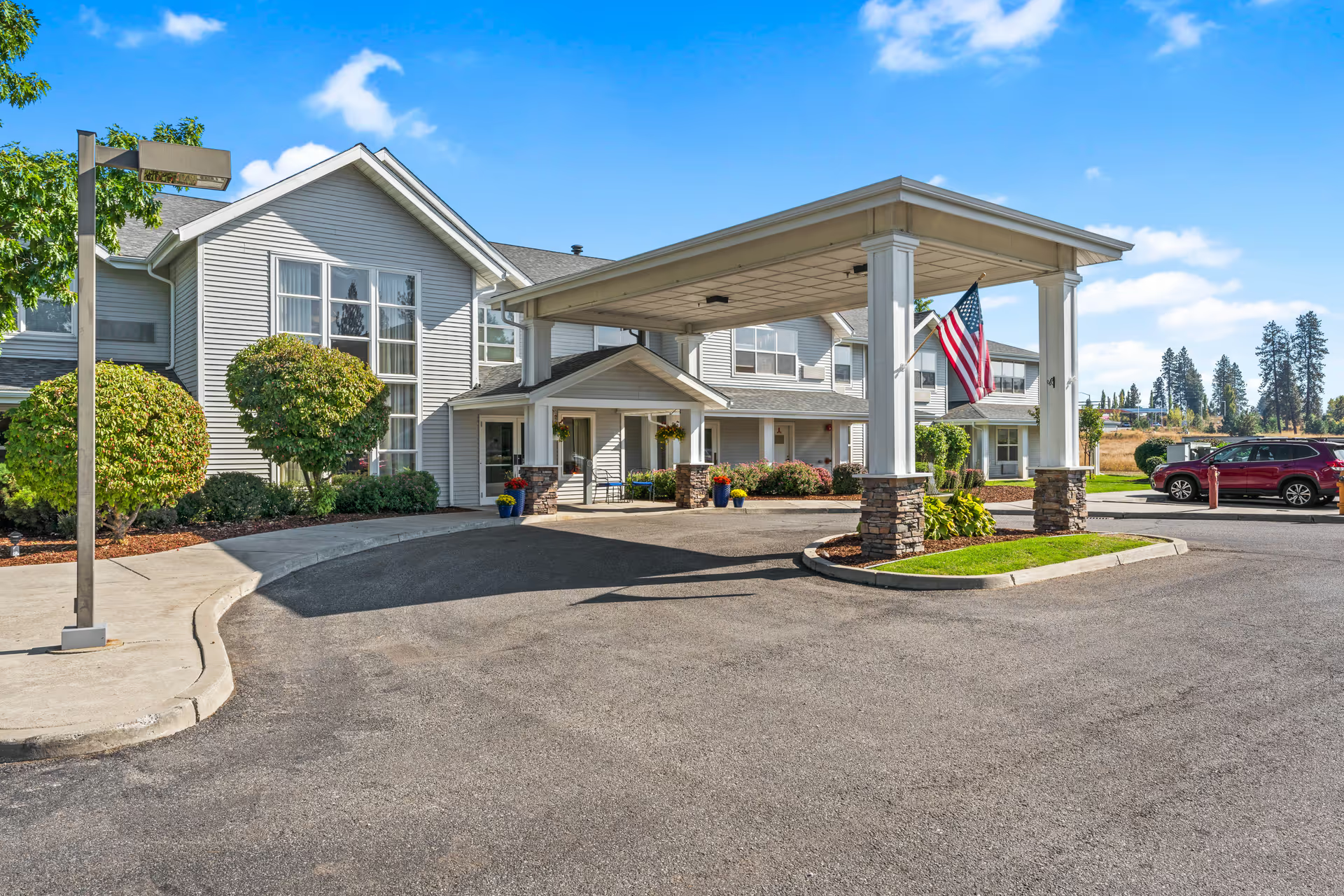
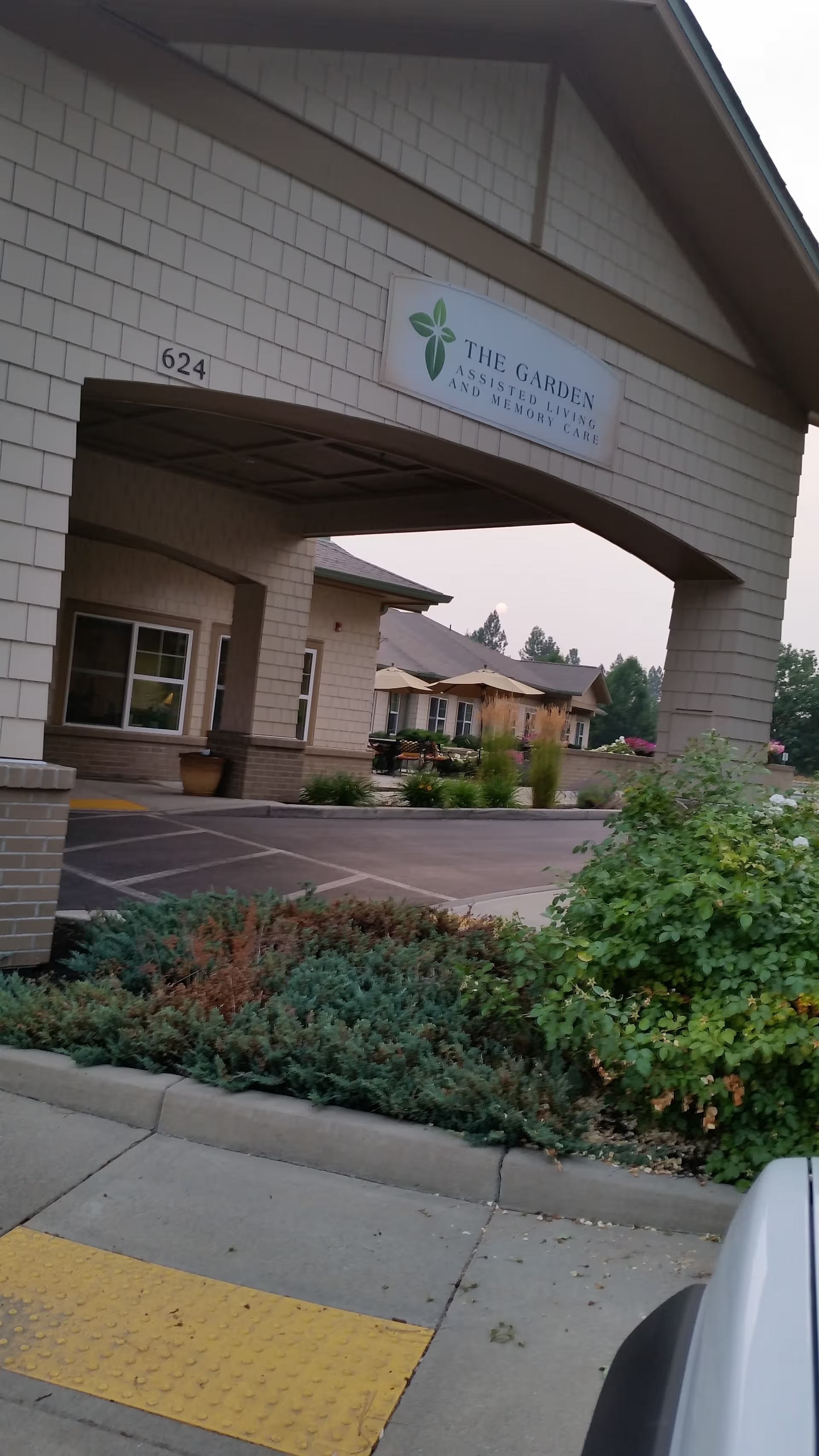
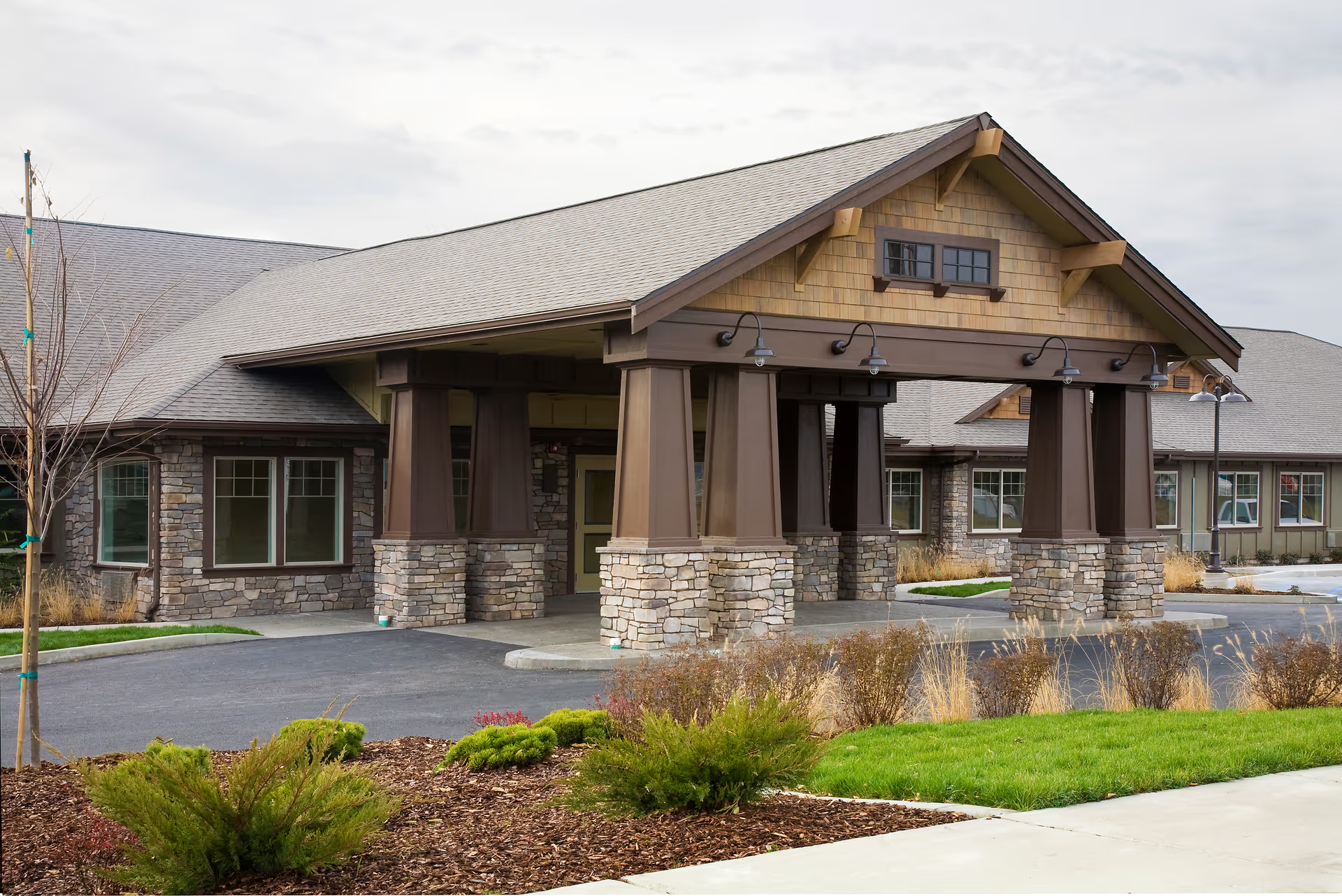
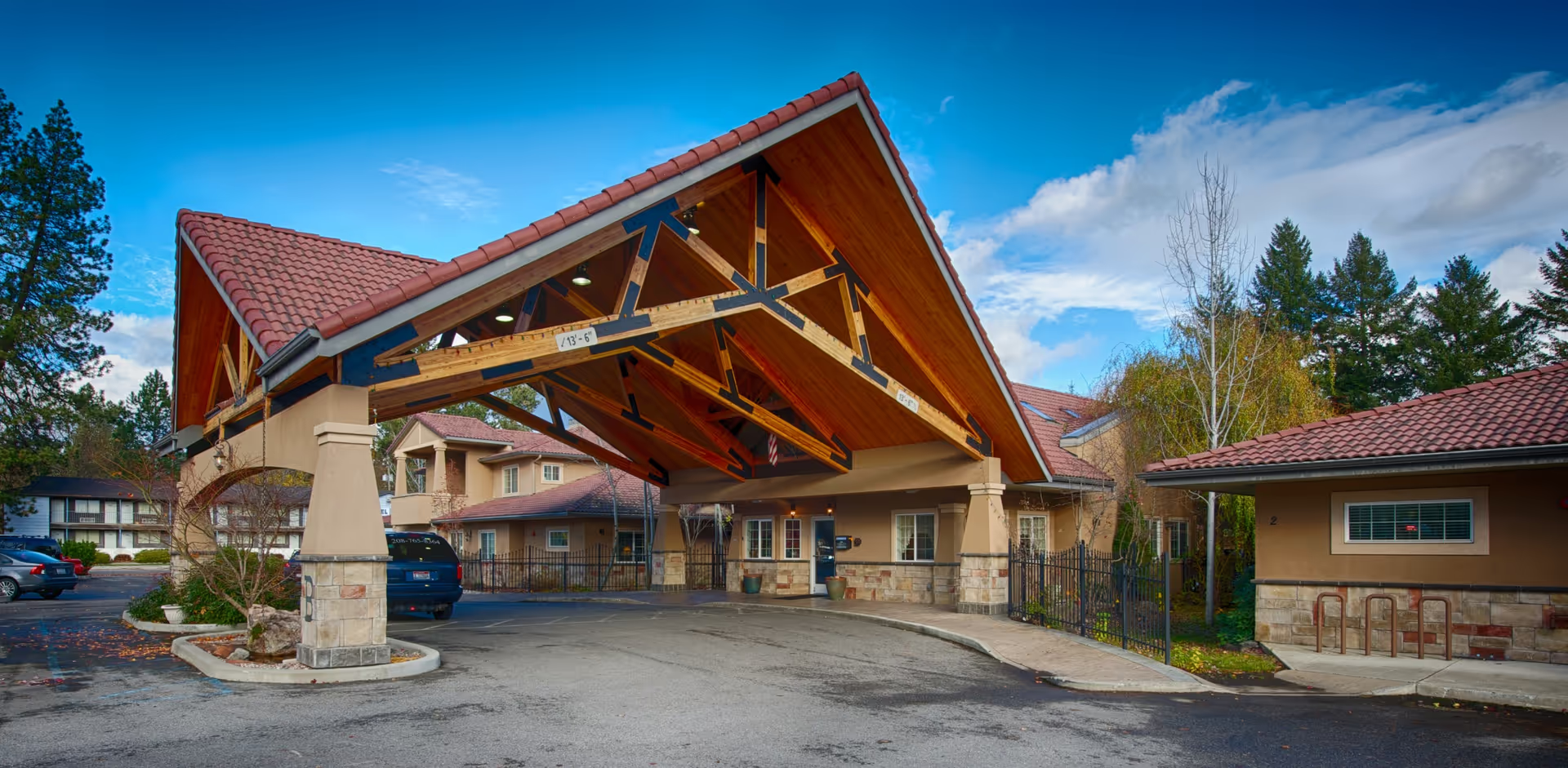
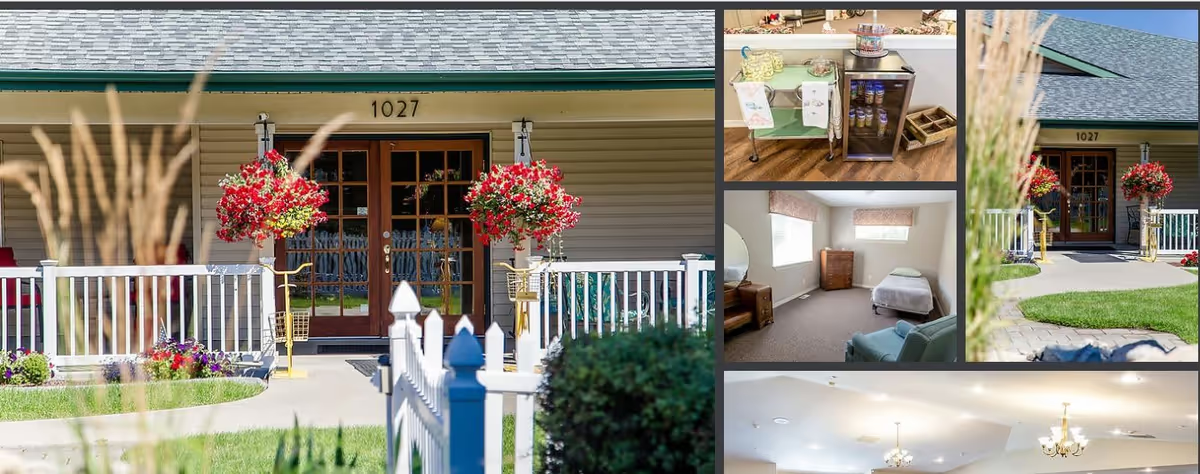
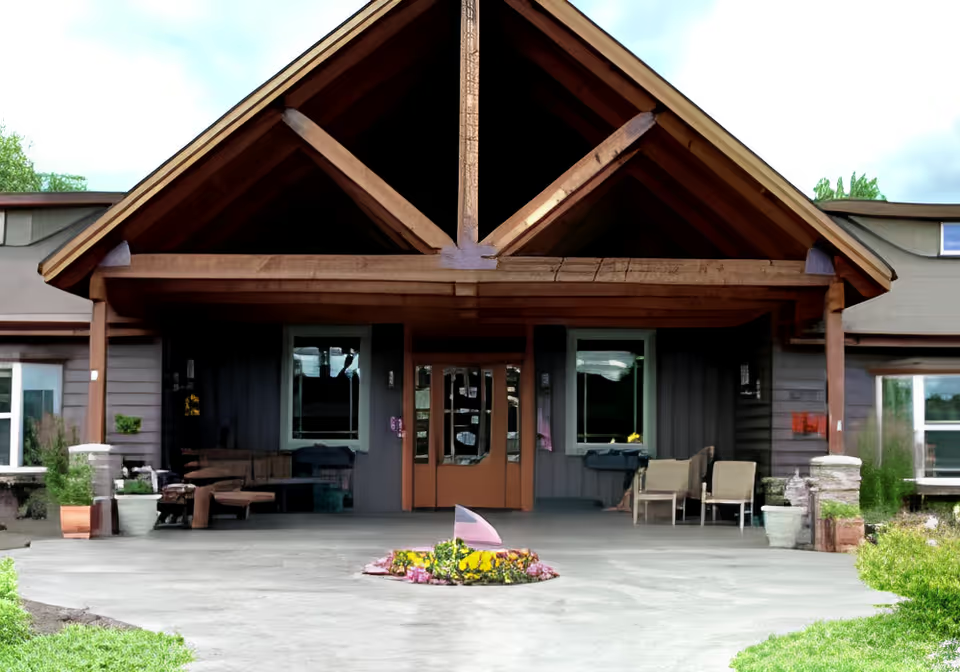
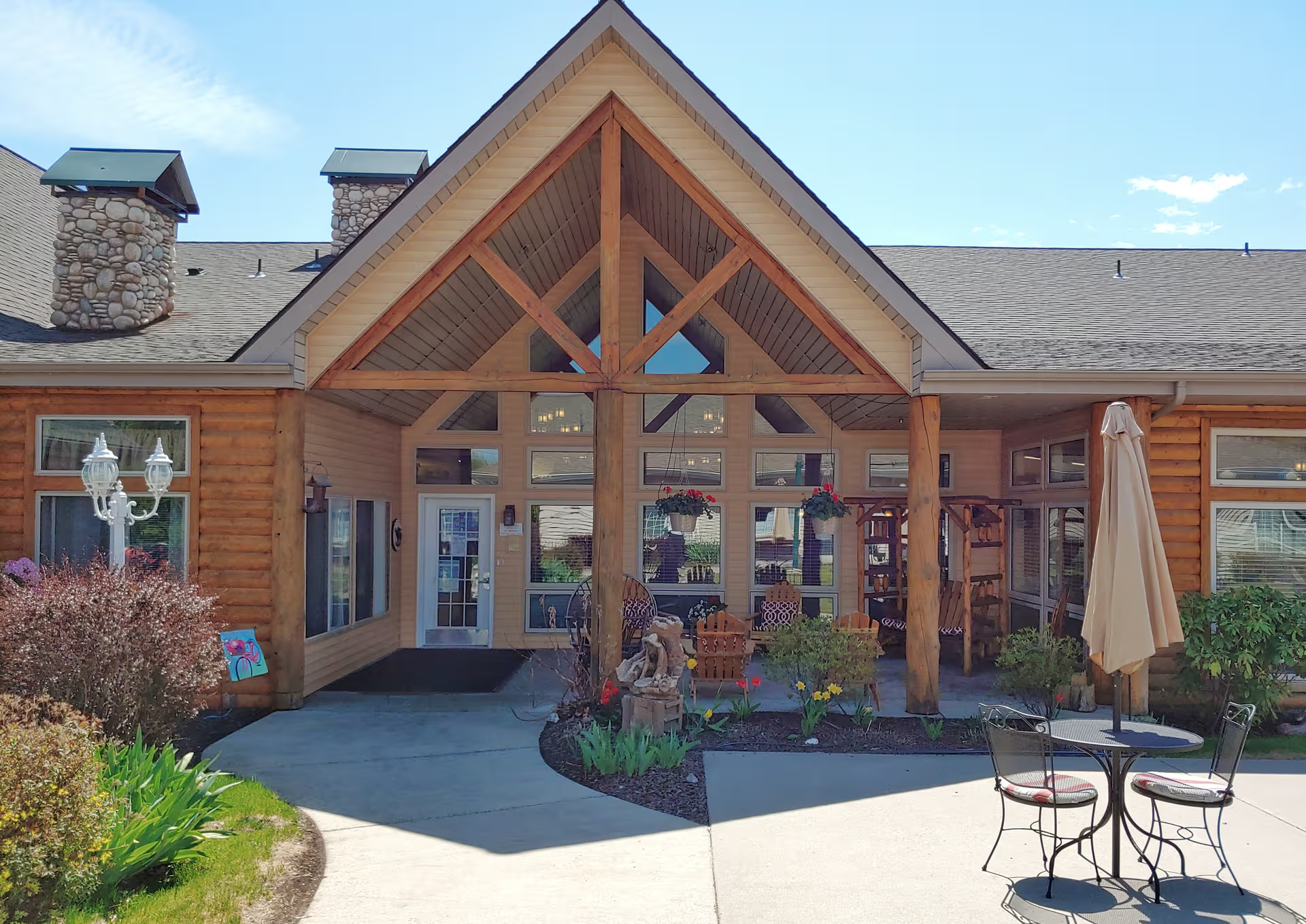
The community is repeatedly described as clean, bright, and well maintained, with landscaped grounds and apartment-style units. Reviewers mention amenities such as libraries, fitness areas, lounges, patios, salons, and dining spaces. The activity calendar includes games, exercise, crafts, social gatherings, entertainment, and outings; participation is available at different levels. Transportation, housekeeping, and on-site services are also valued. Some prospective residents find the campus large or the apartments small, so an in-person visit may help assess layout and space needs. Reviews indicate that North Star does not provide a dedicated memory-care unit, which may make it a less suitable option for some people with dementia or significant navigation needs.
Cost and administrative practices are recurring considerations. Some families view the price as reasonable for the setting and services, while others describe the monthly cost as difficult to sustain, with additional charges for care or optional services. A number of accounts raise concerns about the clarity or consistency of billing, care-fee assessments, and management communication. Families should request an itemized fee schedule, understand what services are included, and confirm how care levels and charges are reviewed. Eligibility and policies—including payment options, pet rules, and the availability of specific care types—are worth verifying directly, as they can affect whether the community is a practical long-term fit.