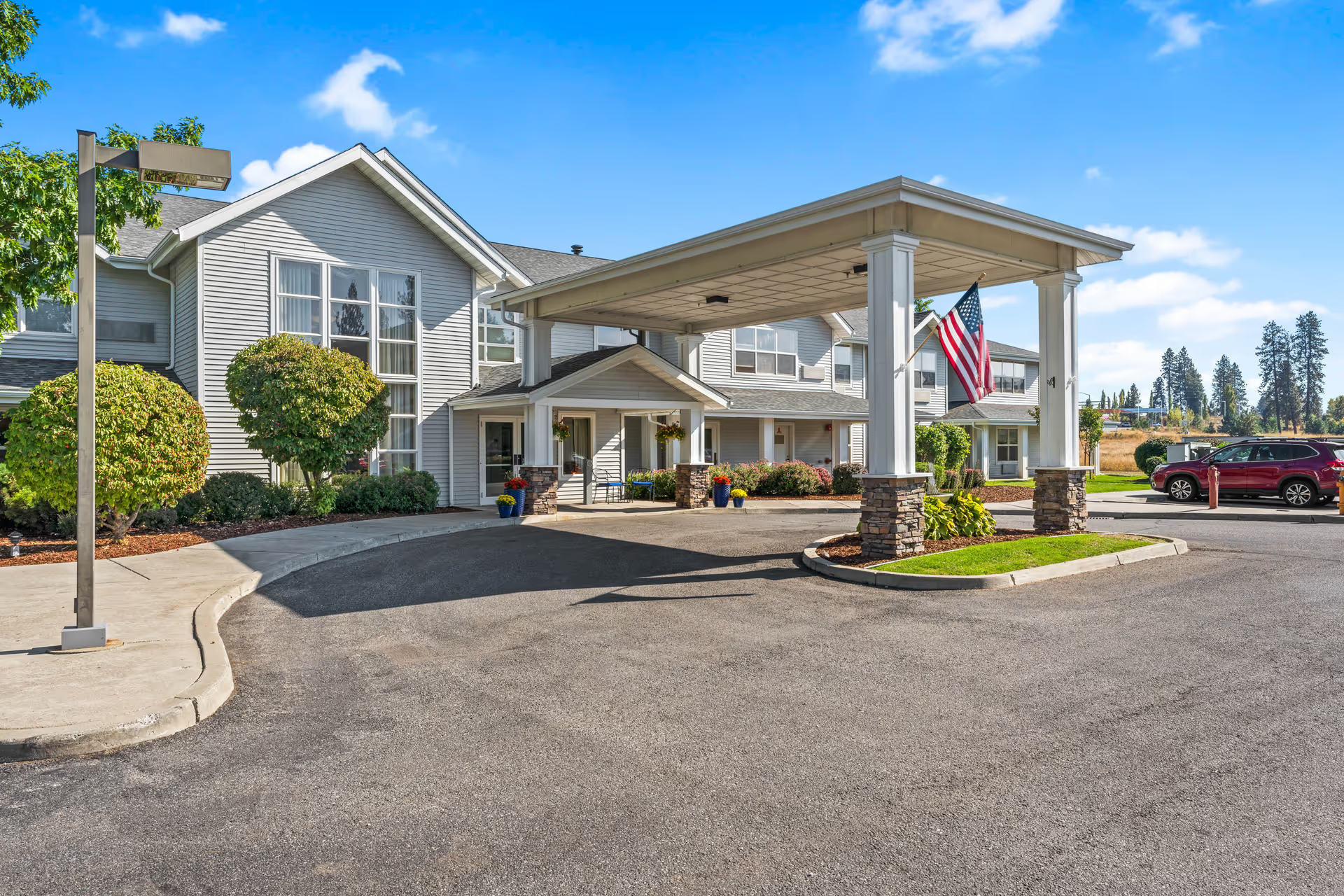
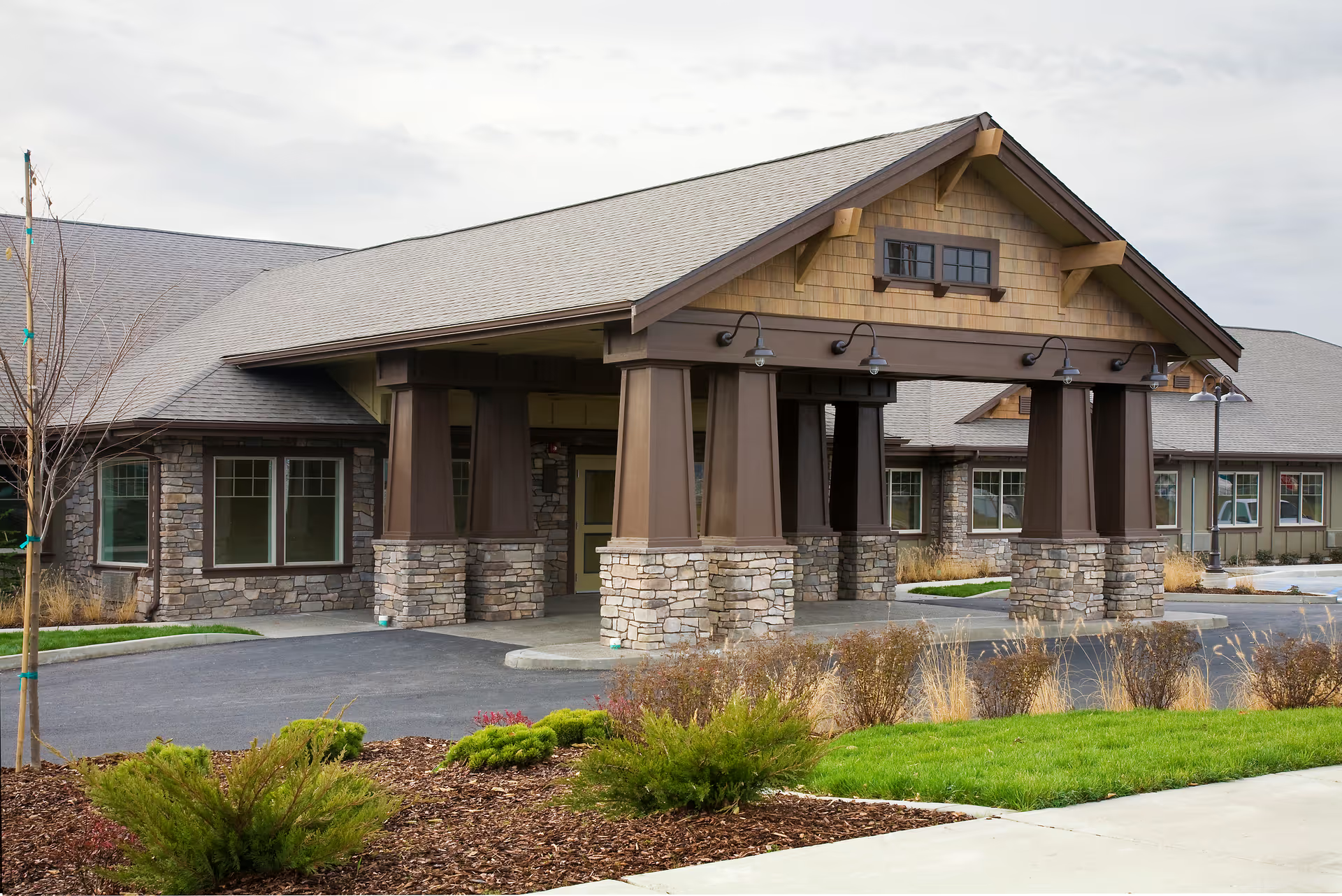
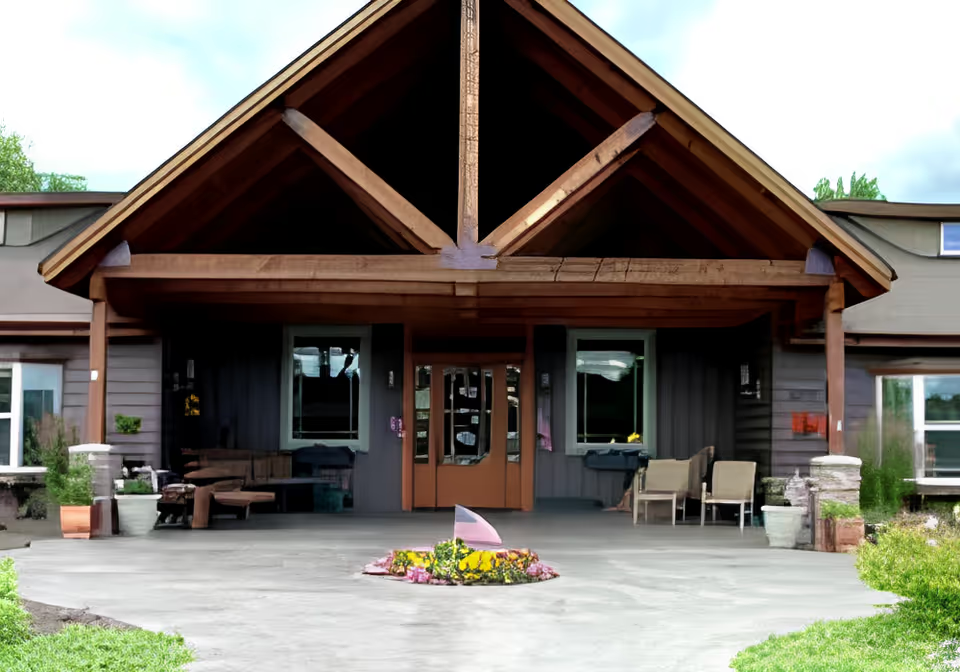
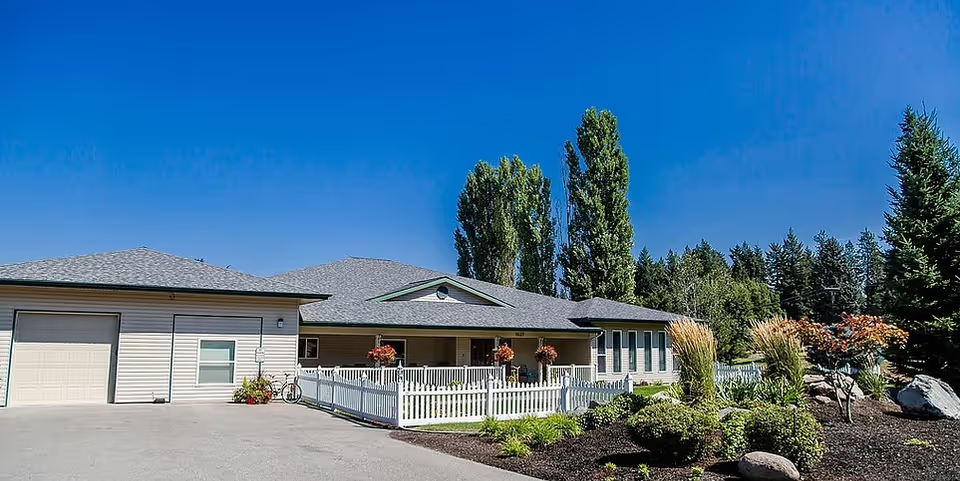
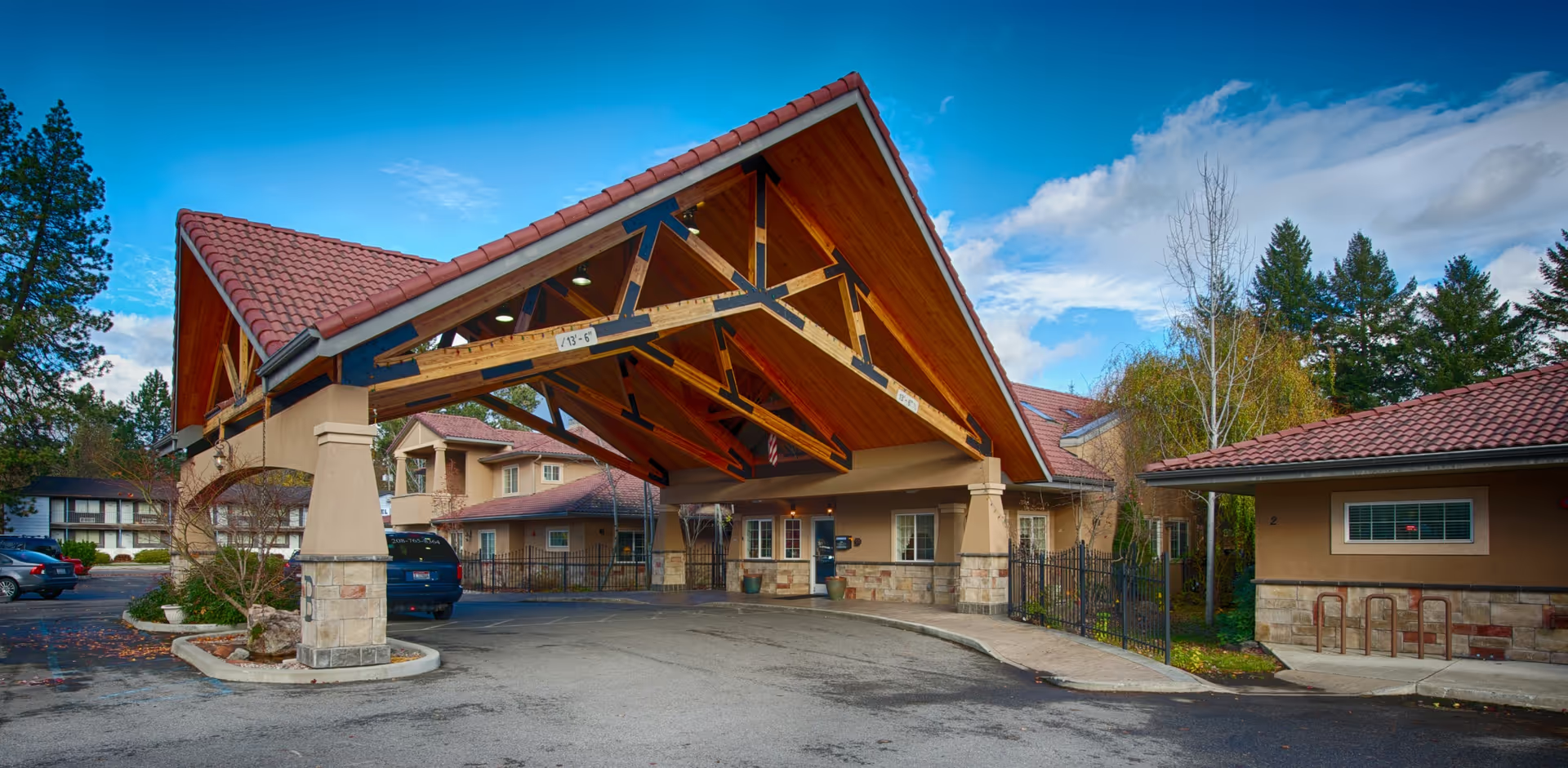
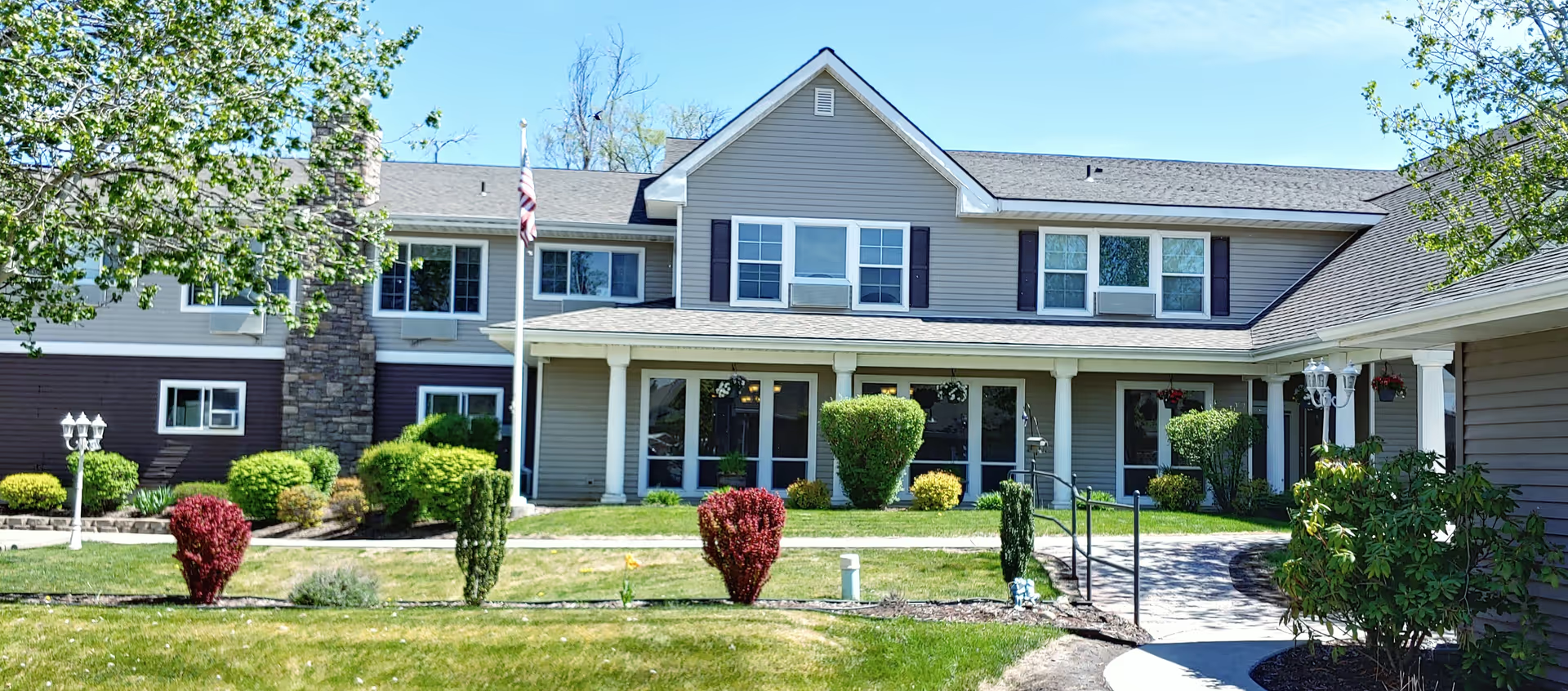
Overall impression: The Renaissance at Coeur D'Alene is described consistently as a new, attractive facility with a cottage-style small-house model that many families find homelike and inviting. Reviewers praise the clean interior spaces, well-kept grounds, courtyard access, and comfortable, well-sized rooms. The facility's aesthetic—lots of windows, appealing decor, and accessible outdoor spaces—comes through as a recurring strength, as do the on-site amenities such as bathing/spa rooms and beauty services.
Staff and care quality: Many families emphasize compassionate, attentive staff and a helpful admissions/tour experience. Caregivers and nurses are frequently described as friendly, professional, and supportive; reviewers note 24-hour supervision and availability of on-site medical care. Several accounts describe clear improvements in residents’ mood and quality of life after placement. At the same time, a pattern of workforce instability emerges: high turnover, reports of long shifts and burnout, and related continuity gaps between shifts. A subset of families raised concerns about medication handling and responsiveness to incidents; prospective residents should ask specific questions about medication protocols, handoff procedures, and staffing ratios during a tour.
Dining and activities: Dining is generally highlighted as a strength—restaurant-style menus, family-style service options, and healthy, well-rounded meals are often mentioned. However, there is some variability in food quality noted by a few families, so meal consistency may differ by day or house. The community offers a robust schedule of activities, including small-group programs, special events (birthday parties, holiday activities), room-side activity support, and opportunities for socializing. These programs support engagement and help many residents to thrive socially.
Management, operations, and transparency: Administrative staff are frequently characterized as welcoming and responsive, and some reviewers note timely resolution of specific operational issues. Nevertheless, there are recurring operational concerns: billing-system disruptions linked to a software transition and questions about fee transparency and extra charges. Communication and incident-reporting processes are another area of concern for some families—examples include issues not being consistently passed between shifts or difficulty obtaining documentation after an incident. These are operational patterns rather than universal experiences, but they are important to confirm with leadership.
Who this may suit and recommended due diligence: The Renaissance appears well suited to families seeking a small-house, cottage-style setting with active programming, attractive grounds, and a staff-oriented culture. For prospective residents with complex clinical needs or those who prioritize strict medication controls and continuous staffing, it is advisable to verify current staffing levels, turnover metrics, medication administration protocols, handoff procedures, and billing practices before committing. Asking for written policies on incident reporting, recent staffing-stability measures, and a sample bill or fee schedule during a tour can help clarify fit and expectations.