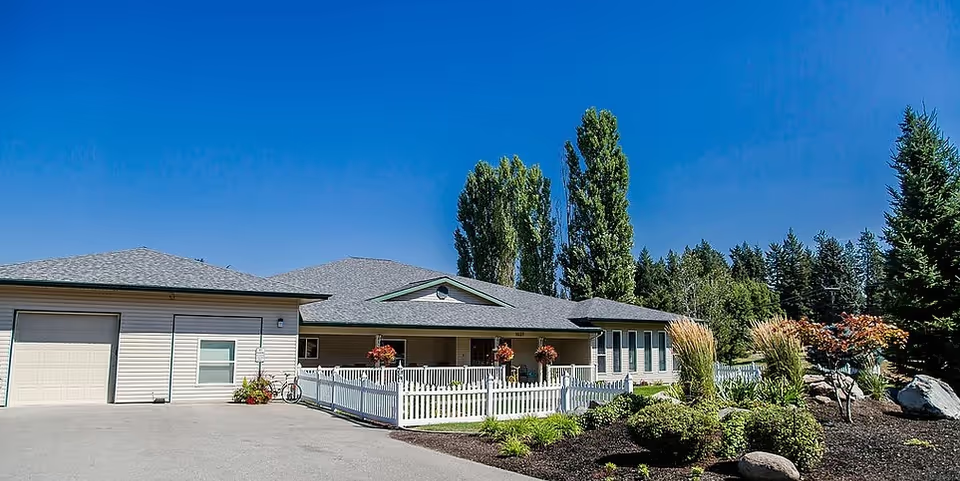
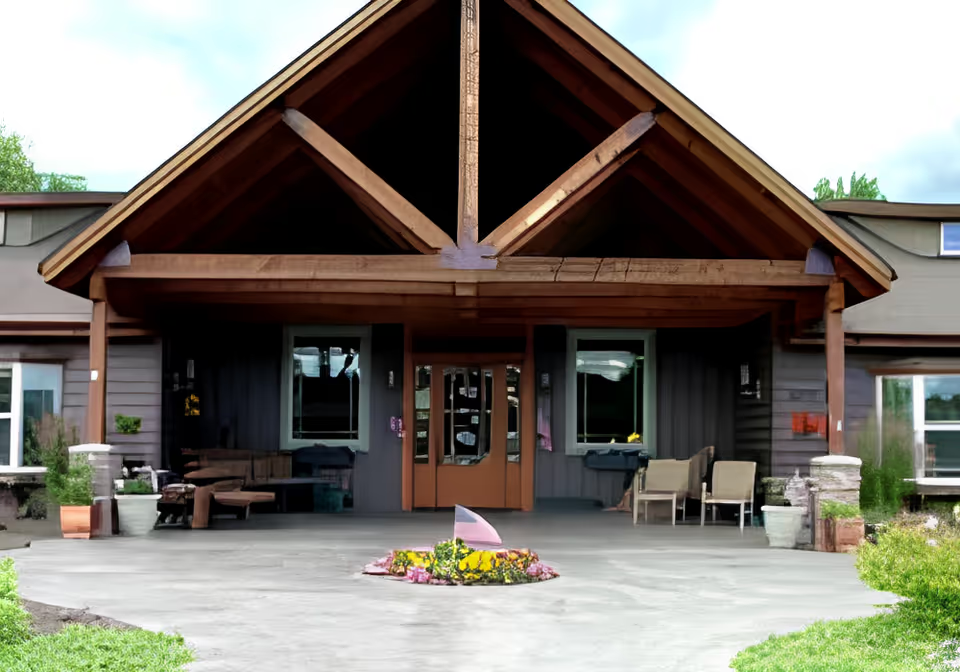
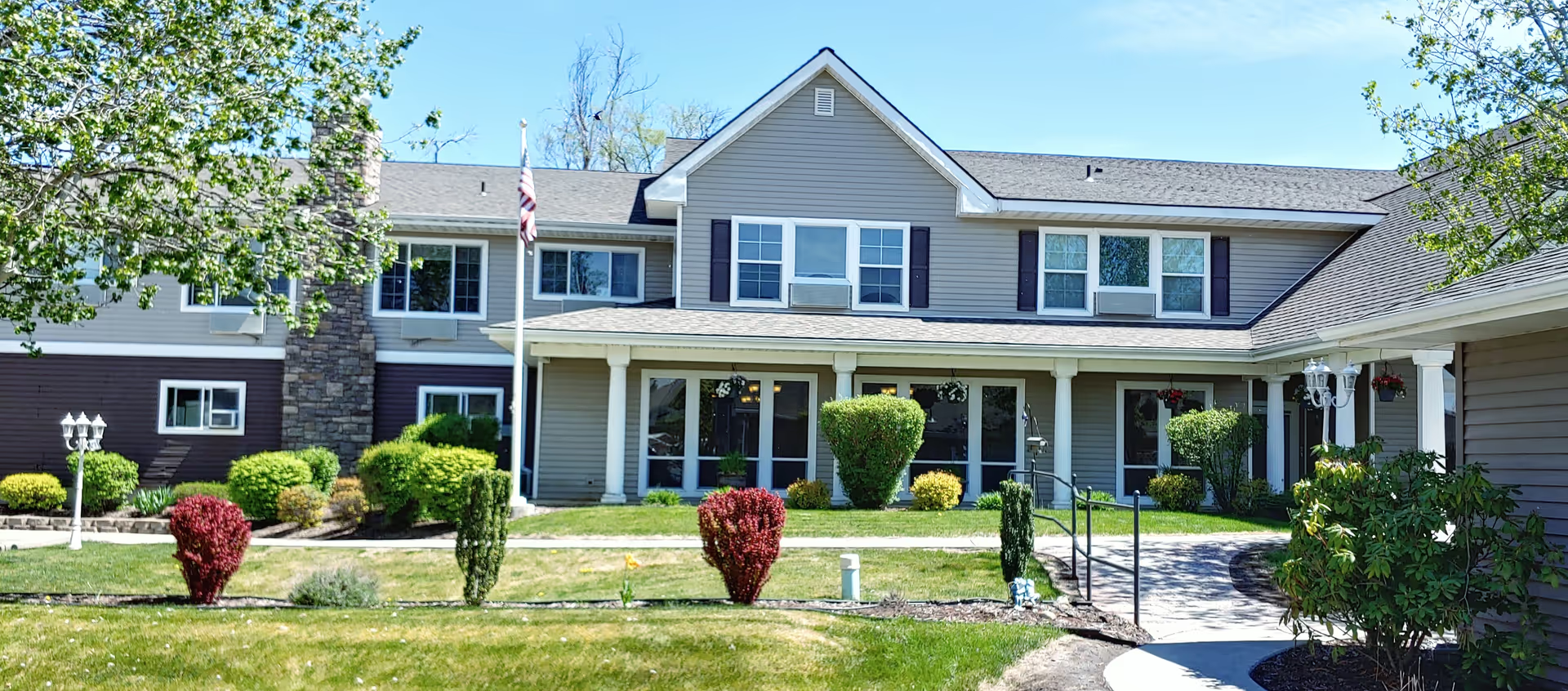
Courtyard at Coeur d'Alene elicits a mixed but distinct pattern: it is consistently praised for hands-on caregiving, a small-house, home-like environment and attractive outdoor amenities, while operational gaps—especially around staffing, housekeeping, dining execution and administration—are repeatedly noted. Many families emphasize that direct care staff (CNAs and nurses) are caring, patient and effective at personal-care tasks and medication administration. The facility’s courtyard, gardens, walking paths and small-house layout are cited as important contributors to residents’ quality of life and social engagement.
Care and staff: Clinical care and bedside manner are recurring strengths. Reviewers frequently describe compassionate, attentive caregivers and continuity of assignment in many cases, which supports resident comfort and family trust. At the same time, staffing levels and turnover are an ongoing operational issue: several families described delays in non-urgent personal care (for example, bathing and laundry sequencing), difficulty finding staff when needed, and times when licensed-nurse coverage appeared limited. The net effect is that direct-care quality is often high when staff are available, but service consistency can fluctuate with staffing churn and workload.
Dining: The dining program shows variability. There is chef oversight and a structured menu, and some residents and families find the meals satisfactory or very good. Conversely, others characterize the execution as inconsistent—meals may be bland, heavily processed, or not match menu descriptions. In practice this creates an inconsistent dining experience across the community rather than a consistently strong culinary offering.
Activities and social programming: The facility offers a broad range of activities—music, games, gardening, tai chi, concerts, BBQs and occasional outings—which many residents enjoy and which help reduce institutional feeling. However, activity delivery can be uneven: scheduled programs are sometimes canceled or limited, craft supplies and small-group options may be sparse, and promised outings are not always delivered at frequency advertised. Where activity staff are engaged and well-staffed, participation and socialization are described positively.
Facilities and cleanliness: The property and common areas receive consistently positive remarks—the courtyards, koi pond, planted beds and communal spaces are frequently described as attractive and well-maintained. Room-level conditions are more variable: some rooms are described as spacious and pleasant with private baths, while others are small, dim, or show signs of aging. Cleanliness in common spaces tends to be rated well, but families have raised sanitation and odor concerns in some resident rooms, bathrooms and laundry processes, indicating inconsistent housekeeping standards across the campus.
Management and administration: Administrative experiences are mixed. Some families find leadership responsive, helpful during transitions and proactive about improvements; others have encountered billing errors, long insurance-processing delays and limited follow-through on concerns. High-level leadership changes and perceived thin administrative bandwidth are cited alongside positive accounts of individual directors or staff who are effective. Security is another administrative area noted: the campus lacks robust secure-gating or camera coverage in places, which raises concern for residents at risk of wandering.
Notable patterns and considerations for families: The strongest, most consistent asset is the caregiving staff and the community atmosphere—many residents and families describe a family-like environment, meaningful caregiver–resident relationships, and enjoyment of outdoor spaces and social events. Conversely, the primary operational risks are staffing consistency, housekeeping/laundry reliability, meal execution variability and administrative/billing processes. Prospective families should ask focused questions about current staffing ratios and turnover, RN coverage, housekeeping and laundry protocols, sample meals, activity adherence, security measures for memory-care residents, and how billing and insurance coordination are handled. In summary, Courtyard at Coeur d'Alene can offer a warm, community-oriented setting with strong caregiving when operational systems are functioning well; however, families seeking consistently high performance across housekeeping, dining and administration should verify those areas during a tour and through recent references.