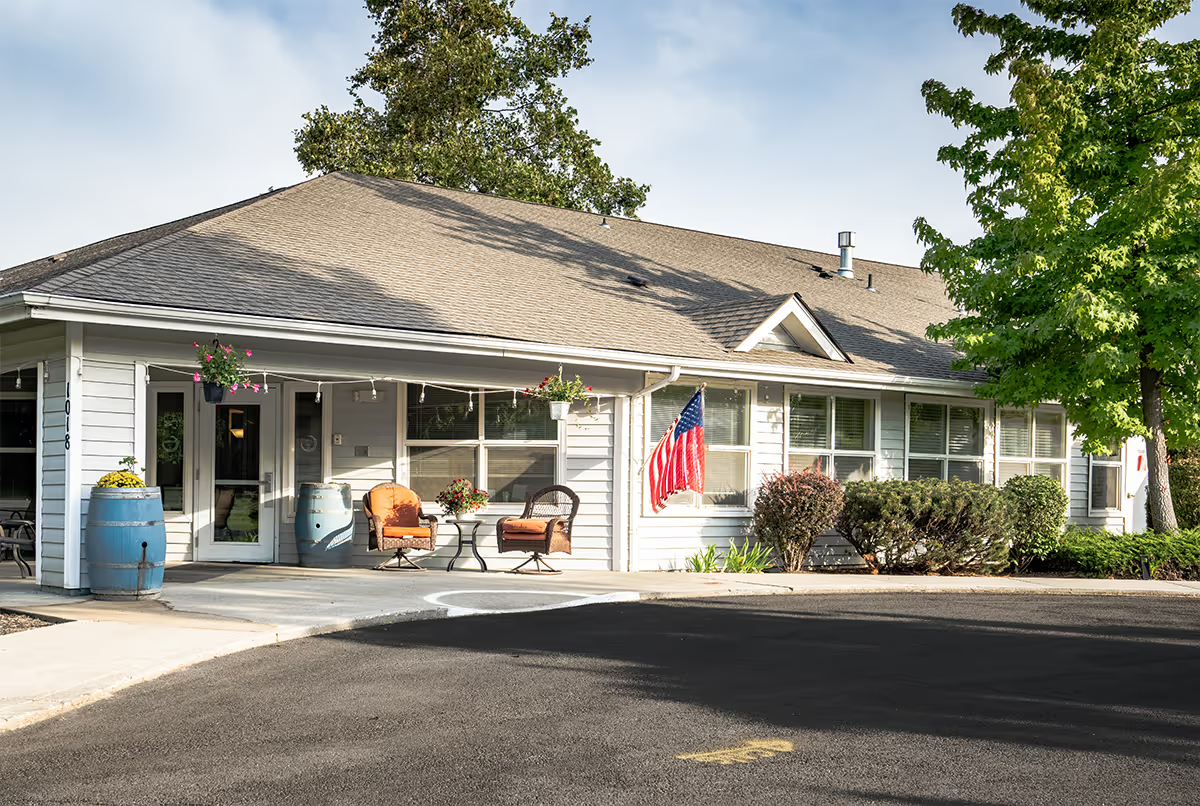
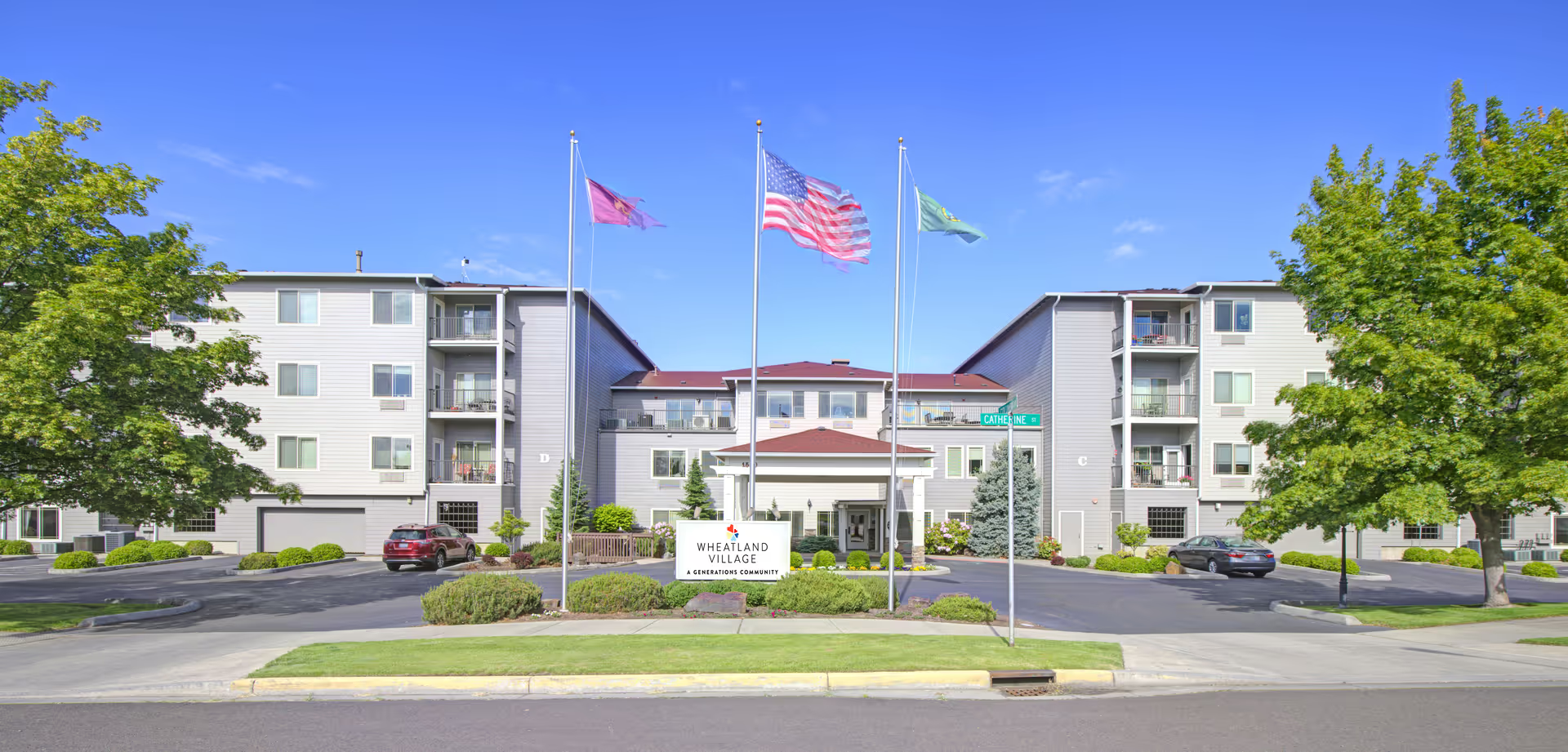
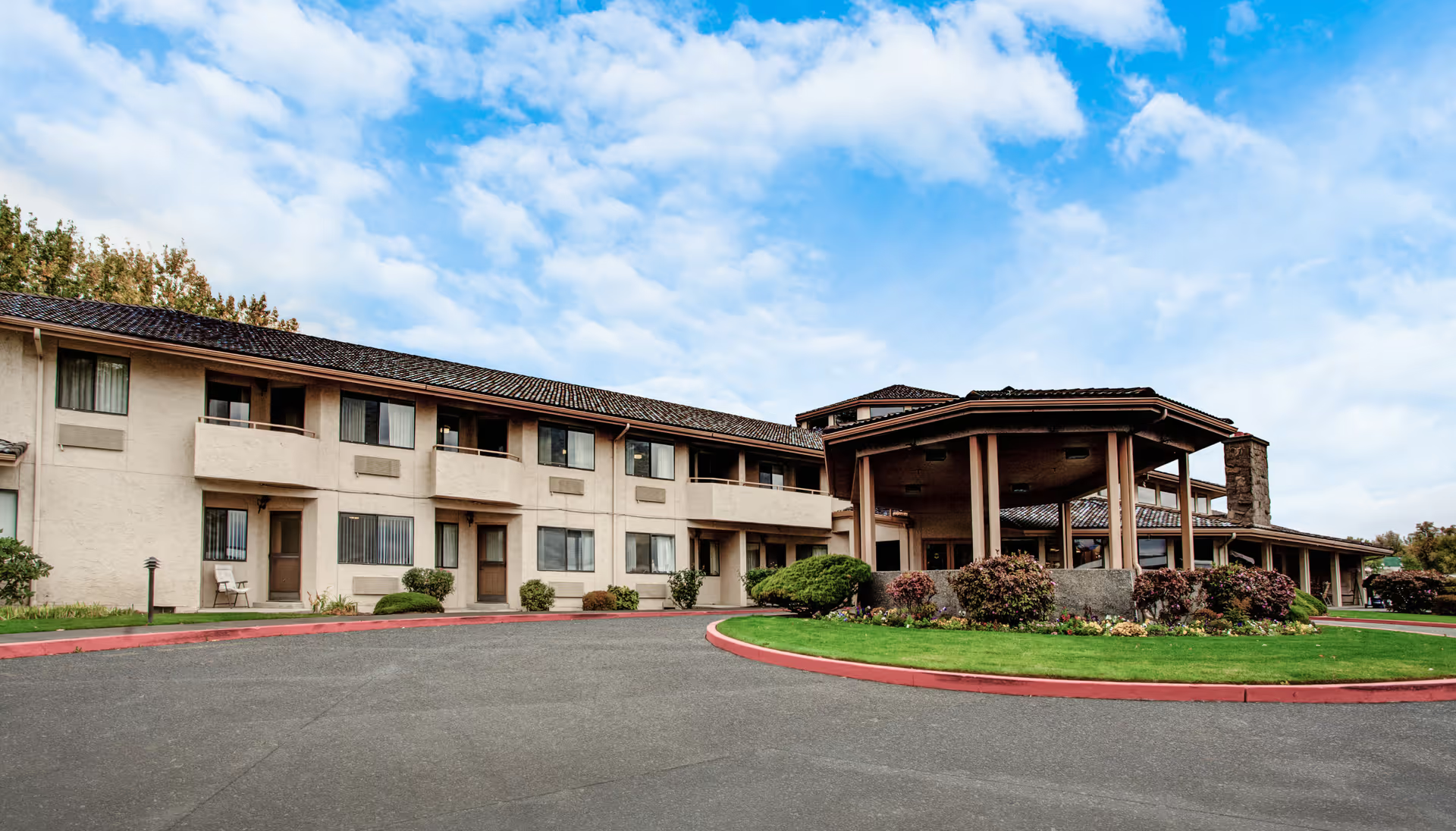
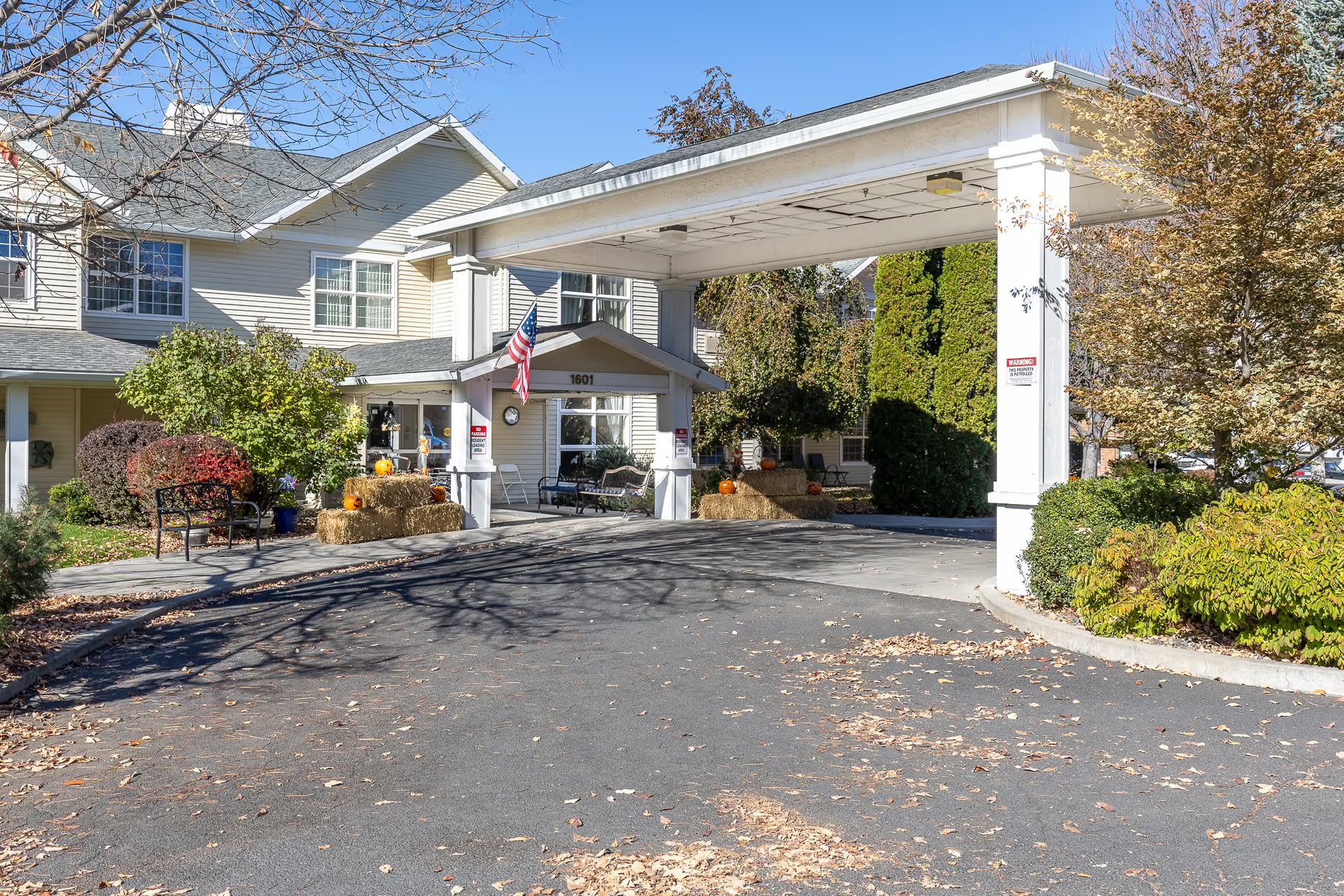
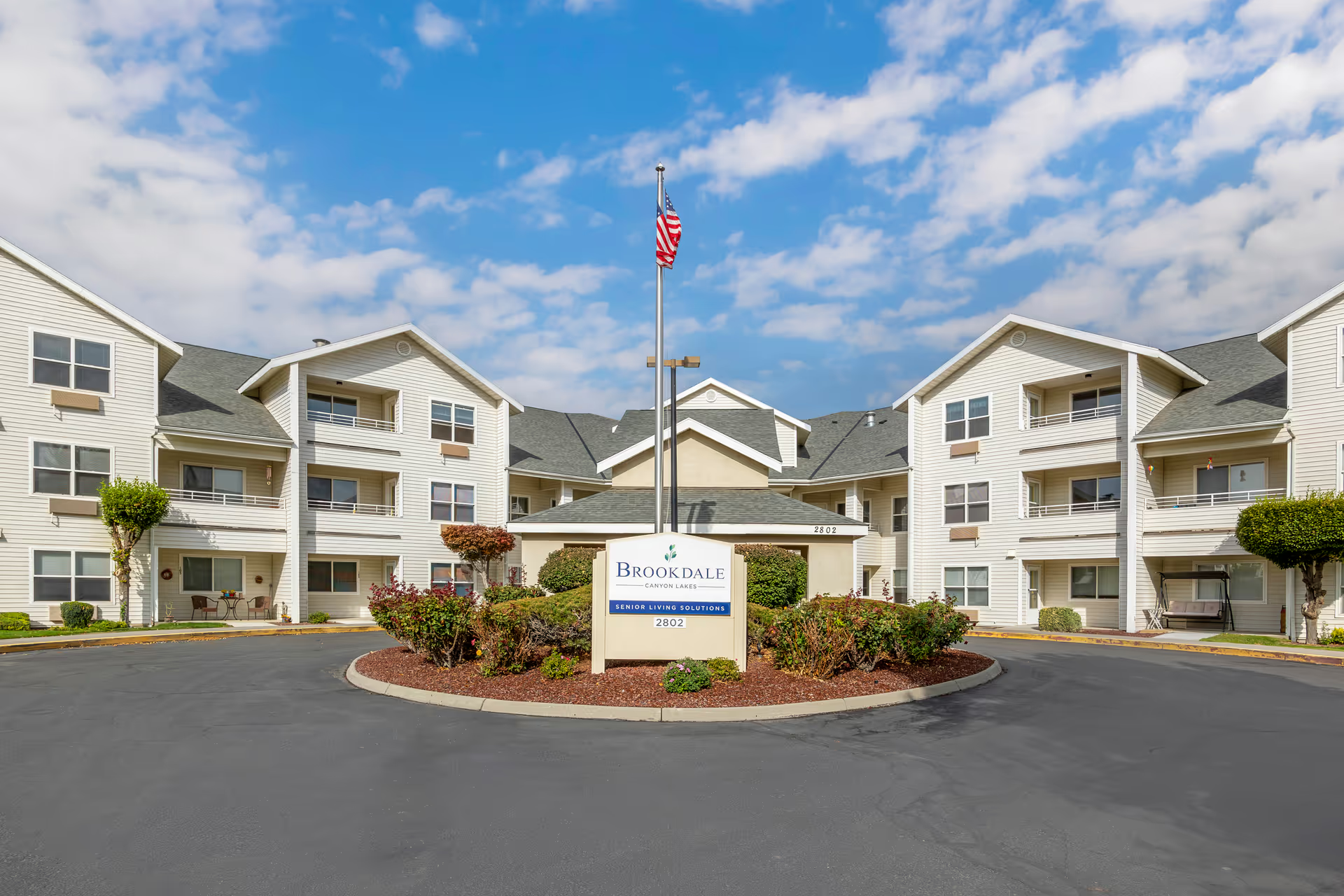
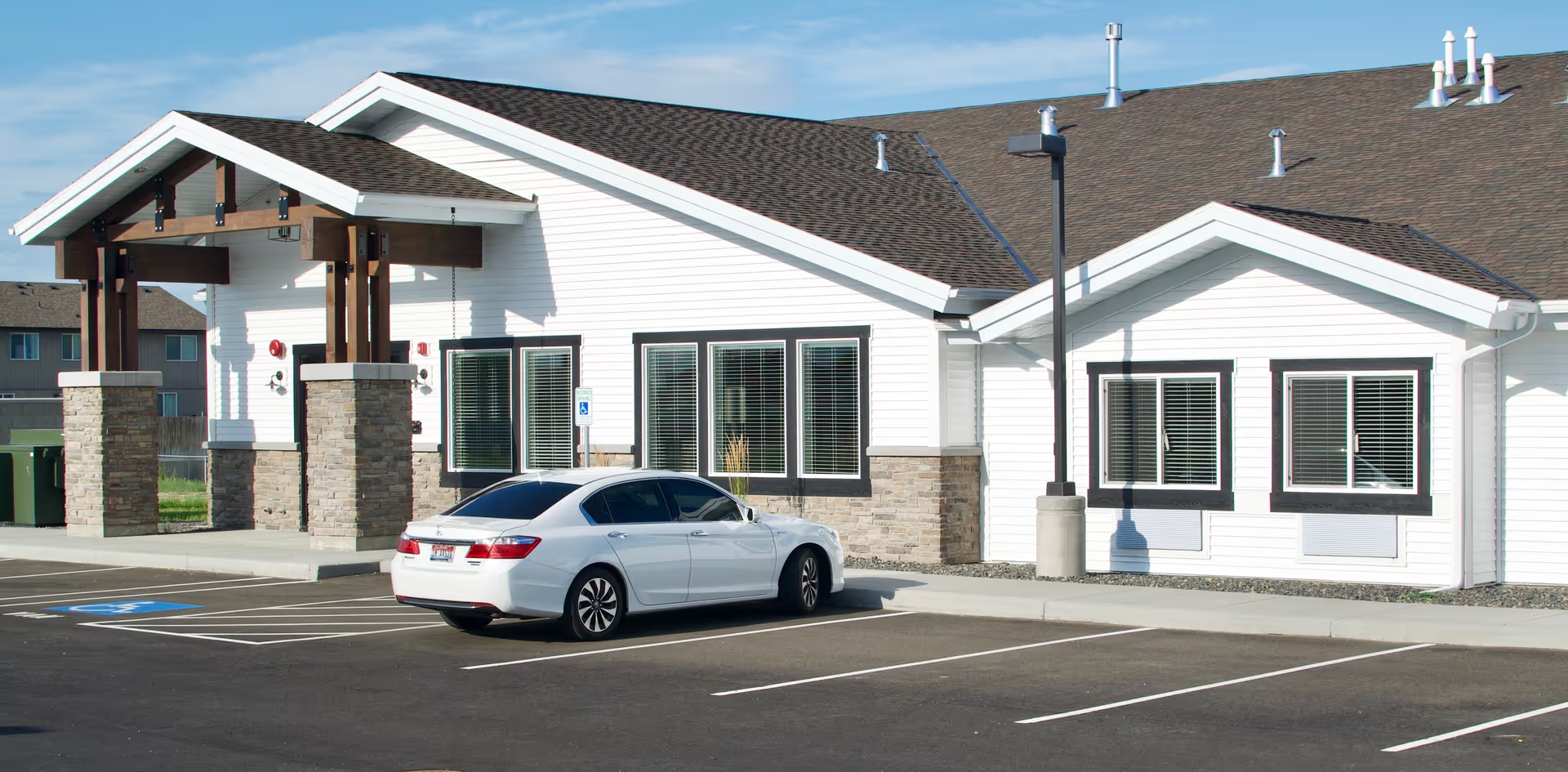
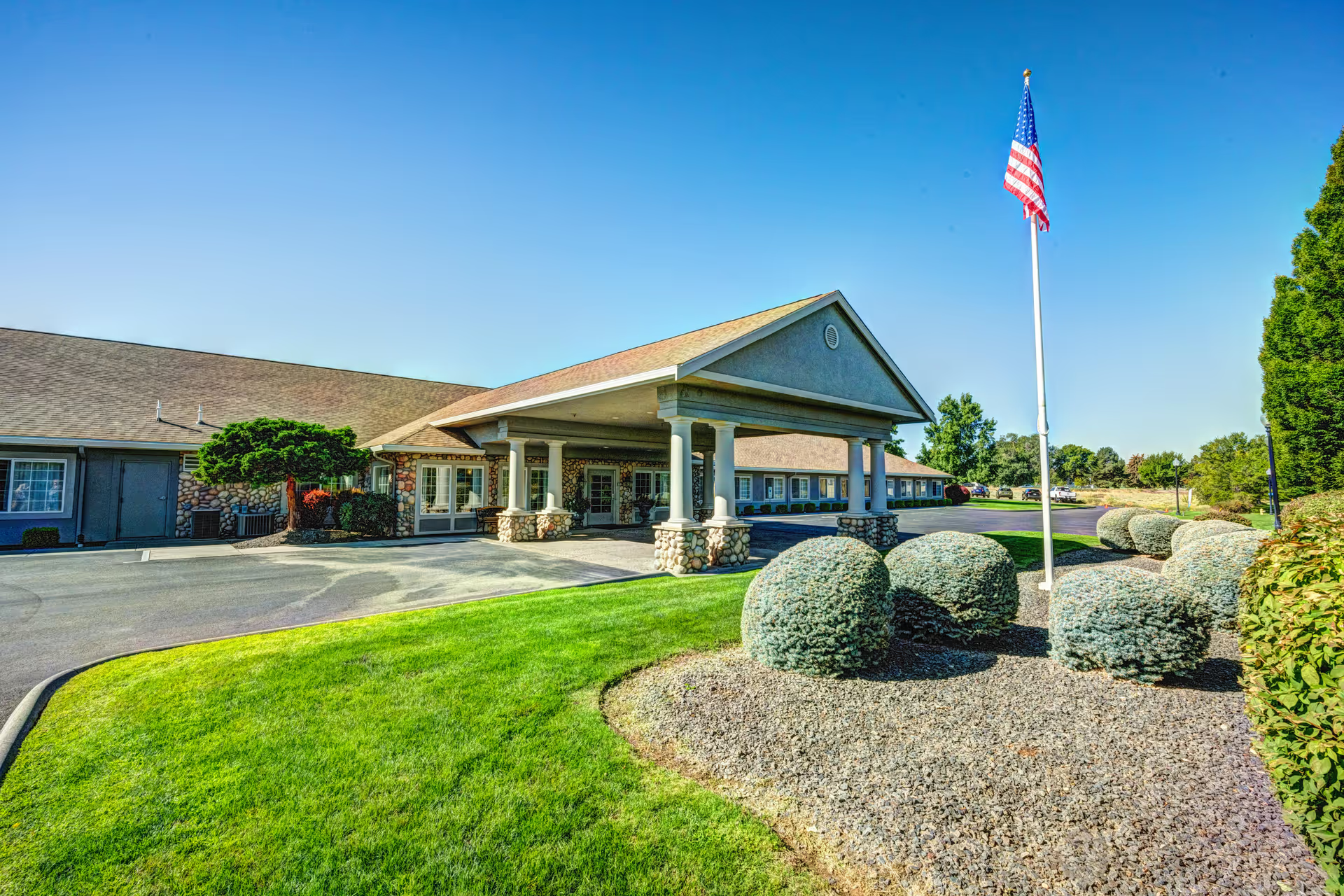
Washington Odd Fellows Home presents as a well-established campus with many strengths in staffing, amenities, and community feel. Reviewers consistently praise the nursing and frontline teams as compassionate, attentive, and willing to go the extra mile; hospice coordination, named caregivers, and a visible nutrition team receive frequent positive mention. The facility offers a range of care levels — skilled nursing, assisted living, and apartment-style units — and several visitors described common areas and programs that support a home-like environment, including a library, auditorium, craft and movie rooms, and a wellness/exercise area.
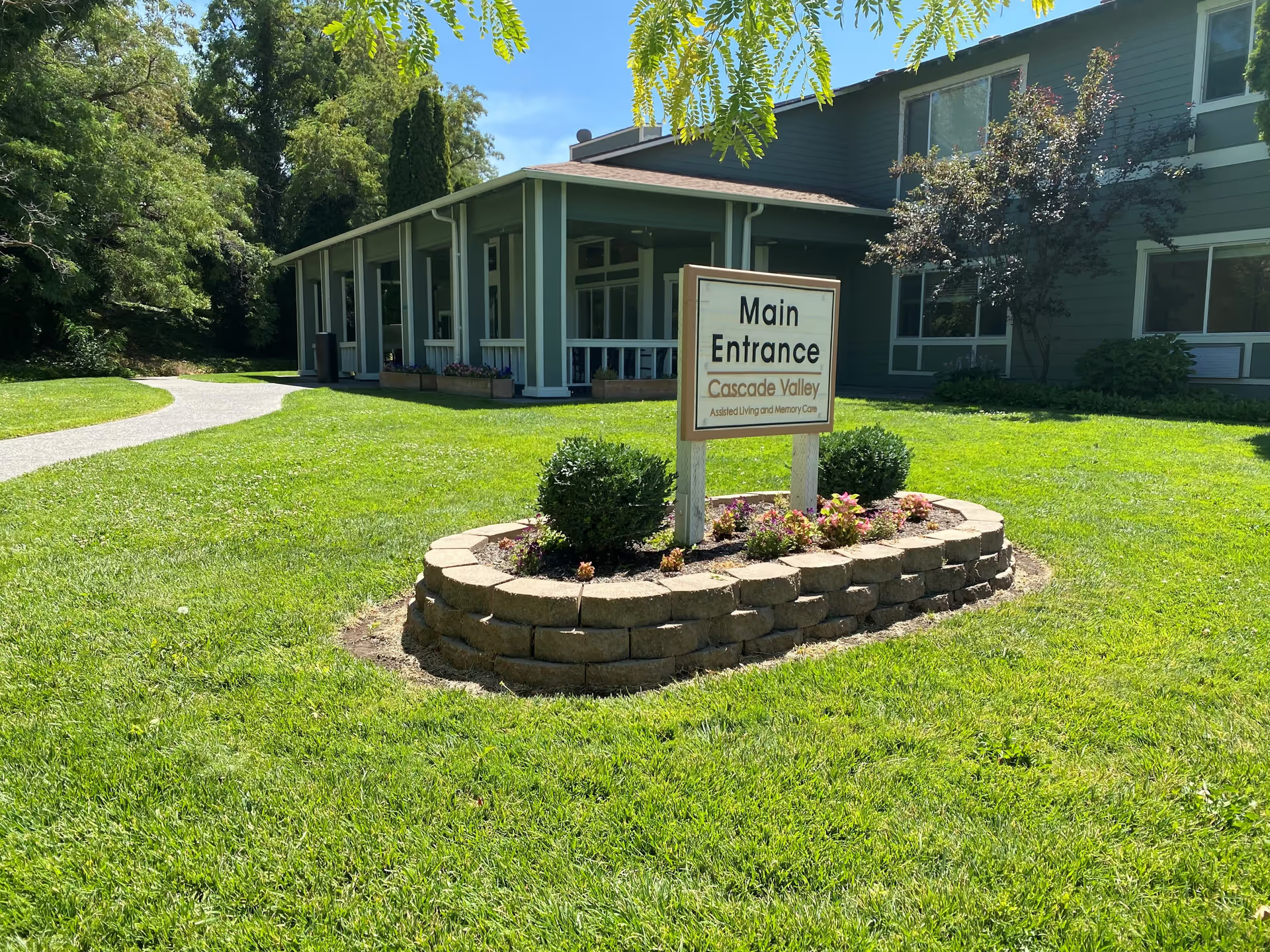
Activities and social programming are clear positives: reviewers note abundant options such as group exercise, crafts, bingo, outings, faith services, and intergenerational or media programming. Outdoor spaces and landscaping are repeatedly described as attractive and calming, and recent updates (for example a remodeled salon and modern interior touches) contribute to a generally pleasant environment. Dining and nutrition are also spoken of favorably, with multiple comments about good food and an engaged nutrition team.
Despite these strengths, reviewers describe operational weaknesses that prospective families should examine. There are recurring accounts of delayed responses to resident requests and variability in staffing levels, which together create concerns about timely personal-care assistance. Some visitors raised sanitation concerns related to personal-care areas and noted uneven cleanliness in particular situations. Additionally, the campus contains a mix of building conditions and atmospheres — some wings and units feel modern and home-like while others are described as older or more institutional — which suggests variability in the resident experience depending on location.
There are also mentions of specific serious incidents that prompted family concern and, in at least one case, a regulatory inquiry. These accounts have prompted questions about incident-response protocols, family communication after clinical events, and overall quality oversight. Separately, a few reviewers described usability issues with automated check-in technology and other user-interface elements that may be challenging for older visitors. Conversely, other reviewers emphasized strong, personalized interactions between staff and residents and a non‑profit/community-oriented culture that many families appreciate.
In summary, Washington Odd Fellows Home appears to offer strong clinical resources, an active activities program, pleasant grounds, and a staff culture many families find caring and engaged. However, there are notable operational patterns — including staffing variability, responsiveness delays, sanitation concerns in some care contexts, and uneven facility conditions — that warrant direct inquiry during a tour. Prospective residents and families should ask targeted questions about current staffing ratios, incident-response procedures, sanitation protocols, oversight of care quality, and which buildings/units match their preferences so they can align expectations with the specific living area they are considering.