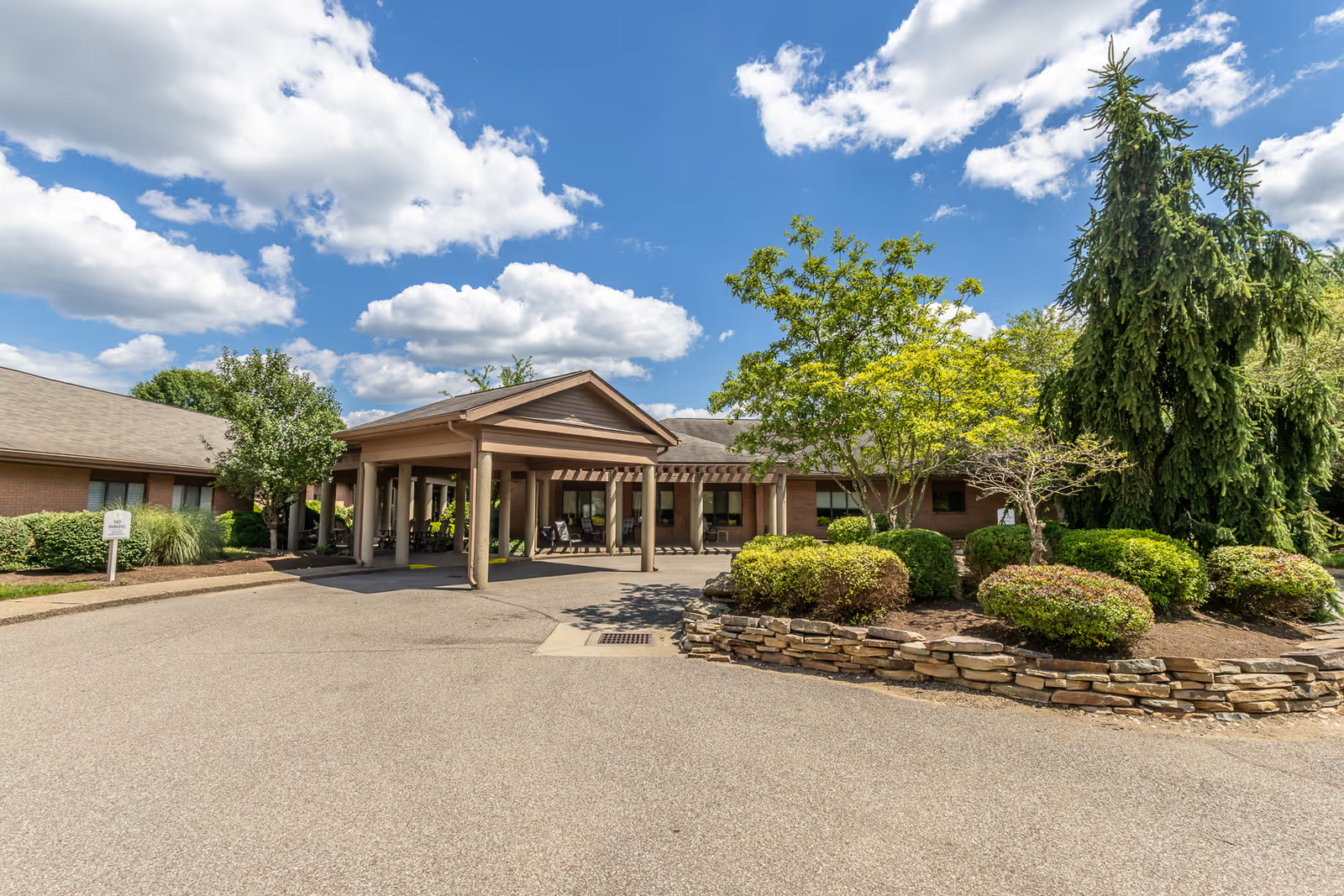
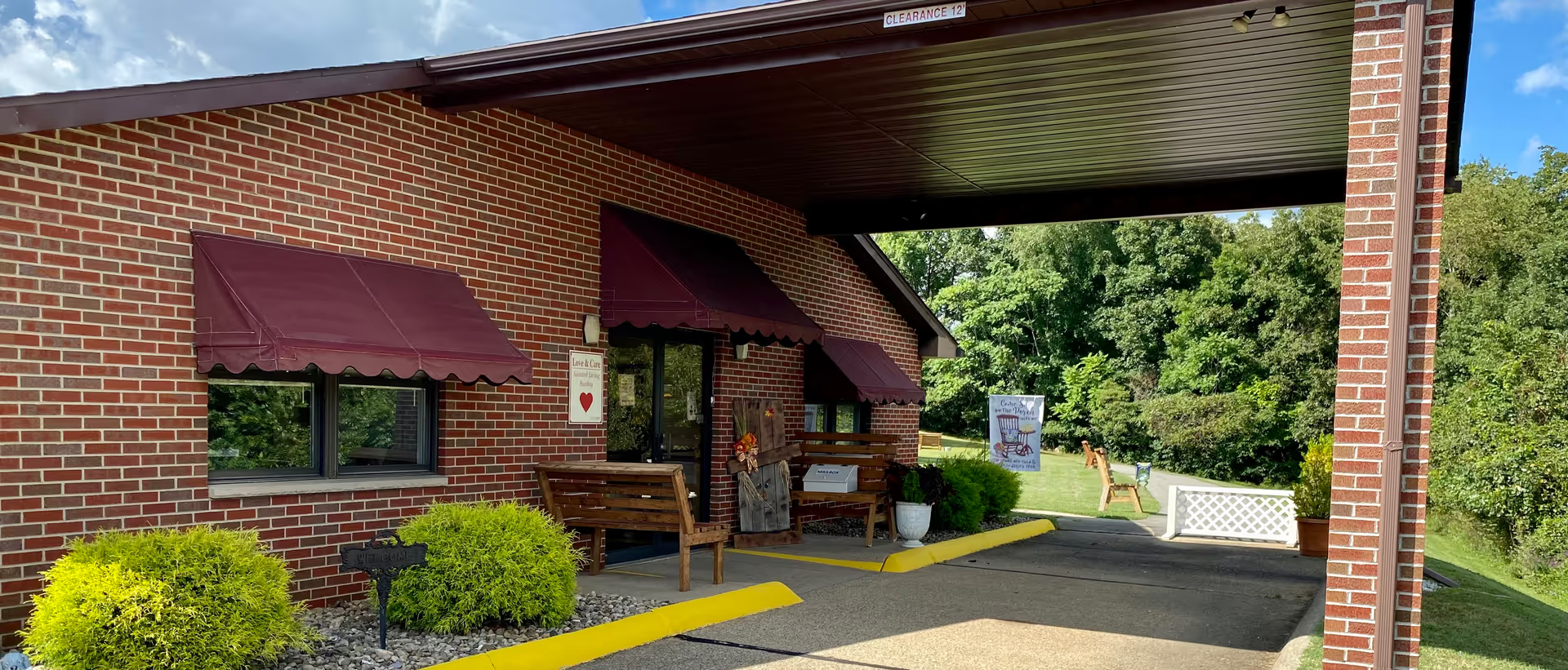
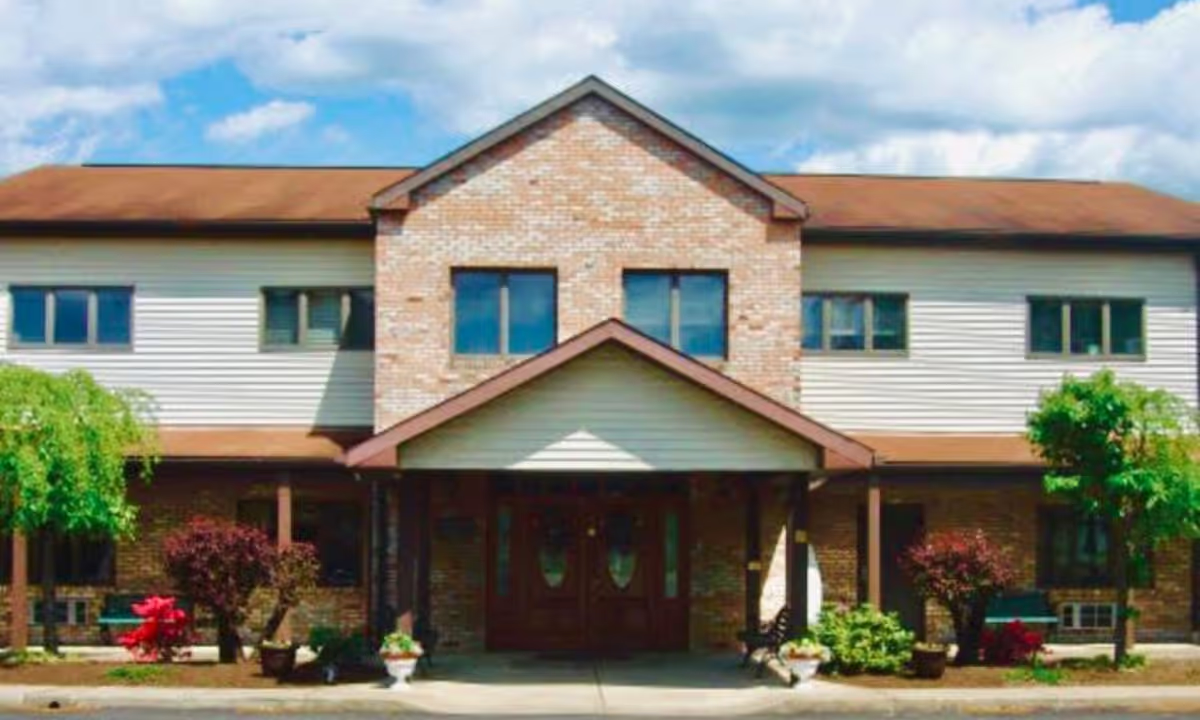
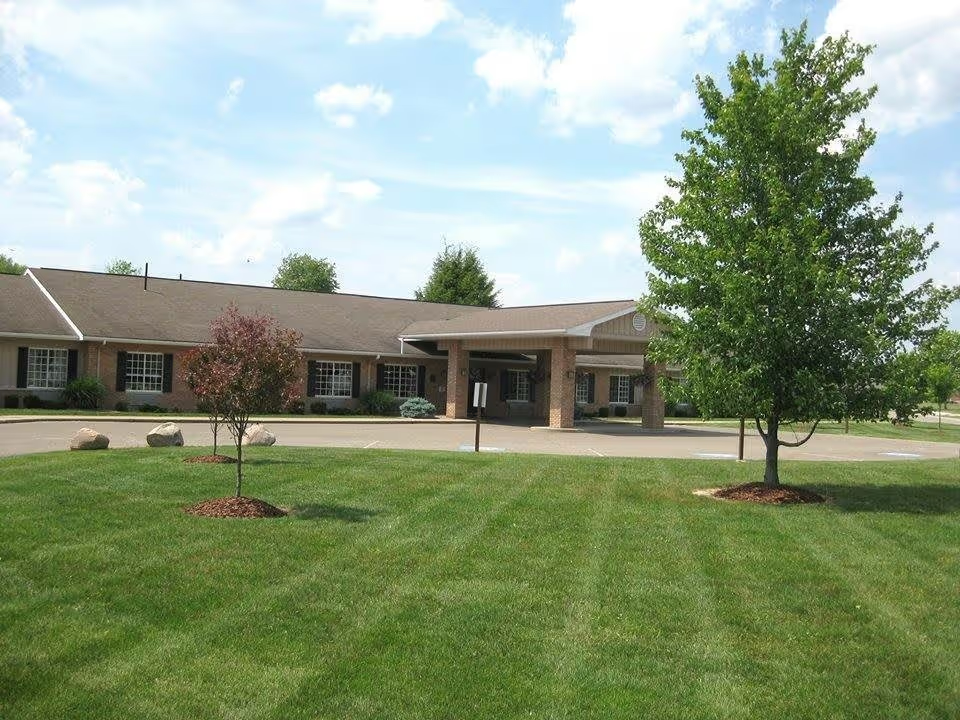
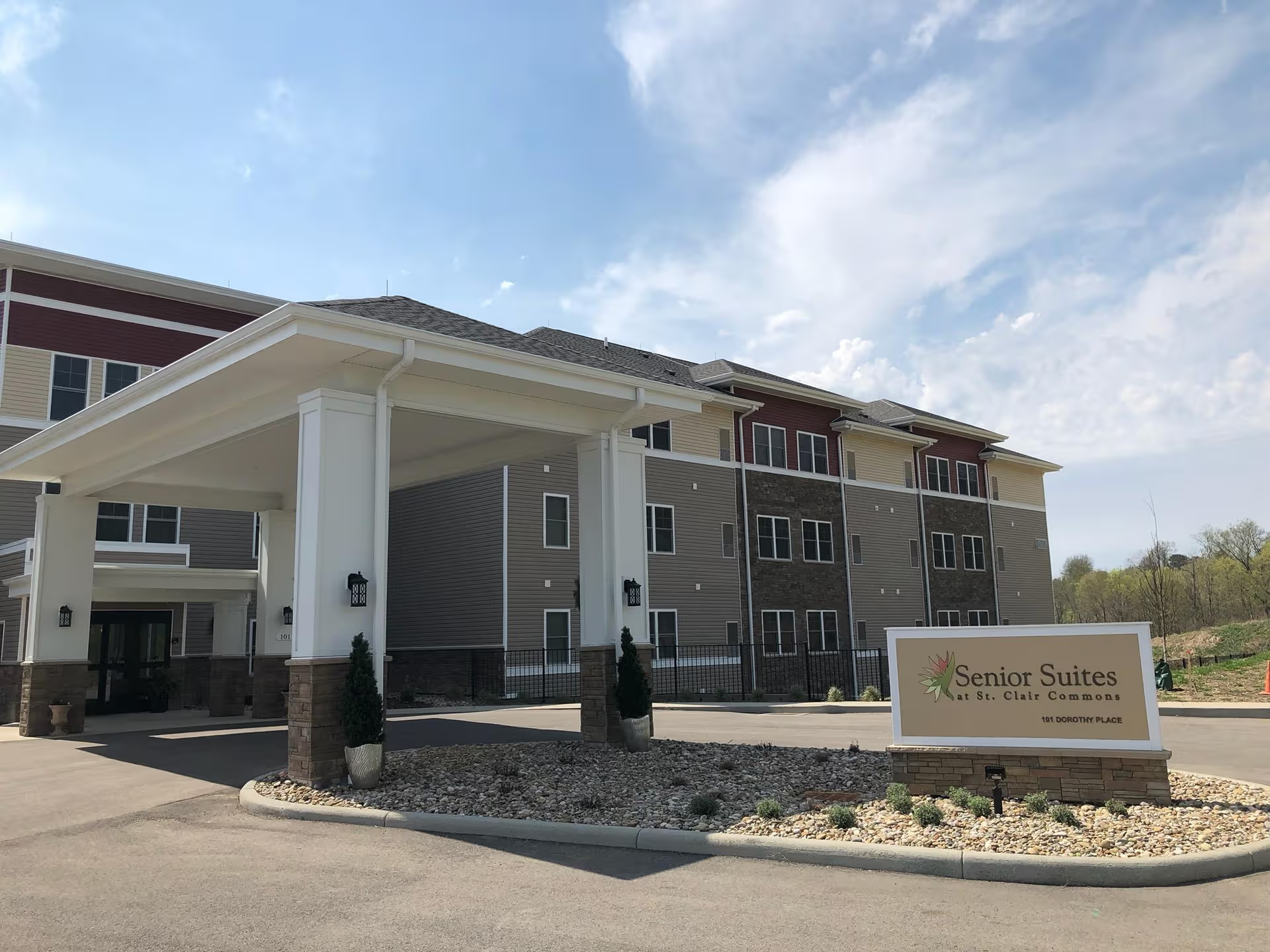
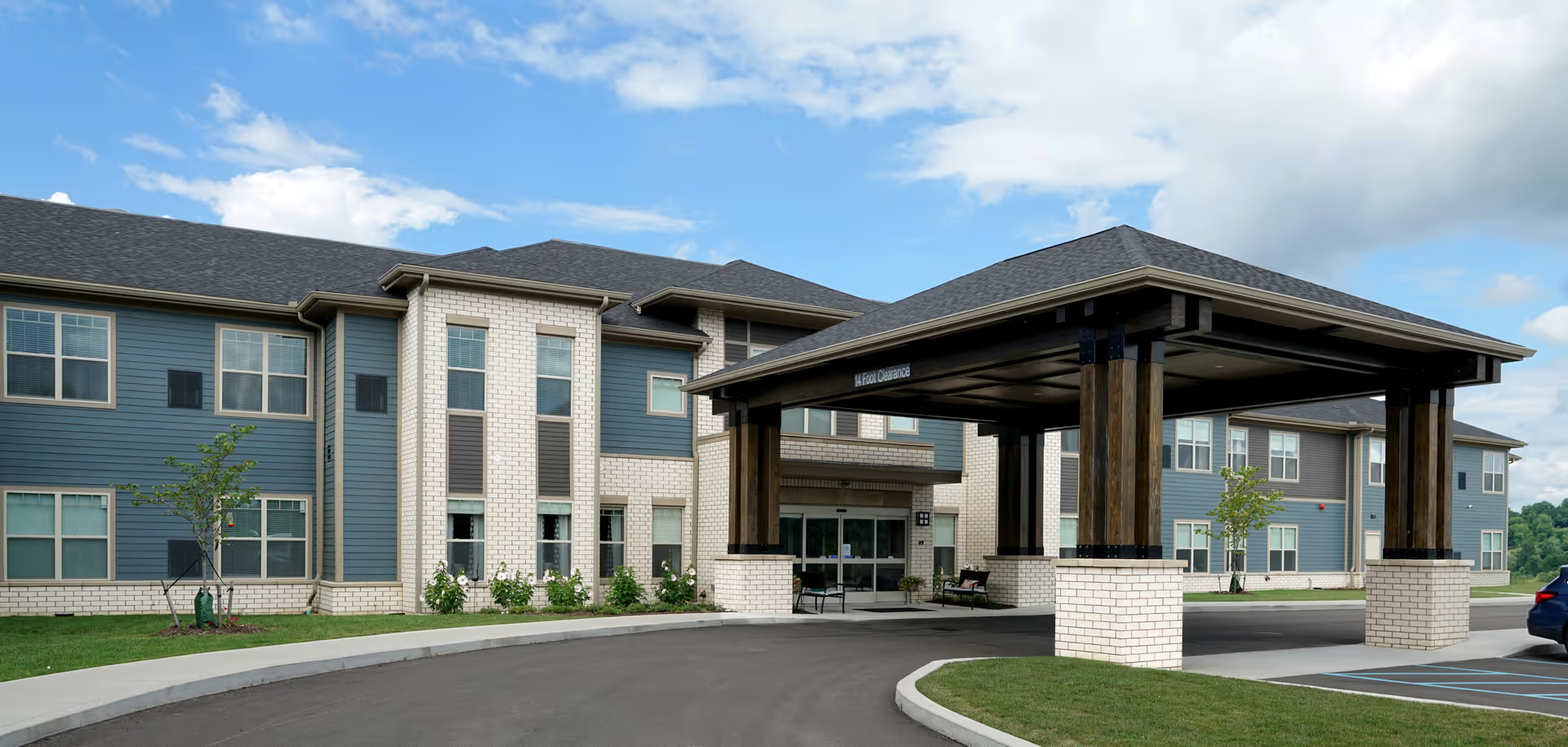
Belmont Healthcare Center presents as a small, quiet, home-like nursing facility with a number of clear strengths alongside notable operational weaknesses. Families frequently describe a compassionate, hands-on staff and highlight a strong therapy/rehabilitation department that helps residents regain or maintain functional abilities. Long staff tenure and a generally warm, comforting atmosphere — including personalized emotional or spiritual supports — are consistent positives that prospective residents may find reassuring.
Care quality appears mixed. Many accounts praise direct-care staff and unit managers for kindness, effective communication, and problem resolution; however, several families reported serious clinical concerns for individual residents, including weight loss, infections, and pressure-related skin issues. These individual accounts suggest gaps in clinical monitoring and follow-up for nutrition and skin integrity. There is also at least one serious allegation regarding restricted discharge/transfer; while this appears to be an isolated claim, it underscores the importance of clarifying discharge and escalation policies before placement.
Staffing and workload emerge as central operational themes. Reviewers repeatedly described chronic understaffing and overworked CNAs, which staff themselves and family members say can lead to delayed assistance and increased strain on frontline caregivers. While many families felt the overwork did not erode compassion, the staffing pattern is a facility-level risk factor that can affect timeliness and consistency of routine care.
Dining, laundry, and property management are areas of concern. Several families described inconsistent food quality and expressed that the dietary department could use improvement. Laundry and property controls were also flagged: understaffed laundry operations and instances of missing personal items indicate weaknesses in inventory and recovery procedures. Prospective residents should inquire about linen handling, labeling, and lost-item policies.
Activities and daily life are generally described positively: staff interaction encourages participation, and the facility’s smaller size supports a more personal environment. Facilities themselves are described as pleasant and quiet, which may suit residents who prefer a less institutional setting.
Management and governance present a mixed picture. Unit-level managers are often cited as proactive and communicative, and the facility supports Medicaid admissions, which can be important for many families. At the same time, some families perceive inconsistencies in how resident rights and governance are applied. Given the mix of positive and negative experiences, prospective residents and family members should ask targeted questions about staffing ratios, clinical monitoring protocols (including wound prevention and nutritional oversight), incident escalation and discharge policies, dietary accommodations, laundry/property procedures, and how the facility documents and resolves family concerns.
Overall, Belmont shows strengths in therapy, staff compassion, and a homelike atmosphere, but the recurring operational issues — particularly chronic understaffing, dining shortcomings, clinical-monitoring gaps, and property-management weaknesses — merit careful evaluation during tours and conversations with leadership.