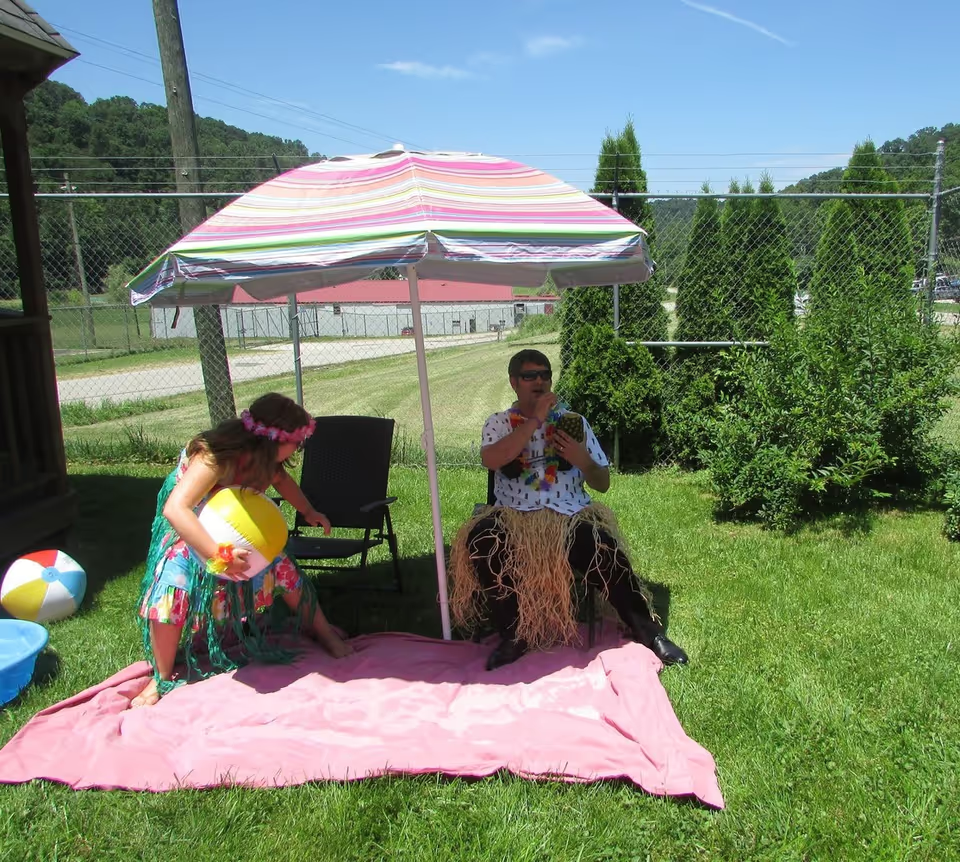
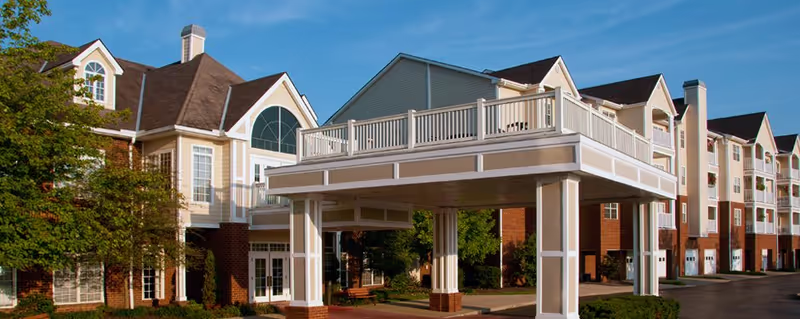
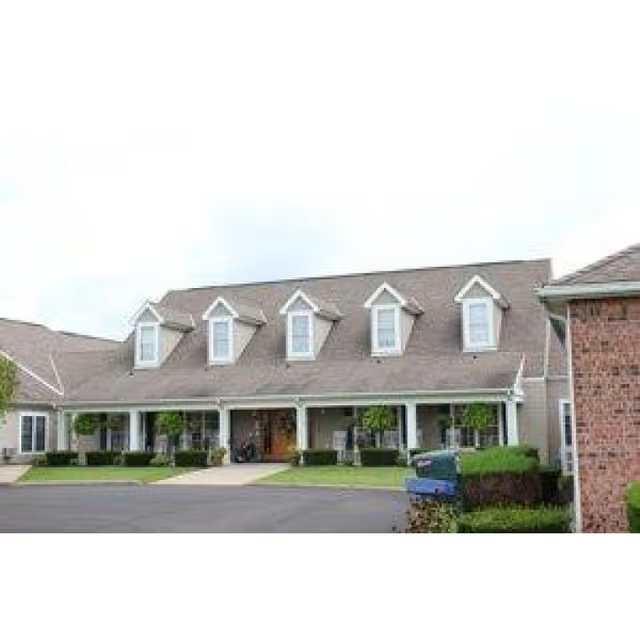
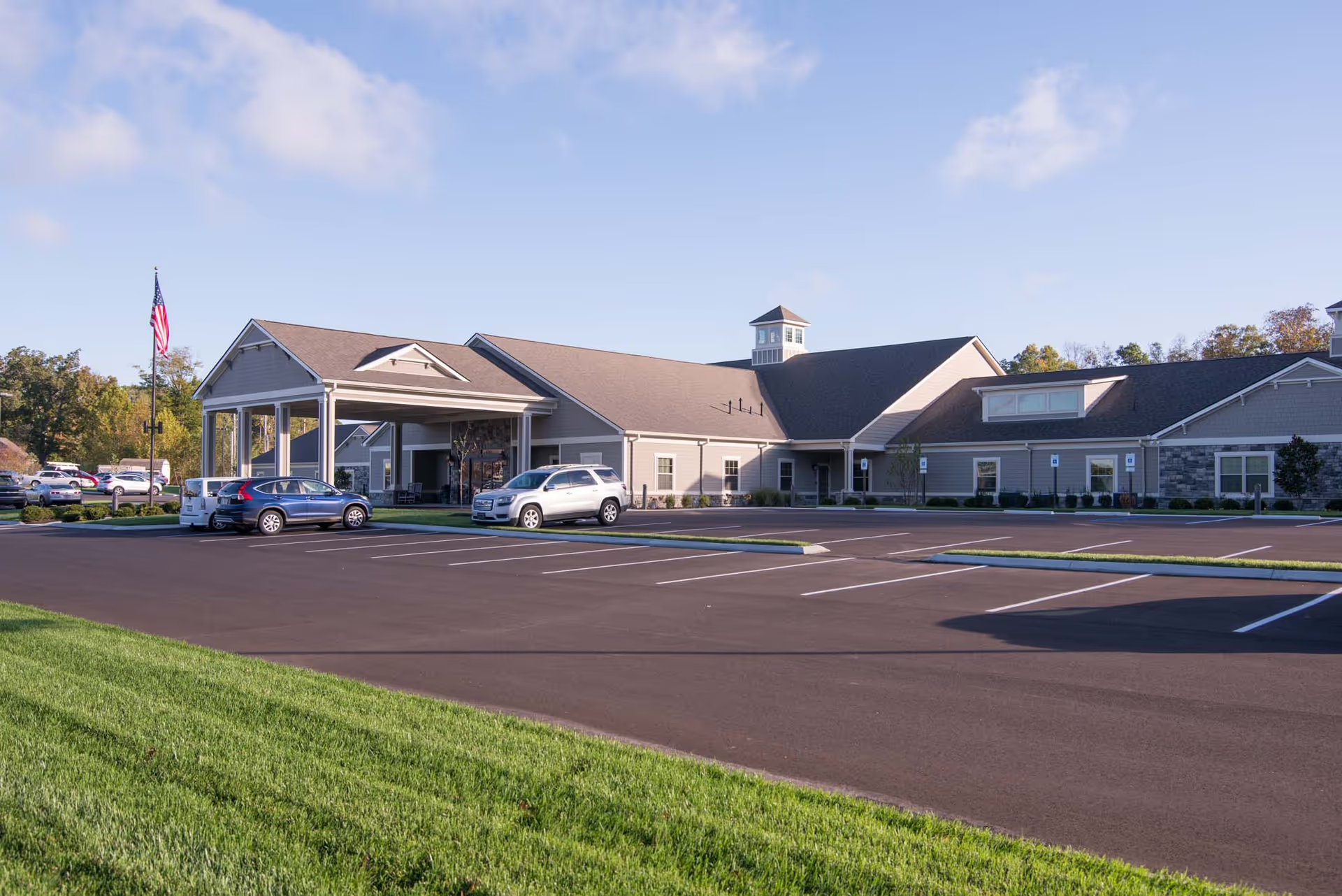
Reviewer feedback for Cabell Healthcare Center is highly mixed, with a clear split between accounts of high-quality clinical and social care and accounts describing operational lapses that affect day-to-day resident experience. On the positive side, many families praise the facility’s modern, clean environment, strong physical therapy program, and generally compassionate, attentive nursing and caregiving teams. Administrators are frequently described as informative and helpful, and several reviewers highlighted thoughtful touches such as private dining options, birthday celebrations, and a program of engaging activities that support socialization for long-term residents.
Counterbalancing these positive reports are multiple operational concerns that appear to cluster around a period of management transition. Several reviewers indicated declines in basic maintenance and sanitation in certain areas, and there are explicit pest-control concerns. Related to personal care, reviewers raised issues about inconsistent assistance with hygiene and incontinence needs and about delays or gaps in feeding and hydration support; one reviewer also referenced a pressure wound (stage 2), which aligns with broader concerns about wound-care and monitoring continuity. Meal quality descriptions vary greatly between accounts — some praise the dining, while others describe inconsistent meals and a reliance on families to supplement food when needed.
Communication and administrative processes are another recurring theme. Families reported limited updates, difficulty accessing resident financial accounts, and barriers tied to Medicaid — including restricted acceptance of Medicaid patients and placement delays. Several comments tie a decline in service quality to an ownership change, suggesting management instability has had operational impact. Staffing responsiveness and continuity appear inconsistent: while many describe kind and attentive staff, other accounts point to slow response times for assistance and variability in caregiver performance.
For prospective residents and families, the pattern is one of polarization: strong clinical and rehabilitative services and a well-appointed facility can coexist with operational weaknesses that directly affect daily comfort and care continuity. When evaluating the facility, it would be prudent to ask about recent ownership or management changes, staffing ratios and turnover, sanitation and pest-control protocols, wound-care and nutrition/hydration procedures, Medicaid intake policies, and the process for accessing resident funds and family communications. Verifying recent inspection reports and requesting references from current long-term residents or families may help clarify whether praised practices are consistent and whether cited operational issues have been addressed.