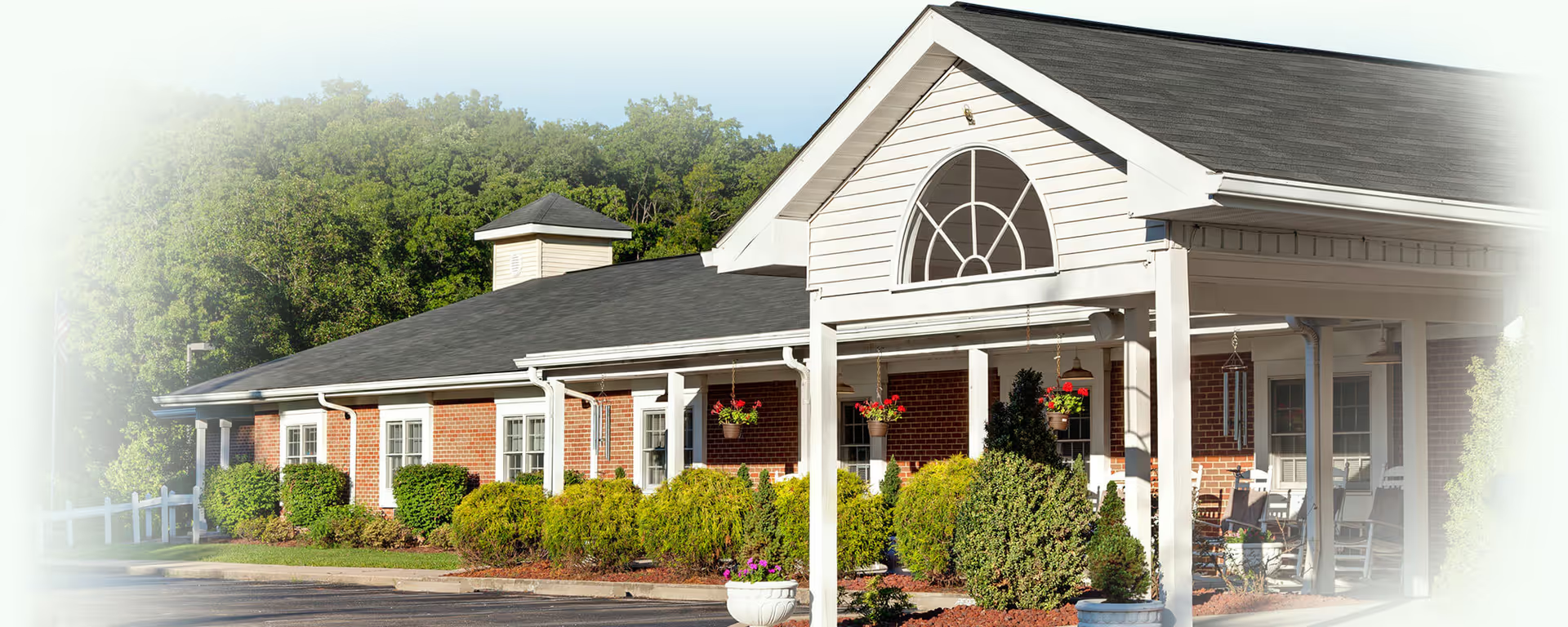
The body of reviews reflects a facility with a mix of clear strengths and persistent operational challenges. Strengths commonly noted include a number of compassionate, hands-on nurses and CNAs who build rapport with residents, a therapy department that produced meaningful short-term rehabilitation gains for some patients, and skilled wound-care clinicians in certain cases. Many families described positive social programming, special events, and a generally welcoming atmosphere in some units; common areas and rooms were described as clean and well-maintained by multiple correspondents. Several accounts also highlighted accessible leadership, an engaged Director of Nursing, and attentiveness during end-of-life care.
Counterbalancing those positives are recurrent, facility-level weaknesses that affect resident safety, comfort, and family confidence. Chronic understaffing and high staff workload are the most frequent operational concerns; reviewers described delayed responses to call lights, long waits for assistance, and staffing levels that limit routine care tasks. Related to staffing, reviewers described inconsistencies in medication administration and medication documentation, as well as delays or changes in medication without clear family communication. These patterns suggest gaps in clinical processes and medication-management controls that families should evaluate closely.
Several reviewers raised issues about basic care processes and the physical environment. There are consistent mentions of inconsistent bathing and incontinence-care schedules, sanitation and odor concerns in certain areas, and episodes of supply shortages. Meal quality and reliability were variable across reports, including complaints about cold or limited meal options and special-diet handling. Facility maintenance was described as uneven: some units and communal spaces are clean and spacious, while others were described as dated or in need of renovation. Pest-control and odor issues were mentioned and merit inspection during a visit.
Communication and administrative practices are another notable pattern. Families frequently reported difficulty reaching staff by phone, delayed or vague clinical updates, and aggressive billing interactions. Coordination gaps between nursing, therapy, and physicians were reported, including inconsistent therapy follow-through and problems arranging outside medical care. Several reviews described troubling individual incidents — including property mishandling, allegations of misconduct, and concerns following resident deaths or post-discharge outcomes — which indicate the need for close review of the facility’s incident-response, grievance, and accountability mechanisms.
For prospective residents and families: Huntington Health and Rehabilitation Center offers clear positive elements — capable therapy services in many cases, caring individual staff members, and successful short-term rehab stories — but it also exhibits systemic operational challenges that can materially affect care. Before placement, consider an in-person tour focused on staffing ratios for the unit, observable cleanliness and odor control, meal-service procedures for special diets, medication-administration policies, fall-prevention measures (bed alarms/rails and transfer protocols), and channels for escalation and billing disputes. Asking for recent inspection reports, staffing schedules, and examples of how the facility responded to past incidents can help families weigh the facility’s strengths against the operational risks described in these summaries.